
How to Read a UK Hay Analysis Report
If you’ve tried applying a US or grass-roots feeding chart to a UK forage report, you’ll already know the numbers simply don’t line up — different measurements, different priorities entirely.
I heard from a reader recently, based in the UK, who’d downloaded a hay analysis guide and ended up more confused than when she started — the report in her hand was giving her ME in MJ/kg and a WSC figure, and none of the maths she’d been shown matched what was actually on the page. She was right to be frustrated. UK forage reports aren’t measuring the same things as their US counterparts, and a guide built around Mcal and DE genuinely won’t help you read one.

Free UK Hay & Haylage Analysis Worksheet
A printable walk-through built specifically around ME, WSC/ESC, and UK lab formats.
Download Free →Why the UK Report Looks Different
Two things trip most owners up straightaway. First, UK labs report energy as Metabolisable Energy (ME) in megajoules per kilogram (MJ/kg), not Digestible Energy in Mcal/lb — it’s a different measurement, not a simple unit conversion. Second, UK reports put far more weight on sugar and starch content than US ones do, because laminitis and Equine Metabolic Syndrome management sit right at the centre of UK horsekeeping culture.

Hay or Haylage?
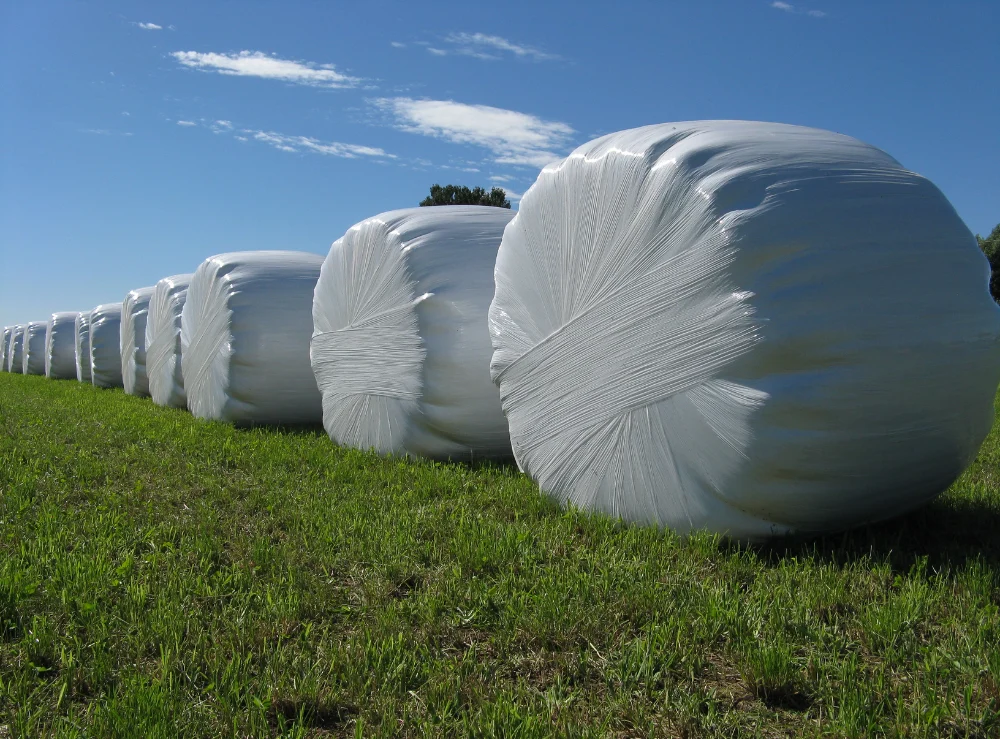
A large share of UK owners feed haylage rather than dry hay, and it’s analysed differently — moisture works in reverse, since haylage is meant to retain far more water than hay. If you’ve had haylage tested, check which type of report you’re holding before applying any of the ranges below; a hay-only report doesn’t translate cleanly onto haylage.
The Numbers That Matter Most

Metabolisable Energy (ME)
Around 8 MJ/kg is average for UK hay on a dry matter basis. Below that, you’ll need to feed more forage to hold condition; above it, watch for unwanted weight gain, particularly in native breeds and good doers. Haylage figures need converting back to a dry matter basis before comparing against these numbers, since the extra moisture dilutes everything per kilogram as sampled.
Crude Protein
Much the same story as anywhere else — mature horses at maintenance need relatively little, while growing horses, lactating mares, and hard-working horses need considerably more. The bigger issue in the UK is usually too much energy and sugar for the workload, not too little protein.
Sugar and Starch: The UK’s Real Focus
This is the section a US-style report skips almost entirely, and it’s usually the reason a UK owner is looking at a hay analysis in the first place.
- WSC (Water-Soluble Carbohydrates): Simple sugars plus fructans. Digested in the foregut and hindgut respectively, and the figure most owners recognise first.
- ESC (Ethanol-Soluble Carbohydrates): A subset of WSC — the simple sugar portion specifically, without the fructan. WSC minus ESC gives a rough fructan estimate.
- Starch: Digested to glucose in the foregut, with a strong effect on blood insulin.
- NSC (Non-Structural Carbohydrates): WSC plus starch — the number most commonly used as an overall sugar/starch risk figure.
Laminitis and EMS Management
For horses managed for laminitis, EMS, or PPID, the commonly used target is ESC + starch below 10%, or NSC below 10–12% on a dry matter basis. This single figure matters more for these horses than energy content, protein, or almost anything else on the report.
Fibre: ADF and NDF
These work the same way as anywhere else — ADF reflects the less digestible portion of the plant, NDF affects how much the horse can physically eat. UK owners tend to see these used less as a standalone decision point and more as a cross-check against the ME figure, since the two move in opposite directions.
Minerals
Calcium-to-phosphorus ratio, magnesium, and trace minerals like copper, zinc, and selenium follow broadly the same principles worldwide — most UK hay is naturally short on copper and zinc, and selenium levels vary by region and soil type, so a mineral supplement is the norm rather than the exception on a hay-based diet.
Where to Get Hay Tested
UK forage labs such as NRM, Trouw Nutrition, and independent providers like Forage Plus offer both NIR and full wet chemistry panels, usually turned around within a week or two. Full-service tests including WSC/ESC/starch typically cost more than a bare-bones energy-and-protein panel — worth it if you’re managing a laminitic or EMS horse, less essential for a fit, healthy horse on a stable diet.
Soaking Hay
Soaking can meaningfully lower WSC, but it needs to be done properly — a full soak in plenty of water, not a quick dunk — and it also washes out water-soluble nutrients along with the sugar. It’s a tool for a specific problem, not a routine step every UK owner needs.
Frequently Asked Questions
Is a US hay analysis guide any use for a UK report?
Not directly — the energy measurement (ME vs DE), the units (MJ/kg vs Mcal/lb), and the priority given to sugar and starch are different enough that the two aren’t interchangeable.
My horse isn’t laminitic — do I still need to check WSC?
It’s less critical, but still worth glancing at, particularly for good doers or native breeds prone to weight gain — high-sugar hay can quietly undo a weight management plan even without a laminitis history.
Does haylage need a completely different analysis?
The same nutrients are measured, but always confirm whether the figures on your report are “as fed” or “dry matter” — haylage’s higher moisture content makes this distinction far more important than it is for dry hay.
A UK hay report answers a different question than a US one — less “is there enough here,” more “is there too much of the wrong thing.”
Free UK Hay & Haylage Analysis Worksheet
ME, WSC/ESC, and a laminitis-safe checklist — built around what your report actually shows.
Download Free →