Chetak: The Legendary Horse Who Defined Loyalty

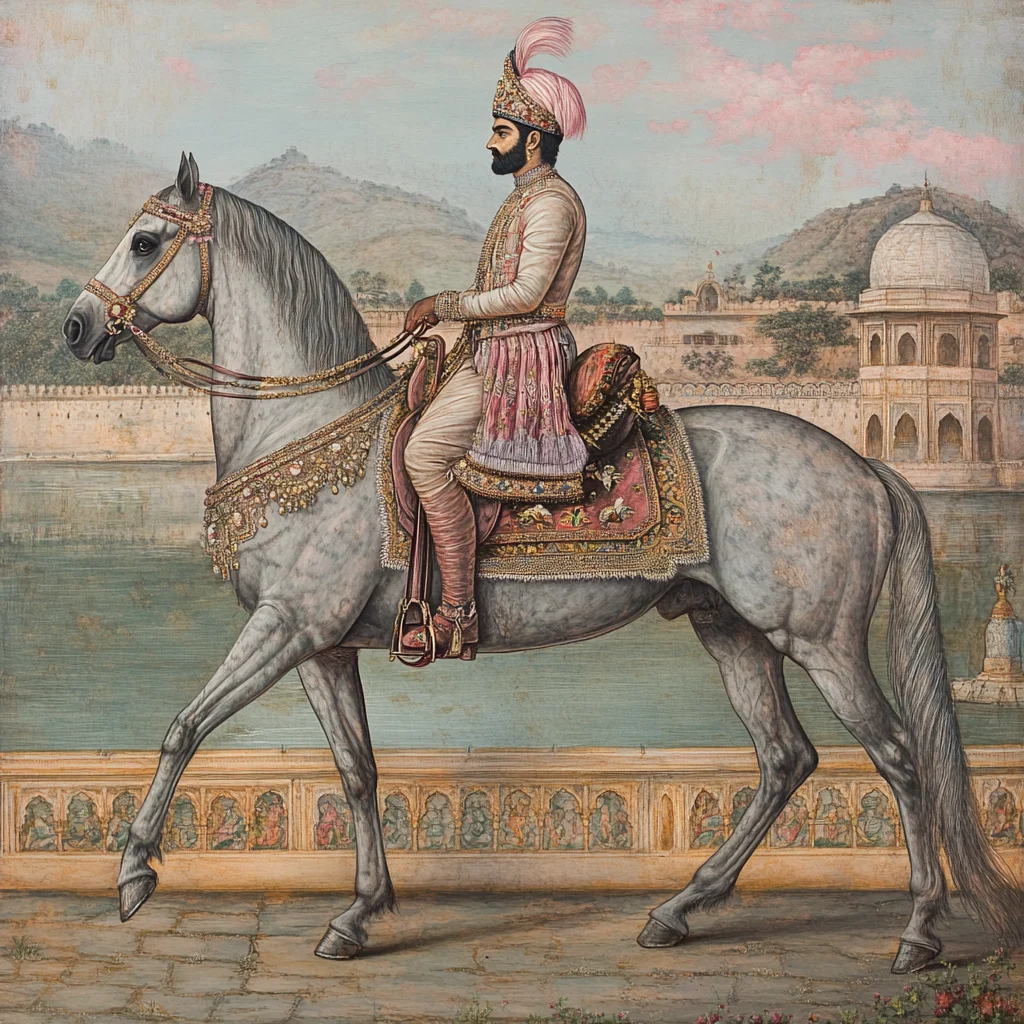
Chetak wasn’t just any horse – he was the remarkable blue-gray Marwari steed who became a symbol of ultimate loyalty through his devotion to Maharana Pratap. Their story has become one of India’s most cherished historical relationships between human and animal.
Their tale takes place in 16th century Mewar (today’s Rajasthan), during a time when Rajput kingdoms fought hard to maintain their independence against the expanding Mughal Empire. The bond between Maharana Pratap and Chetak went far beyond the typical warrior and horse relationship – they became inseparable companions facing incredible challenges together.
What truly sets Chetak apart in history is his incredible sacrifice. During the Battle of Haldighati in 1576, Chetak made an extraordinary leap across a wide gorge and, despite suffering fatal wounds, carried his injured master to safety before finally succumbing to his injuries. This selfless act transformed Chetak from a war horse into an eternal symbol of devotion.
Chetak’s story continues to touch hearts across India, appearing in countless stories, poems, artwork, and monuments. His legacy reminds us how the connection between humans and animals can create moments of extraordinary courage that echo through centuries.
Chetak’s Physical Attributes and Breed
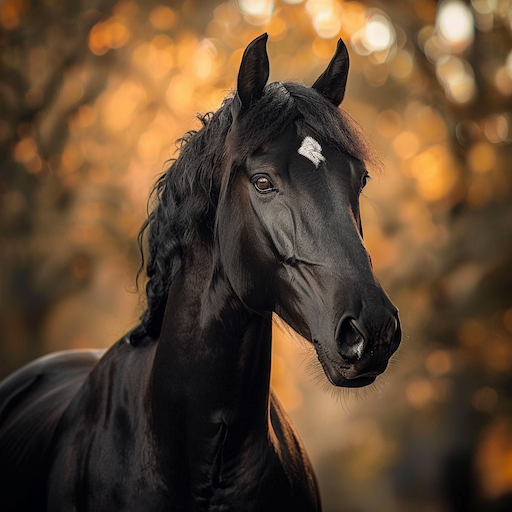
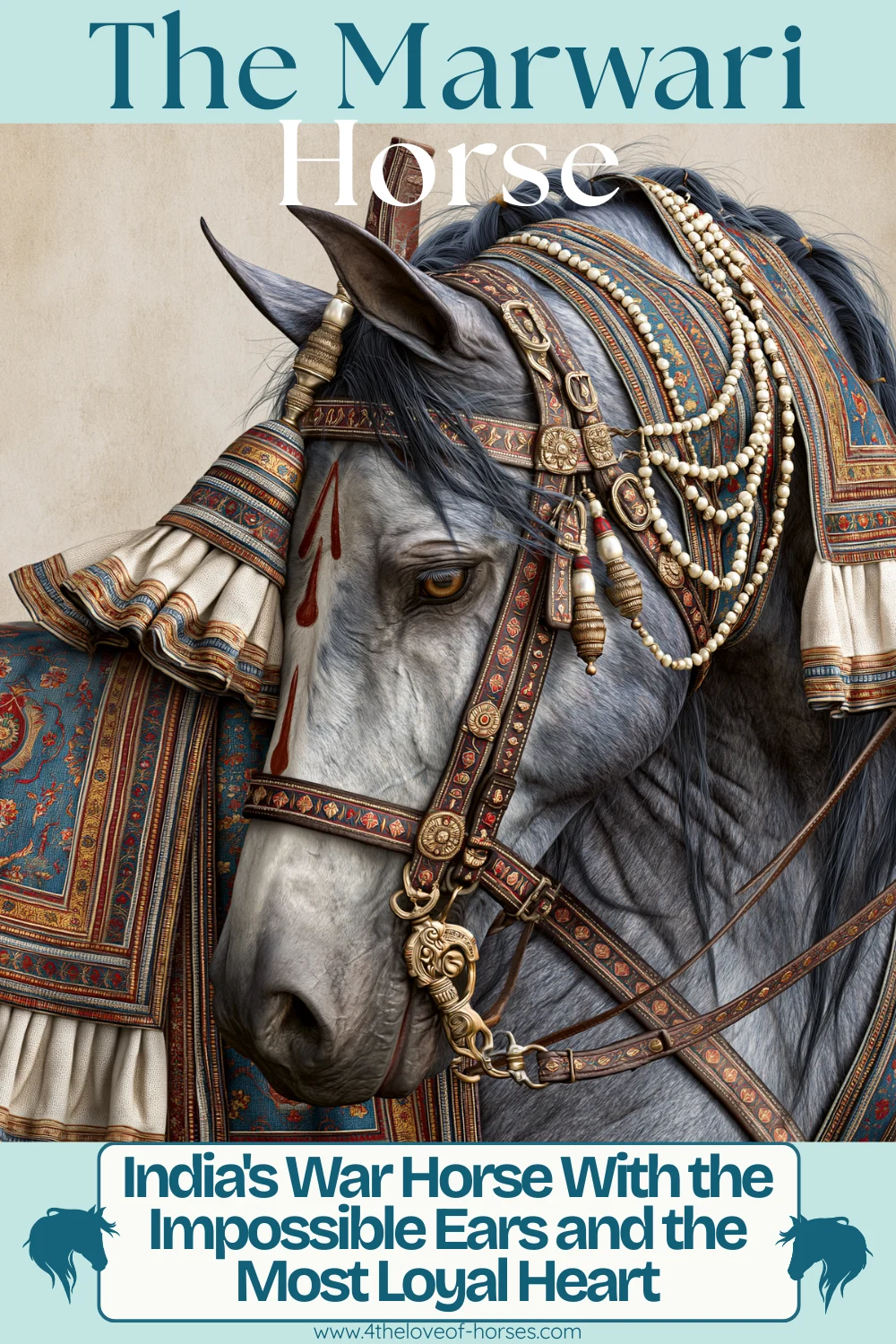
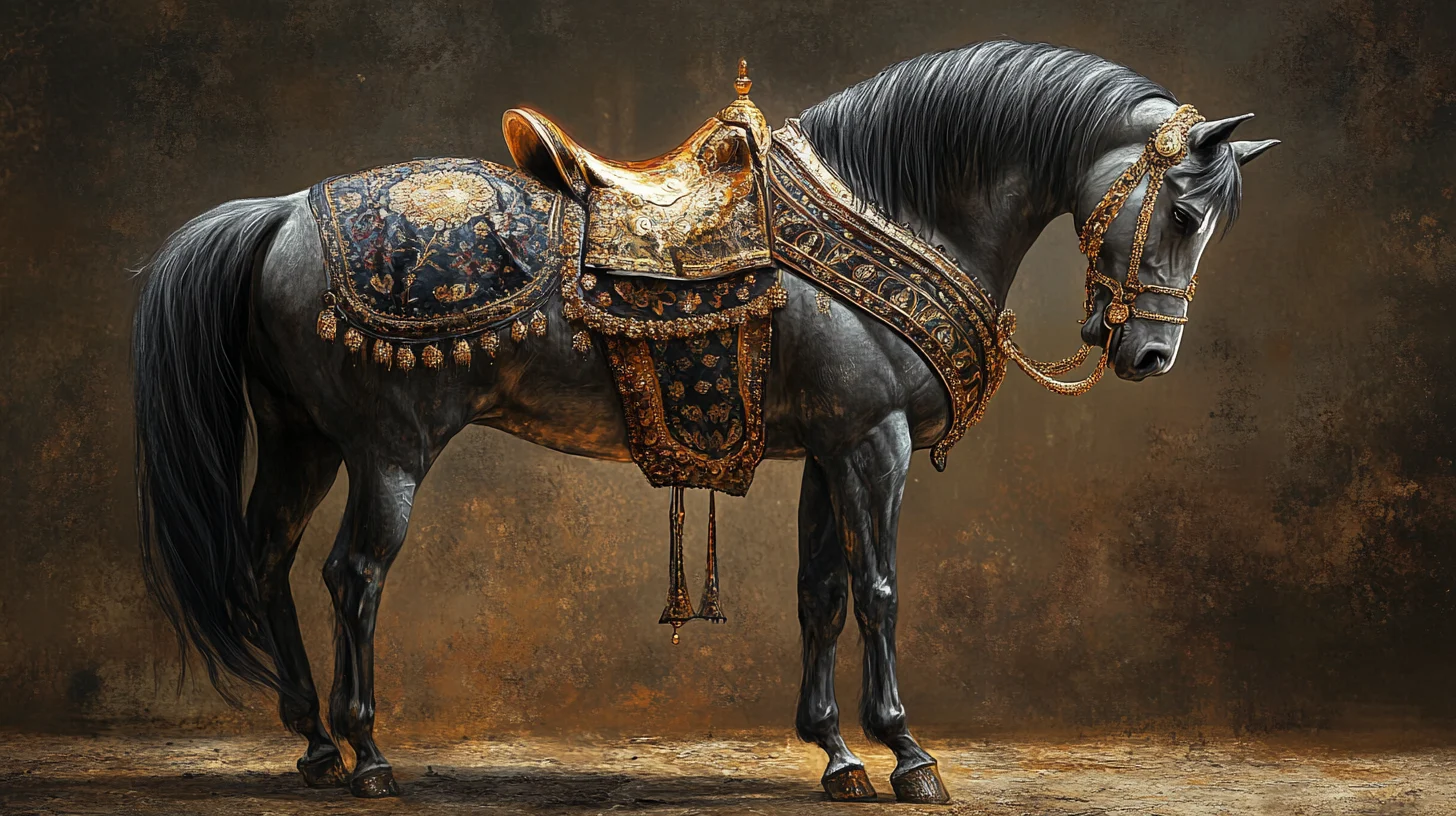
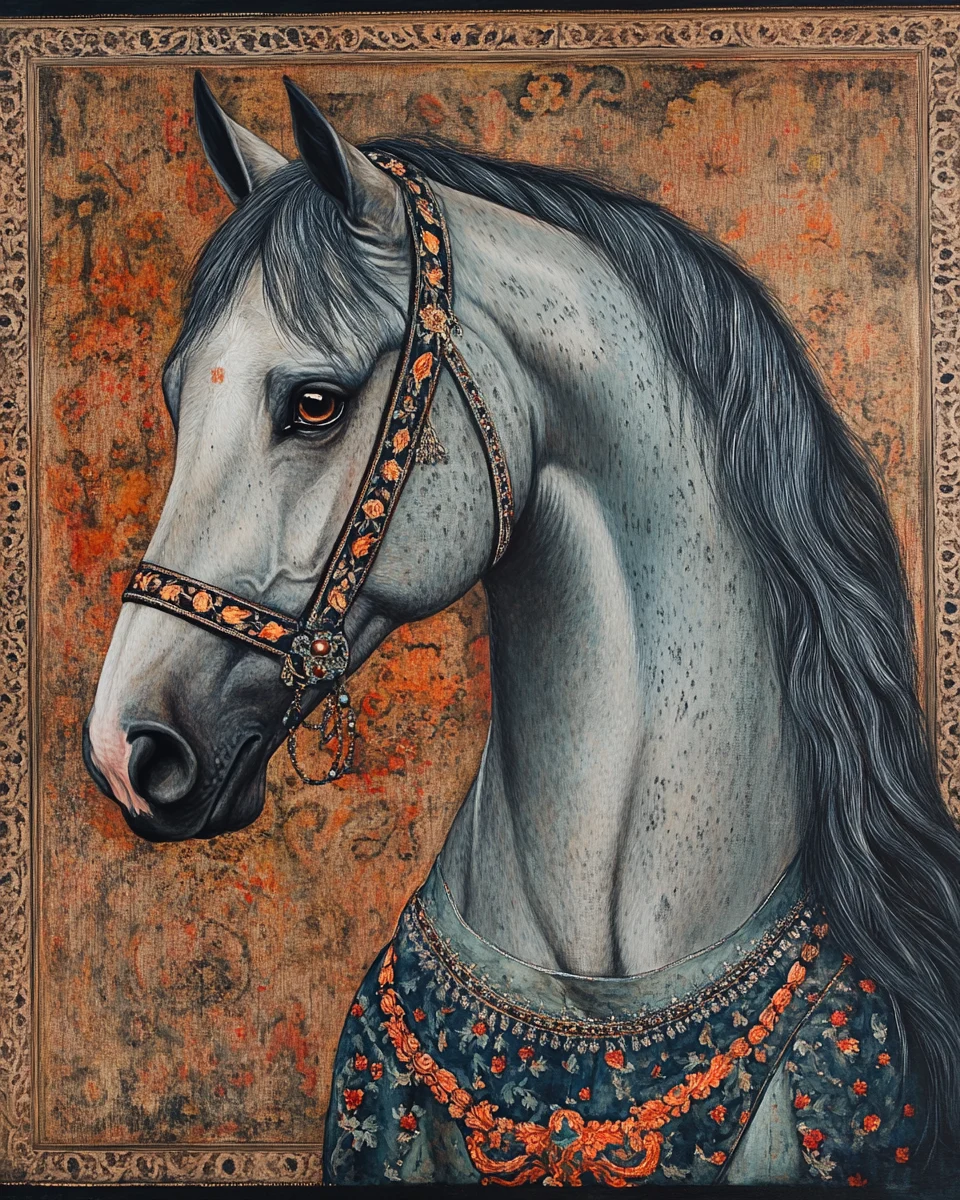
Chetak was a magnificent Marwari horse, a breed native to the Marwar region of Rajasthan. His most striking feature was his blue-gray coat, which gave him a distinctive appearance on the battlefield. This coloration, sometimes described as “gray with a bluish tinge,” was highly prized among Rajput warriors and considered auspicious.
Like other Marwari horses, Chetak likely stood between 14.2 and 15.2 hands tall (about 58-62 inches at the shoulder). What made Marwari horses immediately recognizable were their inward-turning ear tips that often formed a perfect arch when alert, sometimes even touching at the tips. This unique ear shape wasn’t just for show—it helped horses like Chetak hear better in desert conditions and during the chaos of battle.
Marwari horses were bred specifically for warfare, with strong, muscular bodies that combined endurance with agility. They had deep chests for stamina, sturdy legs built to withstand long campaigns, and a natural ability to move quickly in sandy terrain. Historical accounts suggest Chetak possessed exceptional speed and jumping ability, which would later prove crucial during the Battle of Haldighati.
What made these horses particularly valuable to Rajput warriors was their remarkable heat tolerance and minimal water requirements—essential traits for survival in Rajasthan’s harsh desert climate. Marwari horses were also known for their intelligence, courage, and loyalty to their riders—all qualities that Chetak would demonstrate to an extraordinary degree.
The breed’s natural war-readiness came from generations of selective breeding. Marwari horses were trained to perform complex battlefield maneuvers and would stand their ground even amid the terrifying sounds and chaos of combat. Some historical accounts suggest these horses could even be trained to use their teeth and hooves as weapons against enemy soldiers when necessary.
For Maharana Pratap, a ruler constantly engaged in guerrilla warfare against a powerful empire, a horse with Chetak’s combination of speed, endurance, and battlefield courage was an invaluable ally.
The Bond Between Maharana Pratap and Chetak
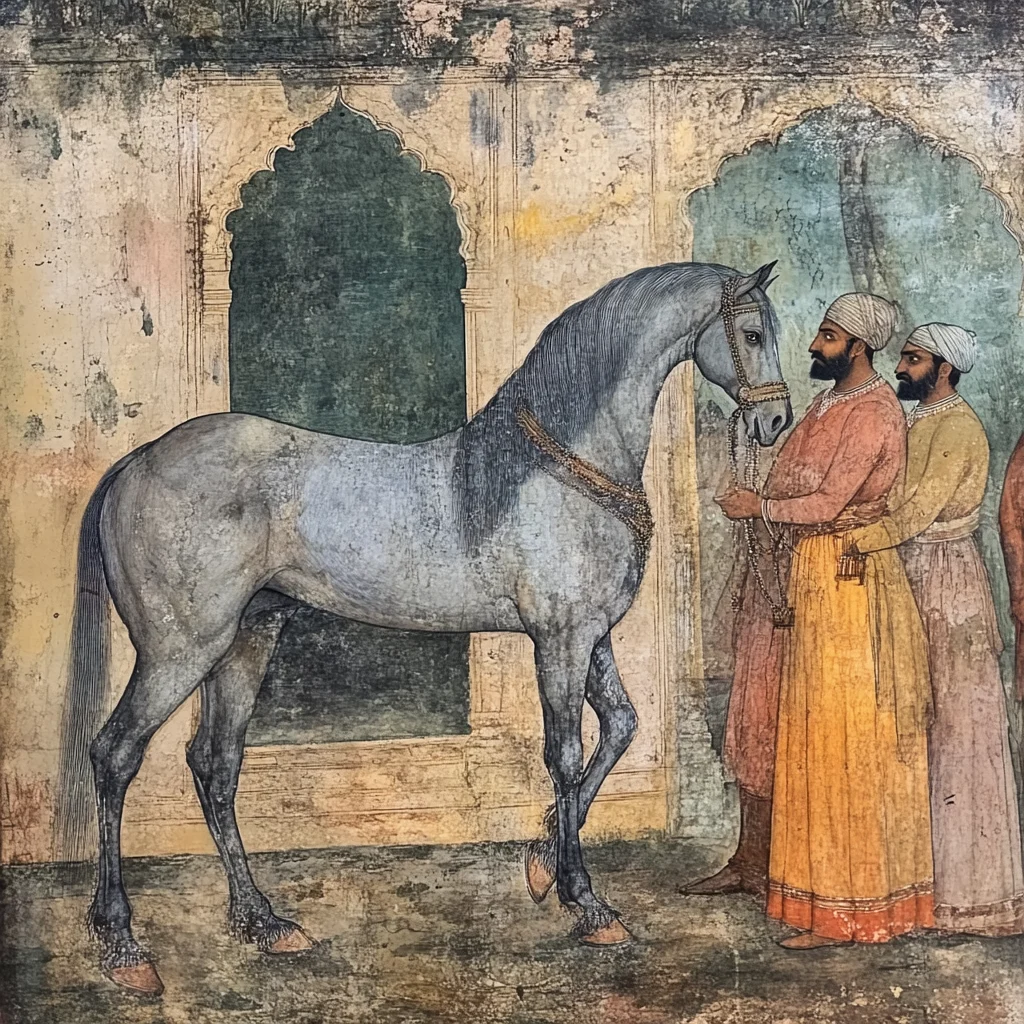
Maharana Pratap and Chetak’s relationship began when the horse was specially selected for the Rajput ruler as a young stallion. Historical accounts suggest Chetak was chosen from the royal stables for his exceptional qualities and presented to Maharana Pratap before he ascended the throne of Mewar.
Their bond developed through years of training together. Maharana Pratap personally supervised Chetak’s training, spending countless hours working with the horse to develop their battlefield coordination. This daily interaction created a deep understanding between rider and mount that went beyond simple commands.
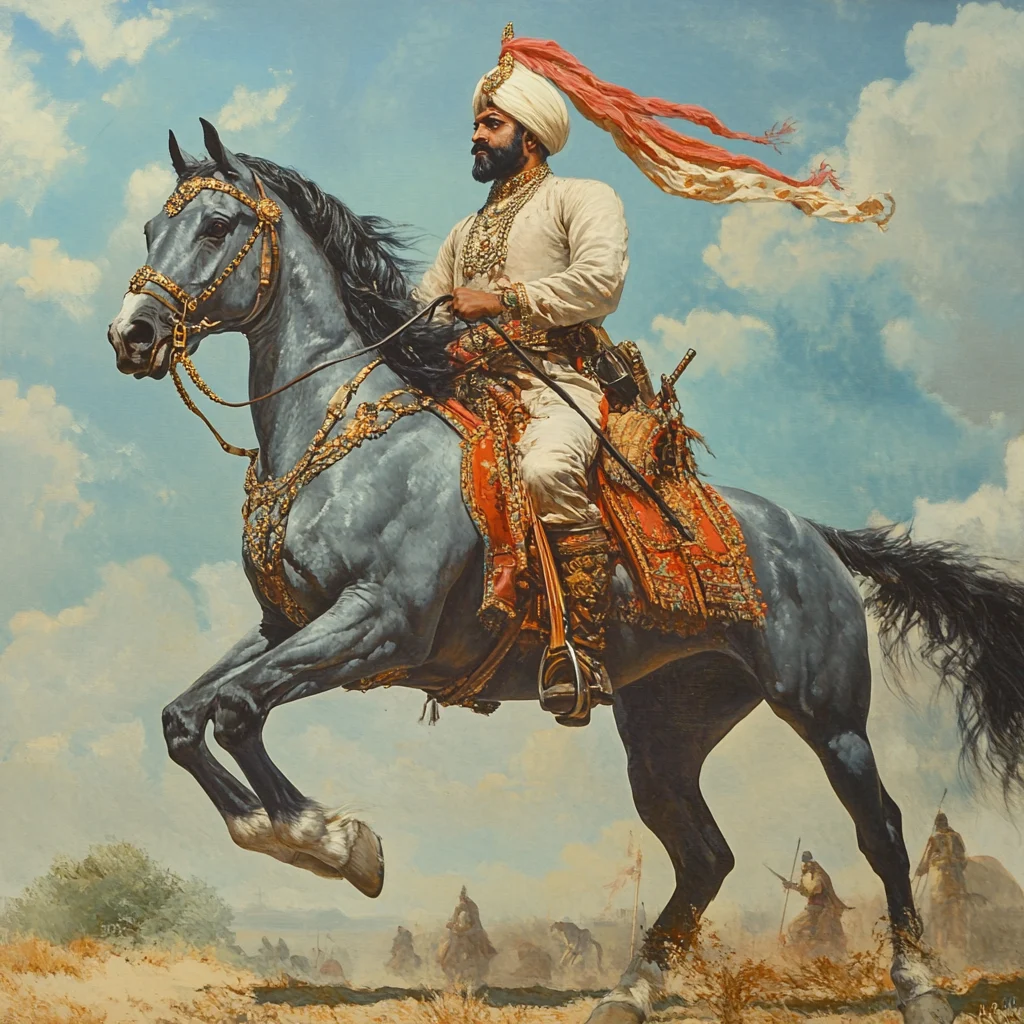
What made their relationship special was the mutual trust they developed. In battle conditions, Chetak could respond to subtle shifts in Maharana Pratap’s weight or the lightest touch of the reins. Contemporary accounts describe how the horse seemed to anticipate his master’s needs, sometimes reacting before Maharana Pratap gave any visible signal.
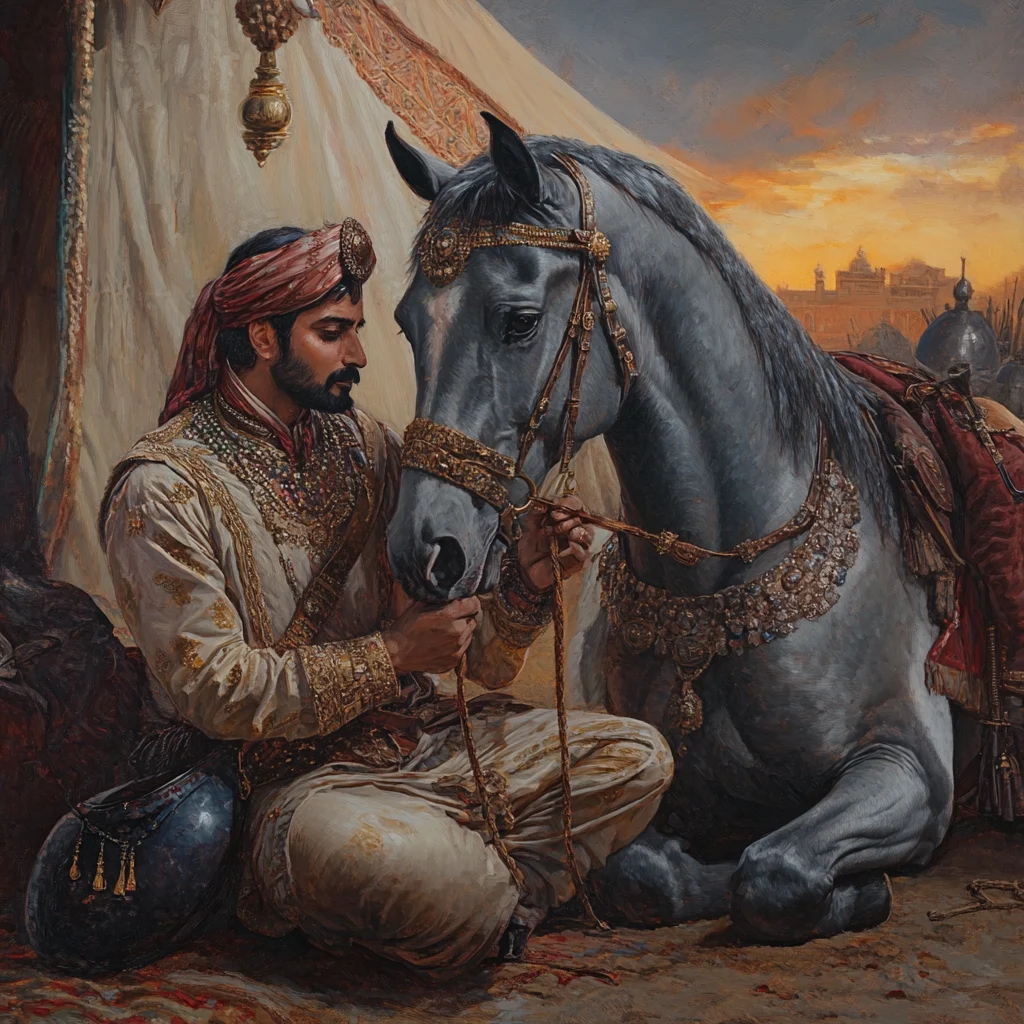
Chetak accompanied Maharana Pratap not just in battles but during his daily activities. The horse was a constant companion during the challenging years when Maharana Pratap refused to surrender to the Mughals and lived in the forests and mountains of Mewar. They shared hardships together, with Chetak adapting to difficult terrain and limited resources alongside his master.
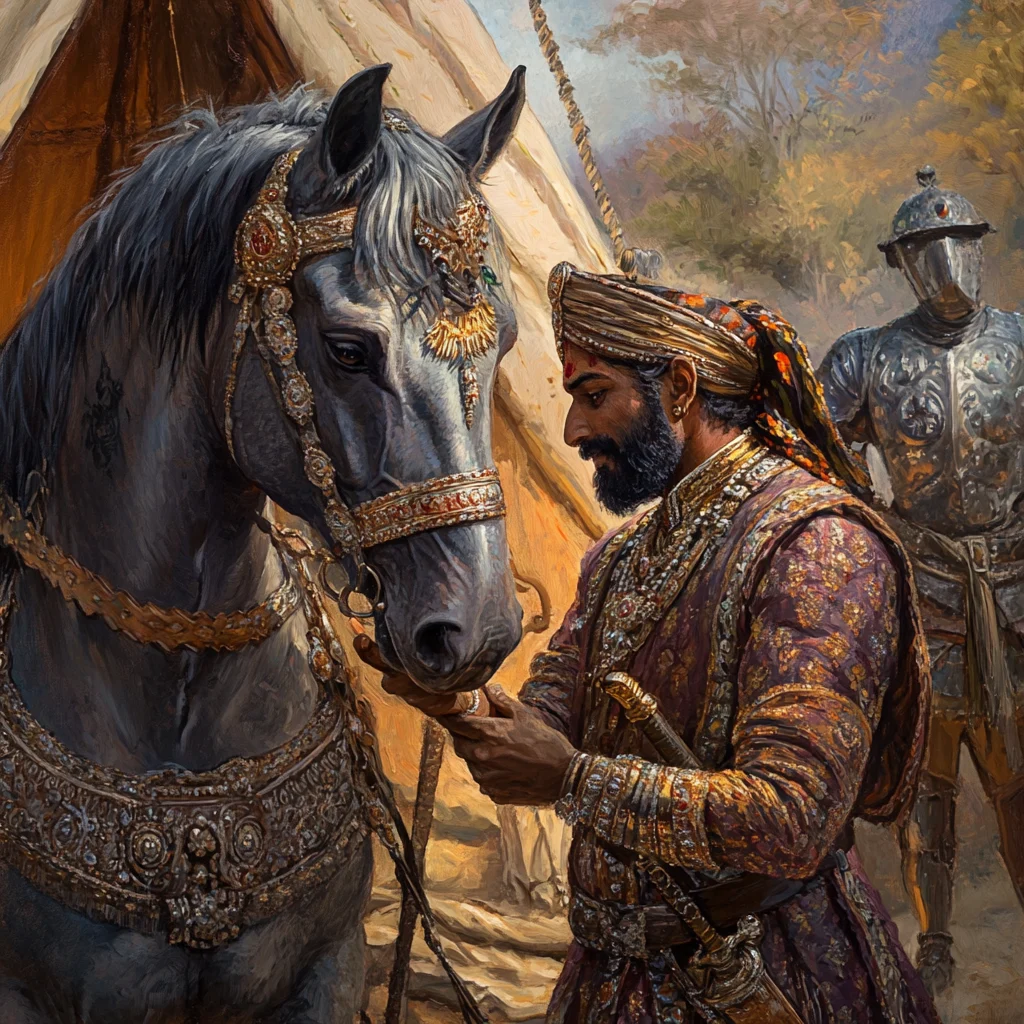
This shared experience created a bond that transcended the typical relationship between a warrior and his mount. Stories tell of how Chetak would refuse to be ridden by anyone else, recognizing Maharana Pratap as his only rider. This loyalty was reciprocated – Maharana Pratap personally oversaw Chetak’s care and feeding, even during times of scarcity.
Their partnership represents one of history’s most celebrated examples of the special connection that can form between humans and horses – a relationship built on mutual respect, trust, and genuine affection that would ultimately be tested in the fires of their most famous battle.
The Battle of Haldighati (1576)
The Battle of Haldighati, fought on June 18, 1576, marks the defining moment in Chetak’s story. This famous battle took place in a narrow mountain pass in the Aravalli Range near Gogunda, Rajasthan.
The conflict arose from Maharana Pratap’s refusal to submit to Mughal Emperor Akbar. While many Rajput rulers had accepted Akbar’s sovereignty, Maharana Pratap remained steadfast in protecting Mewar’s independence. After diplomatic efforts failed, Akbar sent a powerful army led by Man Singh I to confront the Rajput forces.
The odds were heavily stacked against Maharana Pratap. Historical accounts suggest the Mughal army numbered around 20,000-40,000 soldiers, while Maharana Pratap commanded only about 3,000-8,000 warriors. Despite this disadvantage, the Rajputs chose the narrow pass of Haldighati for its strategic value, hoping to neutralize the Mughal numerical advantage.
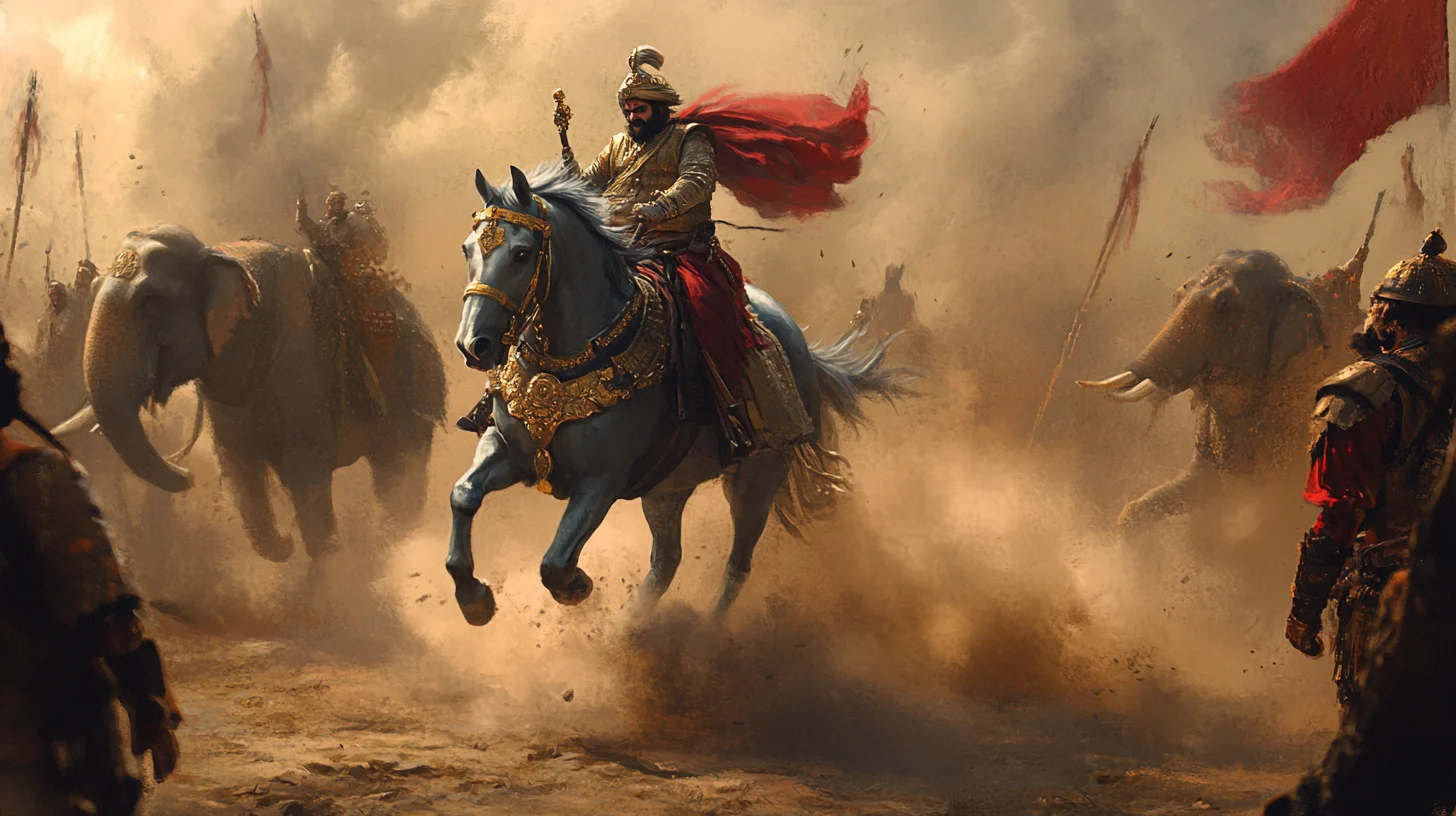
Chetak played a crucial role during this battle. Mounted on his loyal steed, Maharana Pratap led from the front, inspiring his vastly outnumbered forces. Contemporary accounts describe how Chetak moved with extraordinary speed and agility across the battlefield, allowing Maharana Pratap to engage multiple enemies.
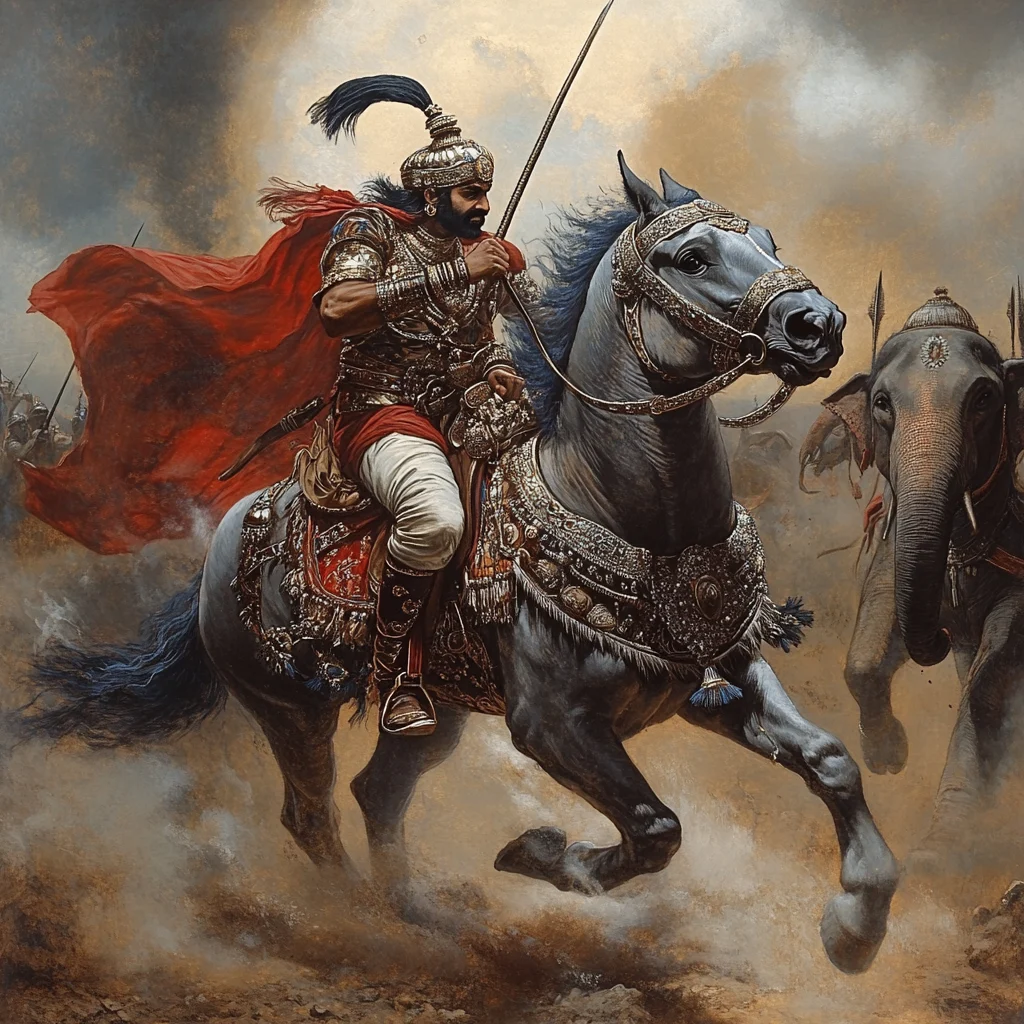
The most famous moment came when Maharana Pratap spotted the elephant carrying Man Singh and decided to attack the Mughal commander directly. Riding Chetak, he charged toward the elephant named Ram Prasad. Recognizing his master’s intent, Chetak showed remarkable courage, carrying Maharana Pratap through enemy lines.
In a legendary feat, Chetak leaped up to the elephant’s trunk, allowing Maharana Pratap to strike at Man Singh with his spear. Though he missed Man Singh, he killed the mahout (elephant driver) and wounded the elephant. This daring attack created confusion in the Mughal ranks.
However, during this encounter, Chetak was seriously wounded when an enemy soldier’s sword struck one of his legs. Despite this injury, the valiant horse continued to carry his master, demonstrating extraordinary determination that would soon become the stuff of legend.
Chetak’s Sacrifice
The aftermath of the elephant attack marked Chetak’s finest hour. Despite suffering a severe wound to his leg, the loyal horse continued carrying Maharana Pratap through the battlefield as the tide turned against the Rajput forces.
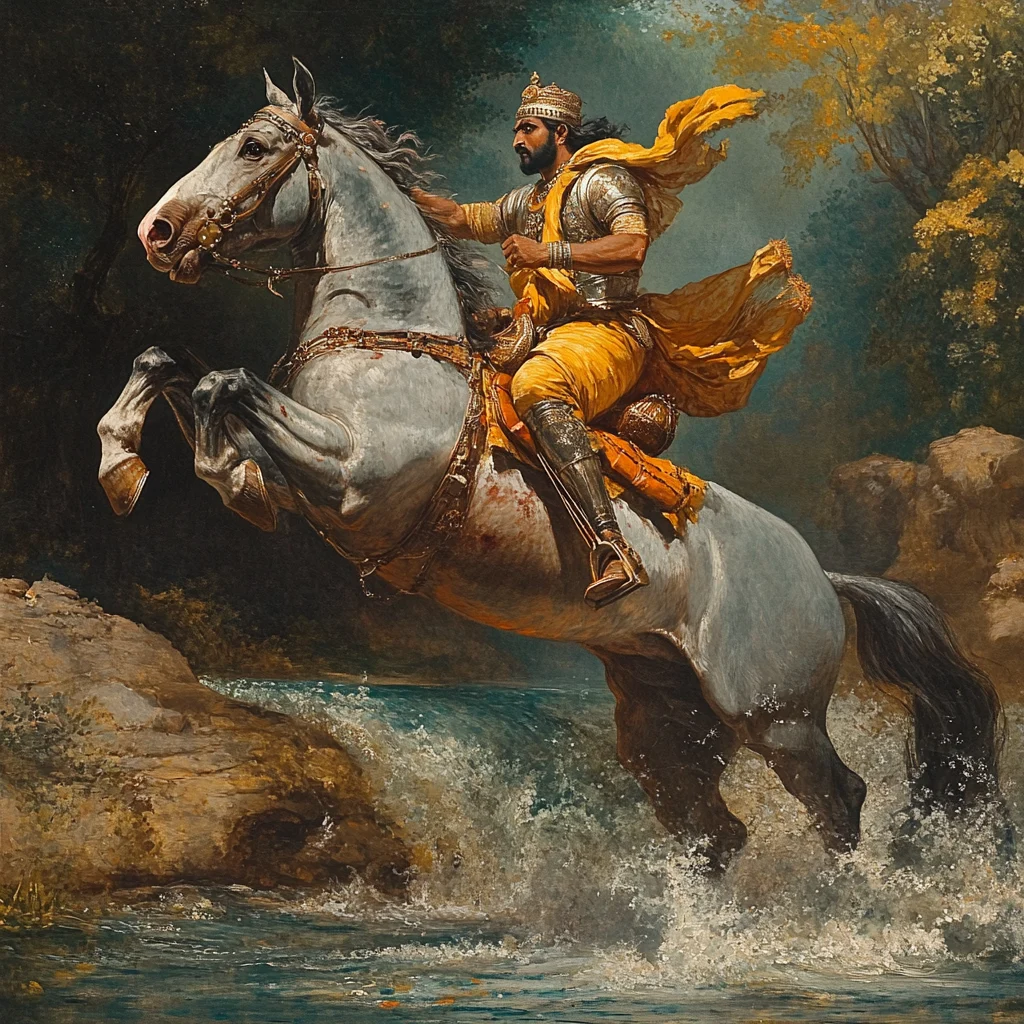
As the battle intensified, Maharana Pratap realized they needed to retreat. With Mughal forces in pursuit, Chetak, despite bleeding heavily from his injury, galloped with remarkable speed to help his master escape. They soon reached a stream that separated them from safety.
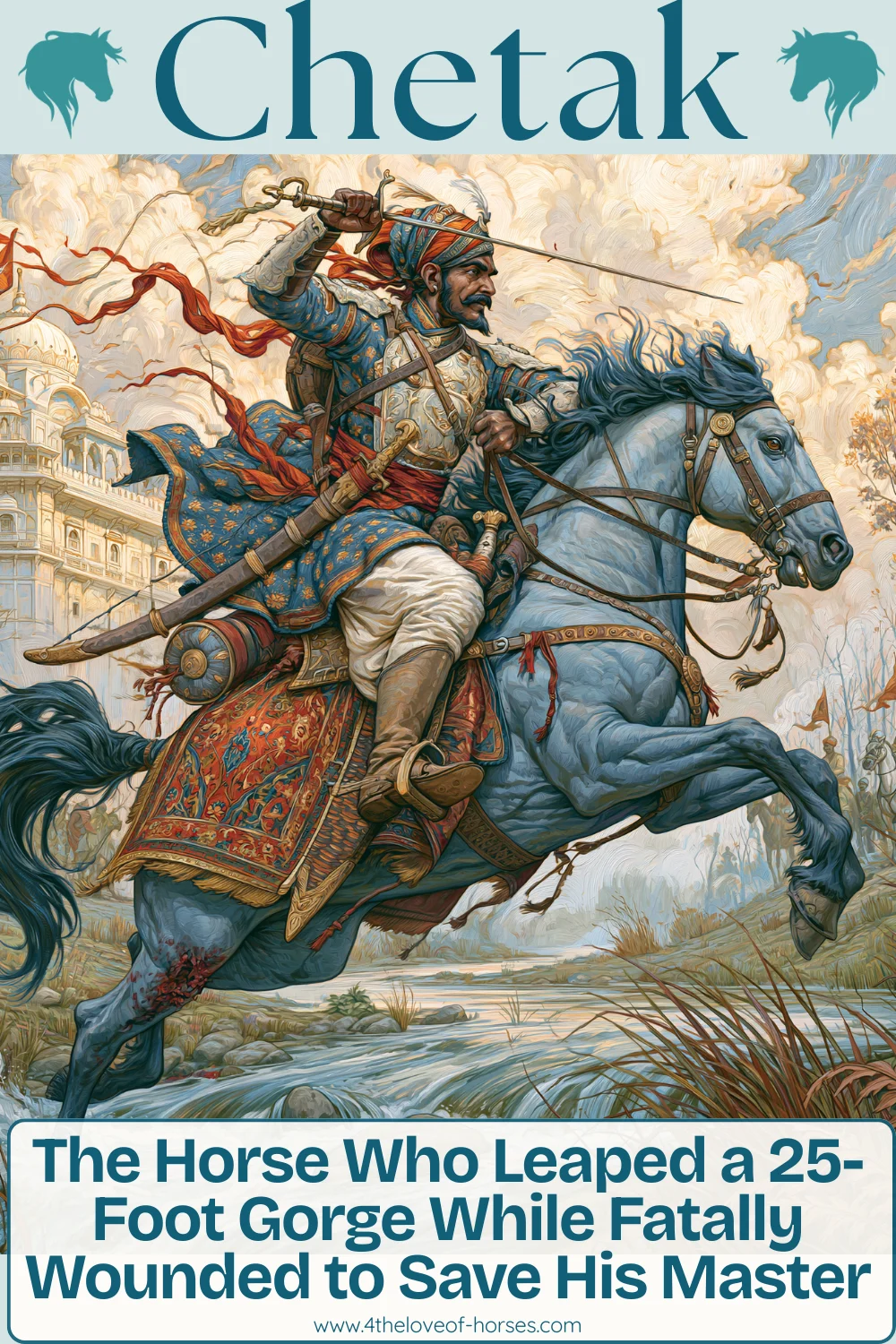
In what became the most celebrated moment of Chetak’s life, the wounded horse gathered his remaining strength and made an extraordinary leap across the stream – a distance of over 25 feet according to some accounts. This jump, performed while severely injured, demonstrated Chetak’s remarkable courage and devotion.
After clearing the stream, Chetak continued running for some distance, carrying his master away from danger. However, the blood loss from his wound was too severe. Stories tell how the faithful horse finally collapsed, having given everything to ensure his master’s safety.
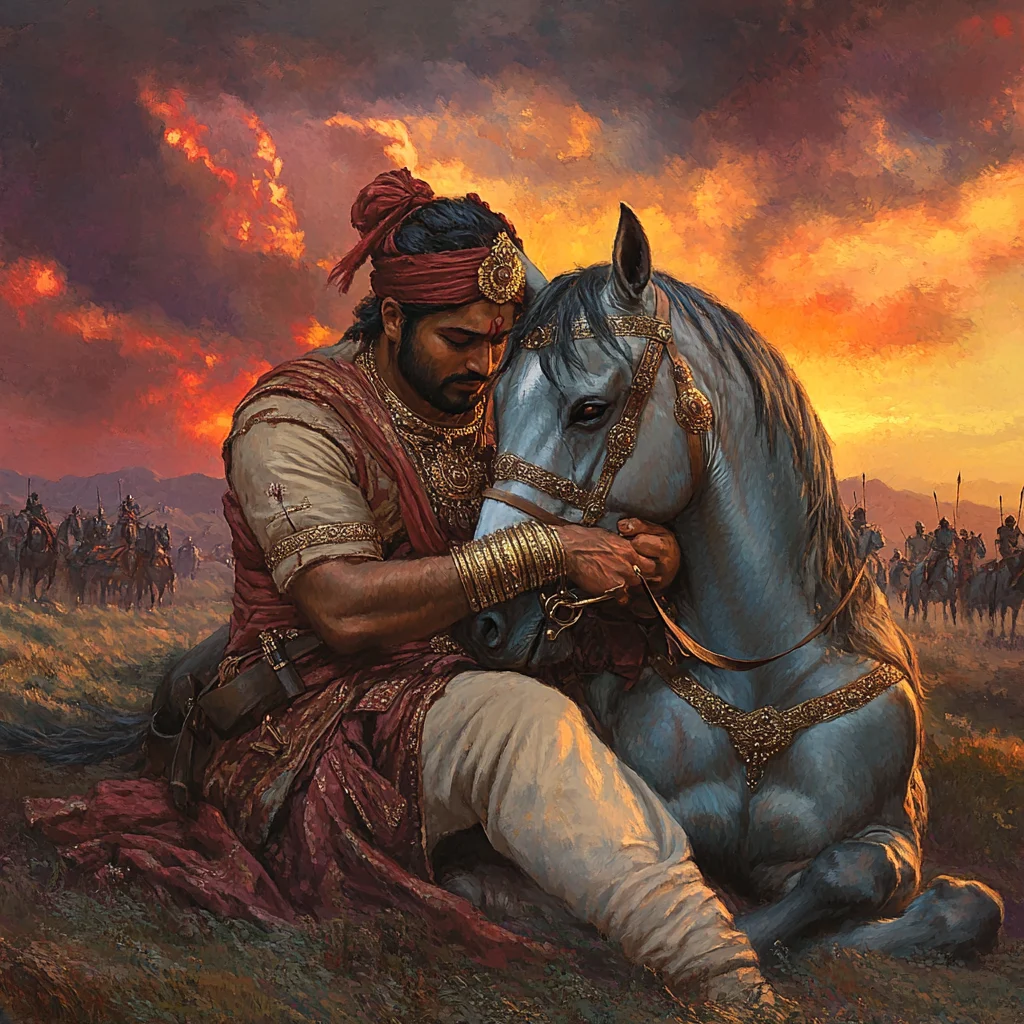
Maharana Pratap dismounted and cradled his dying companion. According to traditional accounts, Chetak breathed his last in his master’s arms. Witnesses described how Maharana Pratap was overcome with grief, weeping openly for his loyal friend who had sacrificed everything for him.
The Rajput ruler reportedly said, “A horse like Chetak can never be found again.” To honor his fallen companion, Maharana Pratap built a small monument at the spot where Chetak died. This simple memorial marked not just the death of a horse, but the loss of a trusted friend who had stood by him through the most difficult battle of his life.
Chetak’s sacrifice allowed Maharana Pratap to survive and continue his resistance against the Mughals for many years to come – a resistance that would help preserve Mewar’s cultural identity through one of its most challenging periods.
Legacy and Commemoration
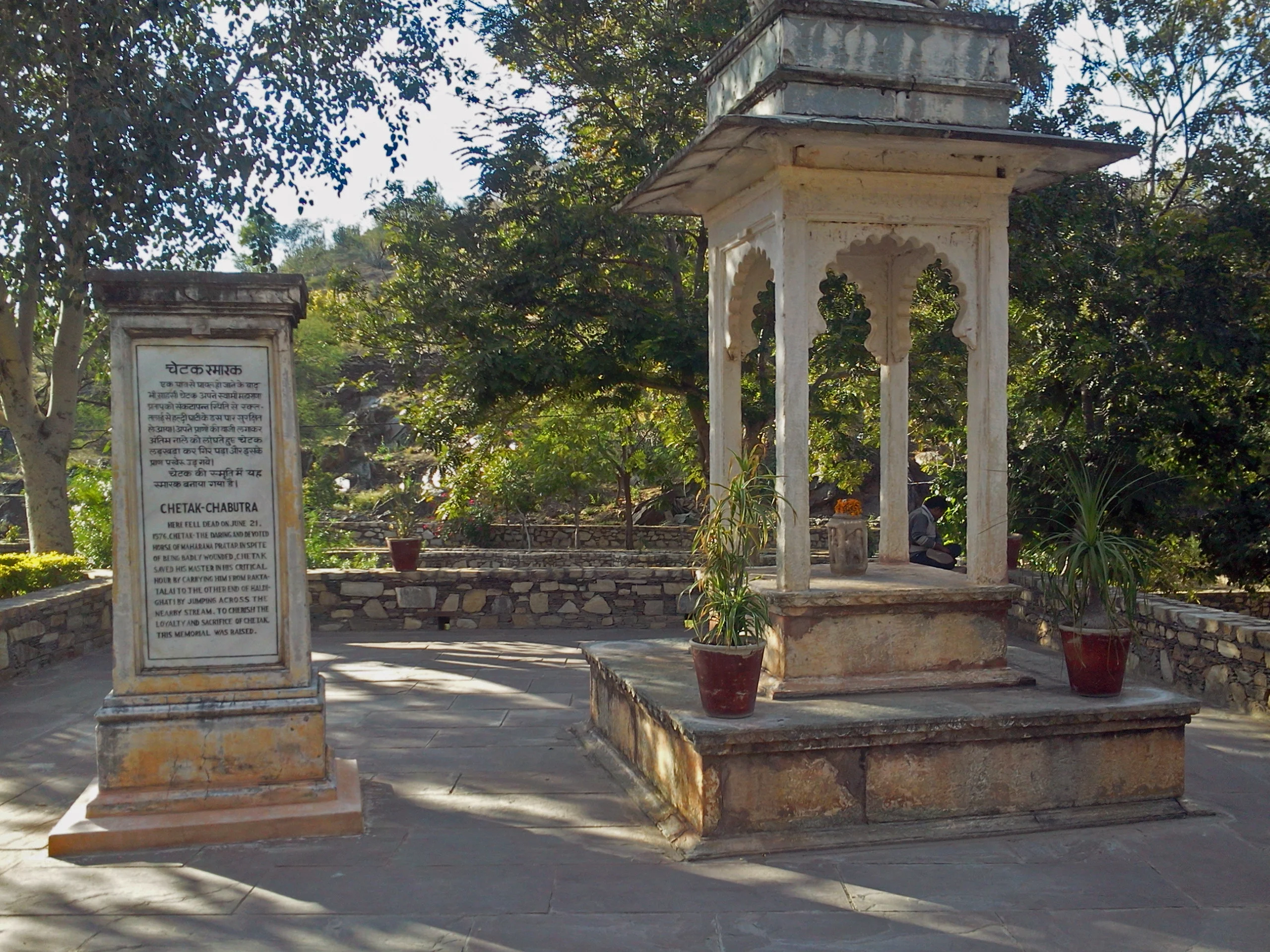
Today, Chetak’s memory lives on throughout Rajasthan and beyond. The most prominent memorial stands in Haldighati itself – a beautiful cenotaph marking where the valiant horse fell. This simple yet dignified structure has become a popular pilgrimage site for visitors interested in Rajput history.
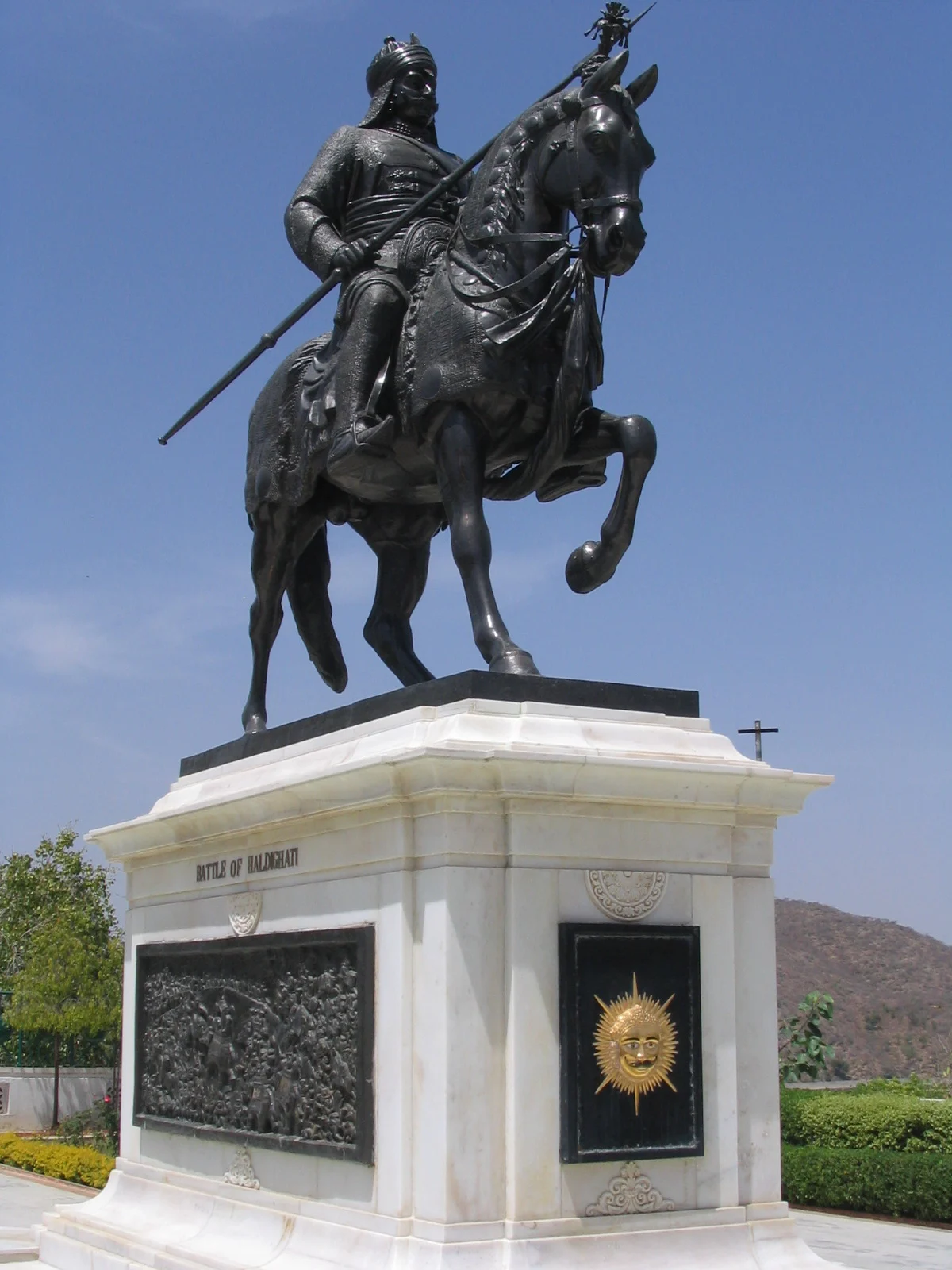
In Udaipur, the majestic “Chetak Smarak” (Chetak Memorial) features an impressive bronze statue of Maharana Pratap mounted on his horse. The statue captures the dynamic spirit of their partnership, frozen in a moment of battlefield courage.
Chetak’s story has become inseparable from Rajput folklore and artistic traditions. Countless ballads, known as “veer gatha” (hero songs), celebrate his loyalty. These songs, still performed during festivals and special occasions, ensure his memory remains alive in oral tradition.
Modern media has embraced Chetak’s story too. The horse features prominently in historical television dramas about Maharana Pratap, introducing new generations to his legacy. Children’s books frequently include Chetak’s tale as a lesson in courage and friendship.
Several institutions bear Chetak’s name – from the “Chetak Regiment” in the Indian Army to the “Chetak Helicopter” manufactured by Hindustan Aeronautics Limited. The Indian Navy named one of its destroyers “INS Chetak” in honor of the legendary horse.
Perhaps most tellingly, many Rajput families still name their prized horses “Chetak” as a tribute to the original. The name has become synonymous with equine loyalty and courage throughout India.
Through these various commemorations, Chetak has transcended historical fact to become something more meaningful – a cultural symbol that continues to inspire almost five centuries after his sacrifice.
The Symbolism of Chetak in Indian Culture
Chetak represents much more than just a historical horse in Indian culture. He stands as a powerful symbol of loyalty, sacrifice, and courage – values deeply embedded in Indian heritage.
For many Indians, Chetak’s devotion to Maharana Pratap exemplifies the ideal relationship between humans and animals. The story shows how this bond can transcend the typical master-servant dynamic and become a true partnership based on mutual respect and affection.
In schools across India, Chetak’s story is taught alongside other tales of heroes and loyalty. Teachers use his sacrifice to illustrate the importance of dedication and selflessness to young students. The image of the wounded horse carrying his master to safety resonates deeply with children, often becoming one of their first and most memorable history lessons.
The Chetak-Maharana Pratap relationship also appears in contemporary discussions about leadership. Business schools and military academies sometimes reference this partnership when teaching about mutual trust between leaders and their teams – how true loyalty must flow in both directions.
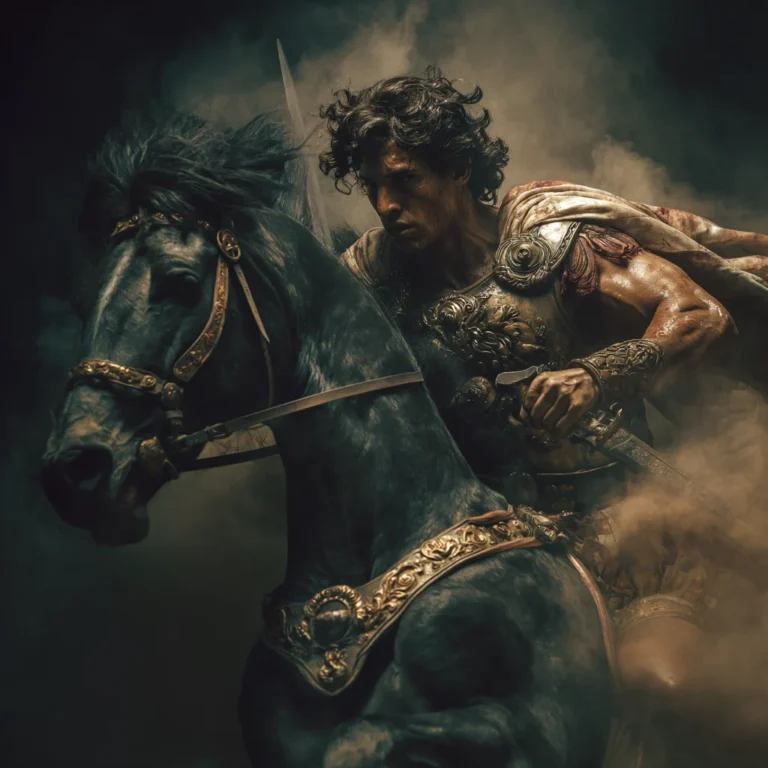
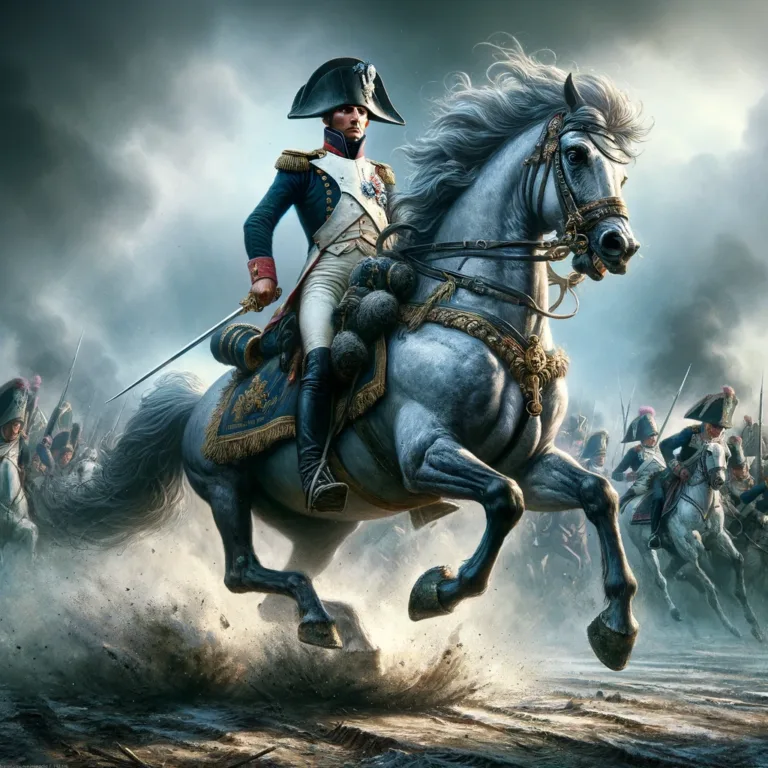
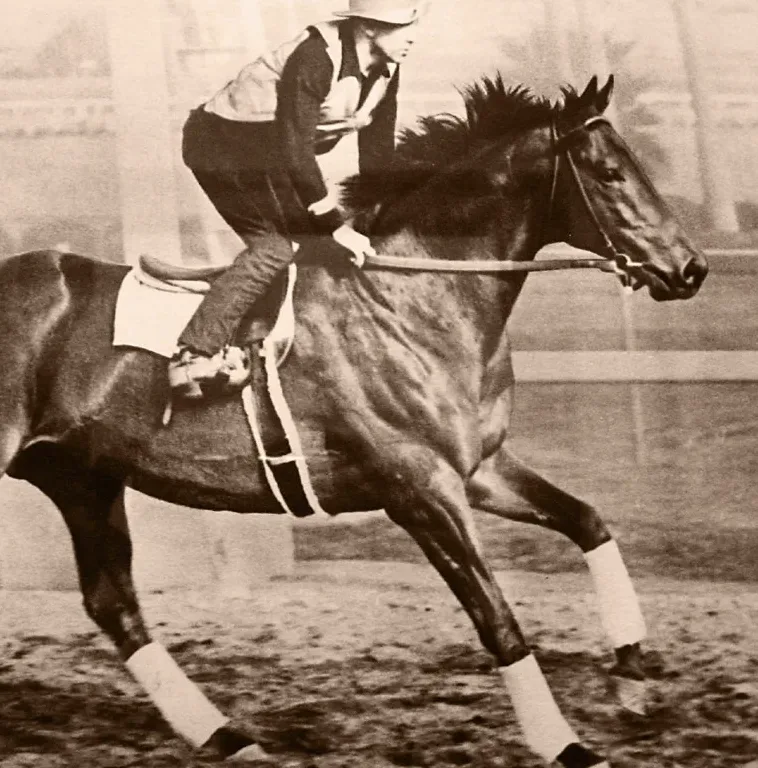
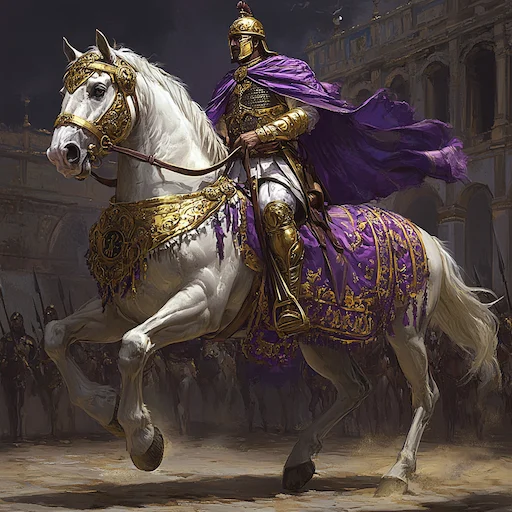
When compared with other famous horses in world history – like Alexander the Great’s Bucephalus or Napoleon’s Marengo – Chetak stands apart for the deeply personal nature of his sacrifice. While many historical horses are remembered for battlefield prowess, Chetak is celebrated specifically for his final act of loyalty.
For modern Rajputs and many other Indians, Chetak represents a connection to their cultural identity and history of resistance against overwhelming odds. The horse has become a reminder that courage and loyalty can leave a legacy that outlasts empires.
Chetak’s story remains one of the most touching examples of loyalty in Indian history. This remarkable horse wasn’t just a tool of war but a true companion who stood faithfully beside Maharana Pratap through their greatest challenges. The Maharana of Mewar Charitable Foundation, which preserves the heritage of the Mewar dynasty to this day, keeps this story alive through exhibits, archives and living tradition — a testament to how deeply Chetak’s memory is still honoured by those who carry that history.
What makes Chetak’s tale so powerful is its timeless simplicity. At its heart, this is a story about friendship and sacrifice that transcends cultural boundaries. The image of a wounded horse giving everything to save his master speaks to something fundamental in human experience — our deep connection with animals who share our lives and struggles. For anyone wanting to explore the history further, Live History India carries some of the most carefully researched accounts of the Battle of Haldighati and the world Chetak and Maharana Pratap inhabited.
For today’s generation, Chetak offers a valuable reminder about what true loyalty means. In a world that often focuses on short-term relationships and convenience, his unwavering dedication represents something increasingly rare and precious.
The endurance of Chetak’s story after nearly five centuries shows just how deeply it resonates with people. While empires have risen and fallen, and the political landscape of India has transformed completely, this simple tale of a horse’s devotion continues to touch hearts. The Marwari Horse Society continues to preserve the extraordinary breed that produced him — horses still carrying those distinctive inward-curving ears, still bred for courage, still found in Rajasthan today.
Perhaps that’s the most remarkable part of Chetak’s legacy — that a horse who lived so long ago still inspires us today. His story reminds us that acts of courage and loyalty, even from the most unexpected sources, can echo through the centuries and continue to shape how we understand ourselves and our relationships.