Strangles in Horses: Containment, Treatment and Prevention
Strangles has been recorded in horses since medieval Europe, and eight hundred years later it remains one of the most contagious diseases any yard can face — the good news is it’s also one of the most manageable, if you act early.
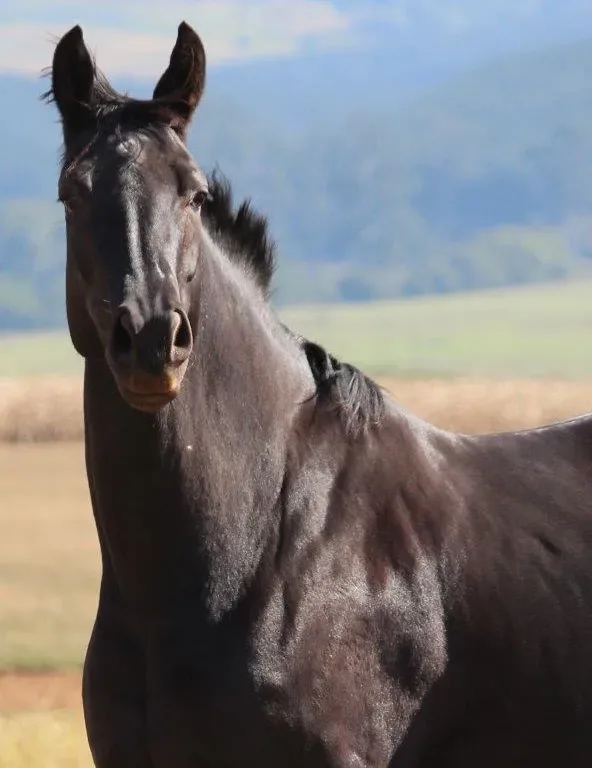
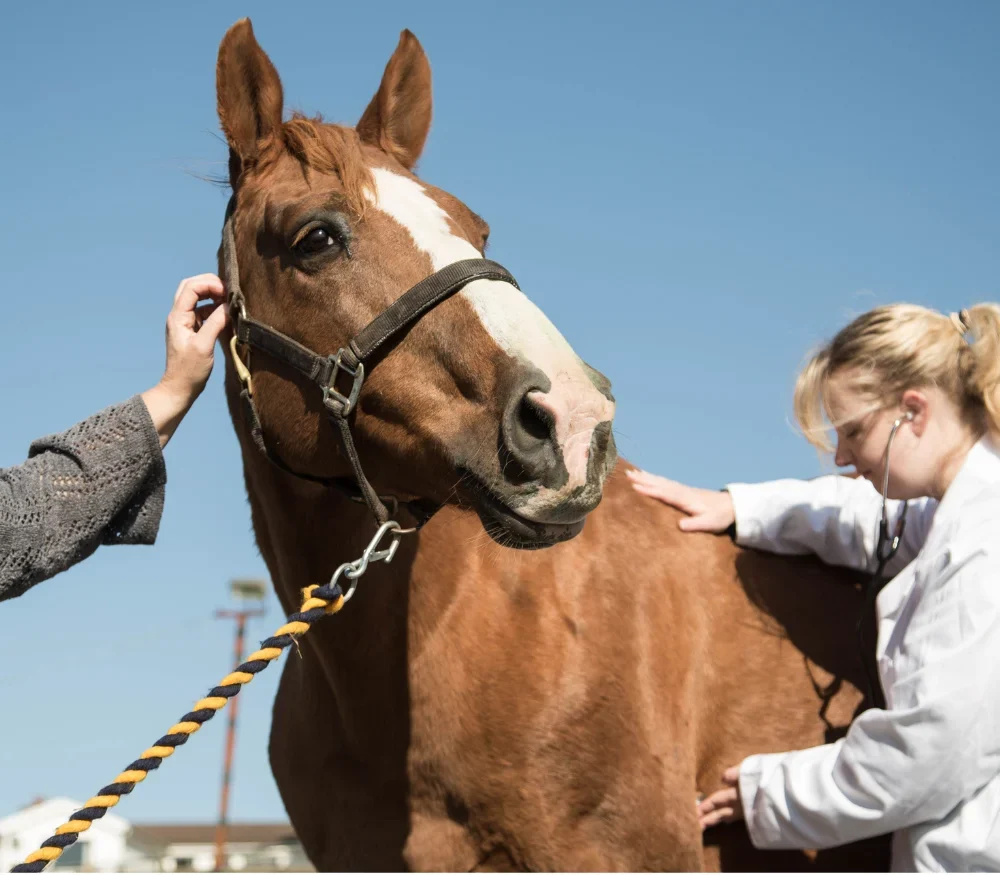
Daisy’s first sign was nothing more than a slightly reluctant appetite and a temperature half a degree over normal. By the next evening, there was a firm, unmistakable swelling under her jaw, and I had her isolated before the vet even arrived. That swelling is where the disease gets its name — in severe cases, enlarged lymph nodes can genuinely restrict breathing, which is about as close to “strangled” as a symptom gets. Daisy’s case never progressed that far, but the speed of that isolation decision is exactly why.
Free Vet Emergency Reference Card
Vitals, warning signs, and a vet contact template — ready before you need it.
Download Free →The Numbers Worth Knowing
Understanding the Bacteria
Strangles is caused by Streptococcus equi subspecies equi — a bacterium that has evolved specifically to infect horses, and does so remarkably efficiently. It enters through the nose or mouth and attaches to cells lining the upper respiratory tract, multiplying quickly from there. During the incubation period, an infected horse can already be shedding bacteria and contagious to others days before it shows a single sign of illness — which is exactly how strangles so often spreads through a yard before anyone realises there’s a problem.
How It Spreads
- Direct contact — horses touching noses or sharing breathing space, entirely normal social behaviour that happens to be ideal for transmission.
- Indirect contact — shared water, feed buckets, tack, and even a handler’s hands or clothing can carry the bacteria between horses.
- Environmental survival — S. equi can persist for weeks in the right conditions, particularly in water, though it survives less than 24 hours on surfaces exposed to direct sunlight.
Worth Knowing
Roughly 1 in 10 recovered horses becomes a carrier, harbouring the bacteria in the guttural pouches with no outward signs of illness, and can shed it intermittently for months or years. This is the single biggest reason strangles keeps coming back to yards that thought they’d already dealt with it.
Recognising the Signs
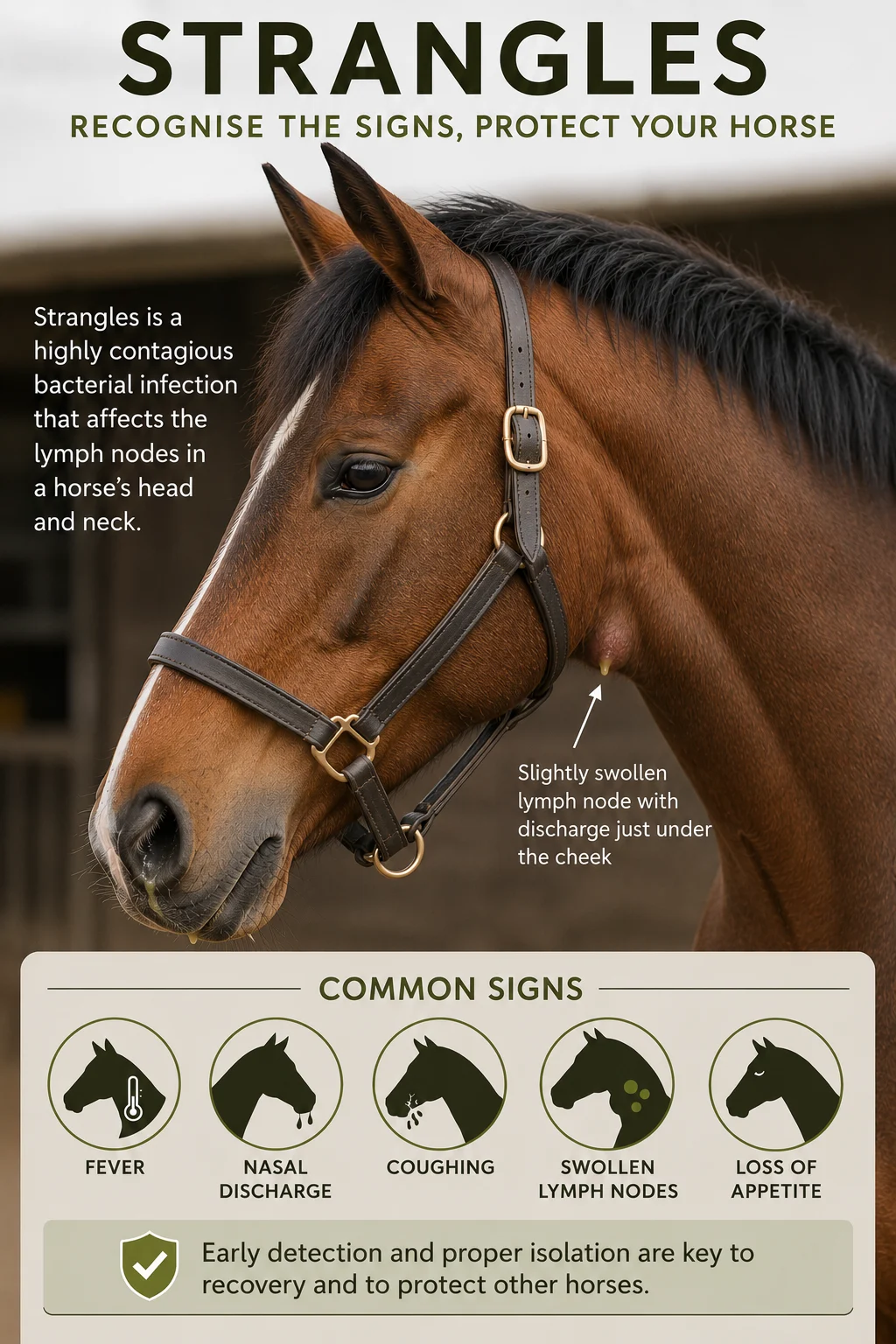
- Fever — often the first sign, typically 103-106°F (39.4-41.1°C).
- Nasal discharge — starts clear, progressing to thick and yellow as infection develops.
- Swollen lymph nodes under the jaw and around the throat, which may abscess.
- Difficulty swallowing or reluctance to eat, from pain and swelling.
- Lethargy and reduced appetite.
As lymph node abscesses mature, they typically rupture and drain — messy, but usually the turning point toward recovery. Our guide on nasal discharge colour and what it means covers how strangles fits into that broader picture.
Diagnosis
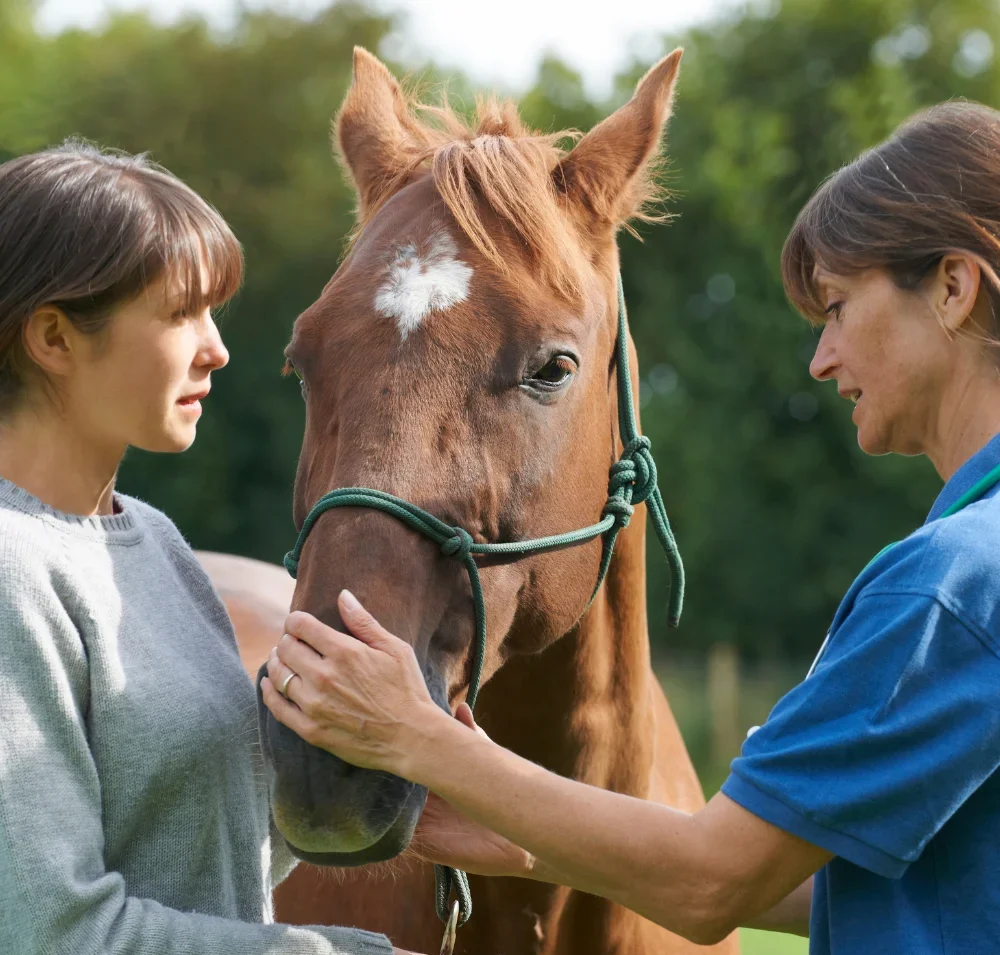
Your vet will check temperature and palpate the submandibular and retropharyngeal areas for the characteristic swelling, alongside these testing options:
- PCR testing — detects bacterial genetic material, results within hours, effective even before obvious signs appear.
- Bacterial culture — a nasal or abscess swab grown in a lab, highly specific but takes 24-48 hours.
- Blood (serology) testing — measures antibody levels, useful for identifying possible carriers or past infection.
- Endoscopy — direct visualisation of the guttural pouches, particularly valuable for confirming carrier status.
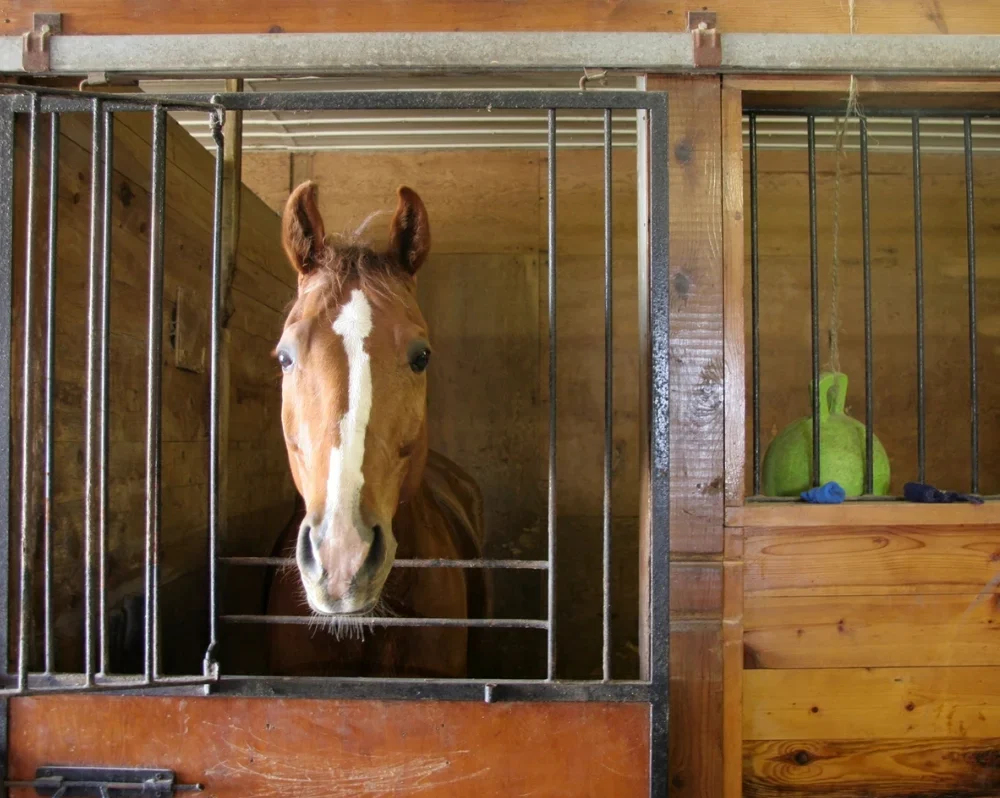
Containment: Acting Fast
The moment a horse shows suspicious signs, isolation matters more than almost anything else you’ll do.
Isolate Immediately
Move the suspect horse well away from others — ideally a separate barn, or at minimum a solidly partitioned stall preventing nose-to-nose contact. Use dedicated equipment, feed, and water for that horse alone, and monitor temperature twice daily across the rest of the yard.
Biosecurity While Managing an Outbreak
- Work clean-to-dirty. Handle unaffected horses before any suspected or confirmed cases, never the reverse.
- Dedicate equipment — separate buckets, tack, and cleaning tools for isolated horses, ideally colour-coded to prevent accidental cross-use.
- Disinfect thoroughly. Remove all organic matter first, then disinfect surfaces, water containers, and equipment — bacteria on a dirty surface are protected from most disinfectants.
- Quarantine new arrivals for a minimum of three weeks, monitoring temperature daily throughout.
Treatment
This is the part that surprises a lot of owners: antibiotics aren’t automatically the answer.
Why Antibiotics Aren’t Always Used
In many straightforward cases, letting the disease run its natural course under supportive care leads to a better outcome than antibiotics — early antibiotic use can sometimes interfere with the horse building full immunity, or delay abscess maturation. Your vet will typically reserve antibiotics for horses caught very early before abscesses form, cases with severe systemic illness, complications like bastard strangles, or young foals and elderly horses at higher risk.
Supportive Care
- Soft, palatable feed and easy access to fresh water, since swallowing is often painful.
- NSAIDs such as phenylbutazone or flunixin meglumine, under veterinary guidance, to manage fever and discomfort.
- Hot compresses to help mature abscesses, followed by careful cleaning once they’ve drained.
- A clean, well-ventilated stable, protected from temperature extremes.
Possible Complications
Most horses recover fully with supportive care alone, which is exactly why fast containment matters — the complications are what turn a manageable illness into something serious.
- Bastard strangles — internal abscesses forming in the chest or abdomen rather than the usual lymph nodes, a more serious and harder-to-treat presentation.
- Airway obstruction — in rare severe cases, swollen lymph nodes can compress the upper airway.
- Purpura haemorrhagica — an uncommon immune-mediated reaction that can follow strangles, causing swelling and bleeding under the skin and requiring prompt veterinary treatment.
Recovery and Confirming Clearance
Recovery typically takes three to six weeks. Signs of successful recovery include a normal temperature sustained for at least a week, fully healed abscesses, a return of normal appetite, and clear nasal passages.
Don’t Skip This Step
Before a horse is considered fully clear, current guidance recommends guttural pouch endoscopy and lavage, alongside three consecutive negative PCR tests taken at weekly intervals. A horse that “looks fine” can still be shedding bacteria — this is what carrier status looks like from the outside.
Return to Activity
- Week 1: Limited turnout alone, away from other horses.
- Week 2: Light exercise begins, watching closely for fatigue or laboured breathing.
- Week 3: Exercise intensity increases gradually.
- Week 4: Careful reintroduction to the herd, with continued observation.
Prevention
Vaccination
Injectable and intranasal vaccines are both available and considered risk-based rather than universal — appropriate for horses with meaningful exposure risk, decided in conversation with your vet. No vaccine offers complete protection, and vaccination is generally avoided during an active outbreak on the property.
Biosecurity as Ongoing Practice
- Quarantine every new arrival for at least three weeks, monitoring temperature daily.
- Test before mixing groups that have previously been kept separate, particularly after any known exposure.
- Maintain good spacing and ventilation as a standing yard practice, not just during an outbreak.
- Train everyone handling horses on basic hygiene between horses — hands, clothing, and equipment all carry bacteria.
Common Mistakes Horse Owners Make
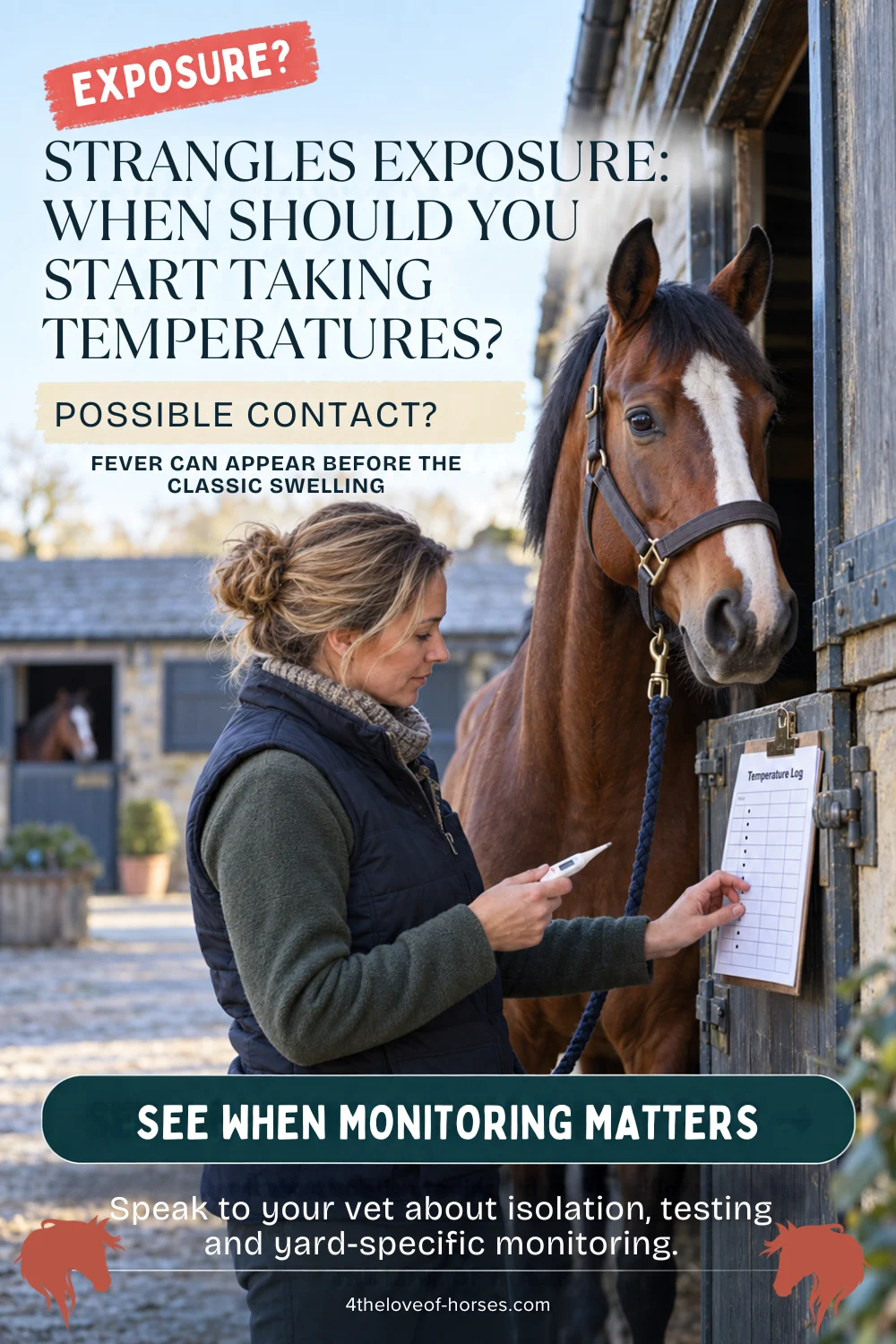
- Waiting for the classic swollen jaw before isolating, when fever is often the earliest and sometimes only early sign.
- Assuming recovery once the horse “looks fine.” Without proper testing, a clinically normal horse can still be a shedding carrier.
- Reaching for antibiotics automatically rather than discussing with your vet whether supportive care is the better path for that specific case.
- Skipping quarantine for new arrivals because they “came from a good yard” — incubation means a horse can look completely healthy and still be carrying the disease.
- Relaxing biosecurity the moment symptoms clear, rather than following through on proper clearance testing.
Frequently Asked Questions
Is strangles fatal?
Rarely. Most horses recover fully with supportive care. Serious complications, particularly bastard strangles or airway obstruction, are uncommon but are why any suspected case deserves veterinary attention.
Can a horse get strangles more than once?
Yes, though most horses develop strong immunity after recovery that typically lasts several years — it isn’t guaranteed to be lifelong, and isn’t a substitute for biosecurity going forward.
How is strangles different from equine influenza or EHV?
All three can cause fever and nasal discharge, but strangles is bacterial rather than viral, and the swollen, sometimes-abscessing lymph nodes under the jaw are its most distinctive feature. Our guides to equine influenza and EHV cover how to tell them apart.
How long should a yard stay closed after an outbreak?
Quarantine periods typically run a minimum of four to six weeks, and reopening should be guided by clearance testing rather than a fixed calendar date alone.
Strangles moves fast, but a horse isolated at the first sign of fever — before the swelling even appears — has the best odds of a straightforward recovery and a yard that never sees a second case.
Free Vet Emergency Reference Card
Keep the warning signs and vet contact template on hand before you need them.
Download Free →Related Horse Illnesses
Sources: AAEP Infectious Disease Guidelines: Streptococcus equi