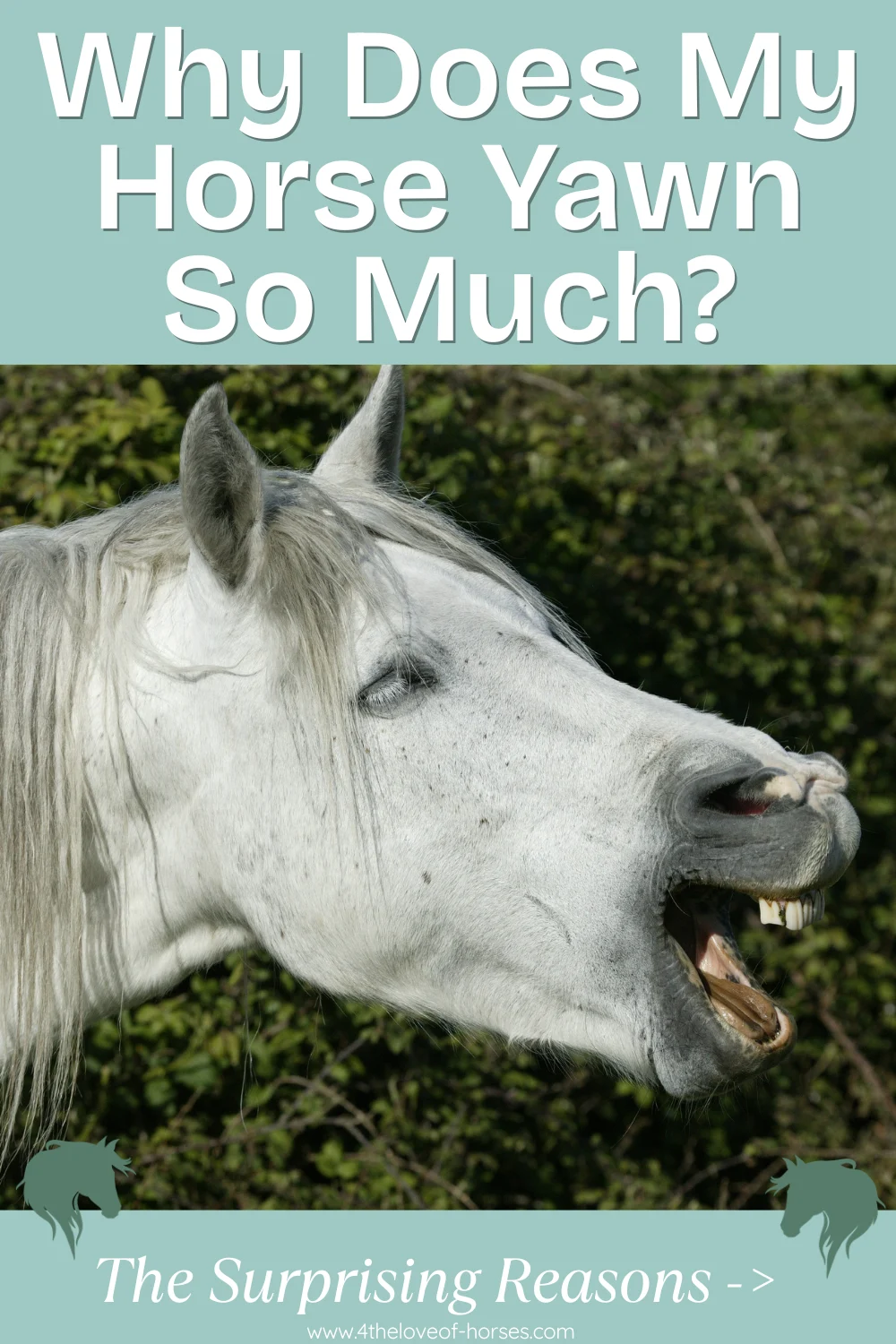
Why Does My Horse Yawn So Much?

The Surprising Reasons
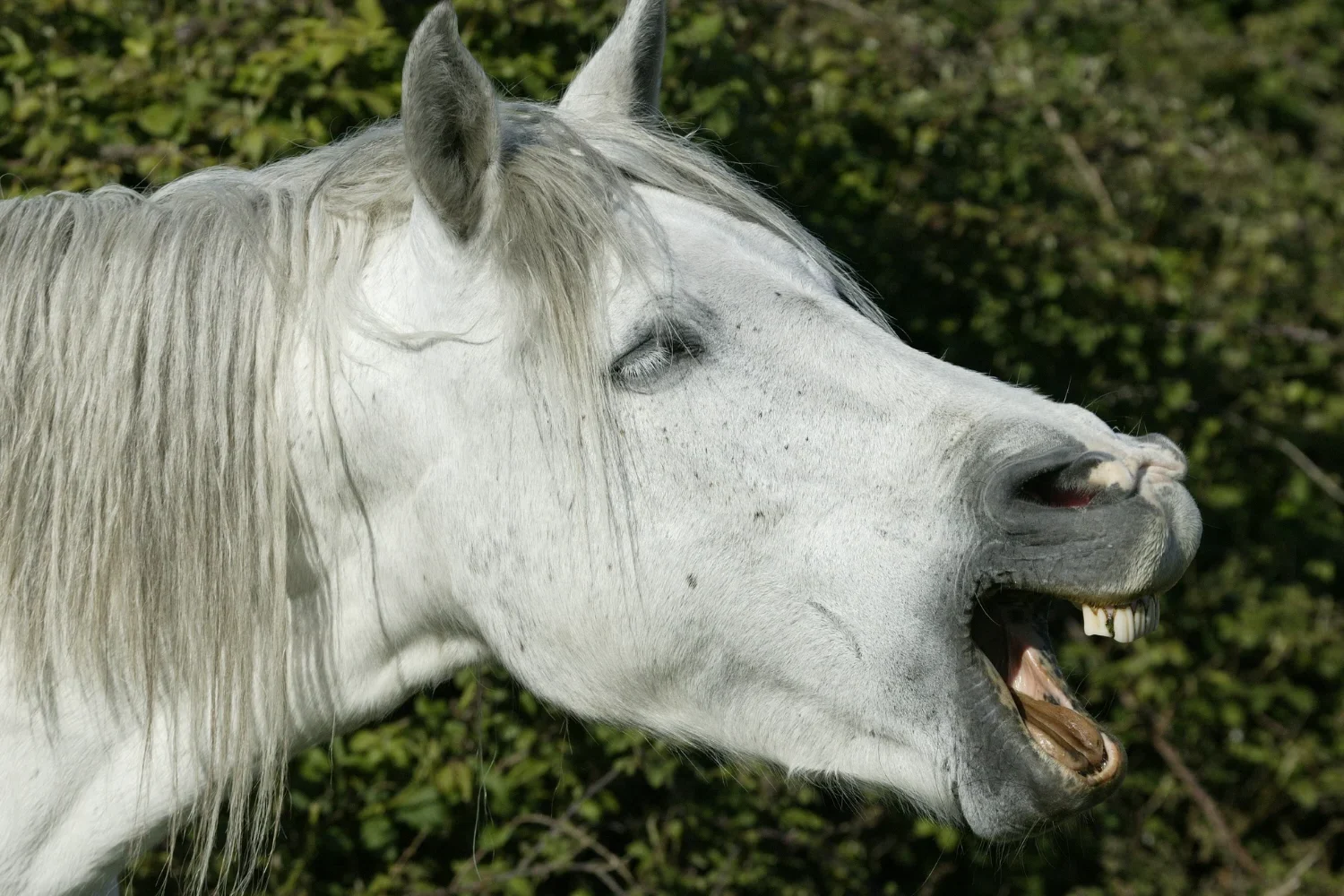
If your horse seems to be yawning constantly — especially after work, during grooming, or while standing in the stable — it’s natural to assume he’s just sleepy. But after 45+ years around horses, I can tell you that excessive yawning rarely has anything to do with tiredness. It’s actually one of the more interesting pieces of body language your horse offers, and it can point to everything from stress relief to physical discomfort worth investigating.
Yawning Isn’t About Sleep
Unlike humans, horses don’t yawn primarily because they’re tired. Horses are built to sleep standing up in short bursts, and their yawning patterns don’t follow the same triggers ours do. When you see a horse yawn repeatedly, especially in clusters, it’s worth paying attention to what’s happening around them and how their body looks while they do it — ears, eyes, and overall posture all add context to the yawn itself.
What’s Normal vs What’s Not
A horse yawning once or twice while dozing in the sun, stretching after getting up, or settling after a ride is completely normal. What’s worth watching for is a change in pattern — sudden frequency, yawning at specific triggers, or yawning paired with other behaviour changes.
| Pattern | Likely Meaning |
|---|---|
| Occasional yawn while resting or waking up | Normal — no concern |
| Yawning right after tacking down, once relaxed | Tension release — positive sign |
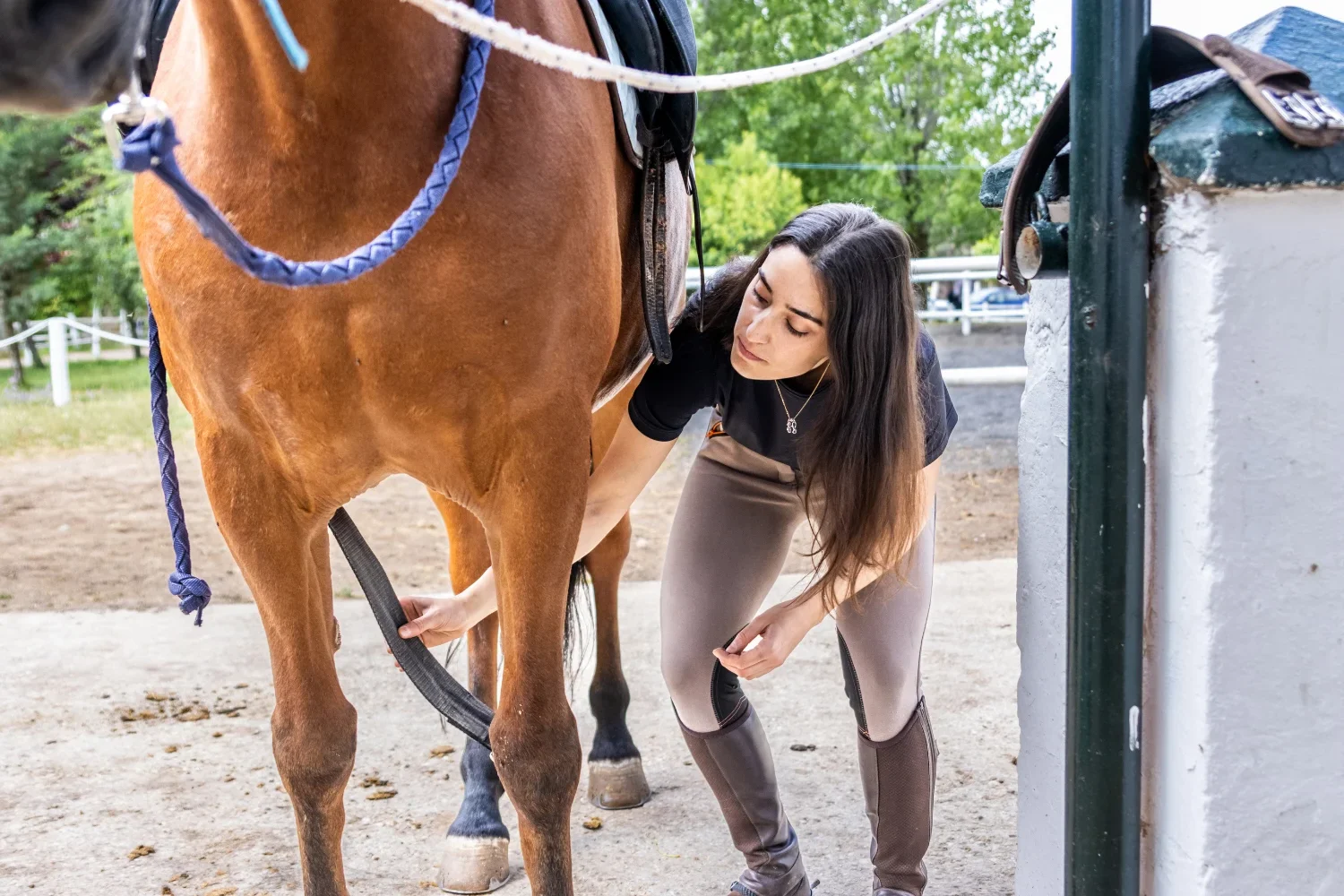
| Repeated yawning around girthing or saddling | Possible discomfort — worth monitoring |
| Sudden increase in frequency over days/weeks | Investigate — could signal pain or ulcers |
| Yawning + appetite changes, weight loss, dull coat | Vet check recommended |
1. Releasing Tension and Stress
One of the most common reasons horses yawn is to release built-up tension. You’ll often see this after a ridden session, particularly once the horse has relaxed and the saddle or girth has been loosened. The yawn is part of a parasympathetic “reset” — the nervous system shifting from work mode back into rest mode. This kind of yawning is usually a good thing; it means your horse is processing and letting go of the session.
2. Ulcer Pain and Digestive Discomfort
This is the one most owners don’t expect. Frequent yawning, especially combined with other subtle signs like girthiness, poor appetite, weight loss, a dull coat, or mild colic-like episodes, can be linked to gastric ulcers. The exact mechanism isn’t fully understood, but vets commonly note increased yawning in horses being treated for ulcers, and it often decreases noticeably once treatment begins.
What makes ulcer-related yawning tricky is that it’s often the first sign owners notice — long before the more “classic” symptoms appear. If your horse has recently started a new training programme, travelled more than usual, or had a change in diet or routine, increased yawning is worth flagging early rather than waiting to see if other signs develop.
3. Jaw, Teeth, and TMJ Discomfort
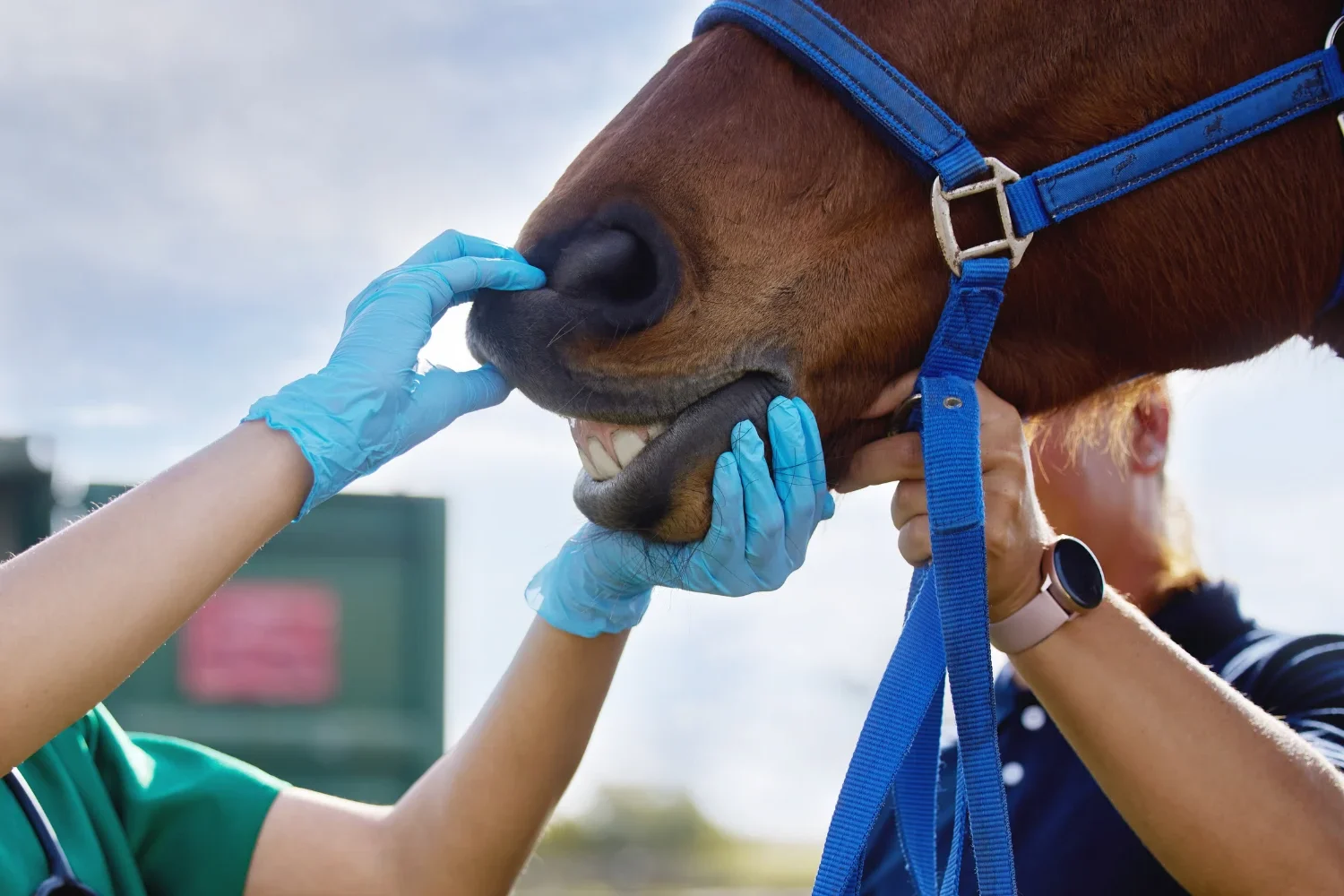
Horses use their jaw muscles constantly — for eating, for carrying the bit, and for general tension management. Dental issues, sharp points, or discomfort in the temporomandibular joint (TMJ) can all show up as repeated yawning, almost as if the horse is trying to stretch and reset the jaw. This is especially worth considering if the yawning seems to coincide with bridling, bitting, or shortly after a ridden session where the horse was carrying contact.
Routine dental checks (at least annually, more often for younger and older horses) are one of the simplest ways to rule this out. If yawning is new and your horse is also tilting his head while eating, dropping feed, or resisting the bit more than usual, dental discomfort is a strong possibility.
4. Social and Herd Communication
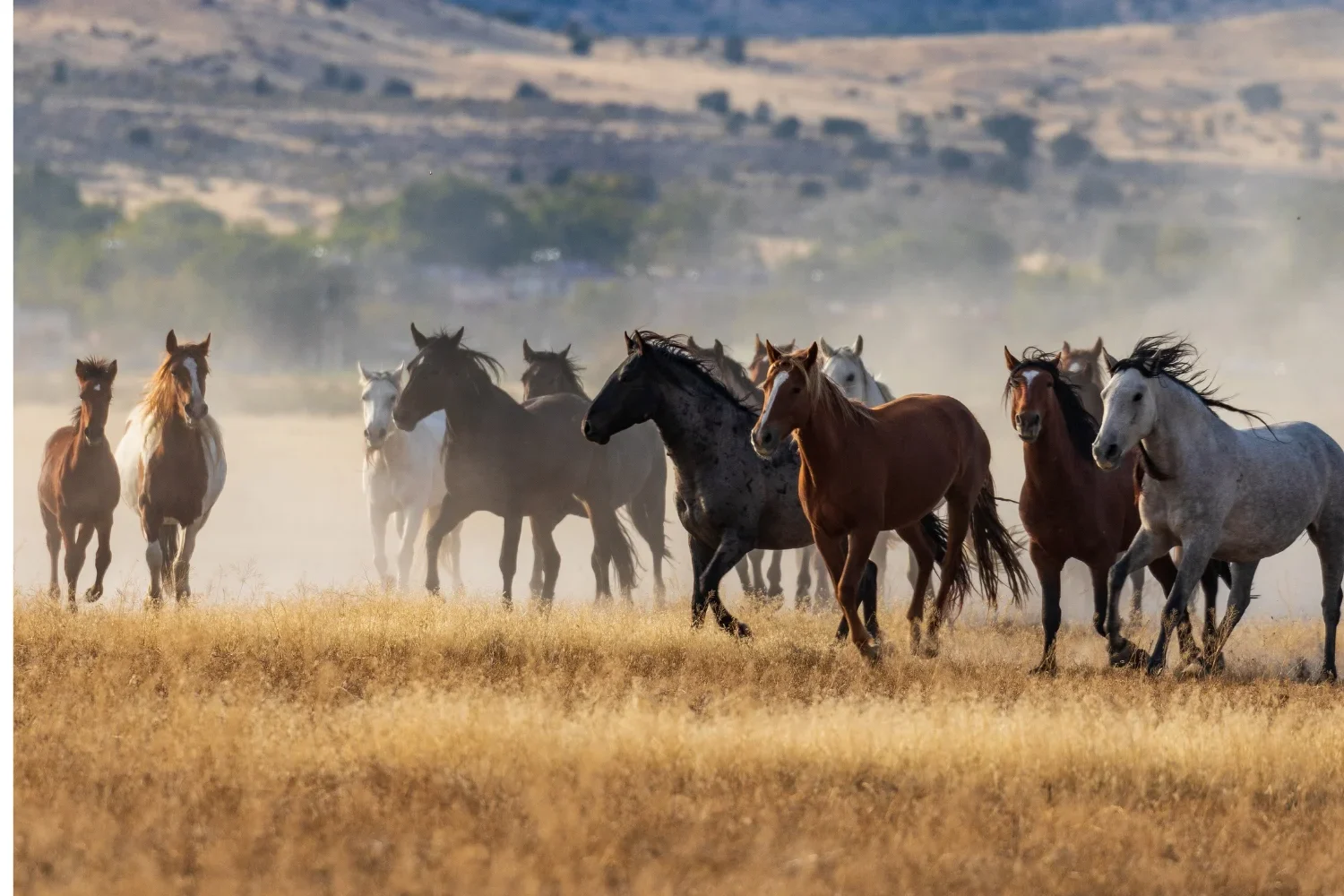
Yawning can also be contagious among horses, much like it is in humans and dogs. In a herd setting, one horse yawning can trigger a wave of yawning among others nearby. This is thought to be linked to social bonding and shared emotional states — a subtle form of herd synchrony that researchers have observed across several social species, including horses.
5. Heat, Discomfort, or Mild Pain Elsewhere
Some horses yawn more in hot weather or when something is generally “off,” even if the cause isn’t immediately obvious. It’s not usually the yawning alone that tells the story — it’s the pattern, the timing, and the company it keeps that matter most.
Yawning vs Other Mouth Behaviours
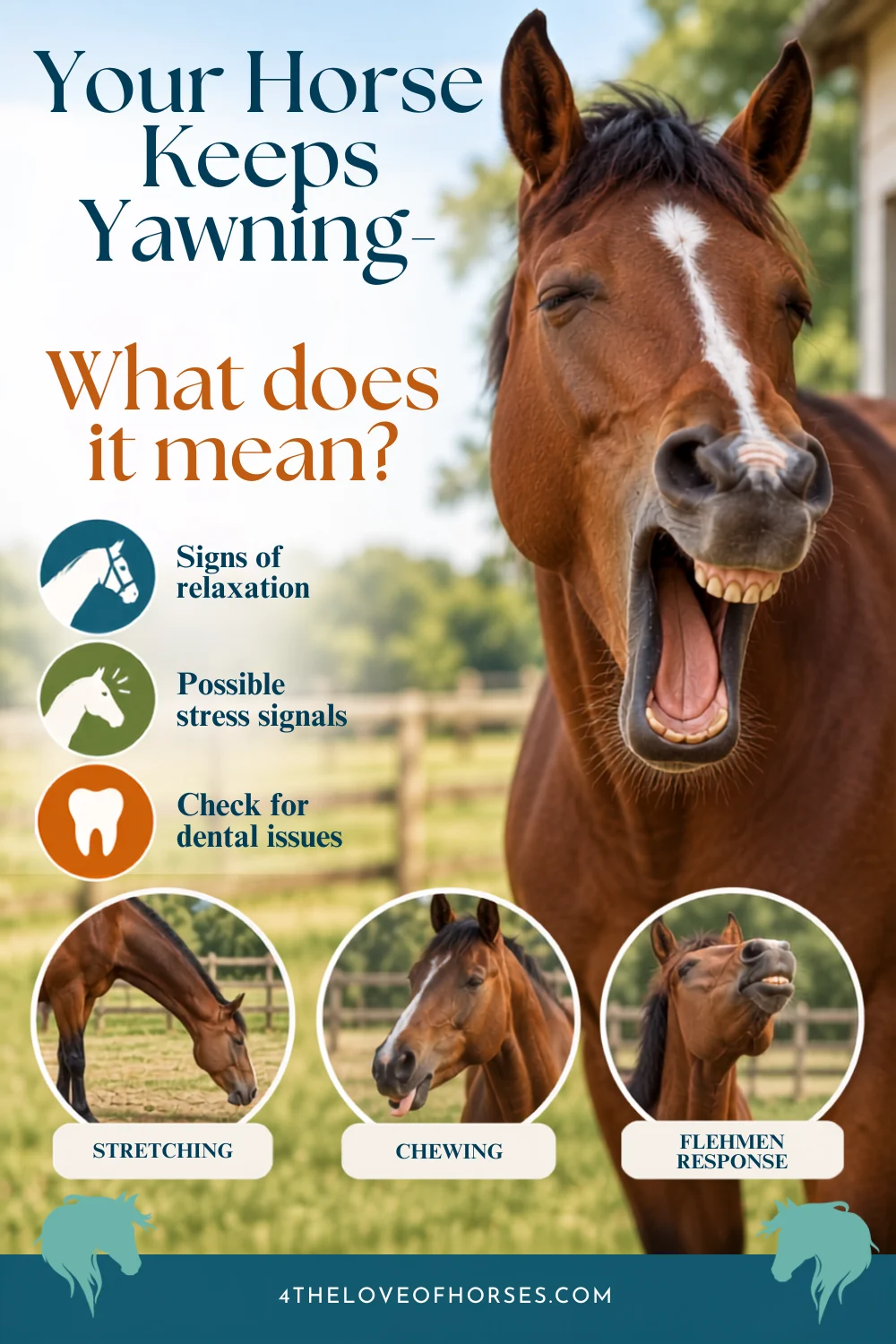
Yawning is sometimes confused with other mouth-related behaviours that mean very different things. Telling them apart helps you read your horse more accurately.
| Behaviour | What It Usually Means |
|---|---|
| Yawning | Tension release, possible discomfort, or social signal |
| Lip-licking and chewing | Processing/learning — common in training, generally positive |
| Flehmen response (curled upper lip) | Investigating a strong scent — not discomfort |
| Teeth grinding | Often pain-related — should be investigated promptly |
The Bottom Line
A yawn here and there is nothing to worry about — it’s a normal, healthy part of how horses regulate themselves. But if you notice a sudden increase in frequency, or yawning paired with other changes in behaviour or condition, it’s worth digging a little deeper. Your horse is telling you something — you just need to know how to listen, and to act early if something doesn’t add up.
Spot the Early Warning Signs
Yawning is just one of many subtle signals your horse gives before a small issue becomes a big one. Our free Horse First Aid Kit Checklist covers what to keep on hand, what to watch for, and your horse’s normal vital signs — so you’re prepared before you need to be.
Get the Free Checklist