Equine Herpesvirus (EHV): Symptoms, Risks and Prevention
Most horses carry EHV quietly their whole lives without a single symptom — but the same virus can turn a routine fever into a neurological emergency within days.
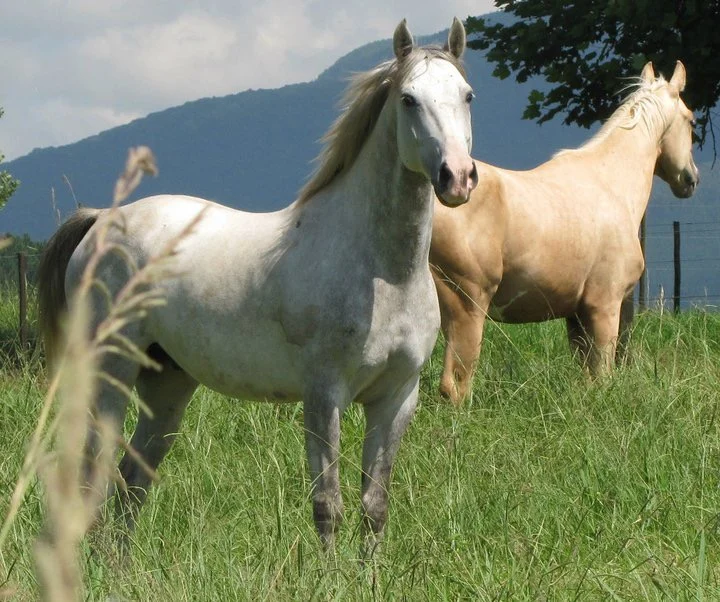
Zoom In came home from a show one November with nothing more than a slightly dull look about her and a temperature a degree over normal. Nothing dramatic. I isolated her anyway, the way I isolate any horse back from an event, logged her temperature twice a day, and by day four she was bright again and back with the herd. It never became anything more than that. But EHV is exactly the virus where that boring, unremarkable outcome is the best-case scenario, and the reason for the isolation in the first place — because the same infection, in a different horse or a worse week, can look completely different.
Free Vet Emergency Reference Card
Vitals, warning signs, and a vet contact template — ready before you need it.
Download Free →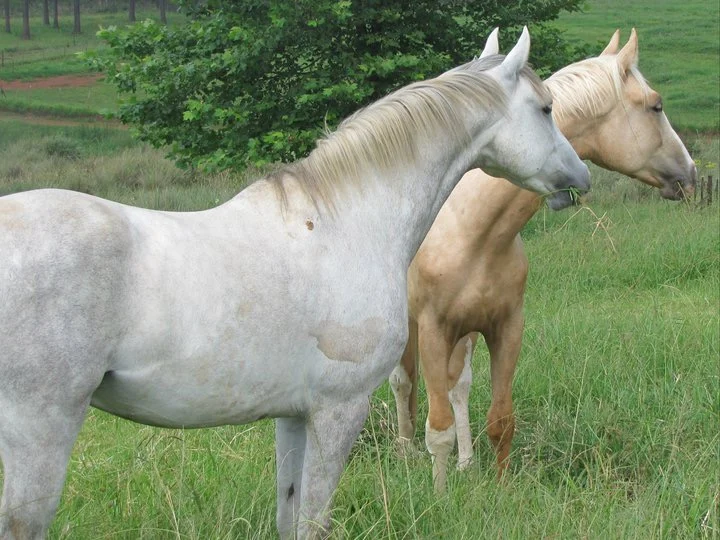
What EHV Actually Is
Equine herpesviruses are extremely common — most horses are exposed at some point in their lives, usually as foals, and many carry the virus quietly for the rest of their lives without ever showing signs of it. The two strains that matter most are EHV-1, which can cause respiratory disease, abortion in pregnant mares, and neurological disease, and EHV-4, which mostly causes respiratory illness and only rarely leads to abortion or neurological signs.
The detail that catches a lot of owners off guard is latency: a horse that recovers from EHV doesn’t clear it completely. The virus goes dormant and can reactivate later, particularly under stress — travel, competition, weaning, illness, a hard winter — sometimes with no visible signs at all, which is part of why it spreads so persistently through populations that look perfectly healthy.
How It Spreads
- Direct contact with nasal discharge, or aerosol droplets from coughing in shared spaces — aisles, arenas, trailers.
- Contaminated surfaces — shared stalls, water buckets, feed, tack, and transport vehicles can all carry the virus.
- People — hands, clothing, and equipment can move the virus from horse to horse without a single direct contact between them.
- Reactivation in carrier horses — a horse with no history of illness can begin shedding virus again under stress, without warning.
Recognising the Signs
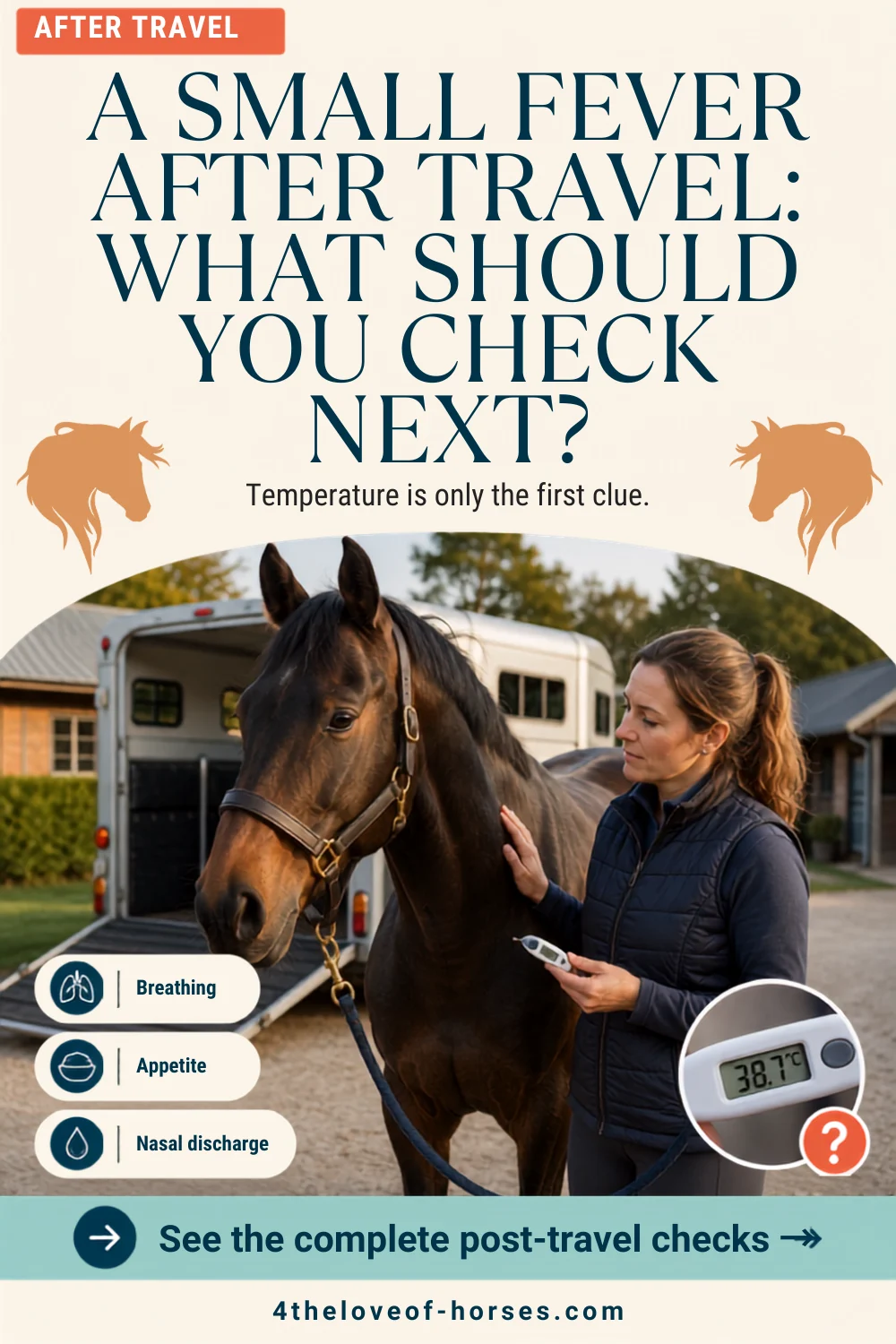
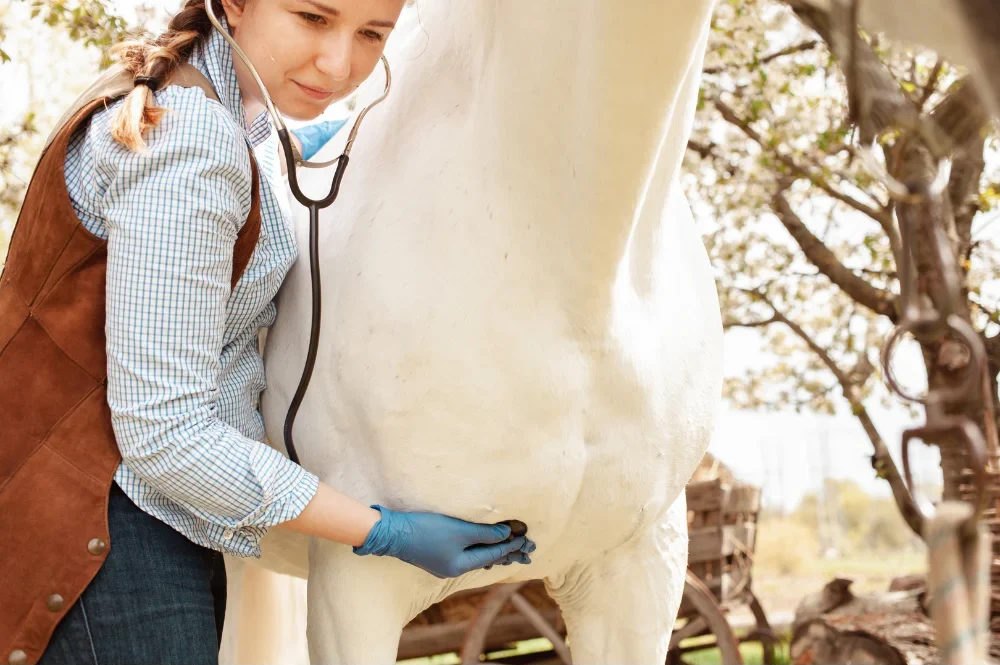
EHV’s fever pattern is a useful tell: it’s often biphasic — an initial spike around day 1-2, easing off, then a second rise around day 6-7 that often precedes the virus spreading through the bloodstream. Sometimes fever is the only sign an owner ever notices.
Respiratory Signs
- Fever, often in that two-phase pattern
- Nasal discharge, cough
- Lethargy, reduced appetite
- Swollen lymph nodes
Neurological Signs (EHM)
The neurological form — Equine Herpesvirus Myeloencephalopathy, or EHM — is comparatively rare, but it’s the reason EHV gets taken as seriously as it does.
Call the Vet Immediately
Hind-limb weakness or wobbliness, incoordination (ataxia), a limp tail, dribbling urine or loss of bladder control, or a horse that’s reluctant or unable to rise are all signs of possible EHM. This is not a wait-and-see situation — isolate the horse and call your vet straight away.
Reproductive Signs
In pregnant mares, EHV-1 can cause abortion, most often in late pregnancy (seven months or beyond, though occasionally earlier). Often there are no warning signs beforehand at all — abortion can occur anywhere from two weeks to several months after exposure, with the mare showing no signs of illness in between.
Diagnosis and Testing
Diagnosis is confirmed through PCR testing of a nasal swab and a whole blood sample. If a febrile horse with known exposure tests negative on the first round, current guidance is to retest 24-72 hours later, keeping the horse quarantined until those second results are back — a single negative test early on doesn’t rule EHV out.
Treatment
There’s no cure for the virus itself — treatment is entirely about supportive care while the horse’s own immune system does the work.
- Rest and monitoring — complete rest, with temperature checked at least twice daily throughout the illness.
- Anti-inflammatory medication to manage fever and discomfort, under veterinary guidance.
- IV fluids for horses that become dehydrated or, in EHM cases, need broader supportive care.
- Antibiotics only if a secondary bacterial infection develops — they have no effect on the virus itself.
- Antiviral medication may be used in exposed, high-risk horses to try to reduce the chance of progression to EHM, at your vet’s discretion.
Vaccination — What It Can and Can’t Do
Worth Knowing
EHV vaccination reduces nasal shedding and viremia, and lowers the severity of respiratory disease — but no available vaccine is proven to prevent the neurological form, EHM. Vaccination is a risk-reduction tool, not a guarantee.
Horses that travel frequently or mix with a lot of other horses are generally recommended to stay current on EHV vaccination, typically with boosters every six months. For mature, non-breeding horses with low exposure, intensive vaccination programs are less clearly beneficial, since serious respiratory disease from EHV becomes less common after about four years of age — this is genuinely a conversation to have with your vet about your specific horse’s exposure risk, not a one-size-fits-all schedule.
Biosecurity: The Real Prevention
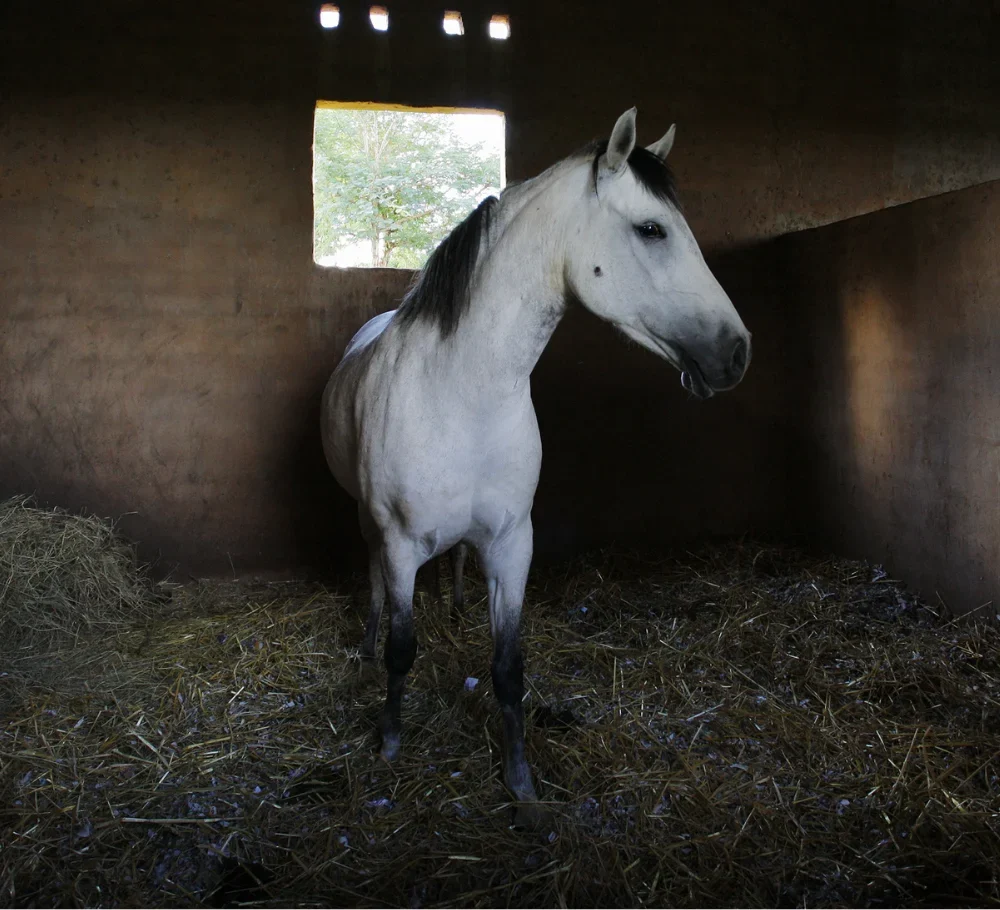
- Isolate every horse returning from a show, sale, or event — regardless of how it looked while away.
- Isolate new arrivals for at least two weeks before mixing them with resident horses.
- Take temperatures twice daily during any isolation period — fever is often the earliest, and sometimes the only, sign.
- Don’t share water, feed, or tack between horses, especially during any regional outbreak.
- Wash hands and change clothing between handling horses in different groups if you’re moving between them.
If There’s an Outbreak Nearby
EHV-1 is a reportable disease in most places, meaning confirmed cases get logged with animal health authorities and outbreak information is often published for the surrounding region. If there’s an active outbreak near you, it’s worth checking in with your vet before travelling to any event, and treating “no cases confirmed here yet” as a reason for caution rather than reassurance — there is no genuine all-clear while horses are mixing.
Common Mistakes Horse Owners Make
- Skipping isolation because the horse “looked fine” coming home. Incubation and biphasic fever mean early EHV is very easy to miss by eye alone.
- Assuming vaccination means no risk of EHM. It reduces shedding and respiratory severity — it isn’t proven to prevent the neurological form.
- Treating one negative PCR test as the final word in a horse with known exposure and a fever. Current guidance is to retest.
- Relaxing biosecurity once symptoms clear. Recovered horses can keep shedding virus for a week or more after they look better, and can reactivate shedding again later in life under stress.
- Waiting to see if mild wobbliness “gets worse” before calling the vet. Early neurological signs are exactly the moment fast action matters most.
Frequently Asked Questions
Is EHV the same as strangles or equine influenza?
No — different pathogens entirely, though early signs can look similar. Our guides to strangles and equine influenza cover how to tell them apart.
Can a vaccinated horse still get EHV?
Yes. Vaccination lowers shedding and respiratory severity, but it isn’t a guarantee against infection, and it isn’t proven to prevent EHM specifically.
My horse has been in isolation and seems totally normal — can biosecurity relax now?
Not immediately. Shedding commonly continues 7-10 days past the point symptoms resolve, sometimes longer, so isolation periods are built around that window rather than how the horse looks day to day.
Should I call the vet for a mild fever with no other signs?
Fever alone, especially in a horse with recent travel or new arrivals nearby, is worth a call — particularly given how often it’s the only early sign of EHV. Our guide on checking your horse’s vital signs covers what counts as a genuine fever versus normal variation.
EHV rewards boring, consistent biosecurity — the horses that get isolated every single time, no exceptions, are the ones least likely to turn a quiet fever into an emergency.
Free Vet Emergency Reference Card
Keep the warning signs and vet contact template on hand before you need them.
Download Free →Related Horse Illnesses
Sources: AAEP Infectious Disease Guidelines: Equine Herpesvirus 1 & 4