Why Do Horses Allow Us to Ride Them? The Real Answer

A horse can weigh six times what you do and outrun anything on two legs. So why does it accept a predator on its back? The answer is one of the most remarkable stories in the history of animals and humans.
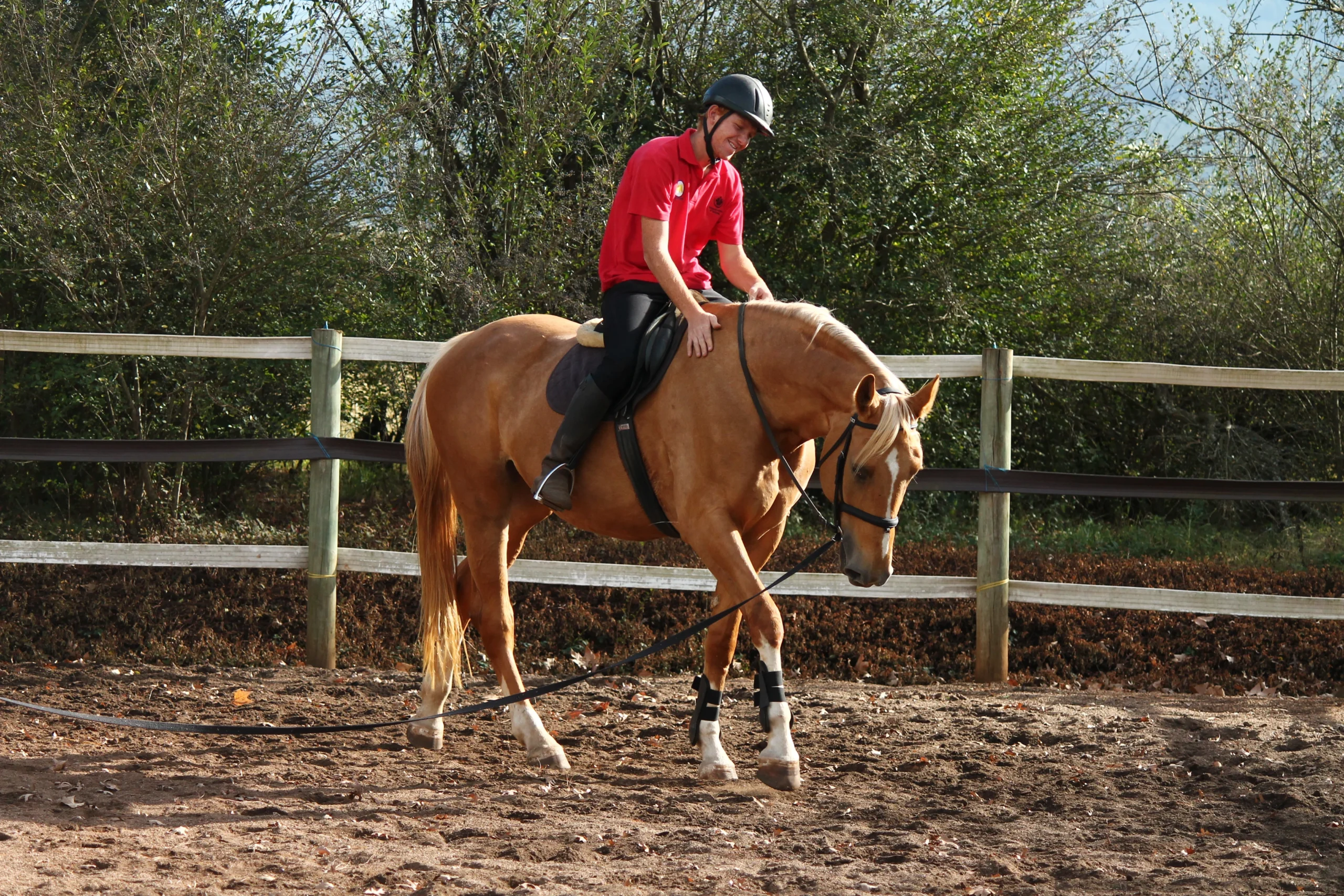
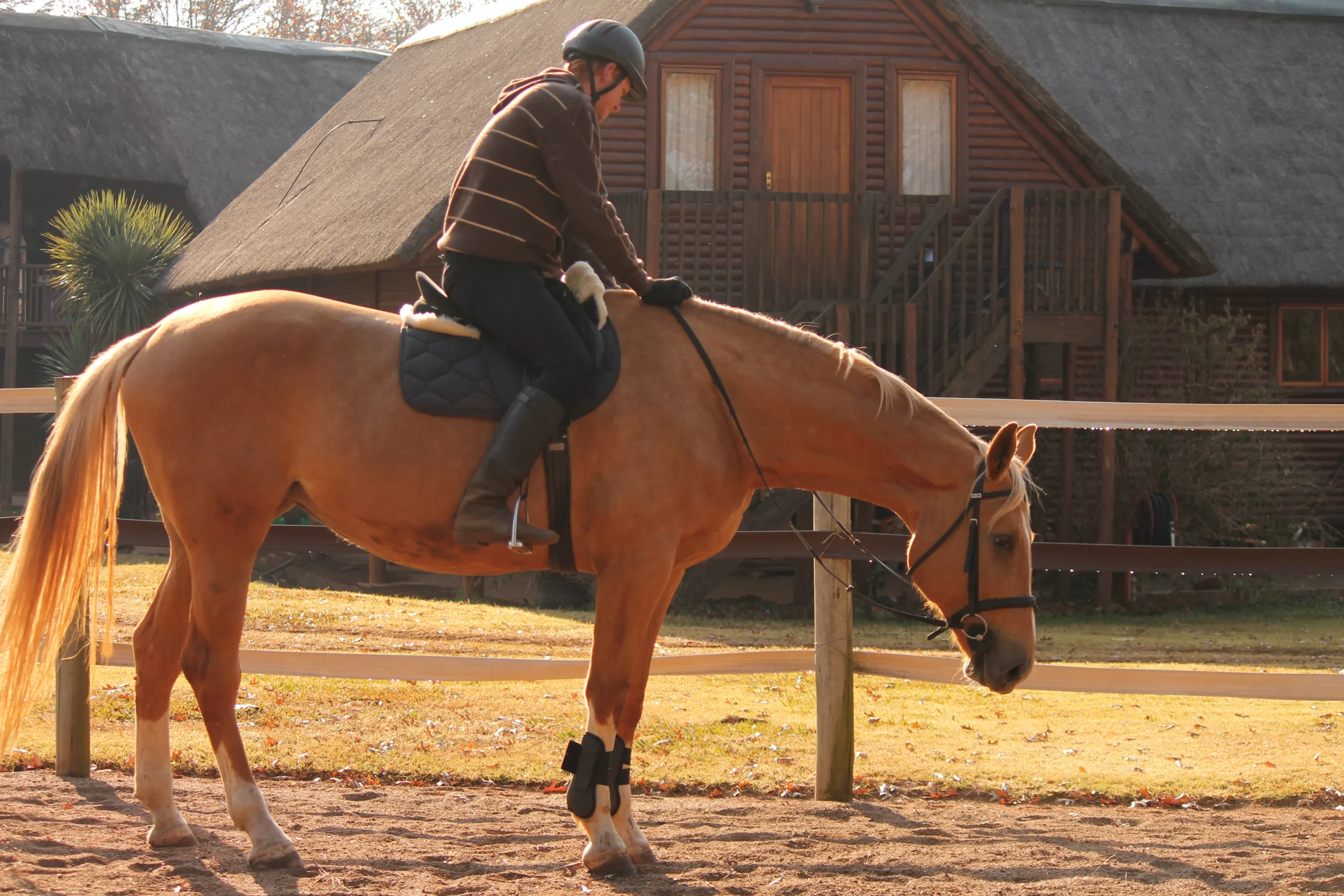
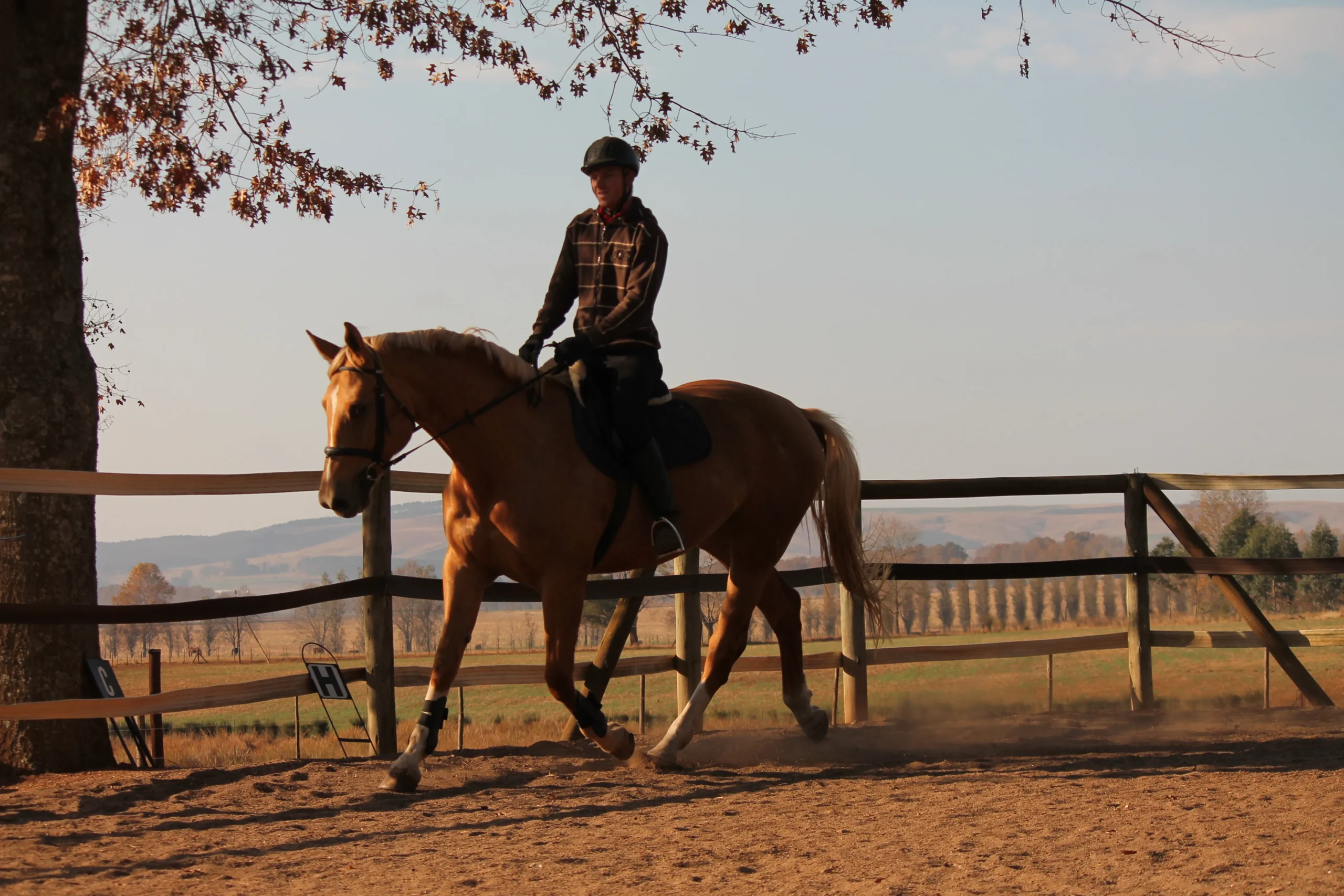
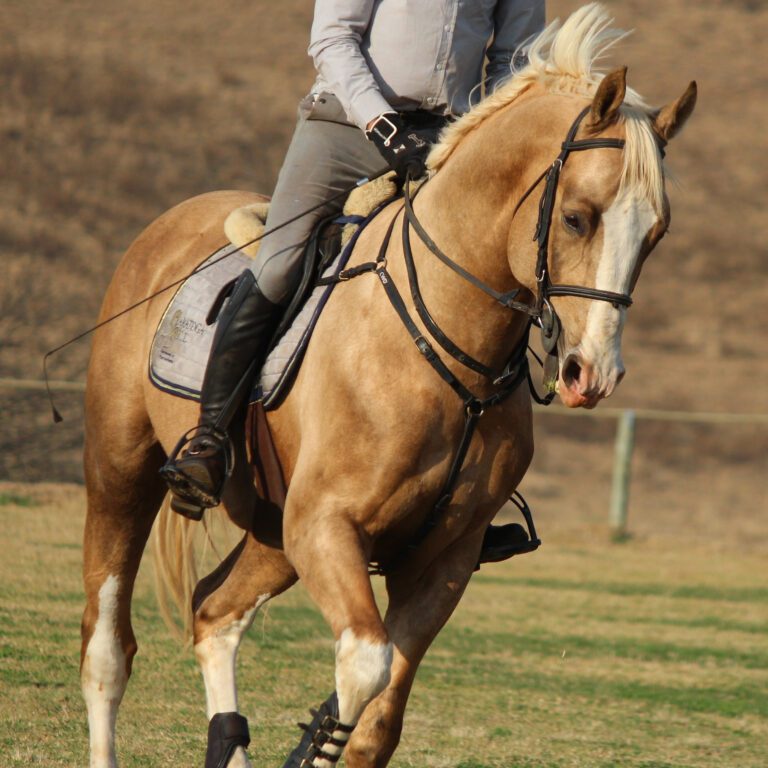
I have been on the back of a young horse for its very first ride more times than I can count now — horses I bred, foals I watched being born, youngsters I long-lined through their education until the day came to quietly lie across the saddle for the first time. And I can tell you the honest truth about that moment: the horse is making a choice. You can feel it. There is a heartbeat — sometimes literal, their heart thumping under your leg — where everything in their evolutionary history says throw this thing off and run, and instead they stand, and breathe, and accept.
Why they make that choice is a question worth taking seriously, because the answer changes how you ride, how you train, and how you think about the animal underneath you.
The Prey Animal Paradox
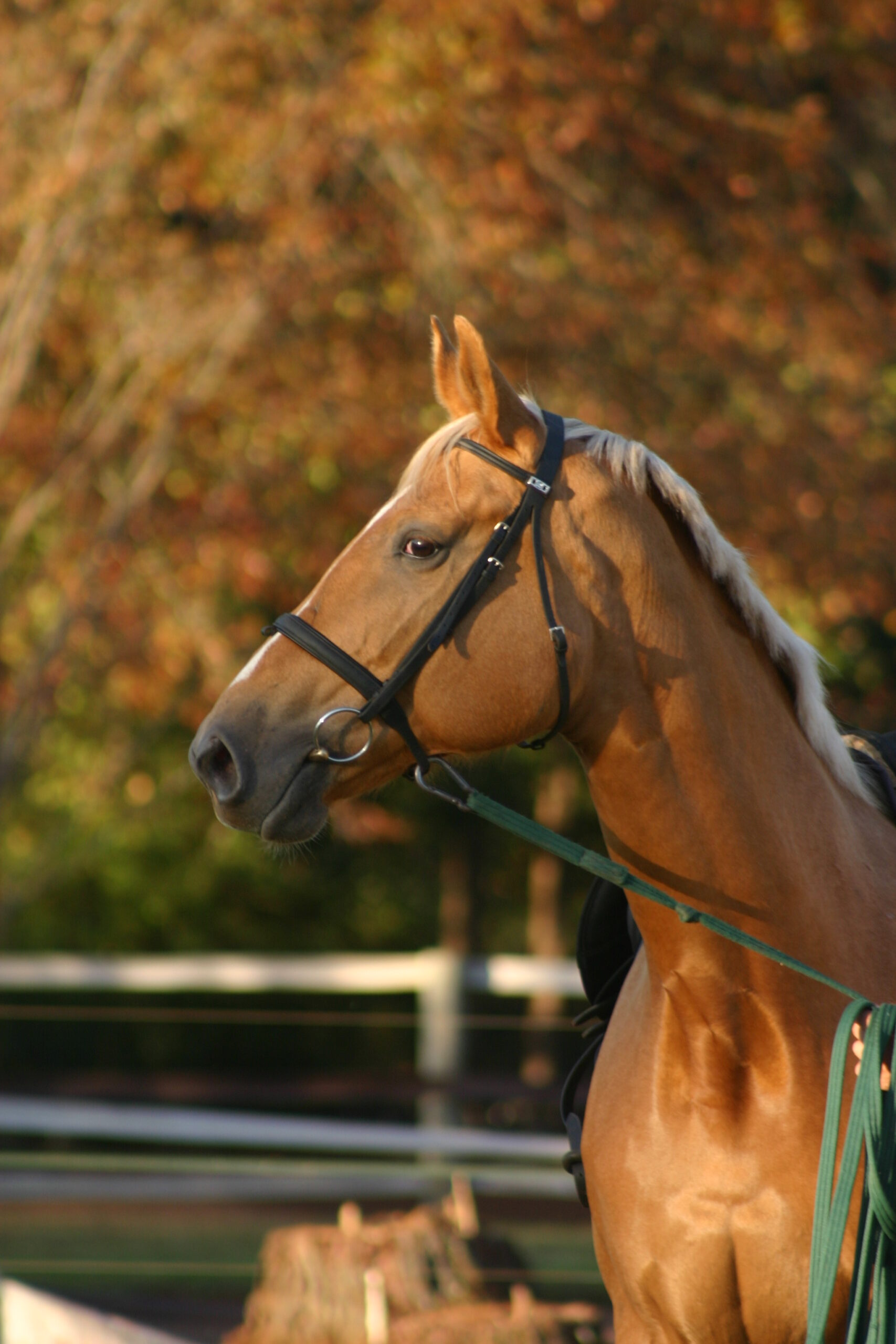
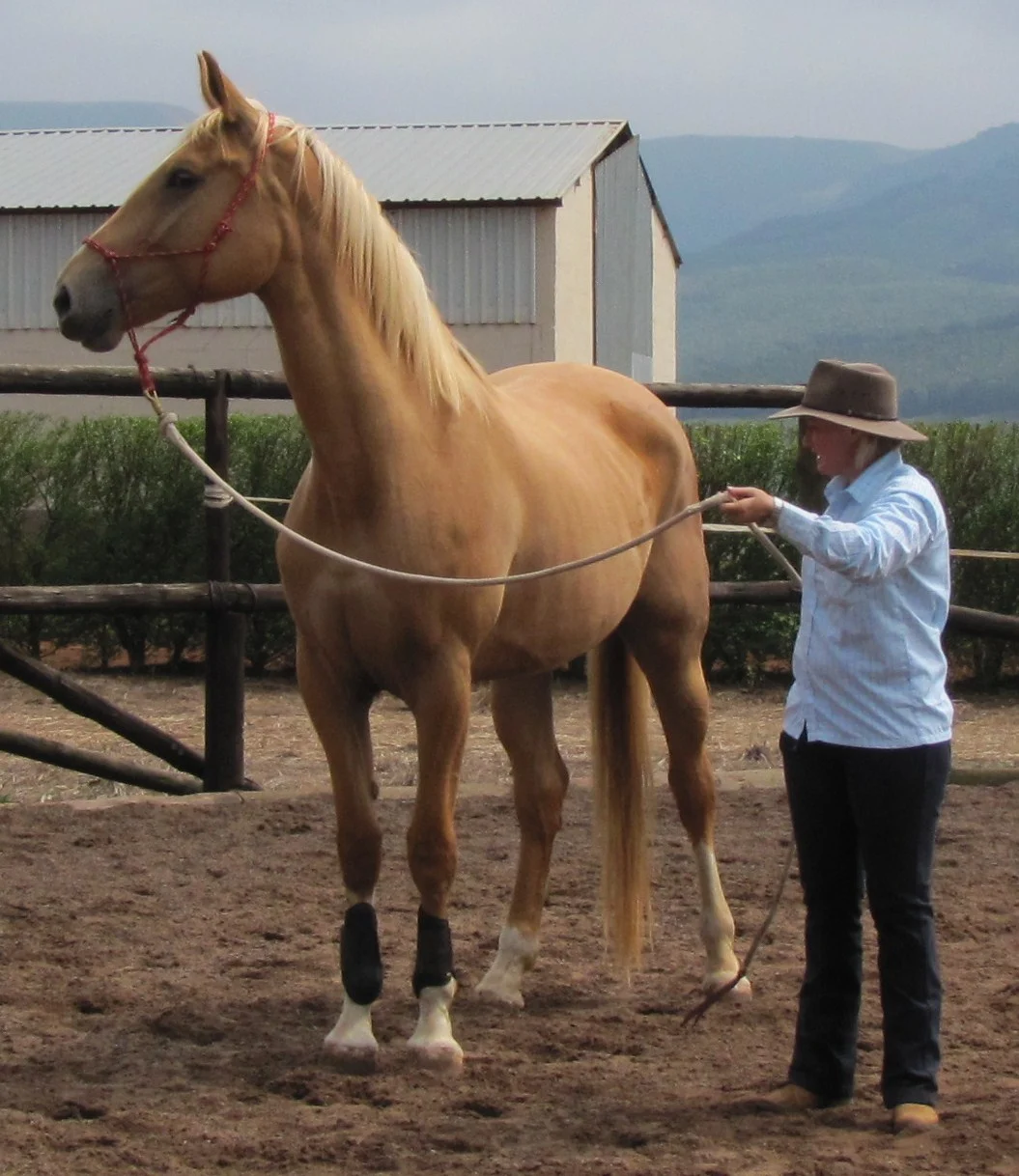
To understand how strange riding really is, you have to start with what a horse is built to be. Horses are prey animals, shaped by millions of years of being hunted. Their eyes sit on the sides of their heads for near-360-degree vision. Their instincts are tuned for flight first and questions later. And the single most dangerous place for a prey animal — the place where a lion lands — is on their back.
Everything about riding should trigger every alarm a horse has. Weight on the spine. A creature above and behind their field of vision. Pressure around the ribcage. By rights, no horse should ever tolerate it.
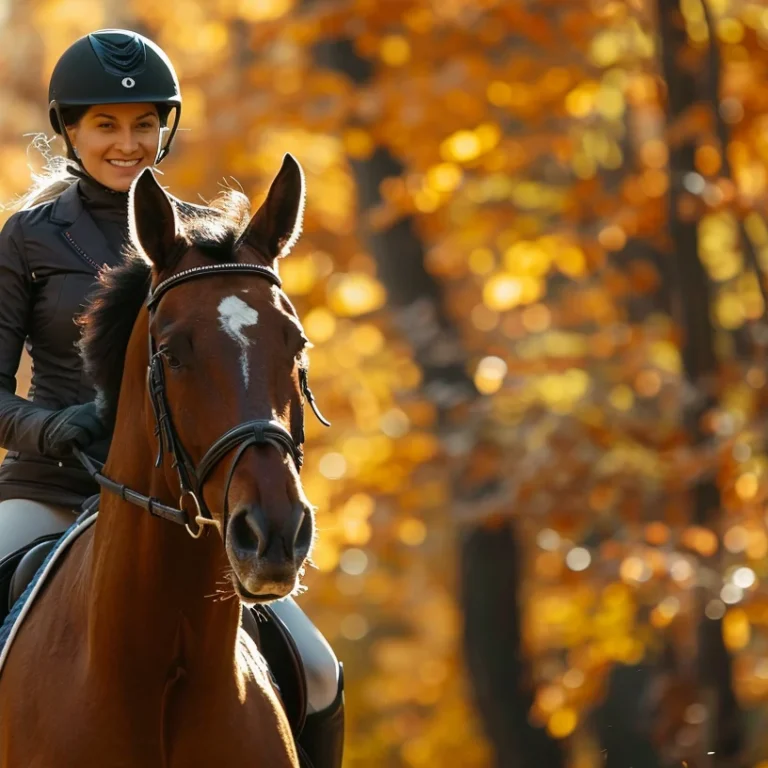
And yet they do — willingly, calmly, sometimes with what looks unmistakably like enjoyment. That paradox is the whole story. Something in the horse’s nature, and in the long history between our two species, overrides the oldest instinct they have.
Six Thousand Years of Partnership
Horses were domesticated on the steppes of Central Asia somewhere around 3500–4000 BC — first for meat and milk, then for pulling, and eventually for riding. From that point on, humans have been selecting horses for one trait above almost all others: willingness to work with us. The horses that panicked, fought, or refused didn’t get bred from. The ones that accepted, cooperated, and stayed calm did.
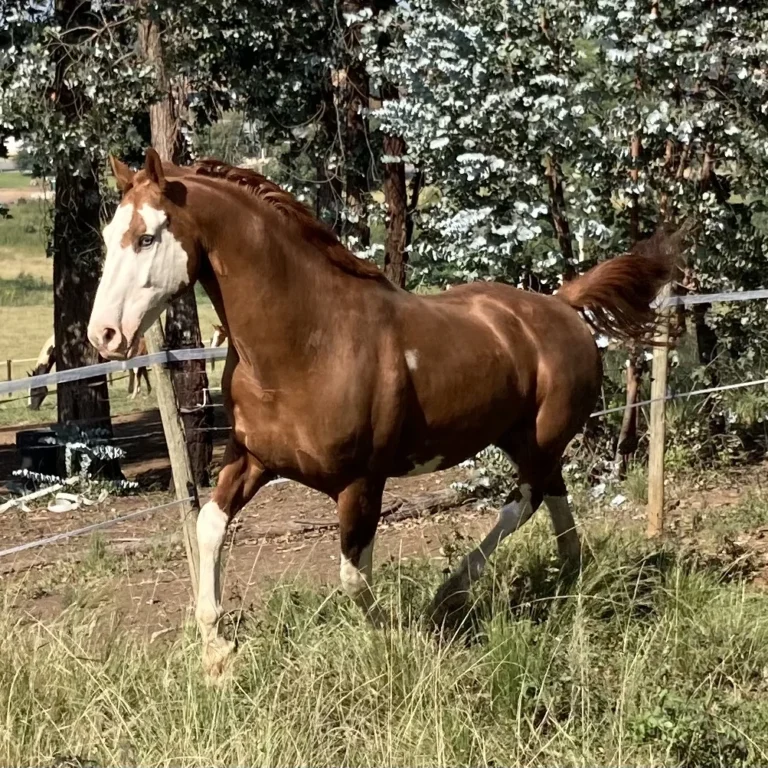
Six thousand years of that selection has produced an animal genuinely different from its wild ancestors — not tame in the sense of broken, but predisposed to partnership. The modern horse arrives in the world carrying generations of inherited tolerance for human contact. Watching a foal that is days old approach a person with curiosity rather than fear, you are seeing that inheritance at work. If you’re interested in how deeply breeding shapes temperament, our guide to behavioural traits across breeds goes further into it.
Worth Knowing
Domestication gave us a horse predisposed to accept humans — but predisposed is not the same as automatic. Every individual horse still has to be taught, gently and progressively, that a rider is safe. That work is done fresh with every single horse, every generation.
The Herd Instinct — Why Leadership Matters to a Horse
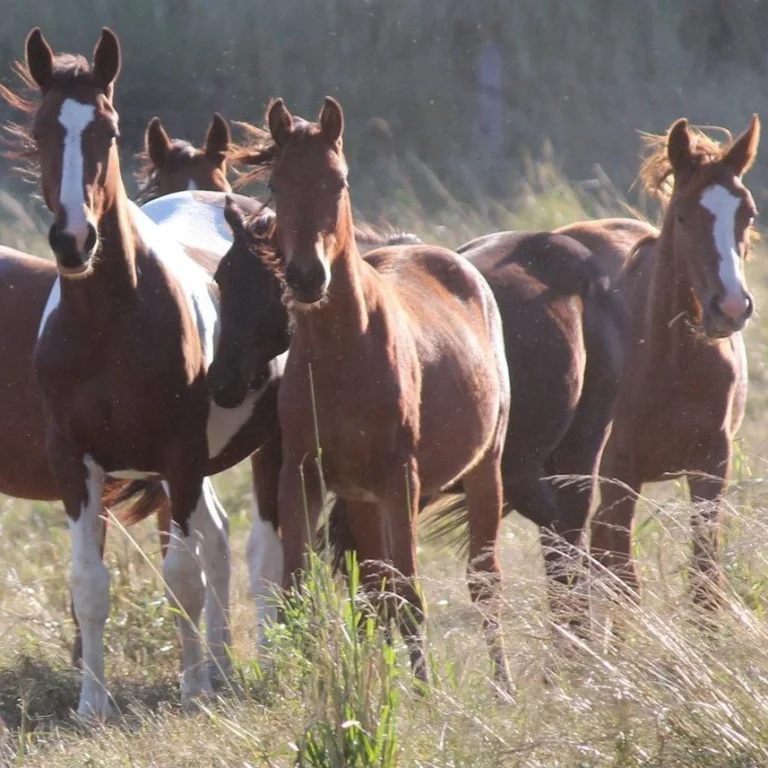
The second piece of the answer lives in how horses organise themselves. Horses are profoundly social animals. In a herd, safety comes from the group, and calm comes from trusting the animals around you — particularly the experienced individuals whose judgement the herd relies on. A horse that trusts its herd doesn’t need to assess every rustle in the grass itself; it reads the body language of the others and takes its cue from them.
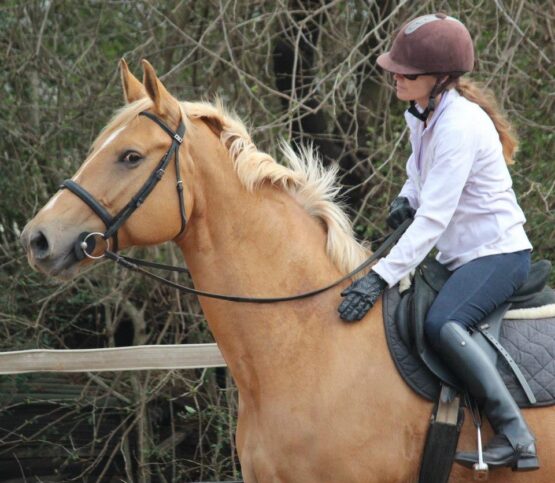
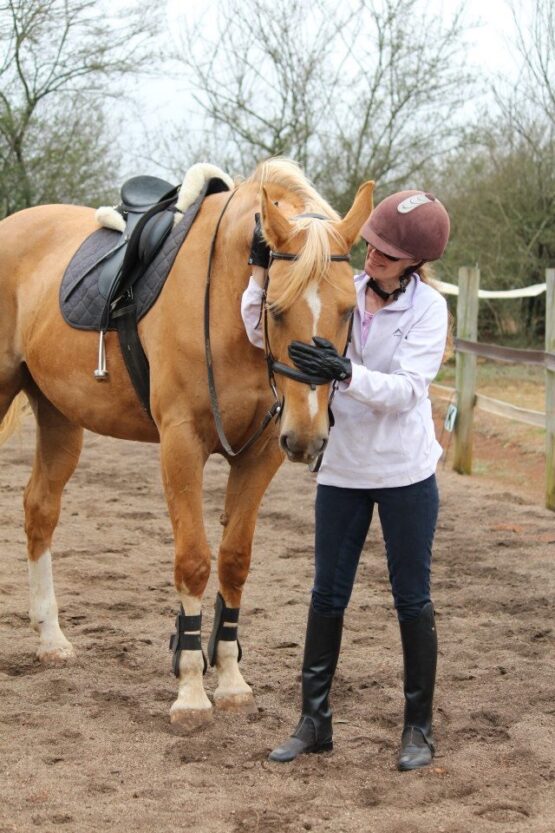
When a horse accepts a human, it extends that same social framework to us. We become, in effect, a herd member — and if we handle ourselves well, a herd member whose judgement can be trusted. This is why your emotional state travels down the reins so directly. A tense, anxious rider is telling the horse there is something to fear here, in exactly the language the horse is built to read. A calm rider is saying the opposite. Our guide to equine body language covers this two-way conversation in detail — because the horse is reading you every moment you are reading them.
Trust Is Built, Not Assumed
This is where my own experience makes me push back gently on the way this question is usually answered. People sometimes talk about domestication and herd instinct as if they fully explain riding — as if the horse is simply wired to accept us and the rest is mechanical. That is not what it feels like from the back of a young horse on day one.
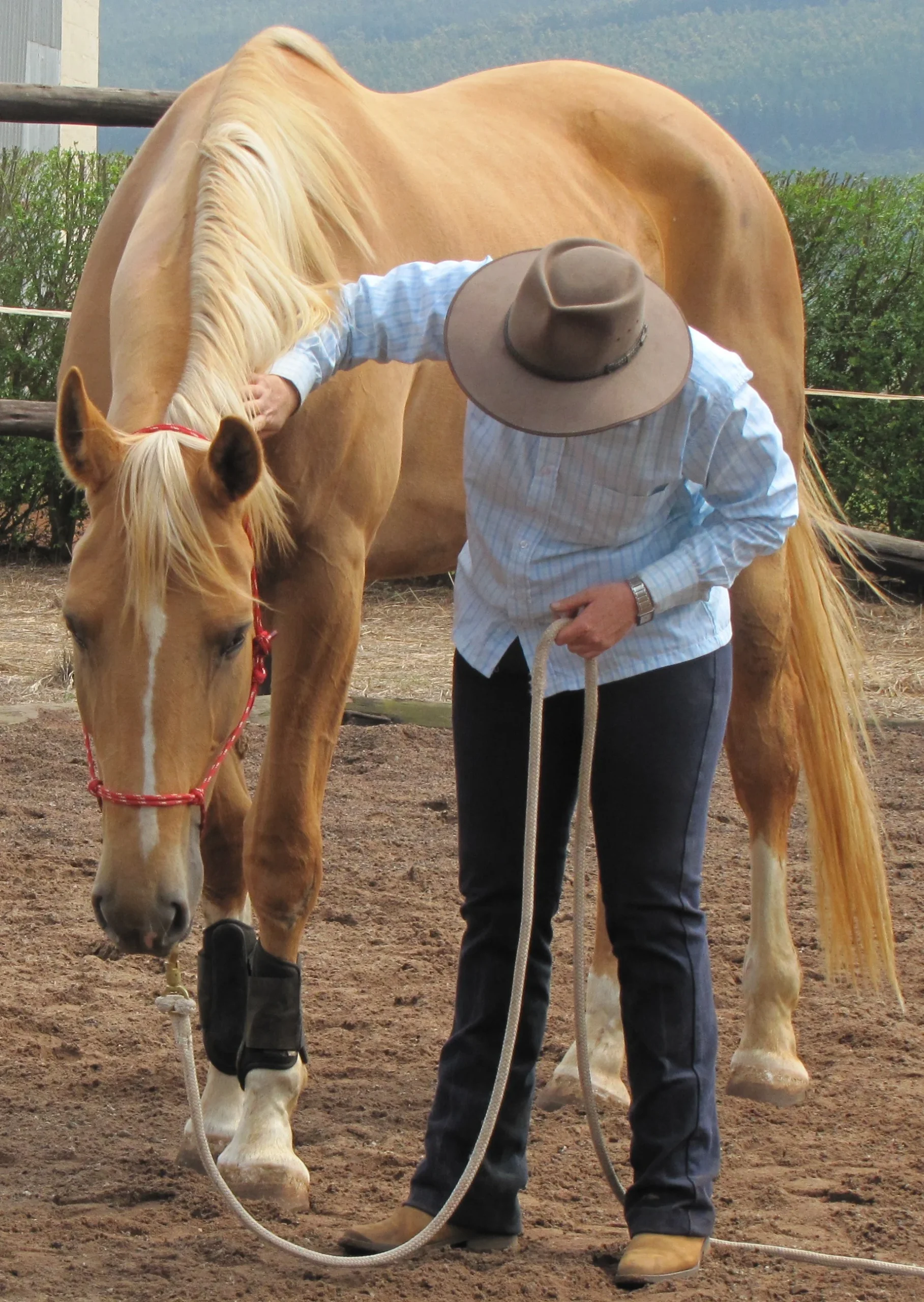
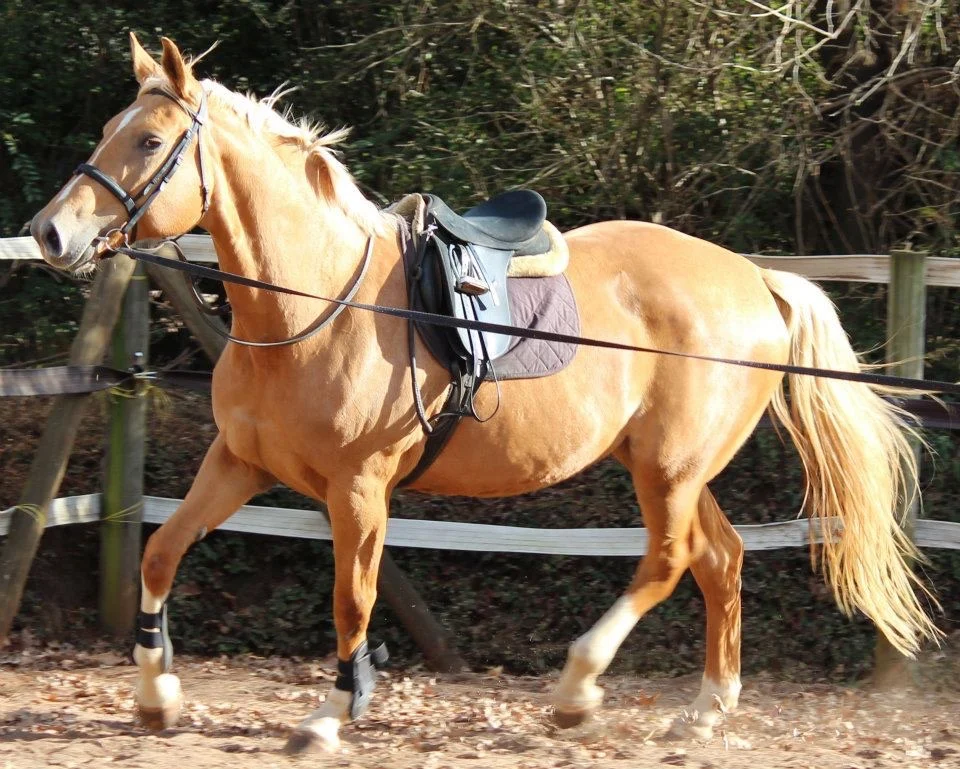
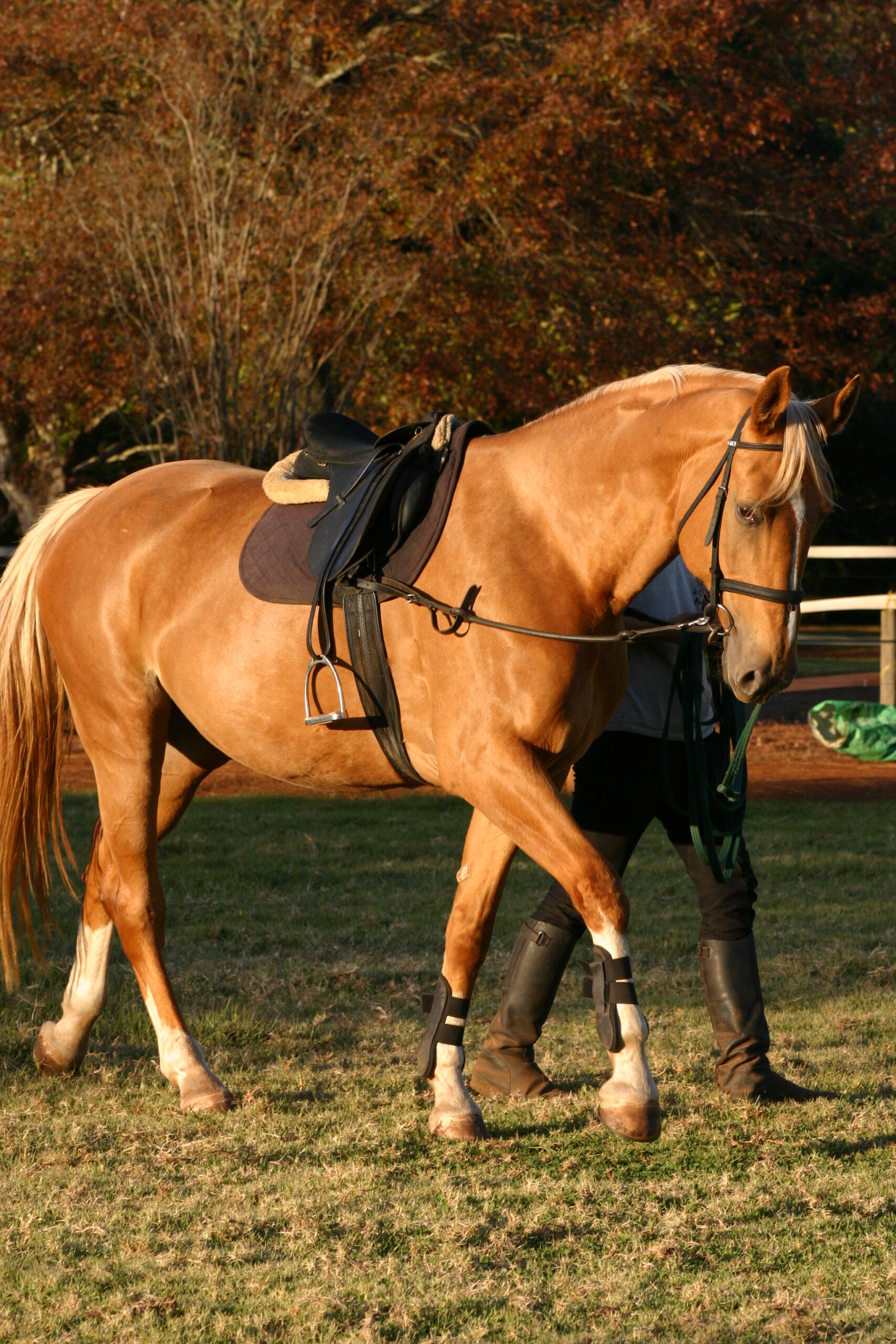
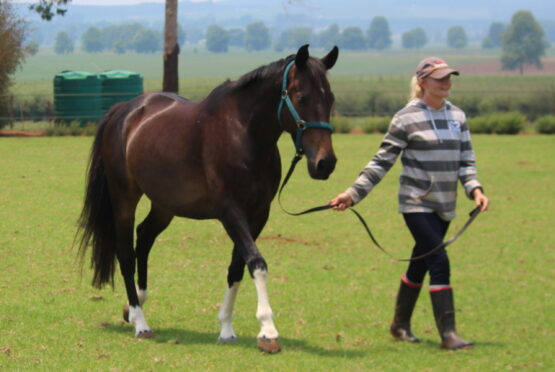
What it feels like is a negotiation that has been going on for months before you ever sit in the saddle. Every groundwork session, every quiet grooming, every time you asked for something small and rewarded the try — all of it was a deposit into an account you are now drawing on. The horses I have started that accepted a rider most easily were never the boldest or the most placid ones. They were the ones with the deepest groundwork, the ones for whom nothing about the process was a surprise. Long-lining in particular does enormous work here — the horse learns to accept direction from behind, carry equipment, and respond to signals long before there is any weight on their back.
By the time you mount for the first time, the question “will this horse allow it?” has mostly already been answered — in the arena, on the lines, in a hundred small moments where the horse learned that what you ask is safe and what you promise holds.
What the Horse Gets From the Bargain
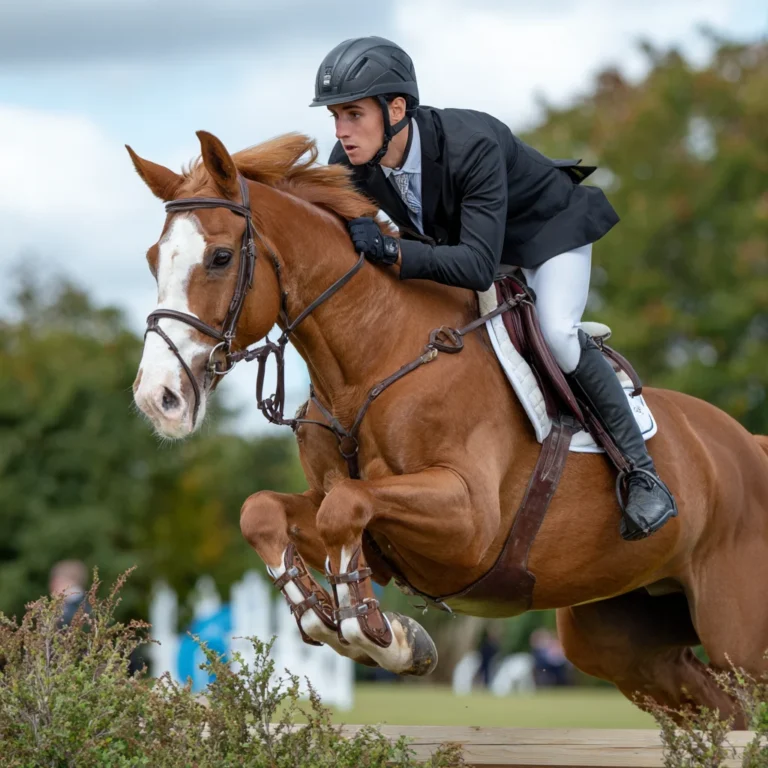
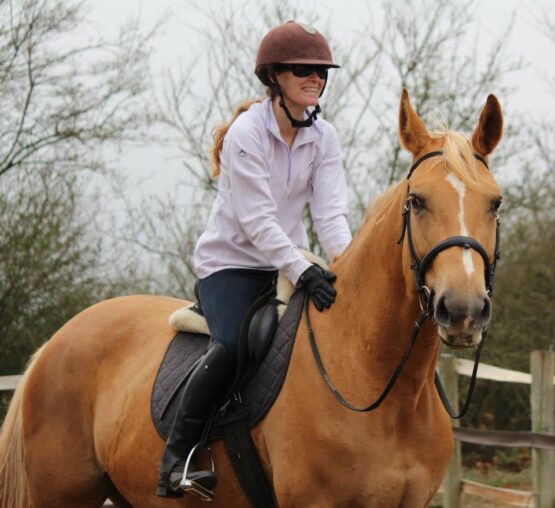
It is worth asking the question from the horse’s side, because partnership implies both parties receive something. A well-kept riding horse gets reliable food, shelter, protection from predators, veterinary care, and — this part is underrated — stimulation and social contact. Horses are intelligent animals that evolved to spend their days moving, problem-solving, and interacting. Work, done well, meets needs that a paddock alone does not. Many horses visibly enjoy their jobs: the eventer that lights up at the start box, the school pony that brightens when a child arrives, the trail horse that walks out with real interest in the world.
That is not a romantic projection. Research into equine behaviour and welfare increasingly supports what experienced horse people have always observed — that horses form genuine attachments to familiar humans and can find work rewarding when it is fair, varied, and within their capability. The Horse magazine’s behaviour section is an excellent place to follow the current research if the science interests you.
When Horses Say No
And here is the part that proves everything above: horses can, and do, withdraw their consent. A horse in pain, a horse that has been treated unfairly, a horse whose trust has been broken — these horses stop cooperating, and no amount of equipment or force truly changes that. Anyone who has worked with a horse damaged by rough handling knows how long the road back is, and how completely the relationship has to be rebuilt before the horse offers again what it once gave freely.
Worth Taking Seriously
A horse that suddenly resists being ridden — napping, bucking, refusing to stand at the mounting block — is far more often telling you about pain than about disobedience. Back, saddle fit, teeth, and hooves should always be checked before the behaviour is treated as a training problem. Horses rarely withdraw cooperation without a reason.
To me this is the strongest evidence that riding rests on the horse’s ongoing choice. If horses merely tolerated us because they had no alternative, a bad experience wouldn’t change anything — they would have no cooperation to withdraw. The fact that trust can be lost proves it was being given.
The Answer, As Best I Can Give It
So why do horses allow us to ride them? Because thousands of years of domestication predisposed them to partnership with humans. Because their herd nature gives them a framework for trusting another’s judgement and finding safety in company. Because good training builds on both of those foundations, step by patient step, until a rider is not an alarming weight but a familiar presence. And because — when we hold up our end — the arrangement genuinely gives them something back.
But mostly, I think, because we asked slowly enough, and kindly enough, over enough generations and enough quiet mornings, that they decided we were worth carrying.
New to Horses? Start Here
Our free New Owner’s Essential Care Guide covers everything from daily routines and feeding to reading your horse’s warning signs — the foundation that every good horse-human partnership is built on.
Download the Free Guide →Every ride is a horse choosing, one more time, to carry you. Ride like you know it.