What NOT to Feed Your Horse: The Complete Guide to Toxic Foods
Chocolate, bread, garden vegetables — the foods that put horses in the most danger are usually sitting in someone’s kitchen, not a chemical cabinet.
Free Printable: Safe & Toxic Foods Guide
The complete list, danger levels, and emergency protocol — formatted for your tack room wall.
Download Free →
Danger at a Glance
A quick reference for the foods that cause the most harm. Full detail on each is below.
| Food | Danger | Watch for |
|---|---|---|
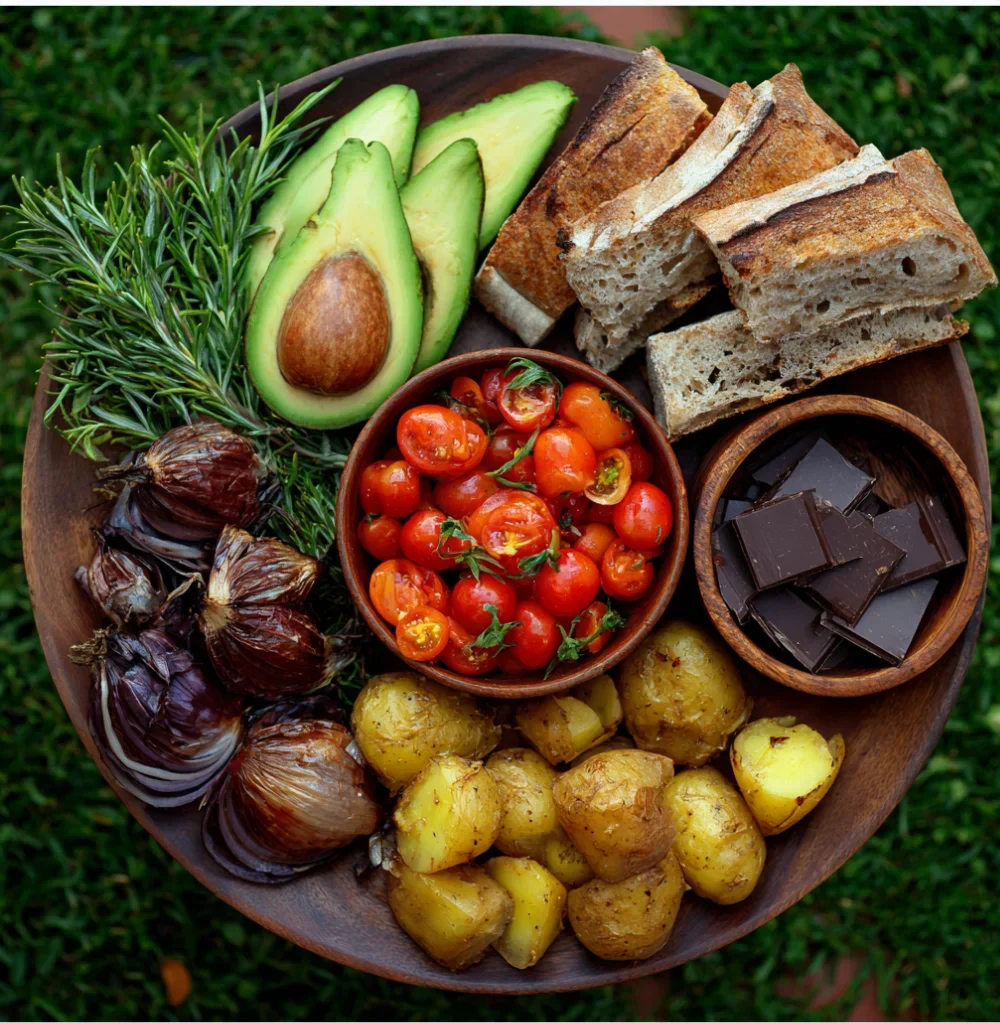
| Chocolate | HIGH | Elevated heart rate, tremors, colic |
| Onions, garlic, leeks, chives | DEADLY | Pale gums, weakness, dark urine |
| Avocado (all parts) | DEADLY | Irregular heartbeat, breathing difficulty |
| Lawn clippings | DEADLY | Rapid-onset severe colic |
| Tomatoes, potatoes, nightshades | HIGH | Colic, dilated pupils, seizures |
| Bread & yeast products | HIGH | Choking, gas colic |
| Meat & dairy | MODERATE | Digestive upset, diarrhea |
| Dog or cat food | MODERATE | Digestive upset, possible onion/garlic content |
| Caffeinated drinks | HIGH | Racing heart, tremors, restlessness |
| Moldy or dusty feed | DEADLY | Colic, neurological signs, founder |
The 10 Most Dangerous Foods — In Detail
Chocolate HIGH
Why: Theobromine affects the heart and nervous system — horses cannot metabolise it. Dark and baking chocolate carry the highest concentration.
Symptoms: Increased heart rate, tremors, severe colic, seizures in severe cases.
Three fun-size bars from Halloween candy left in a barn aisle were enough to send a mare I treated into elevated heart rate and colic signs.
If it happens: Call your vet immediately with the wrapper in hand.
Onions, Garlic, Leeks & Chives DEADLY
Why: N-propyl disulfide destroys red blood cells, causing hemolytic anemia. Fresh, dried, cooked, or powdered — every form is toxic, and small repeated amounts cause cumulative damage.
Symptoms: Often delayed by days — weakness, pale or yellowish gums, dark urine, decreased appetite.
If it happens: Contact your vet even if the horse seems fine. Blood work catches damage before symptoms appear.
Avocado — Every Part DEADLY
Why: Persin affects the heart muscle. Leaves, bark, fruit, and pit are all toxic.
Symptoms: Irregular heartbeat, breathing difficulty, colic, potential heart failure.
Fence off avocado trees completely if they’re on or near your property — ingestion is a genuine emergency.
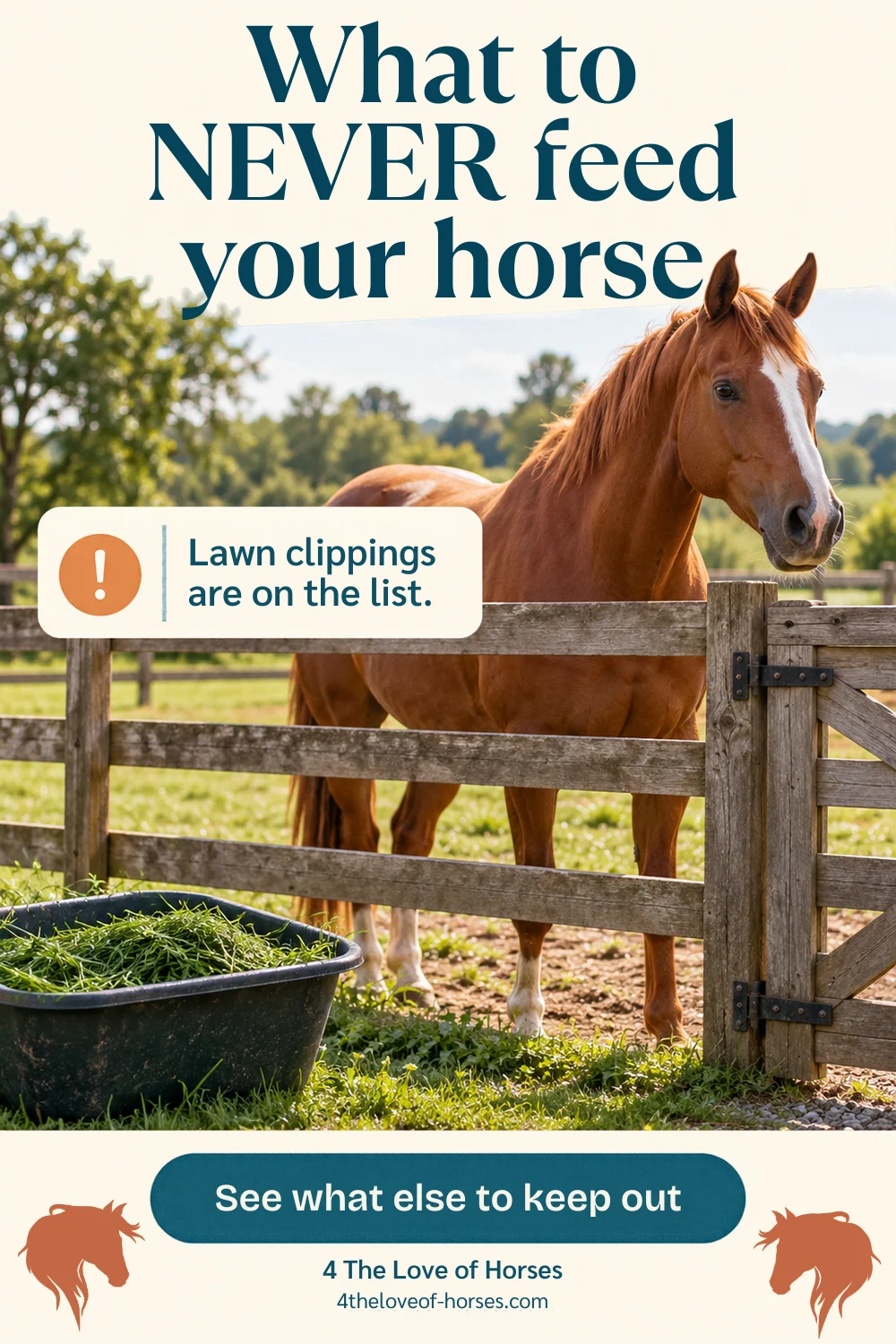
Lawn Clippings DEADLY
Why: Piled, cut grass ferments almost immediately, producing gas and compacting into blockages — very different from pasture grazing.
Symptoms: Severe, often fatal colic within hours.
Tomatoes, Potatoes & Nightshades HIGH
Why: Solanine and related alkaloids affect the nervous system and gut. Green parts (leaves, stems, unripe fruit) are most concentrated.
Symptoms: Colic, diarrhea, dilated pupils, breathing difficulty, seizures in severe cases.
Garden and compost access is the most common route — potato vines in particular are extremely dangerous.
Bread & Yeast Products HIGH
Why: Bread swells when wet, creating choking and blockage risk. Active yeast keeps fermenting in the gut, producing gas.
Symptoms: Choking (extended head, drooling, panic) is immediate; colic can follow if swallowed.
If Choking
Call your vet immediately — don’t try to clear it yourself, you can make it worse.
Meat & Dairy MODERATE
Why: Horses are obligate herbivores without the enzymes to process animal protein or lactose.
Symptoms: Digestive upset ranging from mild diarrhea to colic; kidney/liver stress with repeated exposure.
Dog or Cat Food MODERATE
Why: Formulated for carnivores — wrong protein type and amount for a horse. Some brands also contain onion or garlic powder.
Store pet food in horse-proof containers, out of barn reach.
Caffeinated Drinks HIGH
Why: Caffeine is a stimulant horses are highly sensitive to.
Symptoms: Racing heart, tremors, restlessness, seizures in severe cases.
Moldy or Dusty Feed DEADLY
Why: Mycotoxins from mold cause anything from colic to permanent neurological damage.
Symptoms: Colic, diarrhea, respiratory distress, wobbling, head pressing, founder.
After 45 years I am almost paranoid about this one — mycotoxins have caused permanent neurological damage in horses I’ve treated. Anything that smells off, looks dusty, or shows visible mould gets discarded, no exceptions.
Also Worth Knowing
- Rhubarb leaves — high oxalic acid, kidney and breathing risk
- Stone fruit pits (cherry, peach, plum, apricot) — contain cyanide; always remove before offering the fruit
- Cruciferous vegetables in quantity — broccoli, cauliflower, cabbage can cause gas colic in large amounts
- Dried fruit in quantity — concentrated sugar, choking risk, laminitis risk for metabolic horses
- Sugary human treats — laminitis risk, especially in metabolic horses
- Anything fermented or spoiled — digestive upset to severe colic
Common Mistakes Well-Meaning People Make
Mistake
Assuming “it’s just a little” is safe. With onions, garlic, and chocolate especially, there’s no genuinely safe small amount — and small amounts eaten repeatedly can cause cumulative damage that’s harder to catch.
Mistake
Treating garden and compost access as low-risk. Tomato and potato plants, especially the green parts, are far more dangerous than most owners assume — fence gardens fully rather than trusting a horse won’t reach in.
Mistake
Not briefing neighbours, landscapers, and visitors. Nearly every serious case I have seen came from someone outside the immediate barn team who genuinely did not know. Post signage and say it directly.
Mistake
Waiting to see if symptoms appear. Onion and garlic damage can take days to show. Call your vet at the time of ingestion, not after symptoms start.
If Your Horse Eats Something Toxic — First 5 Minutes
Emergency Protocol
- Call your vet immediately. Don’t wait for symptoms — most toxins are far more treatable caught early.
- Remove the food source and secure it so other horses can’t reach it.
- Note what, how much, and when — bring packaging or a plant sample if you can.
- Do not try to induce vomiting — horses are physiologically unable to vomit; attempting it only adds stress.
- Keep the horse calm and monitored while you wait for guidance.
Have ready for your vet: approximate weight, what was eaten, how much, time of ingestion, symptoms observed, and whether other horses were exposed.
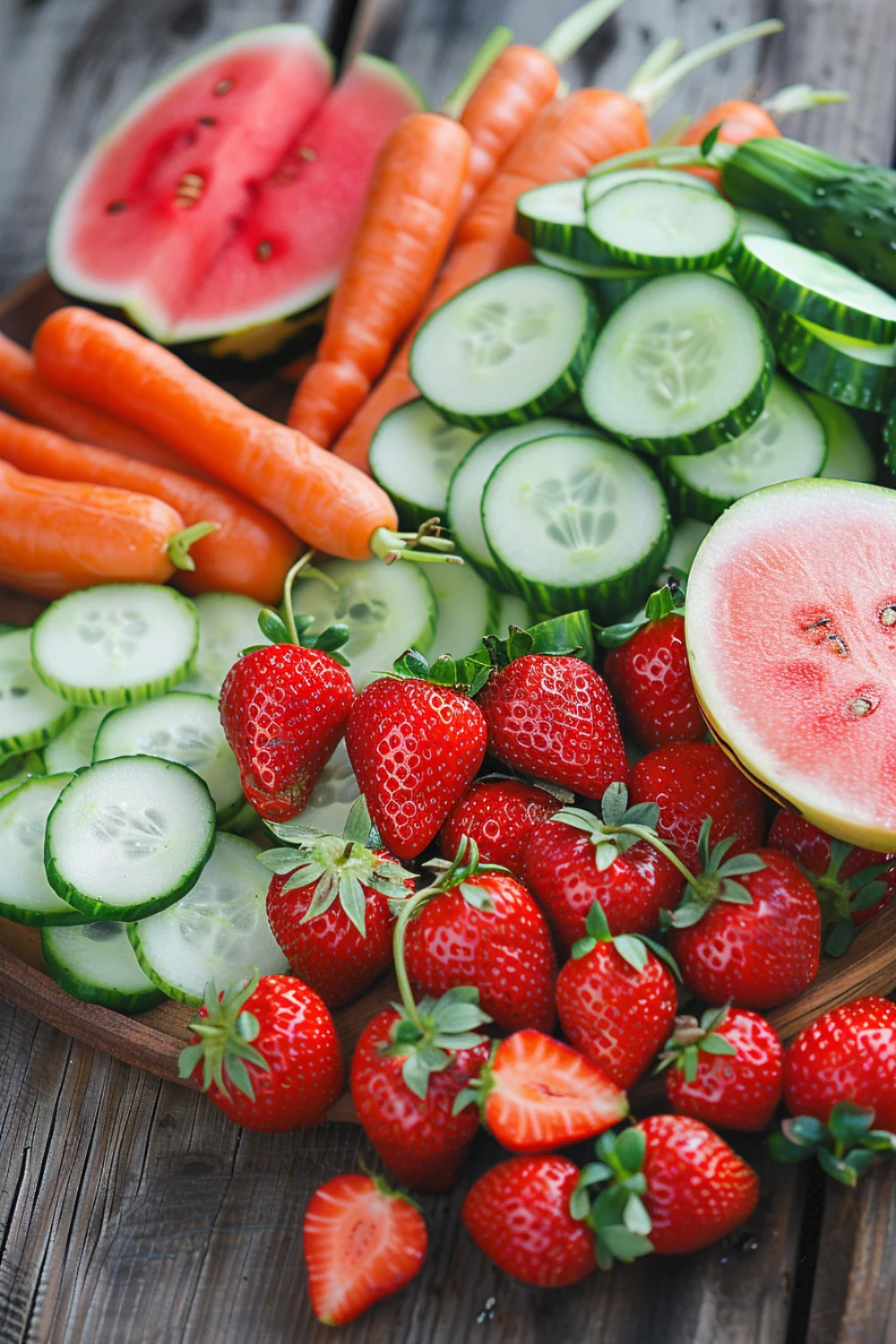
What You CAN Safely Feed
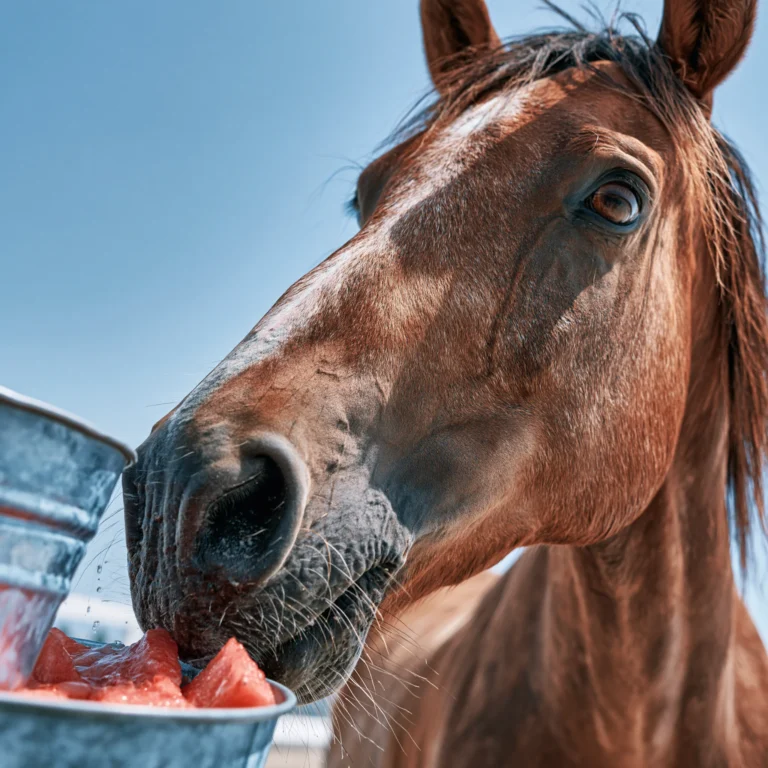
In moderation — max 10% of daily diet, seeds and pits removed, one new food introduced at a time:
Metabolic Horses
IR, Cushing’s, or laminitis history — even these “safe” treats may not be appropriate. Stick to celery or cucumber in small amounts, and no fruit at all.
Prevent It Before It Happens
- Store human food and pet food in horse-proof containers, in a locked feed room
- Fence off gardens, avocado trees, and black walnut trees
- Never pile lawn clippings near a pasture fence line
- Walk pastures regularly checking for toxic plants
- Post a toxic foods list and emergency vet number in the barn where visitors will see it
- Brief anyone with access — family, boarders, landscapers, lesson students — directly, not just with a sign
Get the Complete Printable Guide
Every food on this page, danger levels, safe serving sizes, the full emergency protocol, and a barn-ready quick reference chart — free.
Download Your Free Guide →Further Reading
For deeper reference, the American Association of Equine Practitioners maintains detailed emergency preparedness resources, and the Merck Veterinary Manual is the standard veterinary reference for plant and food toxicity in horses.
Know what’s dangerous, tell everyone around your horse, and act immediately if it happens. That’s really the whole guide.
Fifteen years ago I got a panicked call about a horse who had been fed half a bag of onions by a well-meaning neighbour — “horses love vegetables, right?” That horse survived, but it cost thousands in vet bills and left lasting damage, entirely preventable with the knowledge above.
Have questions about horse nutrition or safety? Leave a comment below — I read and respond to every one.
— Jenni @ 4 The Love of Horses


Leave a Reply