Every so often a breed’s reputation rests on one single, almost unbelievable feat. For the Criollo, that feat happened between 1925 and 1928, when a mild-mannered Swiss schoolteacher rode two of them more than 21,000 kilometres from Buenos Aires to New York — and it’s as good a place as any to start understanding why this breed has earned the devotion it has.
🌍 A Guide to the World’s Horse Breeds
The Criollo is just the beginning. I’m putting together a full guide to the horses that shaped history and cultures around the world — join the waitlist and be the first to know when it’s ready.
→ Join the Waitlist No spam, just a heads-up when it launchesA Heritage Forged by Five Centuries
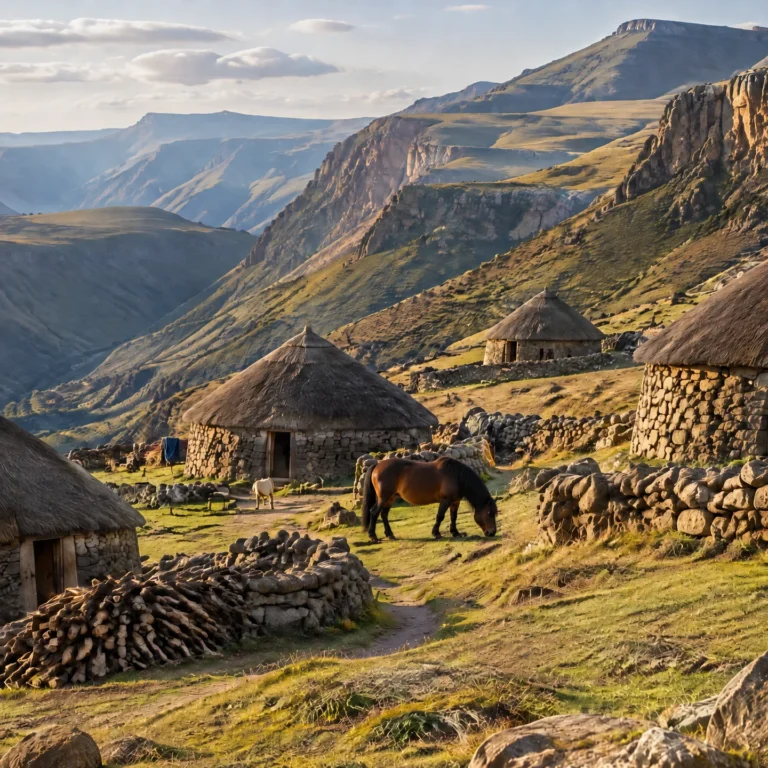
The Criollo’s story begins in 1535, when the conquistador Pedro de Mendoza brought Spanish horses — of Andalusian, Barb and Arabian ancestry, the finest bloodlines Europe had at the time — to the new settlement at Buenos Aires. When the settlement was later abandoned, the horses were turned loose. Over the following centuries, they multiplied on the open pampas and Patagonian plains largely without human management, exposed to extremes of heat, drought, and cold with no supplementary feed and no veterinary care.
That is the part of the story that matters most, because it’s not really breeding in the way we usually mean it. Nobody was selecting for a pretty head or a flashy trot. The pampas did the selecting, and its only criterion was whether a horse survived long enough to pass on its genes. Weak lungs, poor feet, a nervous temperament, an inability to hold condition on rough grazing — all of it was quietly removed from the gene pool, generation after generation, for the better part of four hundred years.
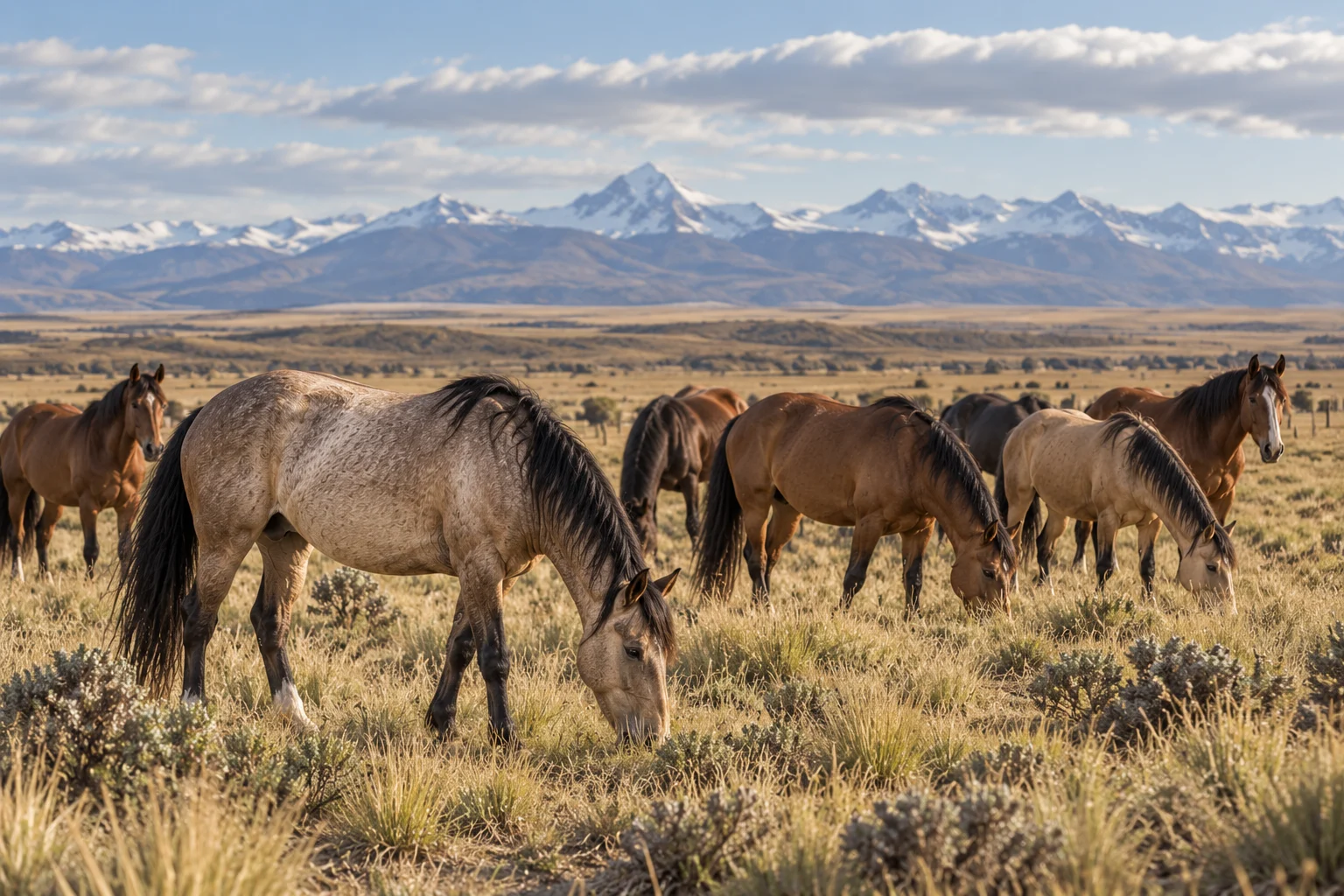
The Gaucho’s Trusted Partner
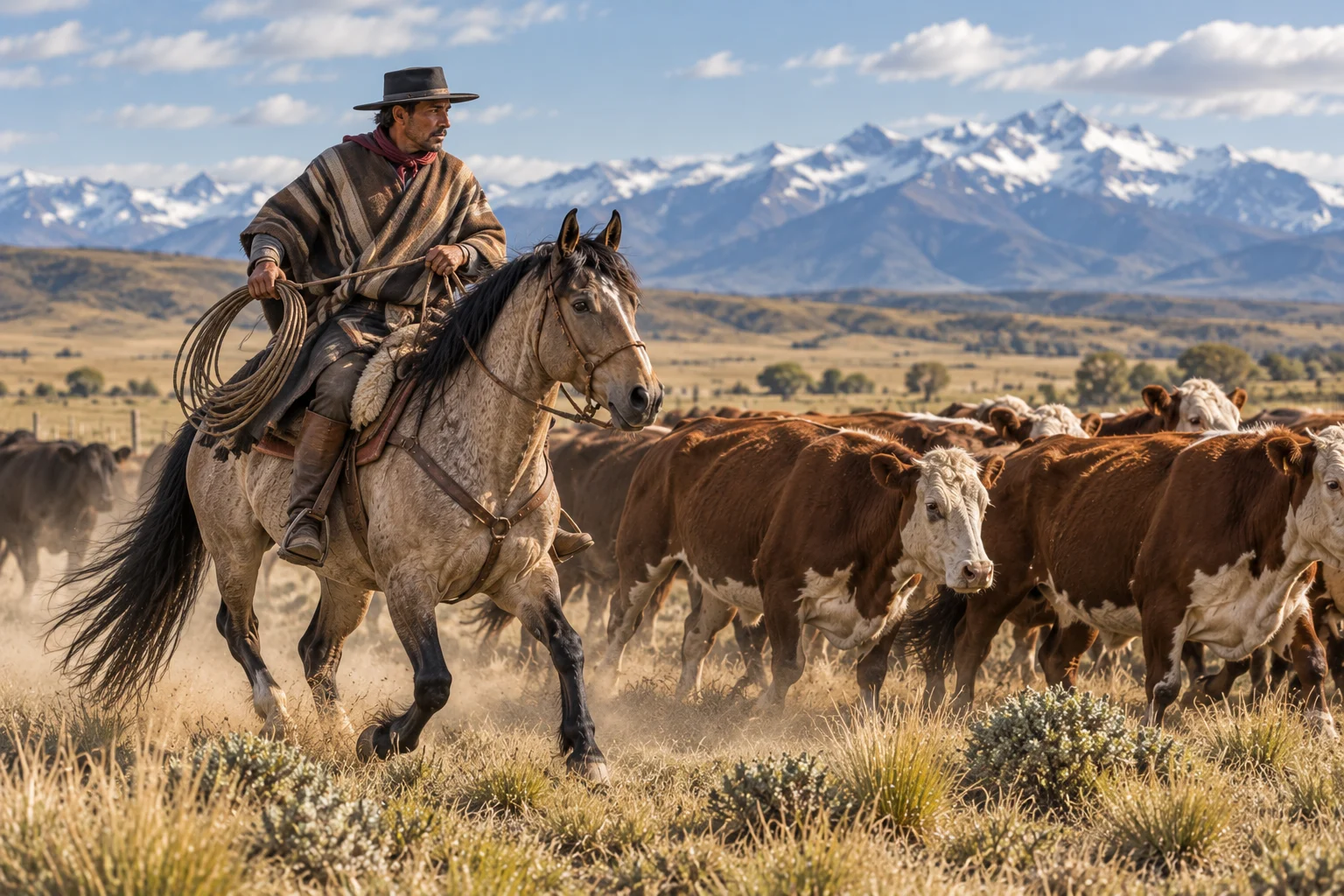
Long before it was a breed with a studbook, the Criollo was simply “the horse” of the pampas — the animal every gaucho rode to move cattle across distances that would break most breeds. A gaucho’s life depended on his horse being sound, sure-footed over rough ground, and able to work a full day on sparse grazing and little water. There was no room in that partnership for a horse that needed babying.
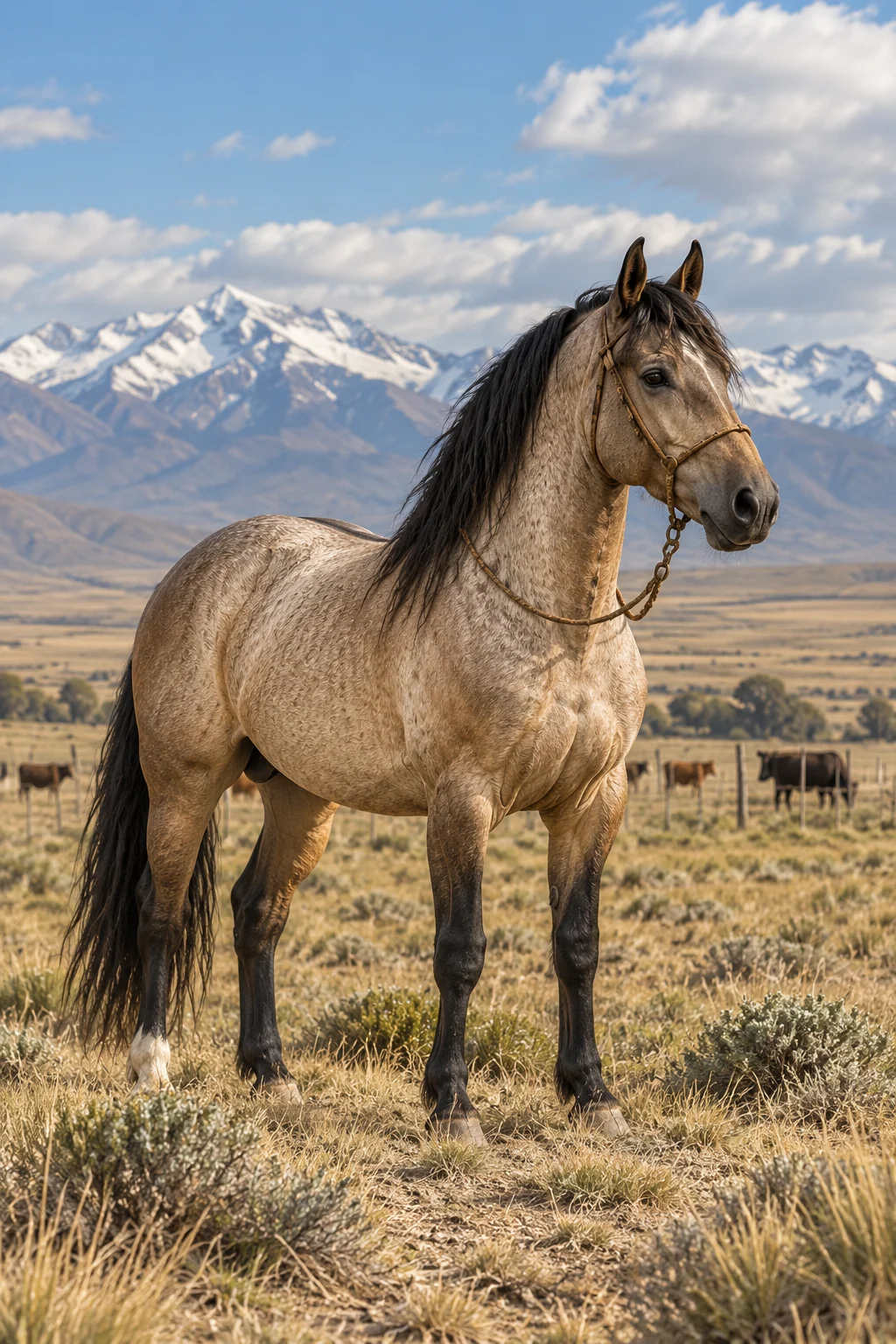
That working relationship is really the origin of the Criollo’s temperament, which is one of the breed’s most consistently praised traits. Criollos are typically described as calm, intelligent, and remarkably willing — a horse that reads terrain and cattle instinctively because for centuries, reading terrain and cattle was the entire job.
- Bred for a job, not a look. Conformation followed function — a deep girth, strong legs, and dense bone mattered far more than refinement.
- Low-maintenance by necessity. Criollos are famously easy keepers, able to hold condition on forage that would leave other breeds thin.
- A working partnership. Gauchos rode Criollos for full days of cattle work across generations, cementing the breed’s reputation for reliability under pressure.
Built for the Land: The Ride That Proved It
By the 1920s, the Criollo’s reputation needed defending. As European bloodlines grew fashionable, the tough little pampas horse was increasingly dismissed as unrefined — and it was against that backdrop that Solanet handed two middle-aged, barely broken Criollo geldings to a Swiss schoolteacher named Aimé Félix Tschiffely, hoping to prove a point.
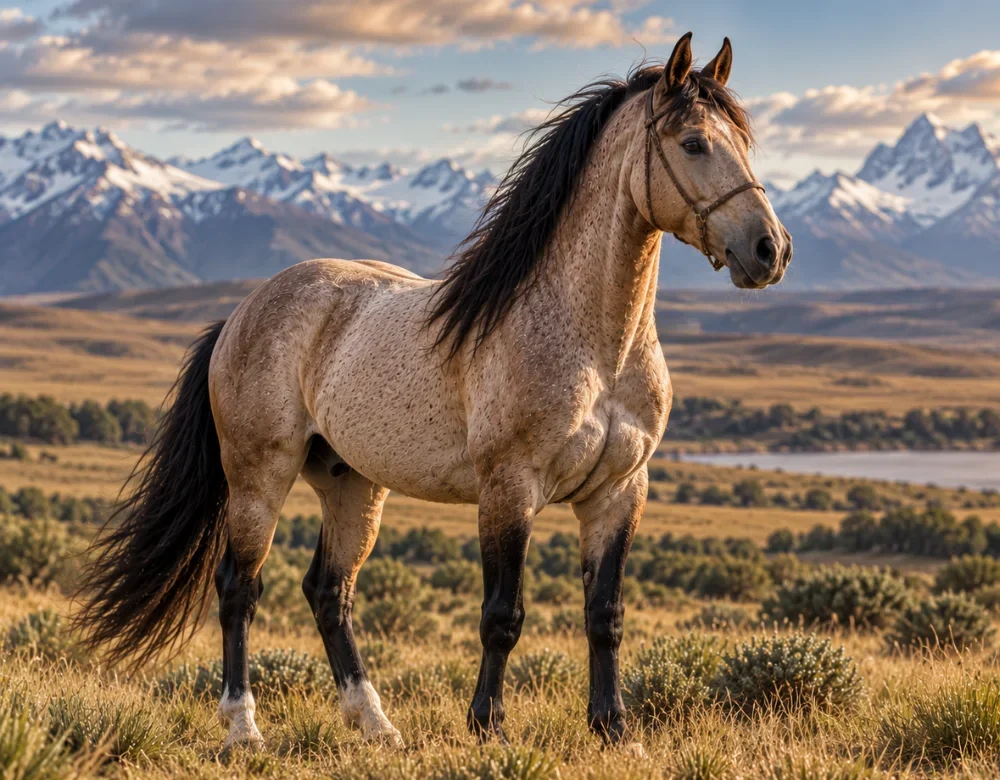
The two horses, Mancha and Gato, were around 15 and 16 years old and had grown up in the harsh conditions of Patagonia. In April 1925, Tschiffely set out from Buenos Aires on a journey many newspapers called impossible. Over the next three and a half years, he and his horses crossed more than 21,000 kilometres — the length of two continents — through the Atacama, one of the driest deserts on earth, across the Andes at nearly 5,900 metres, and through dense tropical jungle, arriving in New York in September 1928 to a hero’s welcome.
The ride wasn’t really an adventure for its own sake — it was a rescue campaign for a breed at risk of being bred out of fashion. It worked. Argentina still commemorates the anniversary of the journey, and Mancha and Gato are preserved today in the Museo de Transportes de Luján, a permanent testament to what the breed is actually capable of when everything else is stripped away.
The Criollo Today
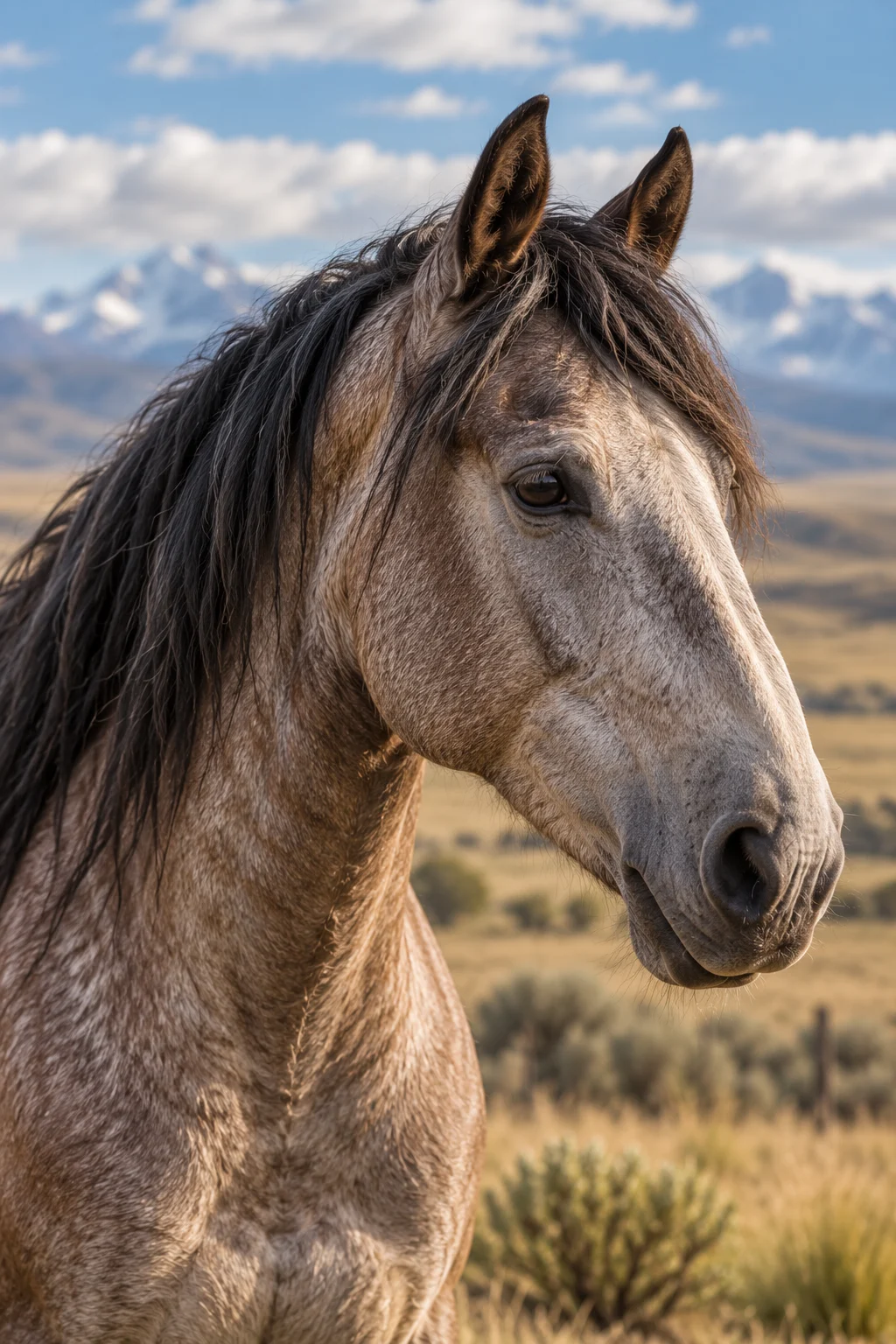
Modern Criollos still do the job they were built for — Argentina’s cattle ranches, or estancias, rely on them as much as ever, and Argentine breeders continue to select breeding stock partly through La Marcha, an endurance test covering roughly 750 kilometres under weight with no supplementary feed. It’s a striking thing for a modern breed registry to still prioritise: functional soundness over appearance, exactly as the pampas once did by necessity.
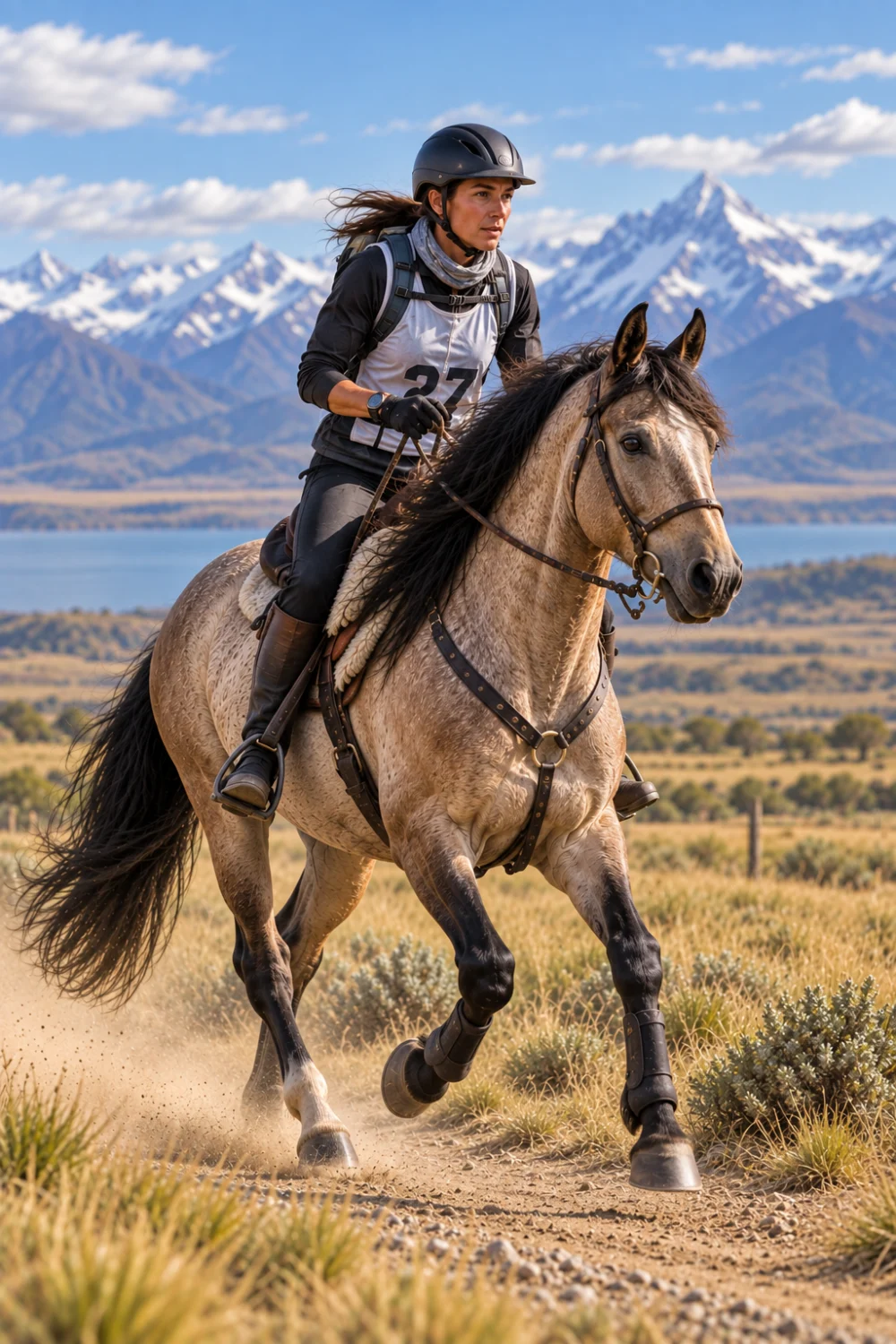
Beyond ranch work, the breed’s stamina has made it a natural fit for competitive endurance riding, where Criollos regularly place well against far more “refined” breeds. They’re also used in traditional South American rodeo disciplines, and increasingly, riders are bringing their versatility into dressage and general riding disciplines — proof that a horse built by survival can adapt to almost anything asked of it.
A Breed of Heritage, A Partner for Life
The Criollo’s whole story is really one idea, repeated in different forms across five centuries: strip away everything except what actually matters, and see what’s left standing. What’s left is a horse that’s calm enough to trust, tough enough to work all day on nothing, and — if a Swiss schoolteacher and two middle-aged geldings are any indication — capable of a great deal more than anyone gives it credit for.
🌍 A Guide to the World’s Horse Breeds
Every breed has a story like this one. I’m building a complete guide to the horses that shaped history around the world — join the waitlist to get it the moment it’s ready.
→ Join the Waitlist No spam, just a heads-up when it launches