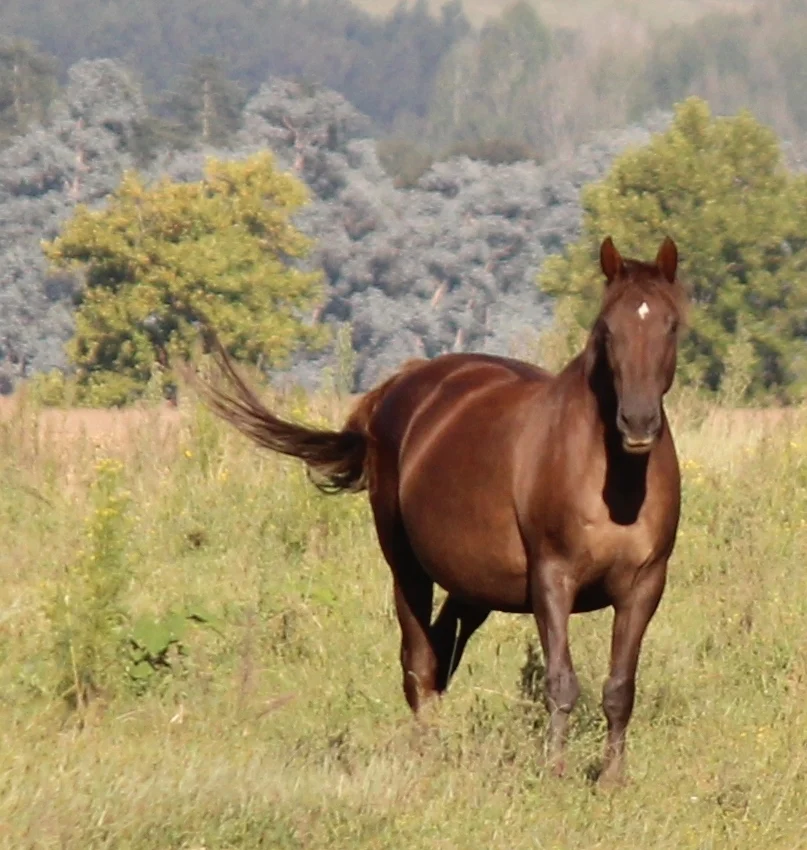
Late Pregnancy Nutrition: Preparing for a Healthy Foal – Part 2

Welcome back to our broodmare nutrition series. In Part 1, we covered the basics and early pregnancy feeding. Now we’re entering the most critical nutritional phase: late pregnancy. The final three months of gestation require careful management as your mare’s nutritional needs increase dramatically while her physical capacity to consume feed decreases. Getting this period right is essential for foal health and setting your mare up for successful lactation.
Why Late Pregnancy Changes Everything
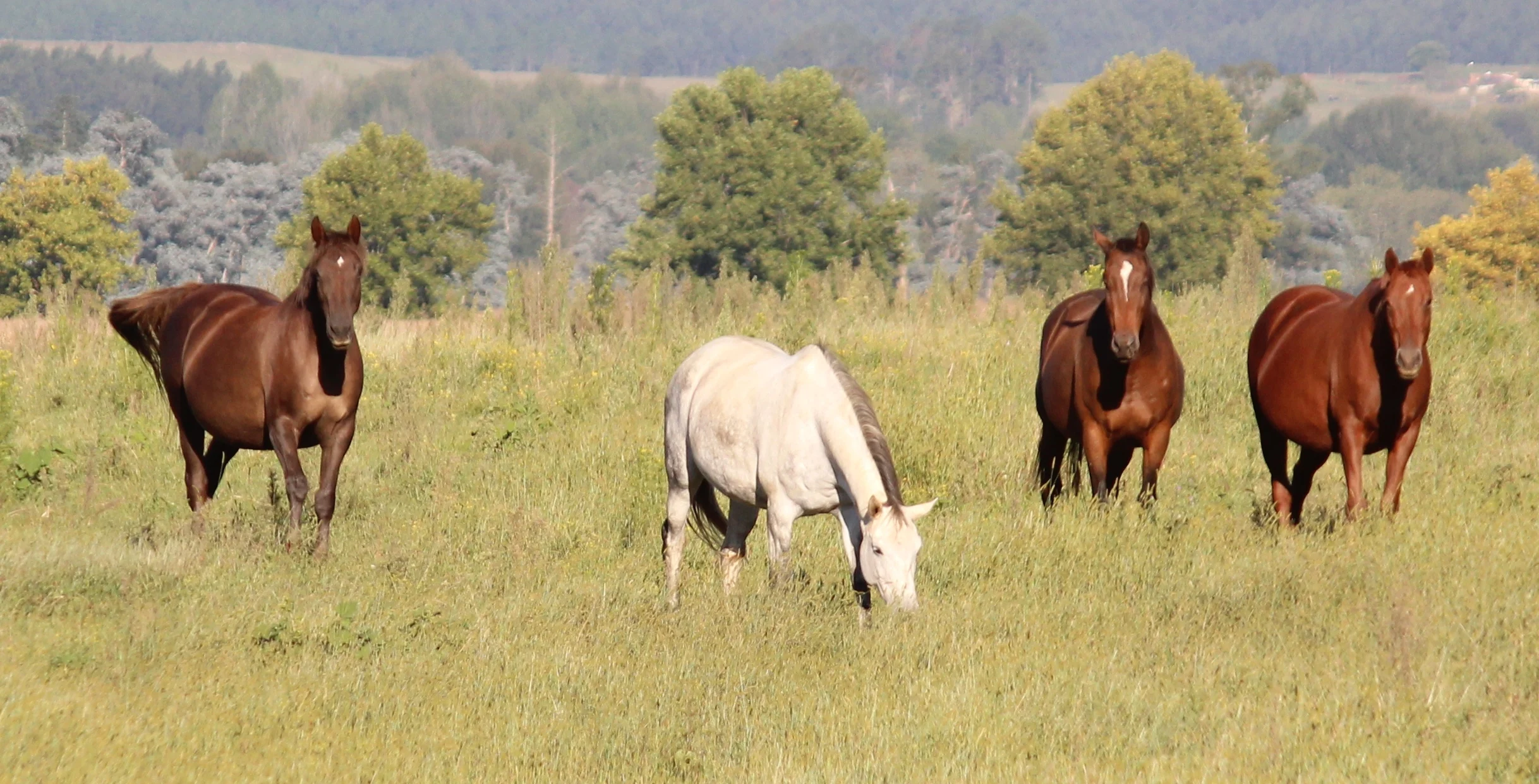
The final three months of pregnancy mark a dramatic shift in nutritional management. During this period, approximately 60-65% of fetal growth occurs. Think about that—nearly two-thirds of your foal’s birth weight develops in just the last quarter of pregnancy. This rapid fetal development creates significantly increased demands on the mare.
Simultaneously, the growing fetus reduces abdominal capacity for feed intake, creating a challenging nutritional paradox: your mare needs substantially more nutrients but has less room to consume them. This is why strategic feeding becomes so important during late gestation.
Energy Requirements Increase
Energy requirements increase by 10-20% above maintenance levels during late gestation. This translates to an additional 3-5 Mcal of digestible energy daily for an average-sized mare. To meet these needs without overloading the digestive system, concentrate feeds should be introduced or increased gradually.
Making the Transition
If your mare has been on a forage-only diet during early pregnancy, now is the time to introduce concentrates. A high-quality commercial mare and foal feed, formulated specifically for late gestation, is often the most practical solution. These feeds are designed with:
- Elevated energy levels to meet increased demands
- Higher protein content with quality amino acid profiles
- Appropriate calcium and phosphorus ratios
- Enhanced trace mineral and vitamin fortification
Start with 1-2 kg (2.2-4.4 lbs) of concentrate feed divided into 2-3 daily feedings, alongside free-choice quality hay. Gradually increase over 2-3 weeks to 2-4 kg (4.4-8.8 lbs) based on the mare’s body condition and individual needs.
The Multiple Small Meals Approach
Feed concentrates in multiple small meals rather than one or two large ones. This approach maximizes digestive efficiency and helps prevent complications such as colic or laminitis. As a rule, concentrate meals should not exceed 0.5% of body weight. For a 500 kg mare, this means maximum meal sizes of 2.5 kg (5.5 lbs).
Practical feeding schedule for late pregnancy:
- Morning (7 AM): 1-1.5 kg concentrate + hay
- Midday (12 PM): Hay check and water
- Afternoon (4 PM): 1-1.5 kg concentrate + hay
- Evening (8 PM): 0.5-1 kg concentrate + hay for overnight
Protein for Fetal Development
Protein requirements increase significantly during late pregnancy, rising to approximately 11-13% of the total diet on a dry matter basis. More importantly, the quality of protein becomes critical. The amino acid lysine is particularly important for fetal tissue development, and feeds should provide adequate levels of this essential nutrient.
Quality protein sources include soybean meal, alfalfa meal, and properly formulated commercial feeds. Look for mare and foal feeds that specify lysine content—this indicates attention to protein quality, not just quantity. Aim for feeds providing at least 0.4% lysine in the total diet.
Warning: Avoid relying solely on poor-quality protein sources or low-grade supplements. These will not provide the amino acid profile needed for optimal fetal development, potentially leading to smaller foals or developmental issues.
Critical Micronutrients in Late Pregnancy
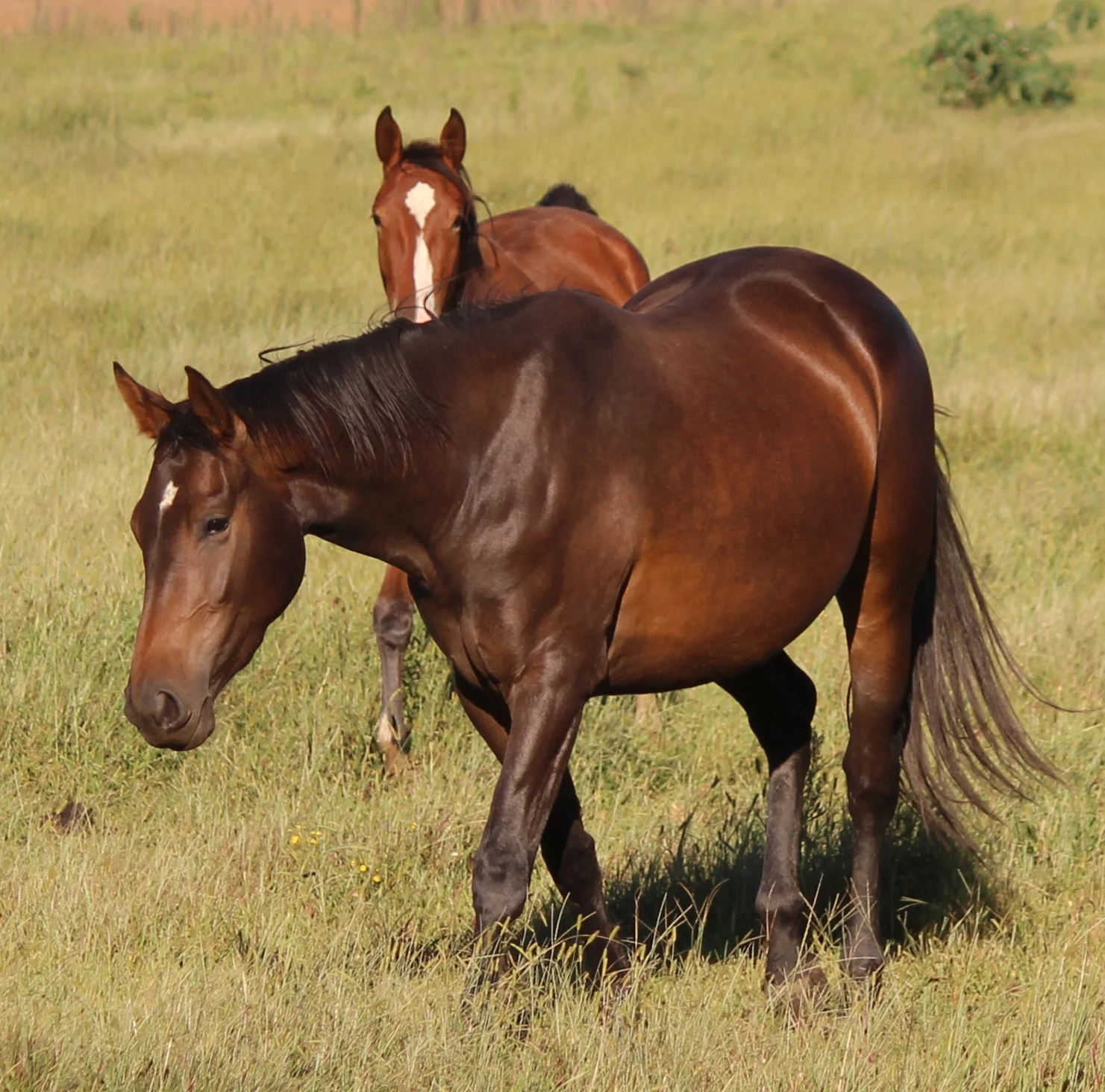
Late gestation is when mineral supplementation becomes absolutely critical. The developing fetal skeleton is mineralizing rapidly, creating high demands for calcium, phosphorus, and trace minerals. Deficiencies during this period can have long-lasting effects on the foal’s skeletal integrity and growth potential.
Calcium and Phosphorus: The Foundation
These macrominerals should be provided in approximately a 2:1 ratio. Late gestation mares require 40-50 grams of calcium and 25-30 grams of phosphorus daily. Commercial mare and foal feeds are typically fortified to meet these requirements when fed at recommended levels.
Important: Excess phosphorus relative to calcium can interfere with calcium absorption, so maintaining proper ratios is essential. If you’re feeding grain-heavy diets, balance them with calcium-rich alfalfa hay or appropriate mineral supplementation.
Copper and Zinc: Preventing DOD
Copper supplementation during late pregnancy has been shown to reduce the incidence of developmental orthopedic disease (DOD) in foals. This alone makes proper trace mineral supplementation worth the investment. Provide 125-250 mg of copper daily, preferably from organic sources for better absorption.
Zinc works in concert with copper and is essential for proper hoof development, skin integrity, and immune function. Late gestation mares require 500-700 mg daily. The copper-to-zinc ratio should be approximately 1:3 to 1:4 for optimal absorption of both minerals.
Selenium and Vitamin E: The Immune Duo
These nutrients work together to support immune function and muscle development. Selenium supplementation at 2-3 mg daily, combined with 2,000 IU of vitamin E, helps ensure the mare produces high-quality colostrum rich in antibodies.
Selenium has a narrow margin of safety, so be careful not to over-supplement. Check if your commercial feed already contains selenium and adjust additional supplementation accordingly. Total selenium intake should not exceed 3 mg daily.
Preparing for Colostrum Production
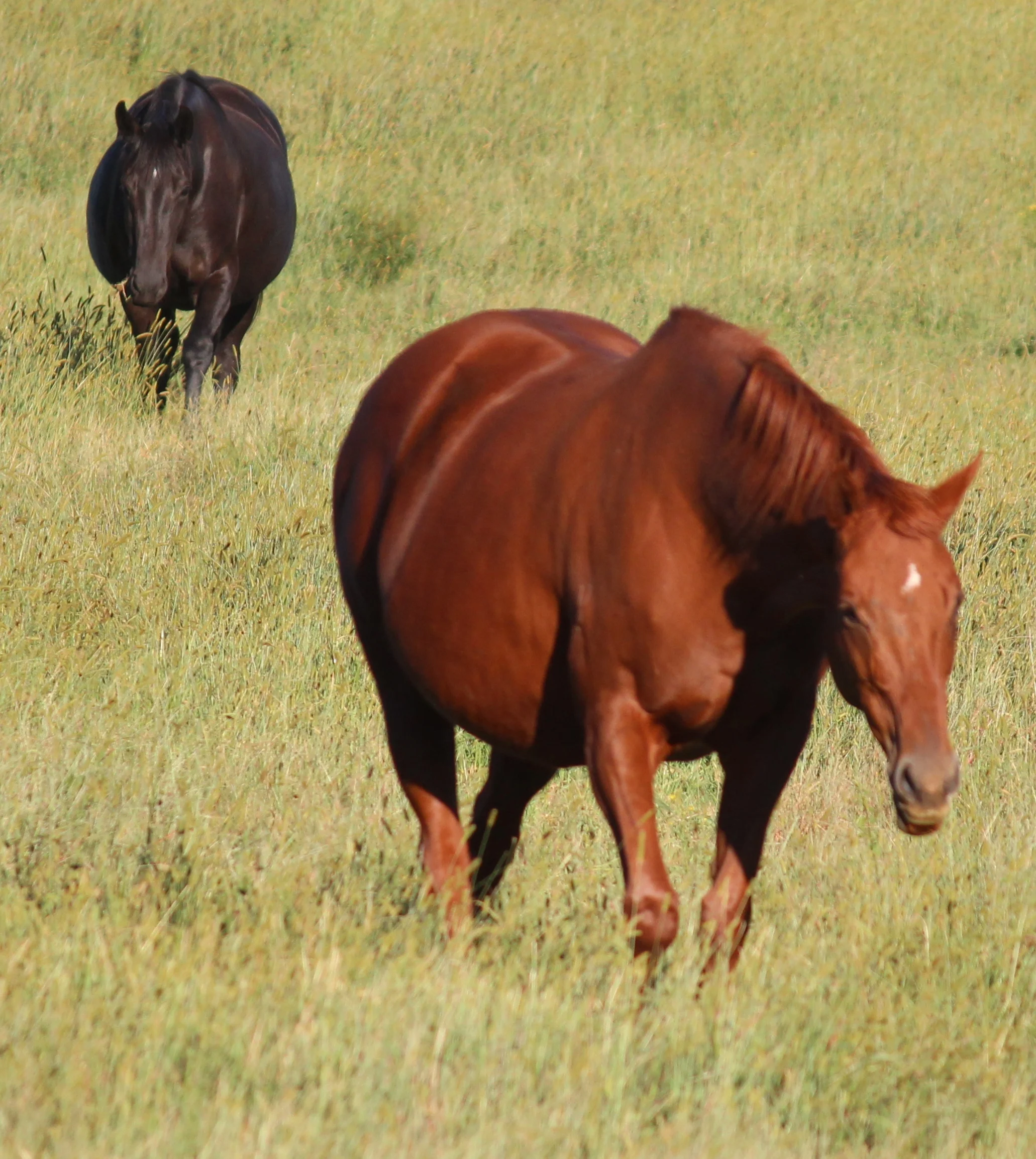
The final weeks of pregnancy are when the mare begins producing colostrum, the antibody-rich first milk that provides passive immunity to the newborn foal. The nutritional management during late gestation directly impacts colostrum quality and quantity.
Ensuring adequate protein, energy, and micronutrients—particularly selenium and vitamin E—supports optimal colostrum production. This is why we emphasize feeding mare and foal feeds at full recommended rates during the last 60-90 days of pregnancy, not reduced amounts.
Colostrum Quality Indicators
Good colostrum should be thick, sticky, and yellowish in color. If your mare’s colostrum appears thin and watery, this may indicate nutritional inadequacy during late pregnancy. Consider having a colostrum replacement on hand for foaling, and consult with your veterinarian about IgG testing.
Monitoring Body Condition
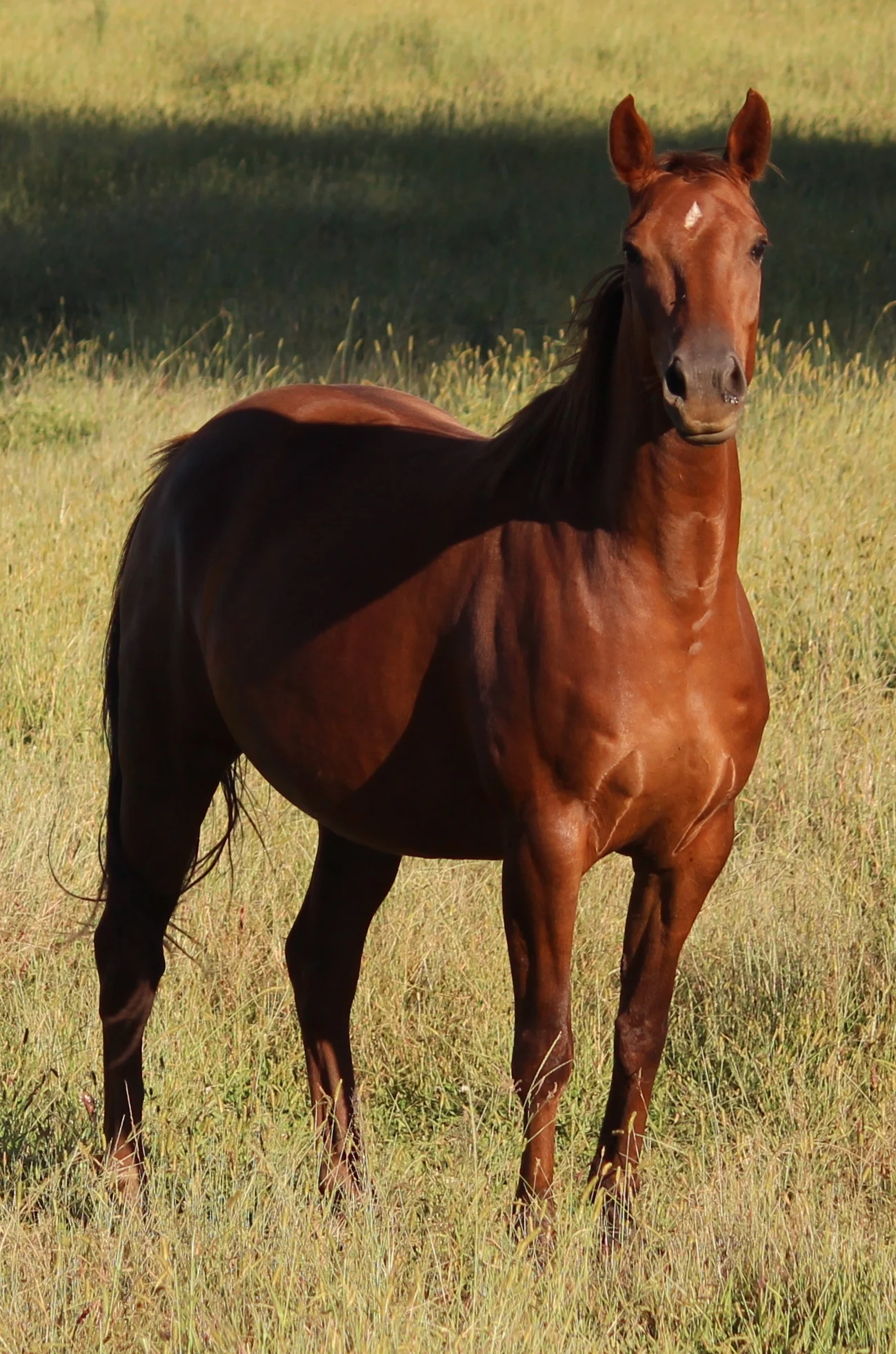
A moderate increase in body condition during late pregnancy is desirable. Mares should ideally enter late gestation at BCS 5-6 and may increase to BCS 6-7 by foaling. This slight increase provides beneficial energy reserves for the upcoming lactation period.
However, avoid obesity. Mares at BCS 8 or above face increased risks of dystocia, metabolic problems, and reduced milk production. If your mare is gaining too much condition, reduce concentrate amounts slightly but maintain adequate protein and mineral intake through a ration balancer or reduced-calorie mare feed.
Sample Late Pregnancy Feeding Program
Here’s a practical feeding program for a 500 kg (1,100 lb) mare in late pregnancy at moderate body condition:
- Forage: Free-choice mixed grass hay (8-10 kg/18-22 lbs daily) or quality pasture with hay supplementation
- Concentrate: 3-4 kg (6.6-8.8 lbs) commercial mare & foal feed, divided into 3 meals
- Vitamin E: 2,000 IU daily if not provided in adequate amounts by commercial feed
- Salt: Free-choice plain salt block
- Water: Free-choice fresh water at all times (expect 30-40 liters/8-10 gallons daily)
Adjust amounts based on individual mare needs: Hard keepers may need 20-30% more, while easy keepers may need less. Body condition score is your guide.
Looking Ahead
In Part 3 of our series, we’ll cover lactation—the most nutritionally demanding period of all. You’ll learn exactly how to feed your mare to support generous milk production while maintaining her health and body condition. We’ll also discuss the critical first weeks post-foaling and how to adjust feeding as the foal grows.
Complete Series Now Available
Download our comprehensive Broodmare Nutrition Guide (PDF) containing all five parts of this series plus feeding charts, supplement guides, and troubleshooting resources. Free download!
Review the Complete Series:
- Part 1: Broodmare Nutrition Basics
- Part 2: Late Pregnancy Nutrition (You are here)
- Part 3: Feeding the Lactating Mare
- Part 4: Essential Nutrients for Broodmares
- Part 5: Practical Strategies & Common Mistakes
Further Reading
Feeding the Late-Gestation Broodmare – thehorse.com
General thoughts on broodmare nutrition – Kentucky University
© 4 the love of-horses – All Rights Reserved