
Through the Artist’s Eye: How Horses Have Inspired Art From Cave Paintings to Today
The horse is one of the oldest subjects in all of human art — appearing on cave walls 30,000 years ago and inspiring masters from Leonardo da Vinci to George Stubbs and beyond.
Before humans had written language, before they had cities or pottery or agriculture, they had horses — and they painted them. The caves of Lascaux and Chauvet contain horse images so fluid and alive that modern artists stand in front of them and marvel. Something in the human eye has always been drawn to the horse: the curve of the neck, the energy in the hindquarters, the intelligence in the eye, the paradox of great power held in relationship with a fragile human. That fascination has never left us.
I have spent 45 years with horses and a significant portion of my life drawing them. What I have come to understand — both from living alongside these animals and from studying the art they have inspired across millennia — is that no subject tests an artist more honestly. The horse in motion is one of the most technically demanding subjects in all of visual art. Artists across every era, every culture and every medium have grappled with this challenge — and the results tell us as much about those artists and their times as they do about the horses themselves.
A Journey Through Time
Eight Eras of Horse Art
The Cave Painters
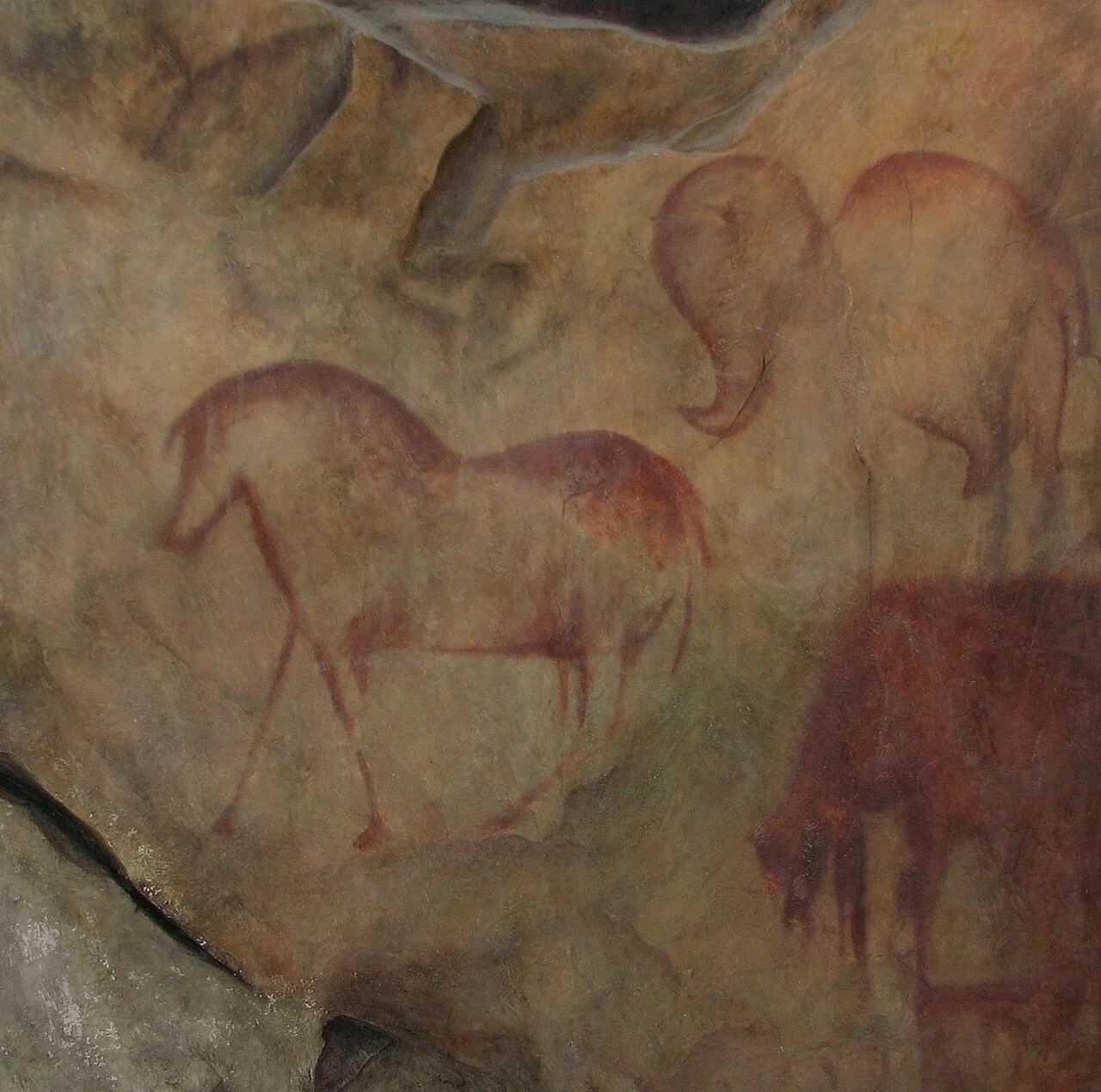
30,000 – 10,000 BC — Palaeolithic EuropeThe most astonishing thing about the horse paintings at Chauvet and Lascaux is not their age — it is their quality. These are not crude scratches. They are sophisticated, observationally acute works of art that show horses in motion, in groups, in profile and in three-quarter view. The artists understood how horses carry themselves, how they hold their heads when alert, how their bodies change when running. They had spent their lives watching horses — and that intimacy shows in every line.
The pigments used were ochre, manganese dioxide and charcoal, applied by hand, with blowing tubes, and sometimes with rudimentary brushes. The artists used the natural contours of the cave wall to create the illusion of three-dimensional form. At Lascaux there are over 300 horse images. At Chauvet, horses dominate the art entirely. We do not know why they made these paintings. But we know they chose horses above almost everything else.
Lascaux Cave Horses — c.17,000 BC
ancient Palaeolithic cave painting of horses on rough stone wall, ochre and charcoal pigments, multiple horses in profile running, prehistoric art style, warm amber cave wall texture, authentic cave art aesthetic, documentary photography lighting –ar 3:2 –style raw
Ancient Egypt, Greece and Rome
3,000 BC – 400 ADWhen horses were domesticated around 3,500 BC on the Eurasian steppe, they transformed human civilisation within a few generations — and almost immediately, they transformed human art. The horse became the visual symbol of power, conquest, divinity and nobility — a symbol so potent it endured for five thousand years.
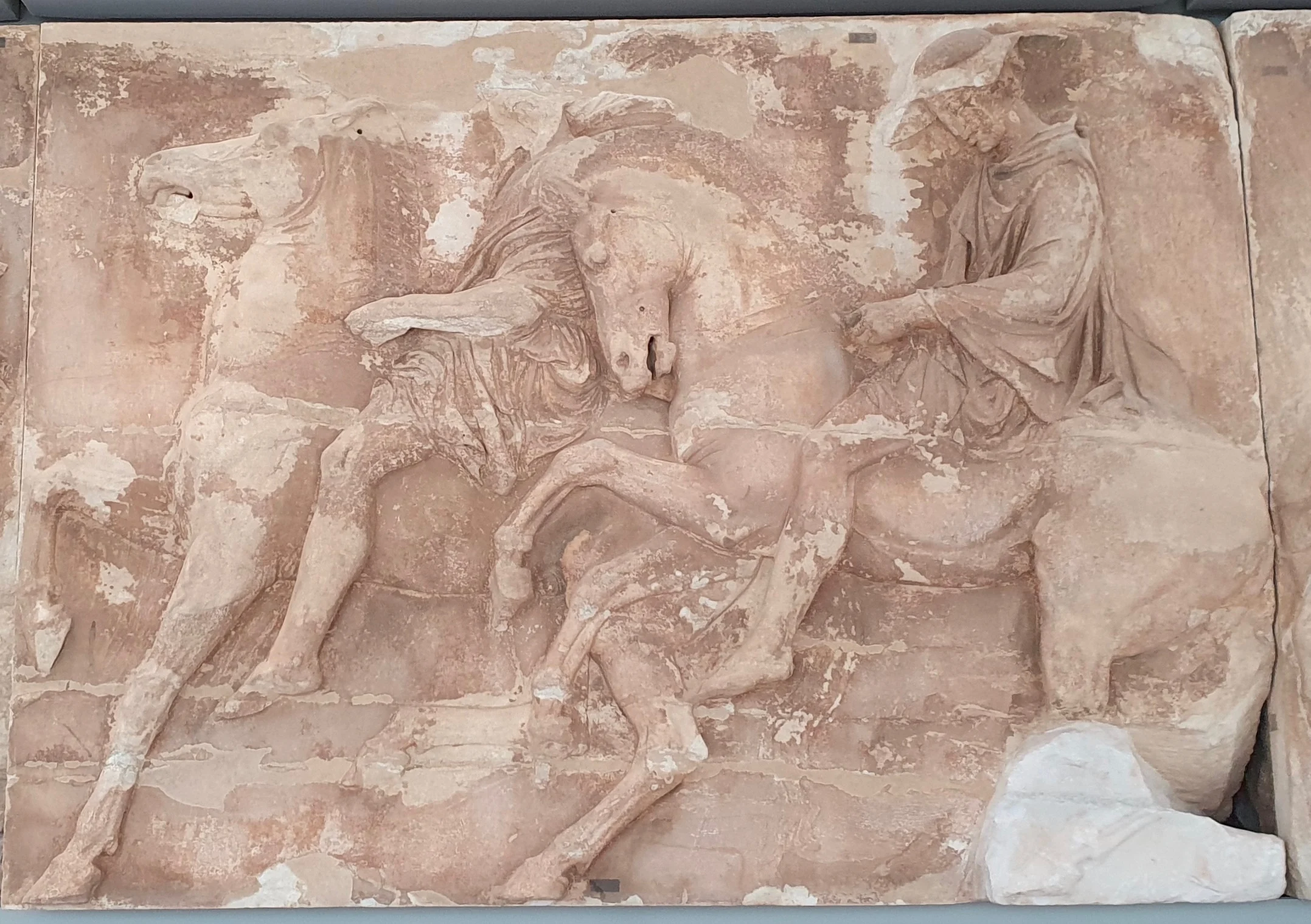
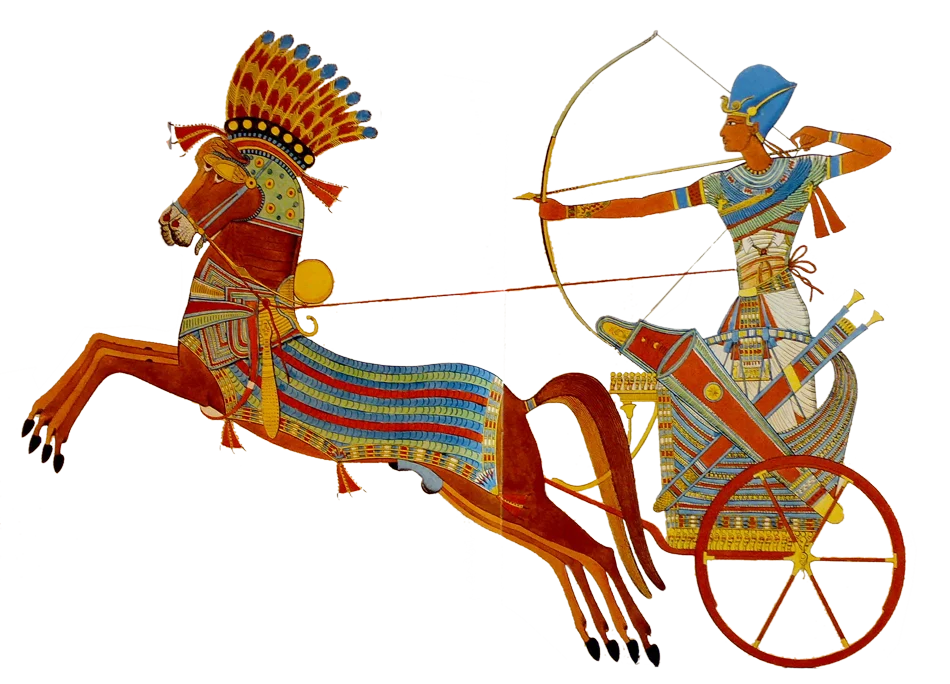
Egyptian tomb paintings show horses drawing royal chariots with stylised elegance. The Parthenon frieze in Athens takes a different approach — the horses that carry the cavalry procession are individuated, lively and technically observed. Greek artists understood horse anatomy well because horses were central to aristocratic life. Roman equestrian sculpture reached its pinnacle with the bronze statue of Marcus Aurelius, still standing in Rome after nearly two thousand years. It set a template for equestrian portraiture that artists would argue with for the next twenty centuries.
Medieval and Byzantine Art
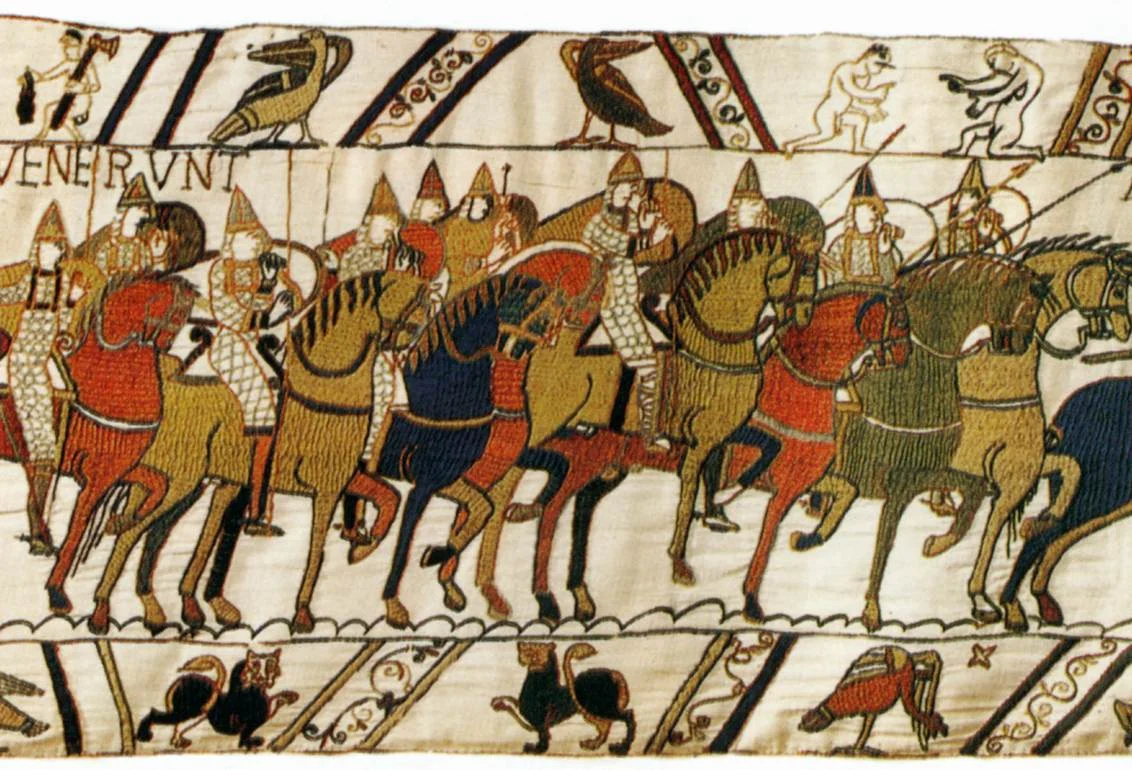
400 – 1400 ADIn medieval European art, horses appear everywhere — in illuminated manuscripts, in tapestries, on the walls of churches. But they are almost never realistic. Medieval artists were not interested in correct anatomy; they were interested in meaning. A horse in a manuscript illustration signals nobility, battle, the journey of a saint. Its colour carries symbolism — white horses for purity, black for death or the devil.
The Bayeux Tapestry, created around 1070, contains some 50 horses depicted in lively if anatomically improbable poses across its 70-metre length. The embroiderers had certainly seen horses — but their visual language was symbolic rather than observational, and the horses move with an almost cartoon energy that is immediately readable and surprisingly expressive. What is fascinating about this period is that artists were not failing to depict horses correctly through lack of skill. They were operating within a different set of visual priorities entirely.
The Renaissance — Leonardo and the Anatomy of Horses
1400 – 1600The Renaissance changed everything for horse art — because it changed everything for art itself. The revival of interest in classical antiquity, combined with a new commitment to observation and scientific inquiry, produced artists who approached the horse with fresh eyes and extraordinary rigour.
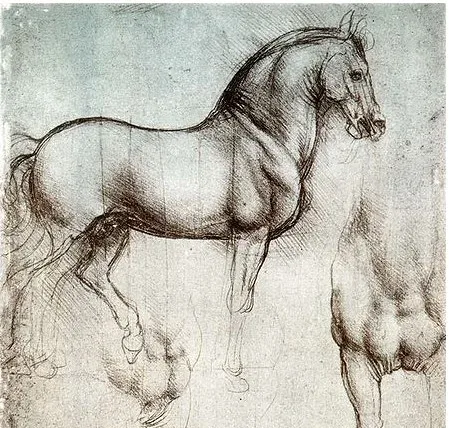
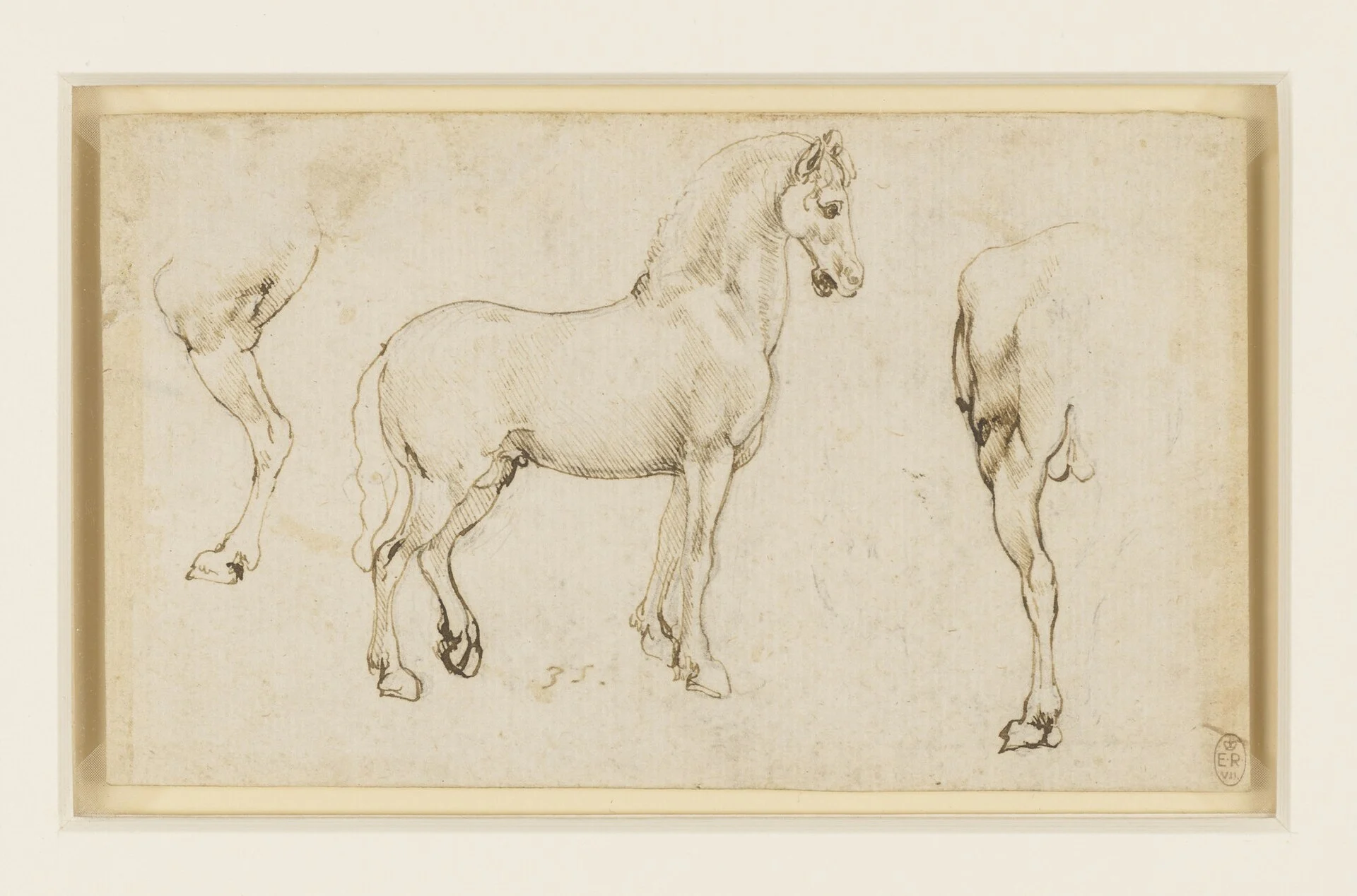
Leonardo da Vinci’s studies of horses are among the most extraordinary drawings in the history of art. He spent years studying horse anatomy — sketching from life, dissecting dead horses, measuring proportions with scientific precision. His notebooks contain page after page of horse studies: horses in motion, horses at rest, horses from every angle, muscles mapped with the same attention he gave to human anatomy. He was preparing for an enormous equestrian bronze — the Sforza horse — that was never cast in his lifetime, but the drawings survive as one of the most sustained and passionate engagements with the horse that any artist has ever produced.
Leonardo da Vinci and the Sforza Horse
In 1482 Leonardo was commissioned to create a bronze equestrian monument — a horse that was to be the largest bronze statue in the world, standing nearly eight metres tall. He spent seventeen years preparing. He studied horses obsessively, visited the stables of the Sforza court to sketch their thoroughbreds, dissected horses that had died, measured the proportions of every horse he could find. The horse was never cast — the 70 tonnes of bronze set aside for it were melted down for cannon when the French invaded in 1494. Only the drawings remain. They are extraordinary — among the most beautiful and technically profound horse studies ever made. Leonardo did not consider the horse a lesser subject than the human figure. He considered it an equal one.
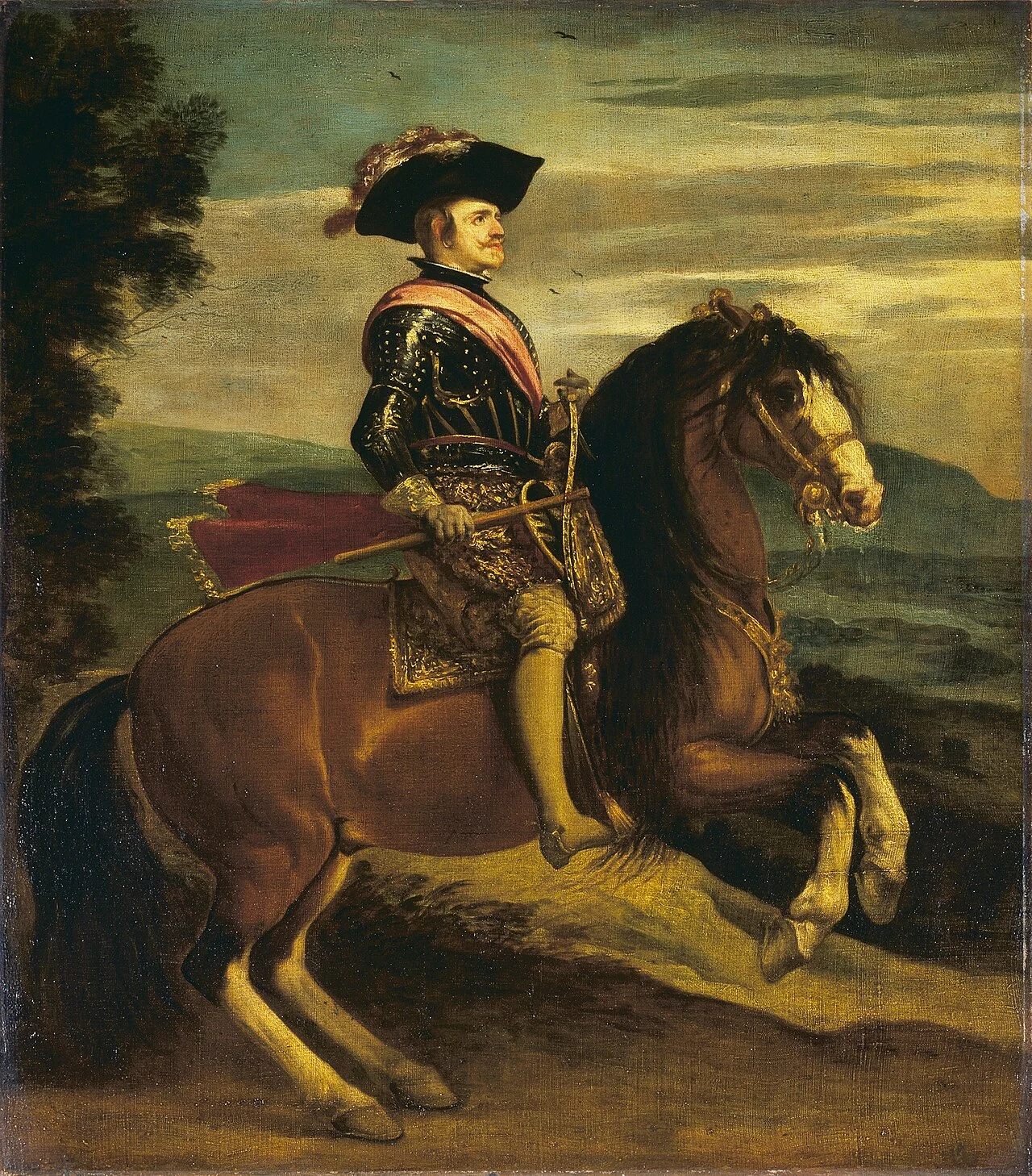
George Stubbs — Science Meets Art
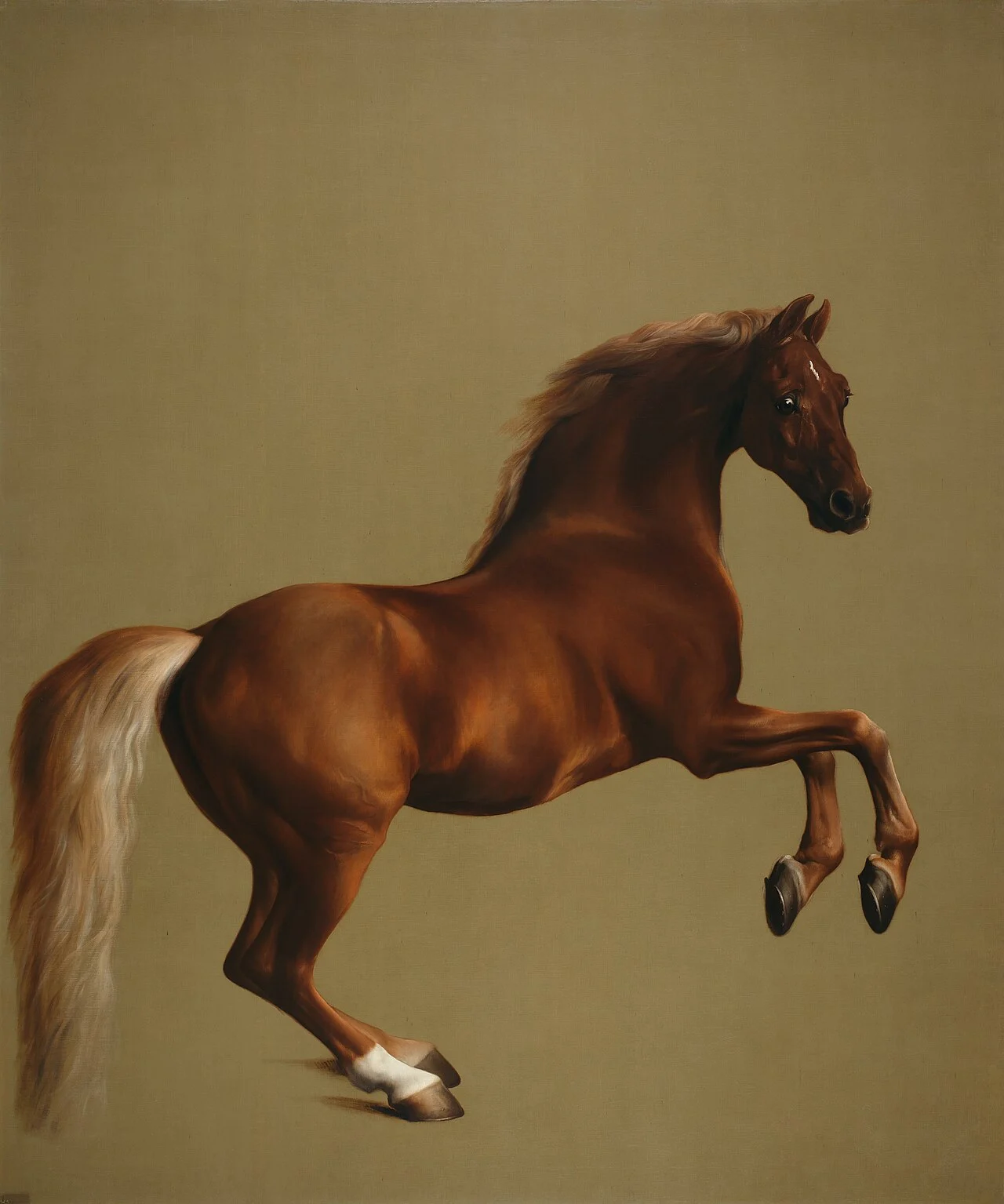
1724 – 1806George Stubbs occupies a unique position in the history of horse art. His 1766 book Anatomy of the Horse, for which he dissected horse after horse over eighteen months in an isolated Lincolnshire farmhouse, remains one of the most technically accomplished works of veterinary science ever produced — and it was made by a painter, not a scientist.
When he painted Whistlejacket, now in the National Gallery in London, he knew precisely where every muscle originated and inserted, how the skeleton moved beneath the coat, what the tendons were doing as the horse reared. The result is a painting of radical simplicity and extraordinary power: the horse alone on a plain background, occupying the entire canvas, described with a clarity that no artist before him had achieved. Whistlejacket is not a symbol. He is not carrying a king. He is simply, magnificently himself — and Stubbs’s genius was to understand that this was enough.
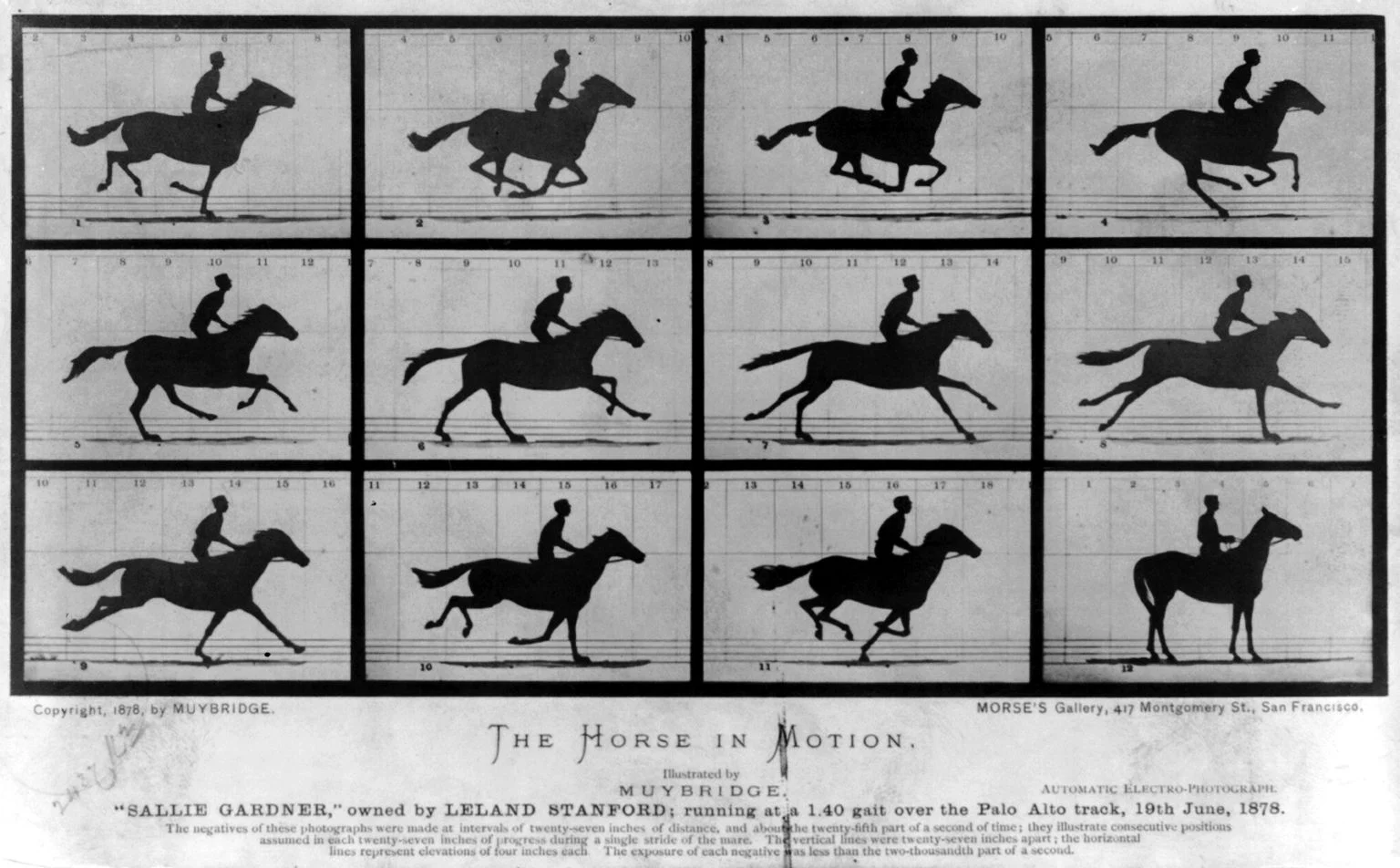
For centuries, artists depicted horses at the gallop with all four legs fully extended — front legs stretched forward, hind legs stretched back. It looks dynamic and feels right. It is also completely impossible. Eadweard Muybridge’s 1878 sequential photographs proved definitively that when all four of a horse’s legs are off the ground at the gallop, they are collected beneath the body, not extended. The discovery rocked the art world. How had thousands of artists got it so consistently wrong? The answer seems to be that the flying gallop simply looked like speed — it communicated the right feeling even while depicting an impossible reality. Art and anatomy had chosen opposite sides of the same truth.
The 19th Century — Photography Changes Everything
1800 – 1900Théodore Géricault painted horses with an almost obsessive intensity — his race scenes and military subjects are filled with horses pushing to their physical limits, expressing fear, exhaustion and wild energy. His horses are Romantic in the fullest sense: vehicles for human emotion as much as equine anatomy.
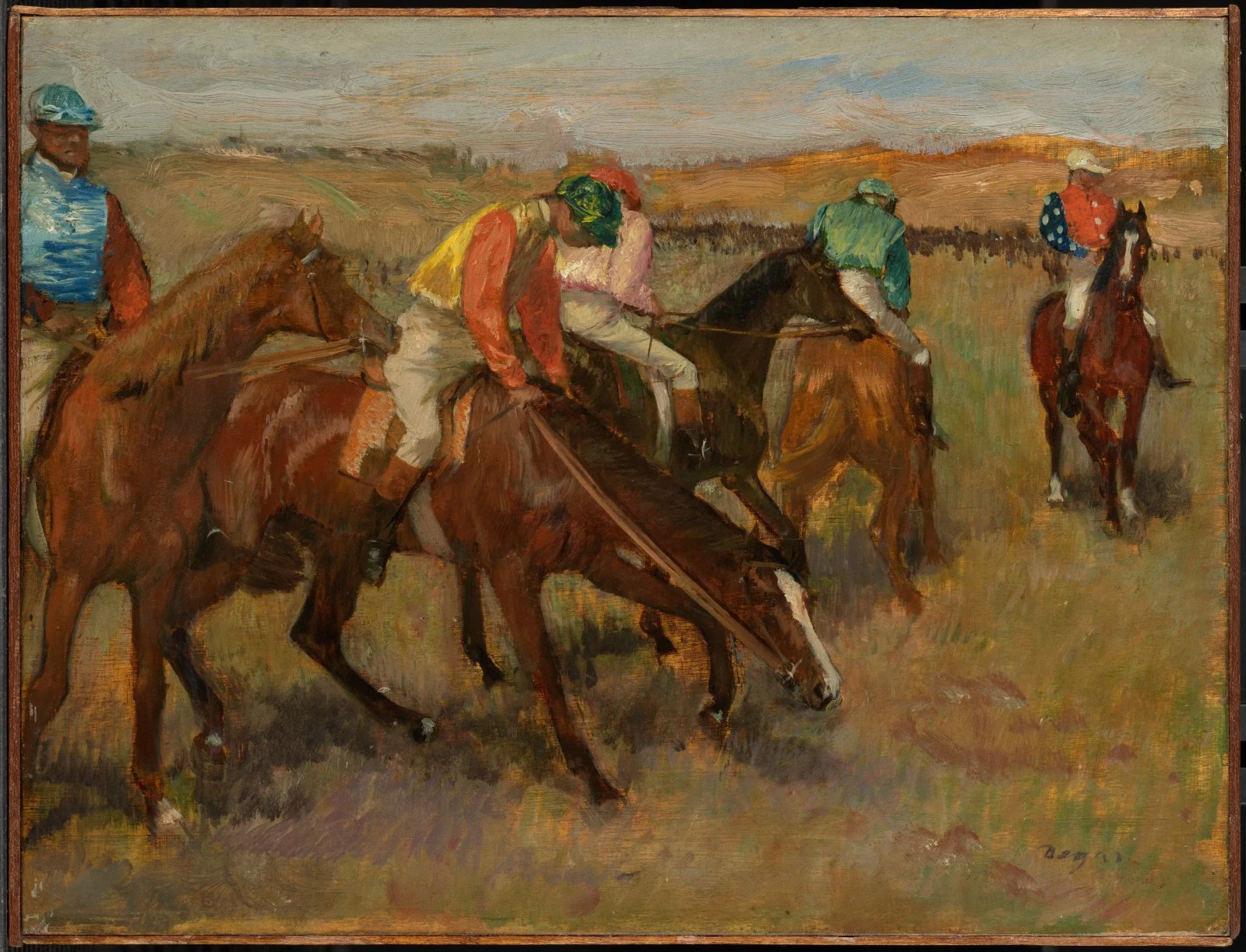
Edgar Degas brought a different sensibility entirely. Best known for his ballet dancers, Degas was equally fascinated by racehorses — and for the same reason. Both ballet and racing gave him access to bodies under extreme discipline in a controlled environment. His race scenes show horses from unusual angles, cropped by the frame, seen as part of a moving spectacle. They feel modern in a way that much equestrian painting does not. In 1878 Eadweard Muybridge’s sequential photographs revealed that the traditional extended gallop pose was anatomically impossible — and artists like Degas immediately incorporated the new knowledge into their work.
The 20th Century to Today
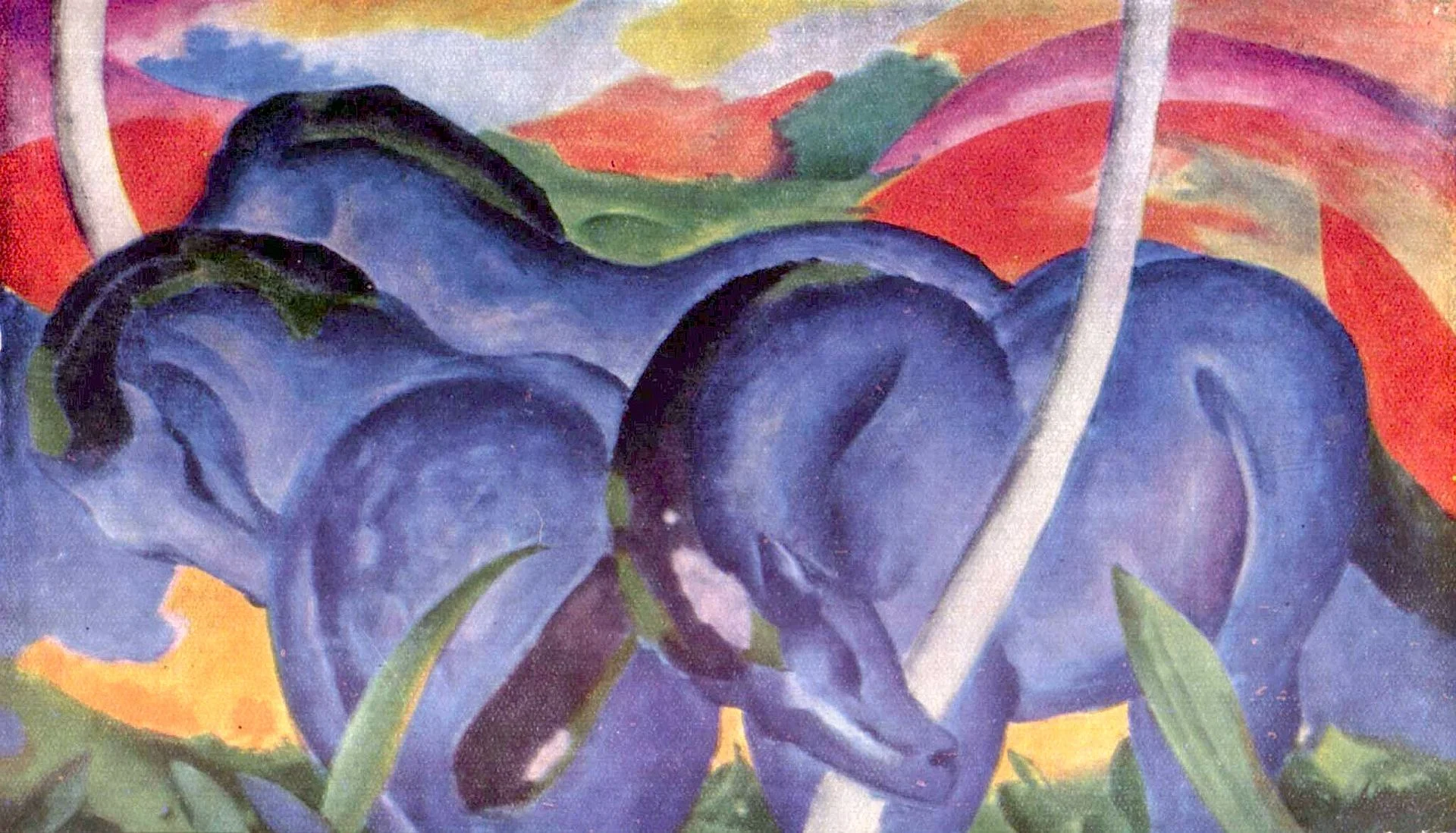
1900 – PresentFranz Marc, the German Expressionist, made horses the primary vehicle for his colour theory and spiritual vision. His blue horses, red horses and yellow horses are not realistic — they are emotional landscapes, explorations of the horse as a symbol of something pure and free that the modern world was destroying. Marc died in the First World War, surrounded by the death of horses in industrial warfare. His paintings feel prescient.
Contemporary equine art spans an enormous range — from hyper-realist paintings that continue to sell at auction for significant sums, to abstract and conceptual work using the horse as symbol or provocation. Digital art has opened new possibilities for depicting horse movement with accuracy that would have astonished the cave painters of Chauvet. And yet something persists across all of it — the same quality of attention to the horse that you can see in those first ochre marks on stone: the recognition that this animal is worth looking at carefully, again and again, because it rewards that attention in ways that nothing else quite does.
The Great Horse Artists — A Reference
Why Artists Keep Coming Back to Horses
I am often asked why I draw horses rather than other animals. The honest answer is that horses are the most demanding subject I know — and demanding subjects are the ones worth returning to.
The horse in motion is an almost impossibly complex technical problem. The musculature is intricate and varied. The proportions are subtle and unforgiving — a head that is a fraction too large, a leg a fraction too short, and the whole drawing collapses into wrongness that the eye detects immediately even if the viewer cannot articulate why. Unlike the human figure, which most people can evaluate from a lifetime of observation, the horse tests every viewer who has spent time around horses — and those people will notice every error.
But the challenge is only part of it. The deeper reason artists return to horses is the same reason the cave painters at Chauvet returned to them thirty thousand years ago: horses carry meaning that no other animal quite carries. They have been power and freedom and speed and grace and terror and tenderness. They have carried us into battle and into harvest and into ceremony. Every artist who draws a horse is drawing all of that history — whether they mean to or not.
After 45 years with horses and many years drawing them, I am still learning to see them. That is what I love most about this subject — it does not let you get complacent. Every time I sit down to draw a horse I am engaged in the same project as the artists at Lascaux: trying to capture something alive and true in a medium that is fundamentally still. I do not always succeed. But the attempt is always worth making.
See the Art — Commissions & Gallery
Fine line horse and animal art inspired by 45 years of living with these extraordinary animals. Visit the Art by Jenni B gallery or enquire about a commission.
View the Gallery →