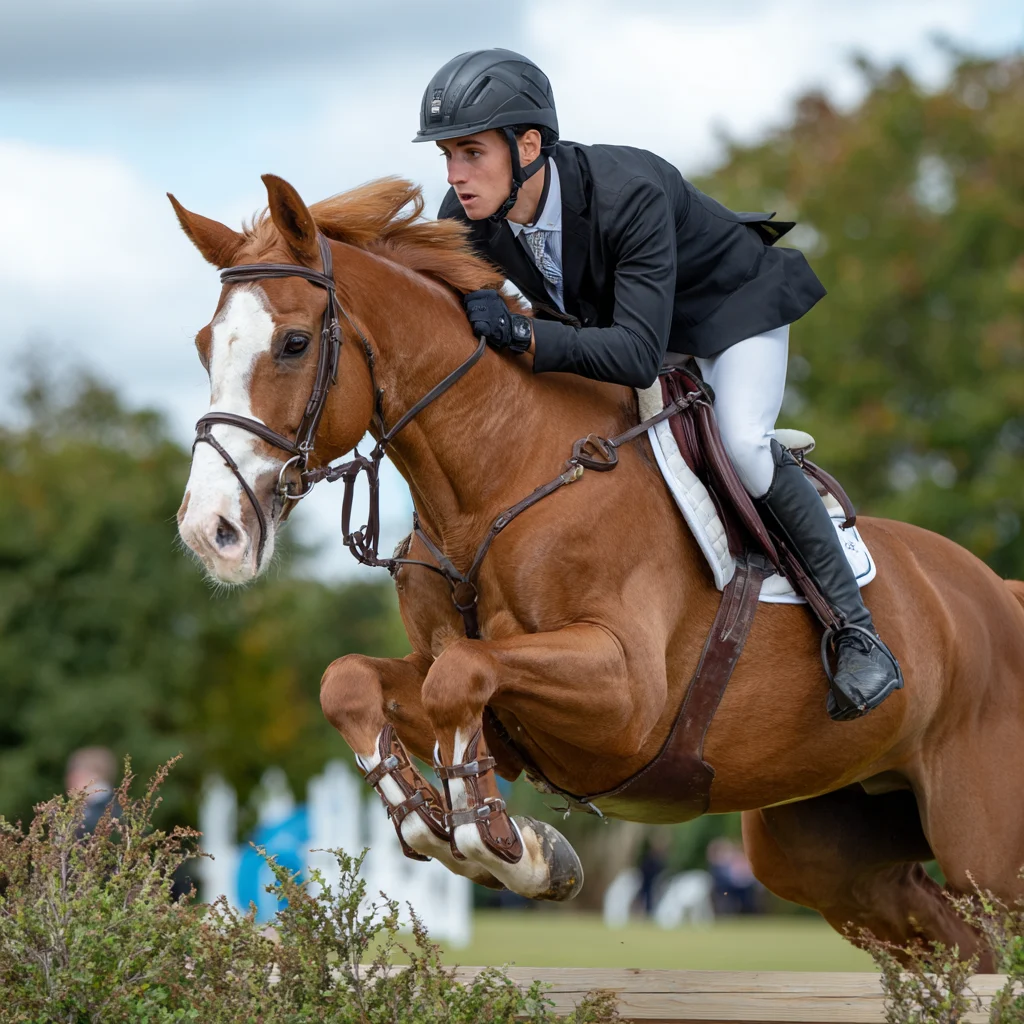
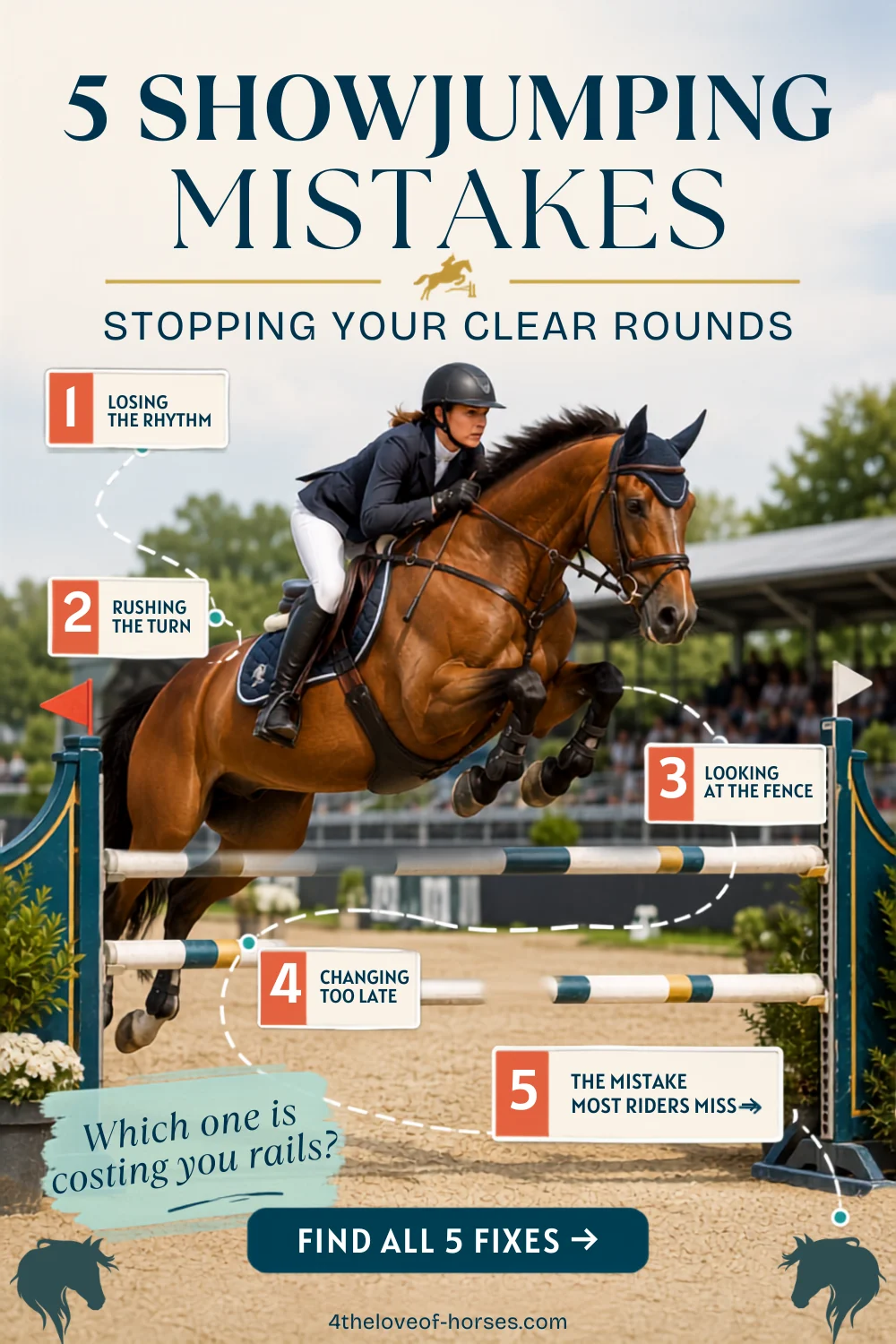
5 Showjumping Mistakes stopping Your Clear Rounds (And How to Fix Them)

You’re warming up, feeling confident. Your horse is listening, the course looks manageable, and you’re ready to nail this round. Then you enter the ring and… rail down on fence three. Another at the combination. Maybe a refusal at the oxer. Sound familiar?
Here’s the thing: most riders who struggle to get clear rounds aren’t dealing with a horse problem or a lack of ability. They’re making the same five mistakes that prevent thousands of showjumpers from achieving their potential. The good news? These mistakes are completely fixable once you know what to look for.
After decades of training showjumpers at every level, I’ve seen these same patterns repeat over and over. Riders come to me frustrated, thinking they need a different horse or more expensive training. But when we fix these five fundamental mistakes, their clear round rate transforms almost immediately.
Let’s dive into the exact mistakes that are costing you clear rounds—and more importantly, how to fix them starting at your very next training session.
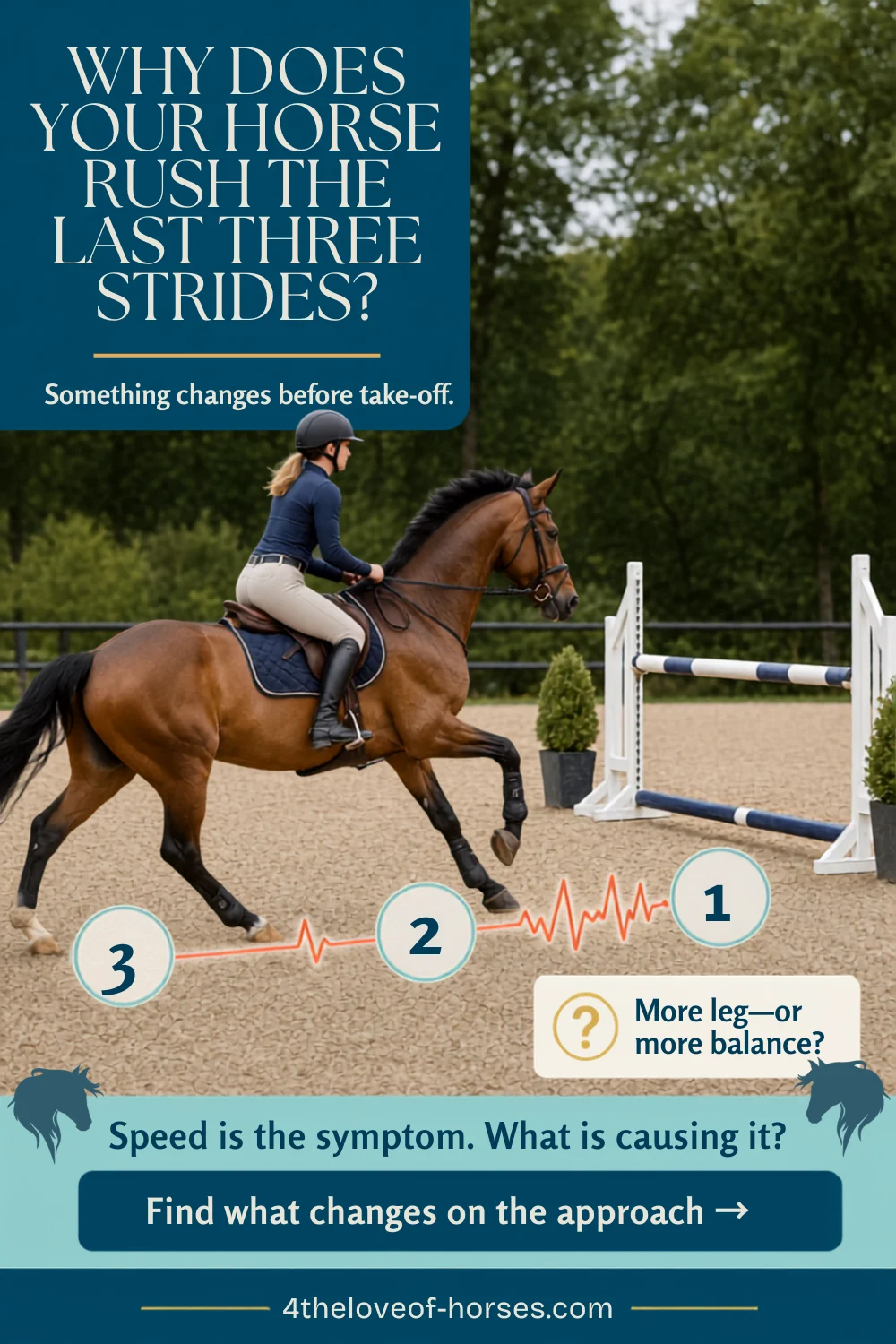
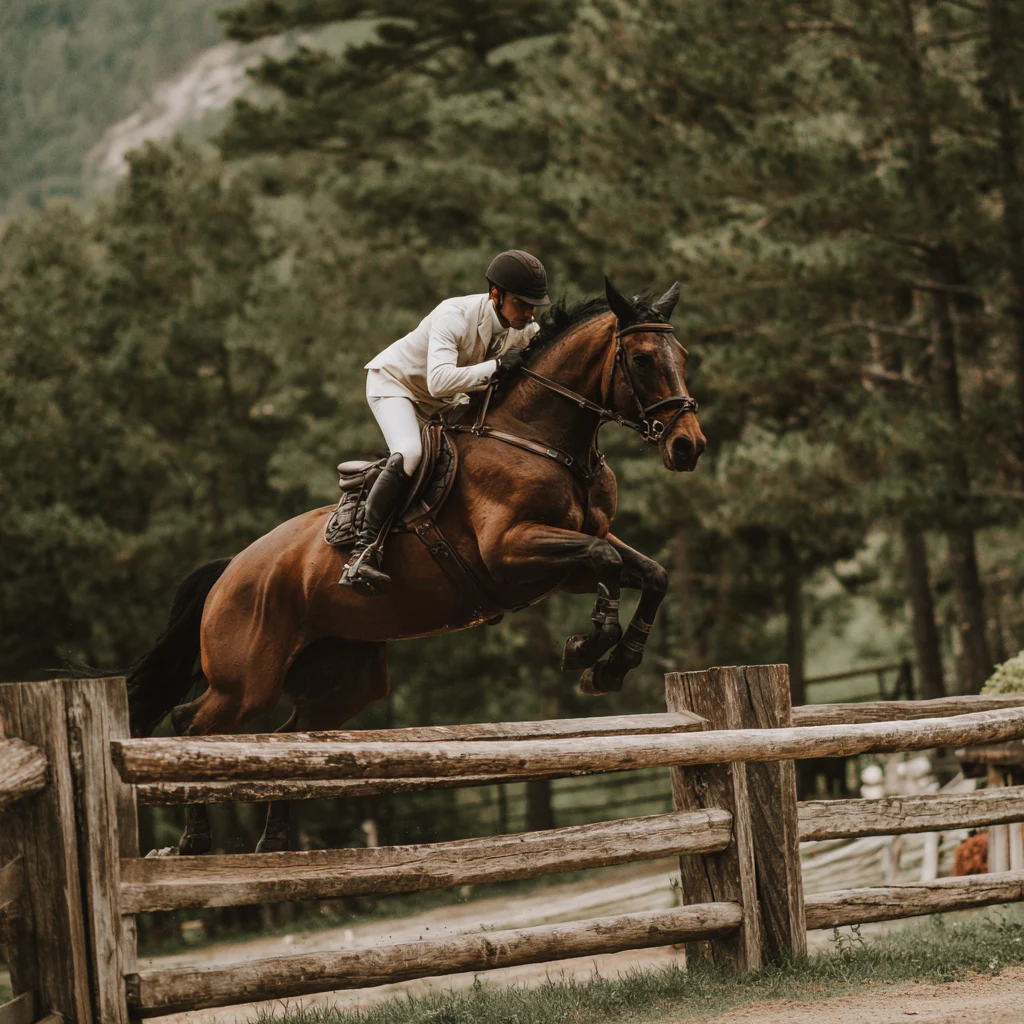
Mistake #1: Looking Down at Your Jumps
The Problem
You’re approaching a fence and your eyes drop down to look at it. Maybe you’re checking the distance, or you’re nervous about the jump, or you’re just not sure where else to look. Whatever the reason, looking down at jumps is one of the most common—and most costly—mistakes in showjumping.
Why It Happens
Looking down feels natural when you’re uncertain. Your brain wants to assess the situation, measure the takeoff point, and make sure you’re on track. For nervous riders, looking at the jump provides a sense of control. The problem is, it actually does the complete opposite.
Why It’s Killing Your Clear Rounds
Here’s the fundamental truth about riding: your body goes where your eyes go. When you look down, your upper body automatically tips forward. This forward collapse:
- Puts you ahead of your horse’s motion
- Makes it harder for your horse to lift their front end
- Disrupts their balance at the critical moment of takeoff
- Often results in knocked rails or awkward jumps
- Creates a domino effect for the rest of your course
Think of it this way: imagine trying to walk across a balance beam while staring at your feet. You’d wobble and likely fall off. But when you look ahead at your destination, you walk across confidently. The same principle applies to jumping.
The Fix
Pick a landmark beyond each jump and look at that instead. This could be:
- A tree in the distance
- A letter marker on the far side of the arena
- The judge’s stand
- A building or fence line
- Any fixed point well past the jump
Here’s your action plan:
- During course walking: Identify your landmark for every single jump. Write it on your course walking worksheet: “Jump 3 – look at the oak tree.”
- In training: Practice at home by setting up ground poles or small fences. Before you even approach, say out loud, “I’m looking at [landmark].” This verbal cue helps cement the habit.
- Count your rhythm: As you approach each jump, count “1-2-3-4” out loud. This gives your mind something to focus on besides looking down.
- The “chin up” cue: Before every jump, think “chin up, eyes up.” Make it your mantra.
Pro Tip: Video yourself jumping and watch it back. You’ll be shocked at how often you look down without even realizing it. Once you see it on video, you’ll become much more aware and can consciously correct it.
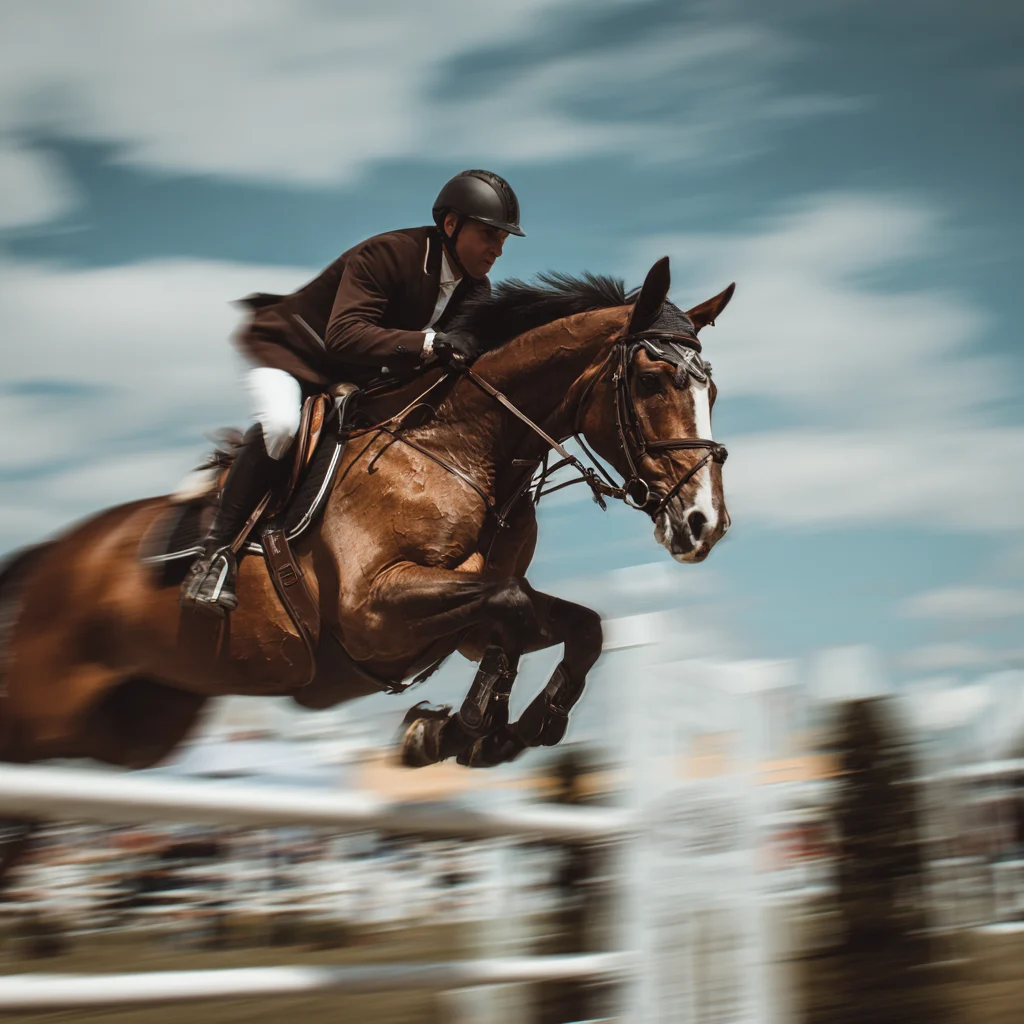
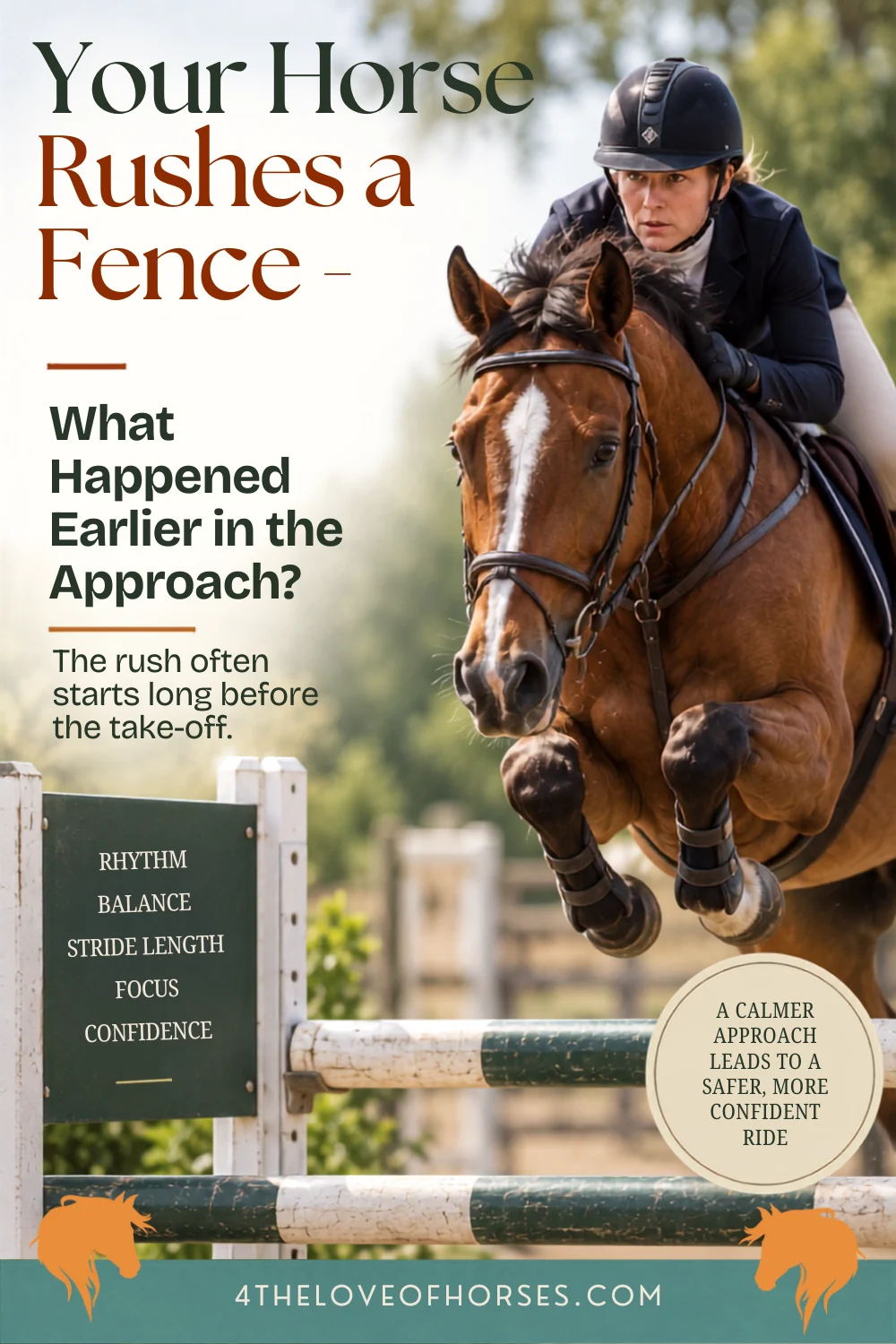
Mistake #2: Rushing the Approach
The Problem
You see the jump ahead and unconsciously speed up. Maybe you’re nervous and want to “get it over with,” or you think speed equals power. Your horse starts rushing, you lose the rhythm you had, and you arrive at the jump on an awkward stride. Rails come down or your horse chips in an extra stride at the last second.
Why It Happens
Rushing is almost always a symptom of nerves—either yours or your horse’s (or both). Adrenaline kicks in, you grip with your legs, your horse responds by going faster, and suddenly you’re in a vicious cycle. Many riders also mistakenly believe that going faster helps their horse jump bigger. It doesn’t.
Why It’s Killing Your Clear Rounds
Speed without balance is useless in showjumping. When you rush:
- Your horse becomes strung out and flat
- They can’t engage their hindquarters properly for takeoff
- You lose the ability to find a good distance
- Every stride becomes unpredictable
- Your horse starts anticipating and becomes more difficult to ride
- Combinations become nearly impossible to ride smoothly
The truth: Power comes from engagement and impulsion, not from speed. A balanced canter with good energy will always jump better than a fast, flat gallop.
The Fix
Focus on rhythm, not speed. Think of your approach like a metronome—steady, consistent, reliable.
Here’s how to establish and maintain rhythm:
- Count to every jump: Say “1-2-3-4, 1-2-3-4” in rhythm with your horse’s canter strides. This external focus keeps you from speeding up unconsciously.
- Establish rhythm early: Get your rhythm on the flat before you ever point at a jump. Once you have it, your only job is to maintain it—not change it.
- Use half-halts: If you feel yourself speeding up, use a half-halt to rebalance. Sit deep, close your fingers on the reins for a moment, then release. Don’t pull—just “pause” the forward motion.
- Practice transitions: At home, work on canter-walk-canter transitions. This teaches both you and your horse that you can control the pace without pulling or fighting.
- The “too slow” exercise: For one training session, deliberately ride slower than you think you should. Most riders discover they can actually jump better at this “too slow” pace because the horse stays balanced.
Pro Tip: Record yourself counting to jumps. Listen back—is your counting speeding up as you approach? If so, you’re rushing. Practice counting at a metronome pace (download a metronome app) to train your internal rhythm.
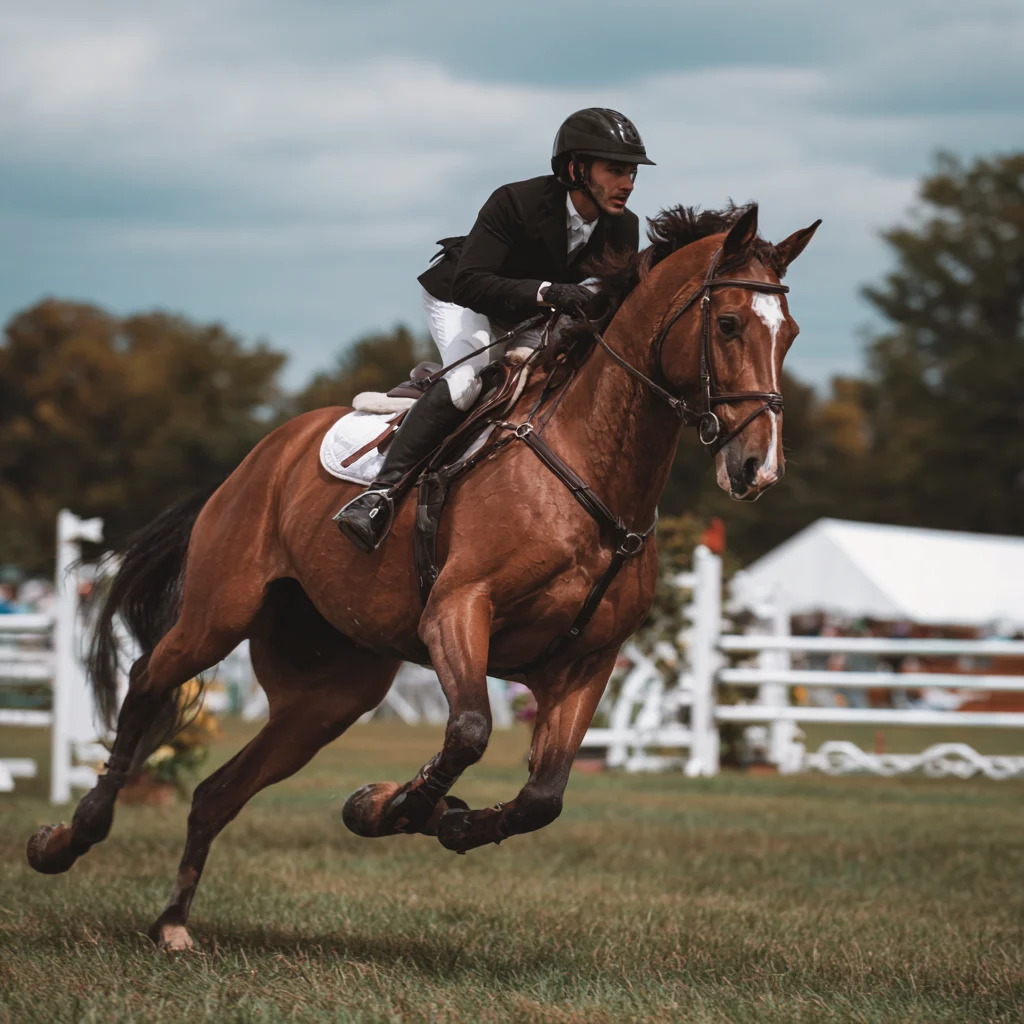
Mistake #3: Forgetting to Count Strides Between Jumps
The Problem
You jump fence one, land, look for fence two… and have no idea how many strides should fit between them. You’re guessing, hoping, and letting your horse figure it out. Sometimes it works. Often it doesn’t. Related distances become a lottery, and combinations feel like you’re just hanging on and hoping for the best.
Why It Happens
Stride counting isn’t intuitive—it’s a learned skill that requires practice. Many riders never learned to count strides properly, or they know they should but forget in the heat of competition. It feels like extra mental work when you’re already managing so many things.
Why It’s Killing Your Clear Rounds
Without counting strides, you can’t plan your ride. You can’t adjust if you’re coming in long or short. You can’t prepare your horse for what’s coming. The result:
- Awkward takeoff spots that lead to rails down
- Meeting jumps wrong in combinations (too close or too far back)
- Inability to make decisions about adding or leaving out strides
- Your horse learning to ignore you and make their own decisions
- Increasing anxiety because you never feel in control
Related distances (1-2 strides or 3-4 strides between jumps) are particularly crucial. These distances are set to ride a specific way, and if you don’t know the plan, you’re leaving it all to chance.
The Fix
Make stride counting automatic through deliberate practice.
Here’s your step-by-step training plan:
- Learn the formula:
- 1 horse stride = approximately 12 feet (3.6 meters)
- When walking: 1 horse stride = 3 human walking steps (heel-to-toe)
- Most horses jump from about 6 feet (2 meters) before the jump
- They land about 6 feet (2 meters) after the jump
- Walk courses religiously: At every show, walk the course and count out loud. “Landing… 1, 2, 3, 4, 5, 6… takeoff.” Write it down on your worksheet.
- Practice at home with ground poles: Set up two ground poles with known distances:
- 18-19 feet = 1 stride
- 30-32 feet = 2 strides
- 42-44 feet = 3 strides
- 54-56 feet = 4 strides
- Count OUT LOUD while riding: Yes, really. Say “JUMP, one, two, three, four, JUMP” as you ride lines at home. This cements the habit.
- Start simple: Begin by counting strides on straight lines only. Once that’s automatic, add it to turns and combinations.
- Know your horse: Is your horse short-strided or long-strided? A horse with a big stride might fit 5 strides where most horses need 6. Adjust your counting accordingly.
Pro Tip: At your next show, watch several rounds before yours and count the strides in the lines. You’ll see patterns—most horses doing 6 strides here, 4 strides there. This gives you confidence in your own count and shows you what’s riding well.
Mistake #4: Getting Tense Through Combinations
The Problem
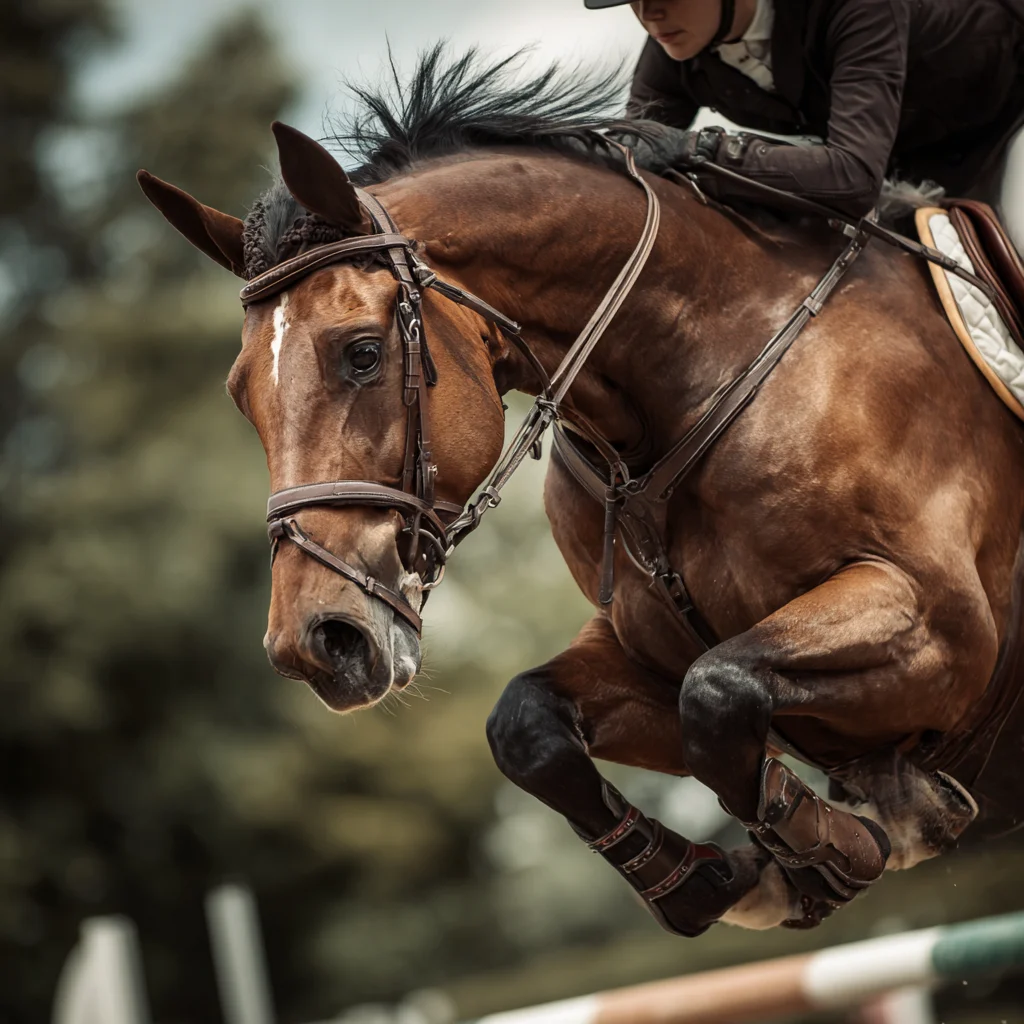
You’re riding well, feeling good, and then you approach a combination. Suddenly your shoulders tighten, your hands grip, your legs clamp on, and you hold your breath. Your horse feels all this tension and responds by getting tight themselves. You both jump poorly through the combination—rails down, awkward distances, maybe even a refusal.
Why It Happens
Combinations are scary! Two or three jumps in quick succession with no time to regroup in between. Your brain knows this is a challenging moment, so your body’s natural stress response kicks in. You’re trying so hard to “get it right” that you actually make it harder.
Fear of combinations often comes from past bad experiences. Maybe you’ve had stops or falls in combinations before. That memory creates anticipation, which creates tension, which creates problems—a self-fulfilling prophecy.
Why It’s Killing Your Clear Rounds
Tension is contagious. When you tense up:
- Your horse tenses up in response
- A tense horse can’t use their body properly—they hollow their back and stiffen
- Your tight hands restrict their head and neck motion (which they need to jump)
- Your clamped legs make it harder for them to move forward freely
- The first jump suffers, which makes the second jump even harder
- Everything feels like a struggle instead of a partnership
Combinations require flow, rhythm, and trust. Tension destroys all three.
The Fix
Stay soft, breathe, and trust your preparation.
Here’s your anti-tension toolkit:
- Breathe deliberately: As you approach a combination, take one big breath in. Then exhale slowly as you jump the first element. Continue breathing through the entire combination. You literally cannot be as tense when you’re breathing properly.
- Soft hands mantra: Before every combination, think “soft hands, following hands.” Imagine your hands belonging to someone else—someone very gentle and kind. Your hands should follow your horse’s mouth, not restrict it.
- Release between elements: After landing from the first jump in a combination, consciously soften your rein contact for a moment. This gives your horse a brief release and helps them stay relaxed.
- Leg on, hands soft: Keep your leg gently on to maintain forward energy, but keep your hands soft. Forward fixes problems; backward creates them.
- Practice at home with calmness: Set up simple one-stride combinations at home. Make them easy. Ride through them repeatedly until they feel boring and normal. The more routine they become, the less scary they’ll be at shows.
- Visualize success: Before your round, mentally ride every combination in your course. See yourself staying relaxed, breathing, and flowing through them beautifully. Your body will follow what your mind rehearses.
Pro Tip: Some riders find it helpful to hum or sing quietly through combinations. You can’t hold your breath while humming, and the distraction keeps you from overthinking. Pick a simple tune and hum it as you ride through—it sounds silly but it works!
Mistake #5: Not Walking the Course Thoroughly
The Problem
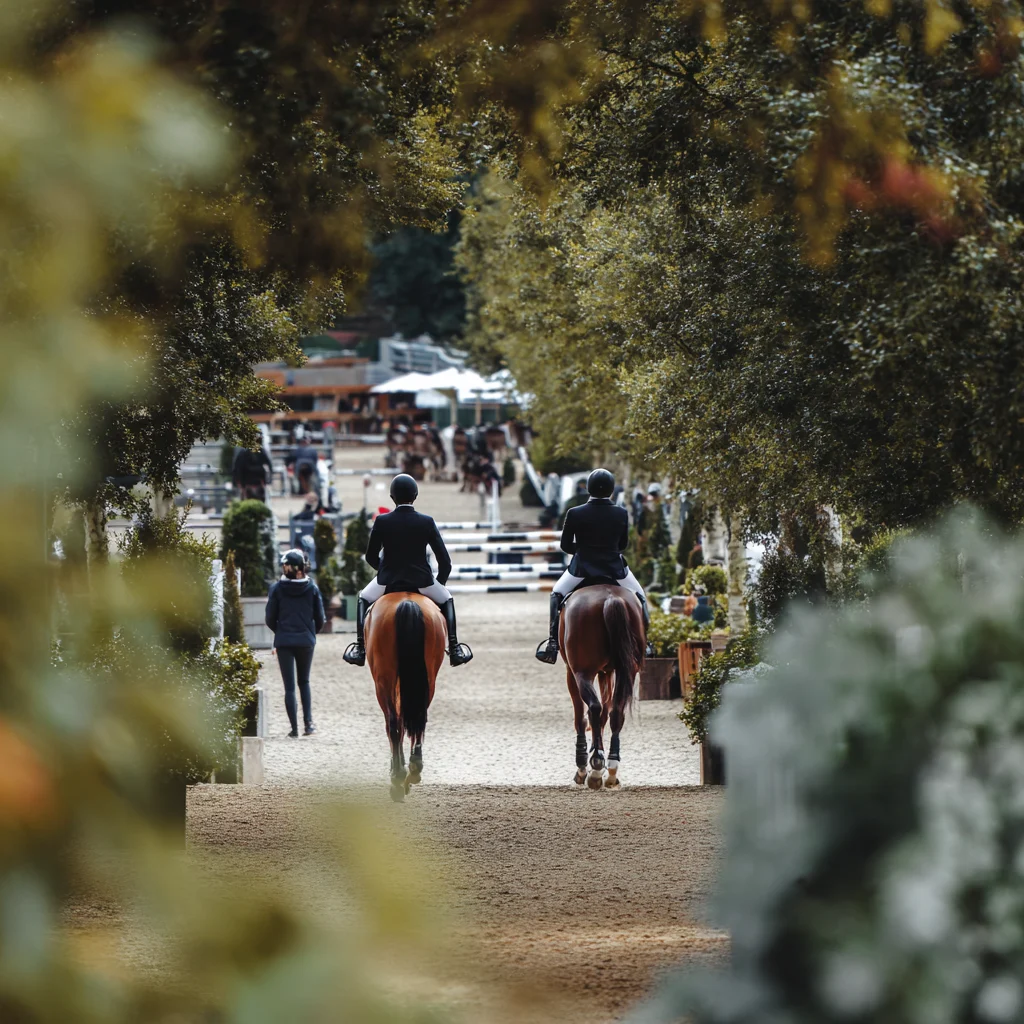
Course walking time comes and you rush through it. Maybe you walk it once, quickly, just looking at the jumps. You don’t count strides, don’t plan your turns, don’t note the tricky spots. Then you get in the ring and realize you have no plan—you’re reacting instead of executing, and that split-second confusion costs you rails.
Why It Happens
Course walking feels less important than actual riding. It’s boring. It’s time-consuming. You feel awkward walking around on foot with other people watching. You’re nervous and want to get it over with. Or maybe you just don’t know what to look for when walking, so you go through the motions without really learning the course.
Some riders think they can “figure it out” when they’re riding. After all, horses jump the jumps in order, right? How hard can it be?
Why It’s Killing Your Clear Rounds
You cannot ride well what you have not planned. Walking the course is where you:
- Learn the course layout and memorize the jump order
- Count strides in related distances
- Plan your approach and track to each jump
- Identify potential problems before they happen
- Build confidence through mental preparation
- Create a strategy for success
Without a thorough course walk:
- You make decisions too late (after you’ve already made mistakes)
- You forget jump numbers or go off course
- You miss related distances entirely
- You approach jumps from bad angles
- You don’t see problems coming until they’re already happening
- You ride reactively instead of proactively
The riders who consistently place well aren’t necessarily riding better horses—they’re riding better courses because they walked them better.
The Fix
Develop a systematic course walking routine and never skip it.
Here’s the professional course walking system:
Walk #1 – Learning the Course (First pass)
- Walk the exact track: Don’t cut corners. Walk the actual path you’ll ride, including your turns.
- Count strides: In every line and related distance, count out loud. Write it down.
- Note jump types: Vertical, oxer, combination? Note anything unusual (like spooky fillers or different-looking jumps).
- Identify challenges: Tight turns? Long approaches? Jumps near scary things? Write them down.
Walk #2 – Planning Your Ride (Second pass)
- Pick landmarks: For every jump, identify where you’ll look (beyond the jump).
- Plan your pace: Where do you need more forward? Where should you steady?
- Visualize: As you walk, picture yourself riding it perfectly. See yourself making the turn, counting the strides, jumping clear.
- Double-check numbers: Make absolutely certain you know the jump order. Visualize riding jump 1… to jump 2… to jump 3… etc.
Walk #3 – Final Review (If time permits)
- Focus on trouble spots: Re-walk any combinations or tricky lines.
- Test your memory: Can you recite the entire course from memory? Try it.
- Stay positive: End with confident visualization. See yourself jumping clear.
Use a course walking worksheet (download one in our free checklist—more on that below!). Having a template to fill out forces you to think about every aspect of the course.
Pro Tip: Watch other riders go before you and observe how the course is riding. Are horses adding a stride in a particular line? Is a certain jump riding spookier than expected? This real-time information is invaluable and can only be gathered if you pay attention.
The Bottom Line: These Fixes Work
Here’s what I want you to understand: these five mistakes aren’t character flaws or signs that you’re not talented enough for showjumping. They’re habits. And habits can be changed.
The riders who make it to the top of the sport aren’t necessarily more naturally gifted than you. What sets them apart is that they’ve identified and fixed these fundamental mistakes. They look ahead, not down. They ride with rhythm, not speed. They count strides automatically. They stay soft through combinations. And they walk every course like their clear round depends on it—because it does.
You can start implementing these fixes in your very next training session:
- This week in training: Pick ONE mistake to focus on. Don’t try to fix all five at once. Maybe this week is “look up” week. Make that your only focus until it becomes automatic.
- Next week: Add the second fix while maintaining the first. Now you’re looking up AND maintaining rhythm.
- Continue building: Keep adding one fix at a time until all five become your new normal.
Practice these corrections at home, at lower heights, until they become muscle memory. Then when you’re at a show with adrenaline pumping, your body will default to these correct habits instead of the old mistakes.
Your Next Steps
Ready to transform your clear round rate? Start by downloading our FREE Showjumping Competition Checklist & Course Walking Guide. It includes:
✓ Printable course walking worksheet (use at every show!)
✓ Complete show day checklists (never forget equipment again)
✓ Jump types with approach strategies
✓ 20-minute warm-up routine
✓ Scoring rules and competition types explained
✓ Height conversion charts
✓ Progress tracker for logging your results
✓ 14 pages of professional guidance
Download Your FREE Showjumping Competition Checklist Here →
The course walking worksheet alone will revolutionize how you prepare for competitions—it prompts you to think about every single element we covered in Mistake #5.
Want to dive deeper into showjumping fundamentals? Check out our complete Showjumping for Beginners Guide which covers equipment, course design, basic techniques, competition formats, and training foundations in detail.
Your turn: Which of these five mistakes do you struggle with most? Start with that one. Fix it first. Then come back and tackle the next one. Before you know it, you’ll be riding clear rounds consistently—and wondering why these mistakes ever held you back in the first place.
Remember: every Olympic rider started where you are now, making these same mistakes. The difference is, they fixed them. Now it’s your turn.
Happy jumping! 🏇


Leave a Reply