Do Horses Get Jealous? A Stallion Owner’s Dramatic Lesson in Equine Emotions

One morning I made a small decision that changed how I understood horses forever. I rode a young Thoroughbred before my stallion Carrick — something I had never done before. What happened next left me on the ground, staring at the sky, completely rethinking everything I thought I knew about equine emotions.
Can horses feel jealous? After 45 years with horses and 25 years breeding warmbloods, my answer is an unequivocal yes — though perhaps not in the way you’d expect.
Here’s what the science says, what I’ve witnessed firsthand, and what it means for how you manage your horses.
Quick answer: Yes, horses can experience jealousy-like behaviour, though scientists debate whether it’s true jealousy or sophisticated resource-guarding. Horses show possessiveness over their companions, food, space, and even their human caretakers. This behaviour can be dangerous and needs to be managed carefully.
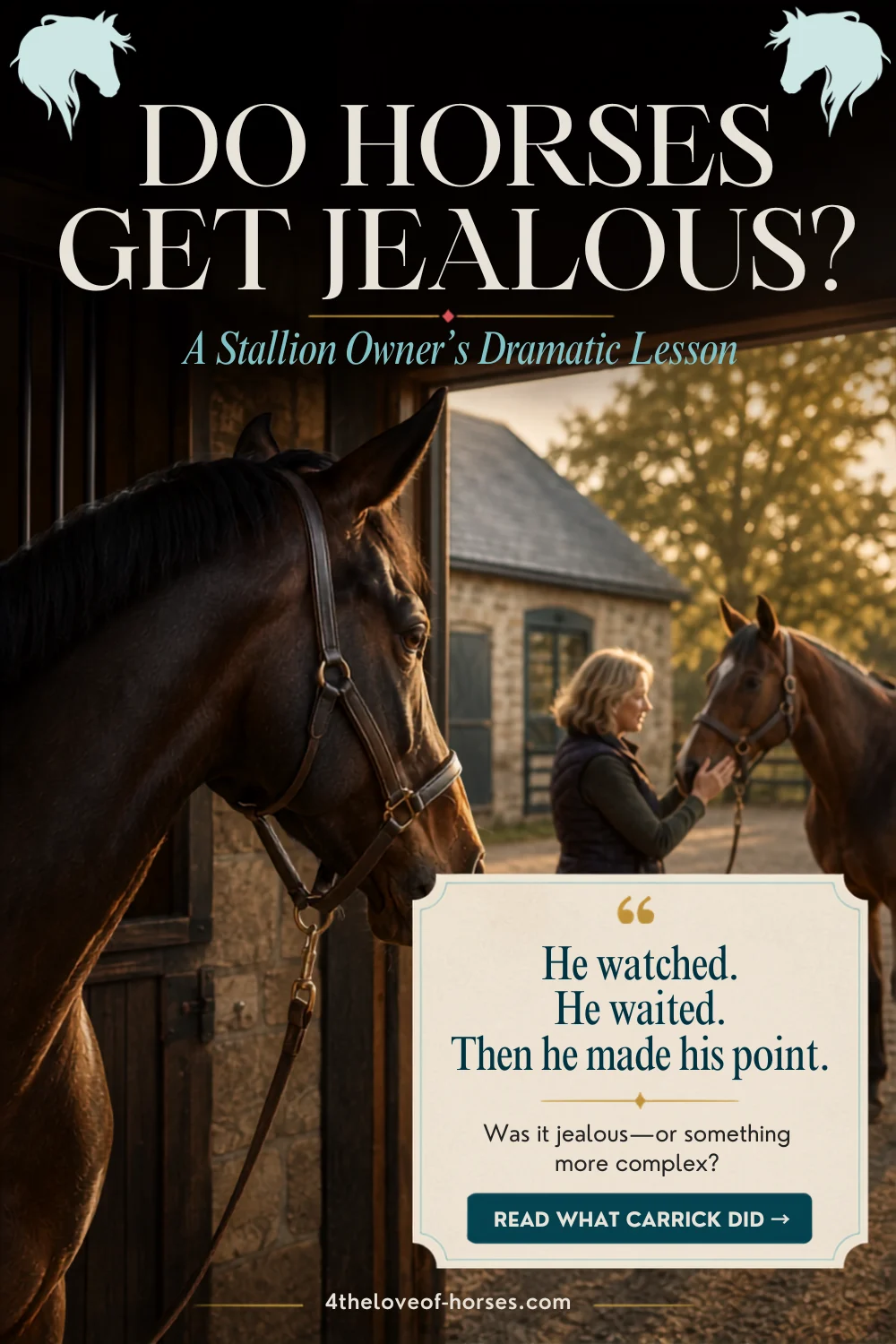
My Personal Experience: When Carrick Taught Me About Jealousy
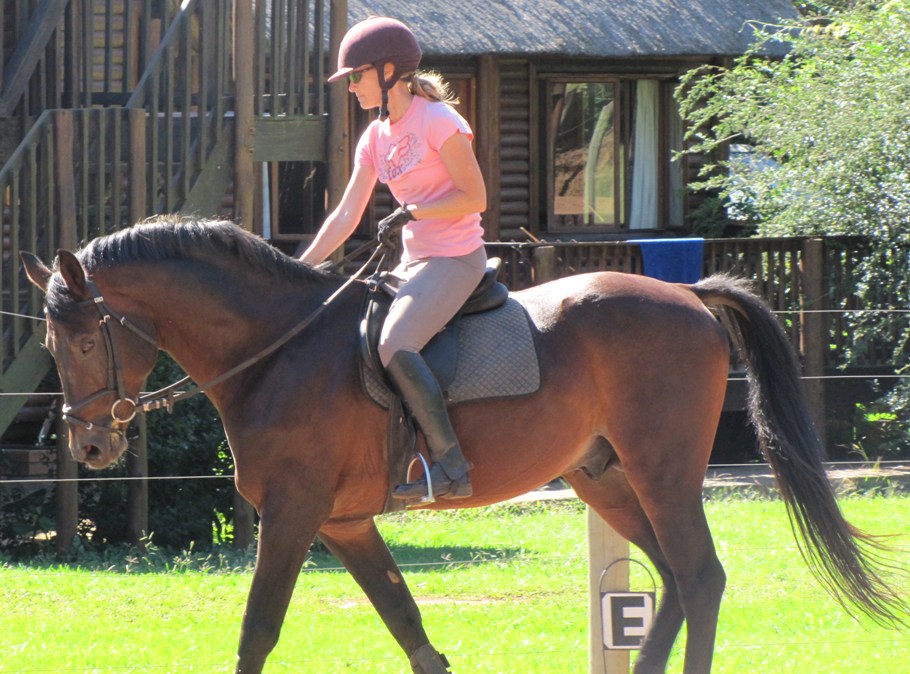
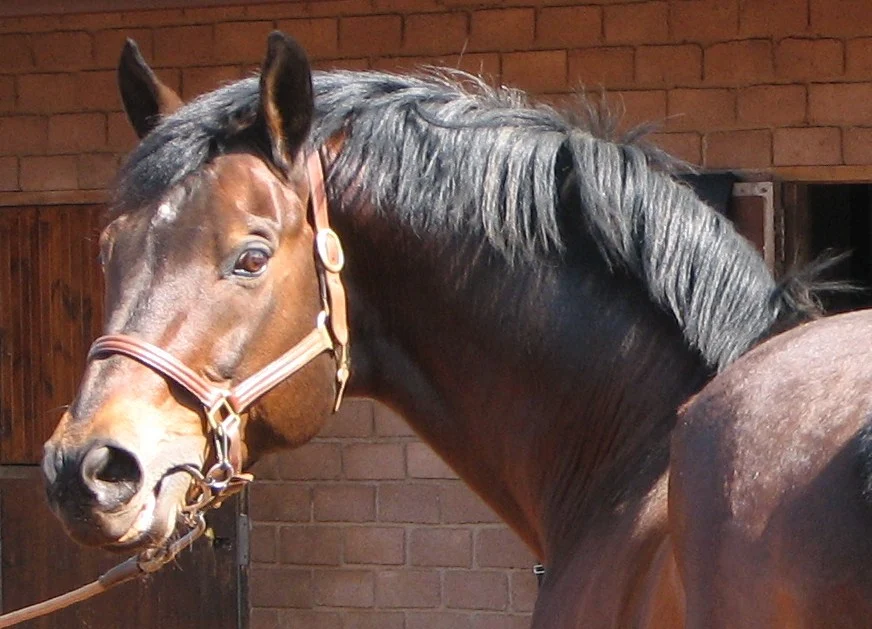
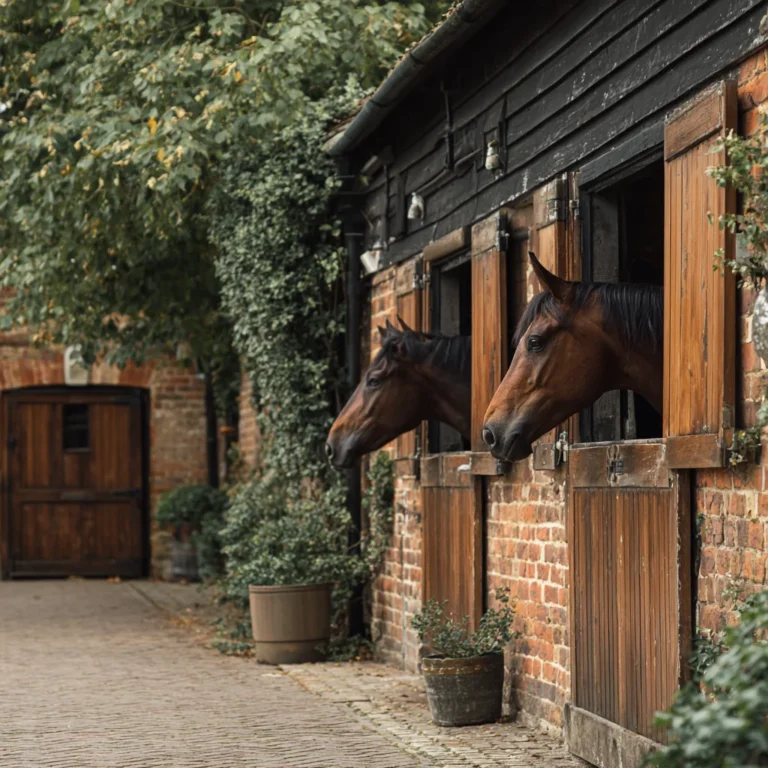
Carrick, my first stallion, wasn’t the most affectionate horse. He loved a good scratch in specific spots on his neck or shoulder and would position himself precisely to be scratched over his stable door—this was our thing. He genuinely enjoyed being ridden, and when not working or turned out, he spent hours watching the stable yard from his window, observing all the activity. His stall door faced the busy yard, and he rarely looked toward the quiet paddock on the other side.
I rode every morning, and Carrick was always first. One morning, I decided to ride a young Thoroughbred gelding before Carrick instead because I had a friend over to ride with me and it was better to ride the young thorougbred with her first.
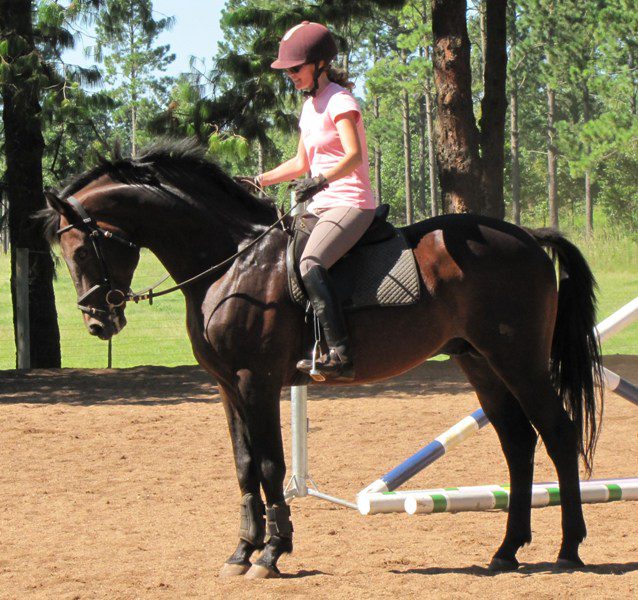
While I tacked up the young horse, I felt Carrick’s eyes on me—intense, unwavering, watching my every move from the window of his stable, which looked out on all the other stables and horses; he could keep track of what all the other horses (and me) were up to. After riding the gelding, I noticed Carrick was still there, his gaze locked on me.
The friend riding with me commented on how Carrick was watching my every move. When I went to tack him up, he was unusually impatient, shifting and fidgeting—completely unlike him. I brought him out of the stable, and when I attempted to mount, he kicked out violently.
I was really surprised – I reprimanded him – “Carrick, stop that!” – and got on him. Once in the saddle, I asked him to walk forward. He immediately violently threw his head down and started bucking with absolute determination to get me off his back.
I sat three big bucks, shouting at him to stop, and somehow guided him toward some large shaving bags, thinking he would stop in front of them. Instead, he jumped them and as he landed he let out the hugest buck which sent me flying.
I was stunned. This behavior was completely out of character. Despite being a breeding stallion, Carrick had always been a pleasure to ride—never difficult, never temperamental.
I realised: he was jealous and angry with me.
He’d watched me give attention to another horse first. His reaction was a powerful, unmistakable message about his emotions and needs.
That incident fundamentally changed how I viewed my horses. I became acutely aware of Carrick’s feelings and realized how important it was to respect him as an individual with complex emotions. He taught me more in that five-minute episode than years of textbook learning ever could.
The Aftermath
Carrick never behaved like that again. He was ridden for many more years without incident—mostly because I became far more aware of his emotional needs. I made sure to ride him first, and if that wasn’t possible, I learned to close his window so he couldn’t watch me with other horses.
That’s when I truly understood: horses don’t just feel emotions—they expect us to acknowledge and respect those feelings.
What Science Says About Horse Jealousy
Defining jealousy in animals
The best way to describe jealousy in horses: protective and vigilant behaviour over their possessions. They’re not jealous of status in the human sense, but they are possessive and protective over their food supplies, space, their herd, and the attention of those who care for them.
Key studies
PLOS ONE (2017): Examined social relationships between 20 semi-feral ponies and found that horses form very close social bonds with certain individuals. When separated from preferred companions, horses experience genuine stress and anxiety — suggesting they’re capable of emotions like jealousy or envy.
Journal of Veterinary Behavior (2013): Found that horses can distinguish between happy and angry facial expressions in other horses and are more likely to approach a happy face. This ability to read emotional cues suggests horses experience a range of emotions.
Behavioural Processes (2012): Found that horses did not display aggressive behaviour when another horse received food rewards — suggesting they may not experience jealousy in exactly the same way humans do.
The verdict? Evidence is mixed. What’s clear is that horses are emotionally complex, and their behaviour around perceived rivals is real and significant — whatever we choose to call it.
The dog jealousy study
A study at the University of San Diego showed dogs clearly displayed jealousy when their owners showed affection to a realistic-looking stuffed dog. Researchers concluded this behaviour has evolved in social species that need to compete for protection, food, and affection. Horses, as herd animals that depend on cooperation for survival, likely developed similar emotional responses.
Are horses jealous or resource-guarding?
What we interpret as jealousy in horses may actually be a survival instinct — guarding food, water, safety, and social bonds. Horses showing “jealousy” over their human may be protecting what they perceive as their most important resource: the person who provides food and security.
Researchers also suggest jealousy is a form of attachment-related anxiety. Horses absolutely experience separation anxiety from humans and from bonded companions. The more you are their source of security, the more they will display possessive behaviour.
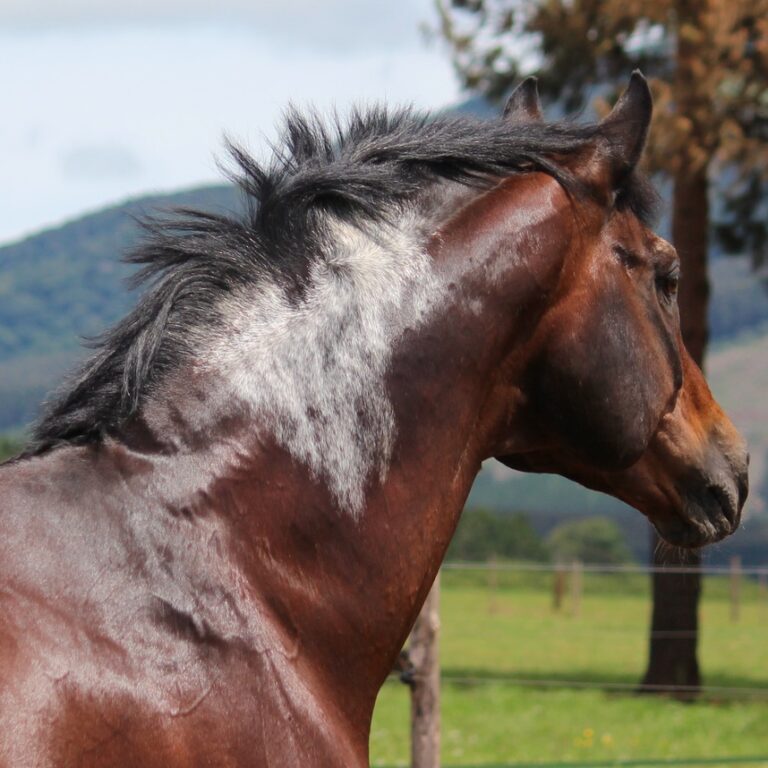
How to Recognize Jealousy in Your Horse
Based on both research and decades of hands-on experience, here are the warning signs that your horse may be experiencing jealousy or possessive behavior:
🔴 Aggressive Displays Toward Other Horses
- Pinning ears, biting, or kicking when another horse approaches you
- Chasing other horses away from you or their preferred companion
- Creating physical barriers between you and other horses
- Attacking nearby horses when they see you with others
🟠 Attention-Seeking Behavior
- Banging on stall doors when you’re with other horses
- Excessive calling or whinnying when you’re visible but not with them
- Pawing, head-tossing, or other dramatic behaviors to get your attention
- Restlessness or agitation in cross-ties while you work with others
🟡 Out-of-Character Reactions
- Normally cooperative horses becoming difficult to catch
- Unusual resistance during tacking up or mounting (like Carrick’s behavior)
- Moving away from you or refusing to engage—the “silent treatment”
- Sulking or appearing depressed when they perceive neglect
🔵 Resource Guarding Escalation
- Becoming more aggressive about food even with familiar horses
- Not allowing other horses near water sources
- Claiming space more aggressively than usual
- Blocking access to shared resources
🟣 Separation Anxiety Intensified
- Extreme distress when separated from you or a preferred companion
- Depression or lethargy when they perceive they’re being neglected
- Fixated watching (like Carrick staring at me through his window)
- Calling persistently when you leave their sight
⚠️ Important Safety Note
These behaviors can be dangerous. A jealous horse may injure another horse, hurt themselves, or cause harm to handlers. If you recognize these signs, don’t feel flattered—take action to address the underlying cause.
Managing Jealousy in Horses: Practical Solutions
If your horse is showing possessive or jealous behavior, here’s how to address it safely and effectively:
Immediate Safety Management
1. Ensure Everyone’s Safety First
- Never put yourself between a jealous horse and their “rival”
- Be hyper-aware of body language when working with multiple horses
- Use separate areas for grooming/tacking if necessary
- Have a handler for the jealous horse when working with others nearby
2. Respect the Herd Hierarchy
- Dominant horses expect first access to resources—work with this, not against it
- Feed and handle horses in their pecking order when possible
- Understand that challenging the natural order increases stress for ALL horses
- Don’t try to make horses “equal”—they don’t think that way
3. Create Predictable Routines
- If you always ride Horse A first, maintain that pattern consistently
- If you must change the routine, manage the environment (close windows, use different areas)
- Consistency reduces anxiety about resource availability
- Horses feel secure when they know what to expect
4. Provide Equal Quality Time
- If you can’t ride a horse, spend groundwork or grooming time with them
- Grooming sessions count—horses value this attention
- Make each horse feel their time with you is valuable and protected
- Individual attention prevents competition for your time
5. Assess the Root Cause
- Is it actually about you, or about another resource (food, space, herd position)?
- Does the behavior occur when you’re not present?
- What specifically triggers the jealous response?
- Is there actual resource scarcity, or just perceived scarcity?
Long-Term Solutions
Environmental Management
- Ensure adequate resources (food, water, shelter) so competition is minimized
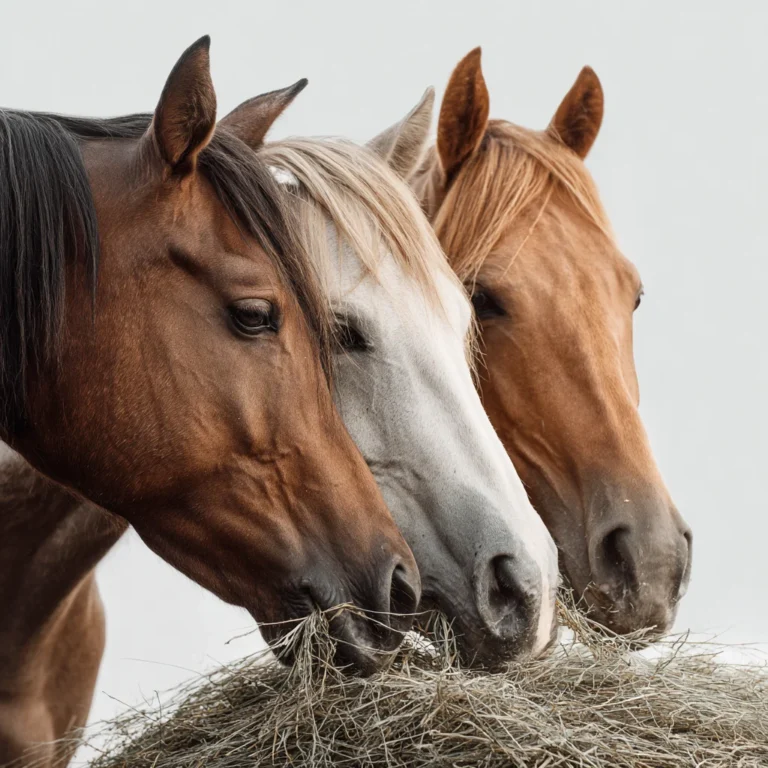
- Provide MORE feeding stations than number of horses (e.g., 4 horses = 5-6 hay piles)
- Give horses individual attention opportunities away from the herd
- Create visual barriers if horses get triggered by watching
Training and Desensitization
- Gradually expose the horse to situations that trigger jealousy
- Reward calm behavior when you interact with other horses
- Practice short separations from bonded companions to build independence
- Work with a trainer if the behavior escalates or becomes dangerous
Mental Enrichment
- Bored horses are more likely to focus on relationship drama
- Provide turnout with compatible companions
- Offer varied activities and stimulation (trail rides, new environments)
- Rotate turnout buddies occasionally for social skill development
When to Seek Professional Help
- If the behavior escalates to dangerous levels despite your management changes
- If you’re unsure whether it’s jealousy or pain/fear-based behavior
- If standard management changes don’t improve the situation within 2-3 weeks
- If there’s risk of serious injury to horses or humans
What Worked for Me with Carrick:
What worked for me with Carrick: After the incident I learned to read his emotional state before working with other horses nearby, give him first priority when possible, close his window when I needed to deviate from routine, and spend individual time with him even on days I couldn’t ride. The jealousy never resurfaced — not because I trained it out, but because I acknowledged his emotional reality and worked within it.
The jealousy never resurfaced because I acknowledged his emotional needs and worked within them rather than dismissing them as “bad behavior.”
Do Wild Horses Show Jealousy?
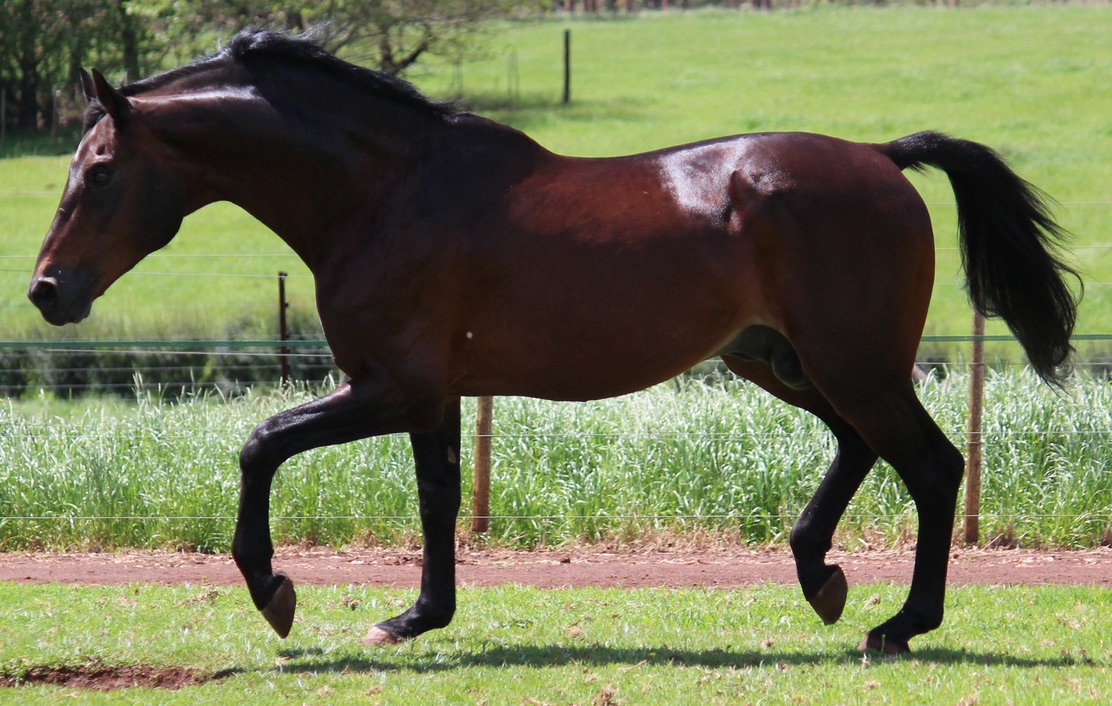
Watching wild horses interact shows that they do display traits similar to jealousy. Certain mares are very possessive of their stallion and their hierarchical position in their herd. Herd life is full of power struggles where horses vie for the attention of the lead mare or the stallion in control of the herd.
Stallions have been observed killing foals that are not by them—some researchers interpret this as jealousy-driven behavior, though others suggest it’s purely a reproductive strategy to bring mares back into estrus.
Wild horses exist in complex social systems where competition for resources, mates, and social position is constant. The possessive behaviors we interpret as jealousy may simply be survival mechanisms refined over millennia.
Are Horses Jealous or Resource-Guarding?
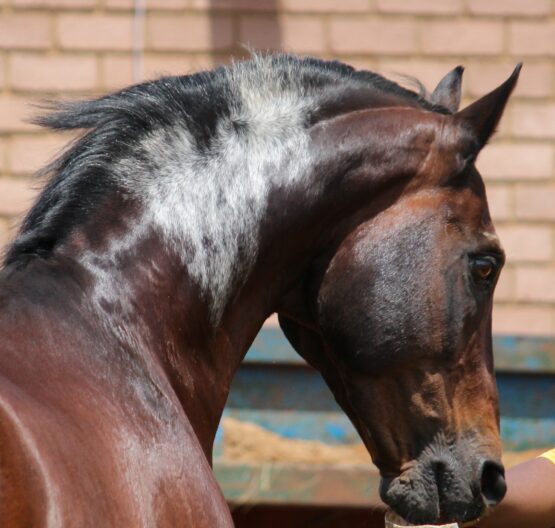
What we may see in horses as human-like jealousy could be the essential life-saving action of guarding food, water, and safety in the herd. Horses showing jealousy over their human could be a primitive way of them protecting what they perceive as their resource—the human who provides them with food and safety.
Emotionally Attached
Researchers claim that jealousy is a manifestation of attachment-related anxiety. Horses most definitely experience separation anxiety from humans as we are their source of food and shelter. They also can look toward us for safety and protection in times of perceived danger and turn to us for support when unsure of a situation they find themselves in.
The more we are their sense of security, the more they will display signs of jealousy.
Why Understanding This Matters for Horse Welfare
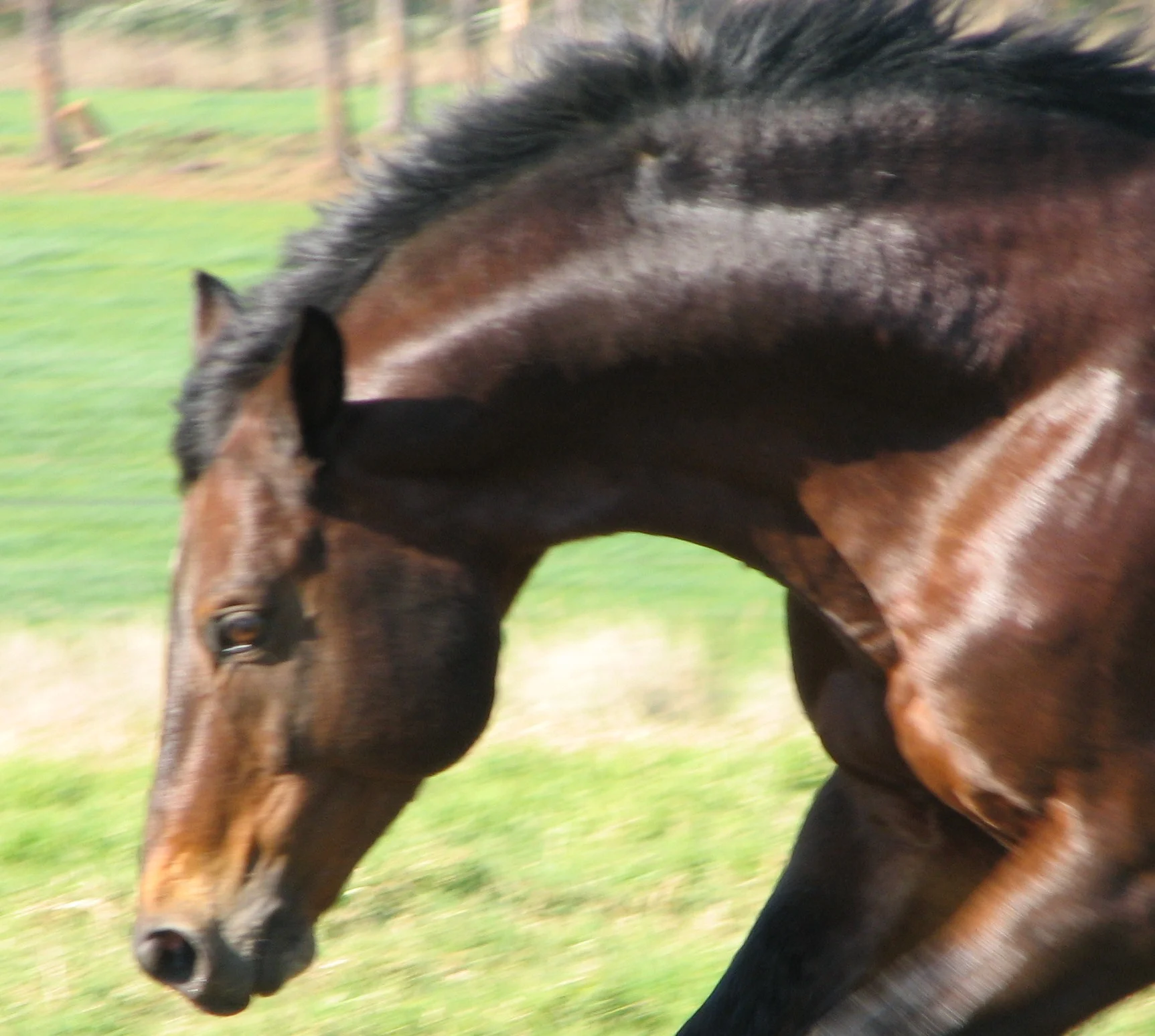
Recognizing and responding to equine jealousy isn’t just about preventing dramatic incidents like the one I had with Carrick. It’s fundamentally about horse welfare and creating environments where horses can thrive mentally and physically.
The Welfare Cost of Misunderstanding
When we dismiss jealous behavior as “bad manners” or “dominance issues,” we miss the underlying emotional distress the horse is experiencing. This can lead to:
- Inappropriate punishment – Disciplining a horse for expressing emotional distress rather than addressing the root cause
- Chronic stress – Horses living in constant anxiety about resource security or social relationships
- Physical health decline – Stress-related conditions like ulcers, weight loss, or weakened immune function
- Behavioral deterioration – Escalation from mild possessiveness to dangerous aggression
- Broken bonds – Damage to the horse-human relationship that could have been avoided
Meeting Social and Emotional Needs
Horses are social animals that require interaction with other horses for their physical and mental well-being. When we understand jealousy, we can better ensure their social needs are being met appropriately.
Consider this scenario: You separate a horse from their favorite herd mate, and they become agitated or display aggressive behaviors toward other horses or humans. Without understanding jealousy, you might interpret this as simply “bad behavior” and respond with punishment or neglect of the horse’s emotional needs.
With understanding: You recognize this as separation anxiety and possessiveness over their bonded companion. You can then create a management plan that includes:
- Gradual separation training to build independence
- Ensuring adequate social interaction with other compatible horses
- Providing individual attention to reduce resource anxiety
- Respecting the bond while preventing over-attachment
Improving Training Outcomes
Understanding equine emotions, including jealousy, helps prevent negative training experiences that may lead to fear or anxiety. When trainers recognize that a horse’s “difficult” behavior might stem from emotional distress rather than
Frequently Asked Questions About Horse Jealousy
Can horses really feel jealous?
Yes, horses can display jealousy-like behavior, though scientists debate whether it’s true jealousy (a secondary emotion requiring self-awareness) or resource-guarding (a survival instinct). Regardless of the academic classification, the behavior is real and can be dangerous. Studies show horses form strong social bonds and experience stress when separated from preferred companions, suggesting they have the emotional capacity for possessive feelings.
What’s the difference between jealousy and dominance in horses?
Dominance is about establishing or maintaining position in the herd hierarchy and happens consistently across all situations. Jealousy is triggered by specific situations—like when a horse perceives they’re losing access to a valued resource (food, companion, or human attention). A dominant horse might always eat first; a jealous horse might become aggressive specifically when another horse approaches their favorite person.
Is horse jealousy dangerous?
Yes, it can be. Jealous horses may kick, bite, or charge at perceived rivals. They may also become unpredictable with their handlers, as Carrick did when he bucked me off. This behavior can result in injuries to other horses, handlers, or the jealous horse themselves. It should never be encouraged or dismissed as “cute” because it shows the horse “loves” you.
Do stallions get more jealous than mares or geldings?
While stallions may display more intense possessive behavior (particularly over mares), all horses regardless of sex can show jealousy. It depends more on the individual horse’s personality, their bond strength, and how they perceive their resource security. I’ve seen jealous behavior in mares, geldings, and stallions throughout my 45 years with horses.
How do you tell if a horse is jealous or just being aggressive?
Jealousy-related aggression is situational and triggered by specific events (you paying attention to another horse, separation from a companion). General aggression is more consistent across situations. A jealous horse might be perfectly friendly until you interact with another horse. An aggressive horse shows threatening behavior more broadly. Context is key.
Can you train a horse out of jealousy?
You can manage and reduce jealousy through consistent routines, adequate resources, and respecting their emotional needs. However, deeply bonded horses will always have preferences. The goal isn’t to eliminate their feelings but to manage the environment so the behavior doesn’t become dangerous. After Carrick’s incident, I didn’t “train out” his jealousy—I learned to work within his emotional reality.
Should I feel good that my horse is jealous?
No. While it might seem flattering that your horse “cares” enough to be jealous, the behavior can lead to injuries. It indicates the horse is experiencing stress about resource security and may act unpredictably. Instead of feeling pleased, address the underlying cause and ensure everyone’s safety.
The Bottom Line on Horse Jealousy
After 45 years with horses, including that memorable lesson from Carrick, I’m convinced: horses absolutely experience emotions that look like jealousy, whether we classify it as a secondary emotion or sophisticated resource-guarding.
What matters most isn’t the academic classification—it’s recognizing the behavior and responding appropriately.
Carrick taught me that horses:
- Form strong emotional attachments to specific individuals (horses and humans)
- Notice and react to changes in routine and attention
- Expect their emotional needs to be acknowledged
- Will communicate—sometimes dramatically—when those needs aren’t met
As horse owners, we have a responsibility to:
- ✅ Recognize the signs of jealousy before they escalate
- ✅ Respect horses as emotionally complex beings
- ✅ Create management systems that reduce resource competition
- ✅ Never encourage possessive behavior, no matter how flattering it seems
- ✅ Prioritize safety for all horses and humans involved
Understanding equine emotions—including jealousy—isn’t just fascinating; it’s essential for welfare, safety, and building the deep partnerships that make horse ownership so rewarding.
What has your experience been? Have you witnessed jealousy in your horses? I’d love to hear your stories in the comments below—especially if your horse taught you a lesson as memorable as Carrick taught me.
It is fascinating to read about how horses can read our emotions just as we have to be in touch with theirs: Can horses recognize human emotions
Further reading
Books:
- The Horse Behavior Problem Solver by Jessica Jahiel
- Understanding Equine Behavior by Sue McDonnell
- The Nature of Horses by Stephen Budiansky
Articles and Studies:
- “Equine Emotions and Human Interactions” – Journal of Equine Science
- “The Effects of Social Relationships on Equine Behavior” – Applied Animal Behaviour Science
- “Managing Horse Jealousy: Practical Tips and Techniques” – Horse & Rider Magazine
Professional Organizations:
- American Association of Equine Practitioners (AAEP) – www.aaep.org
- The British Horse Society (BHS) – www.bhs.org.uk
- Equine Behavioral Health Resource Center – www.ebhrc.com


Leave a Reply