What NOT to Feed Your Horse: The Complete Guide to Toxic Foods That Can Kill

I’ll never forget the panicked phone call I received about fifteen years ago. A well-meaning neighbor had fed a client’s horse half a bag of onions “because horses love vegetables, right?”
The horse was in critical condition within hours—pale gums, elevated heart rate, labored breathing. The neighbor had no idea that onions destroy horses’ red blood cells, causing potentially fatal hemolytic anemia. Thankfully, with aggressive veterinary intervention, that horse survived. But it was a close call that could have been completely prevented with basic knowledge about toxic foods.
Every year, horses become seriously ill or die from eating foods their owners didn’t know were dangerous. Some of these foods seem completely harmless—even healthy for humans. Others are so commonly fed that people assume they must be safe.
After 45 years with horses and 25+ years breeding warmbloods, I’ve seen too many preventable poisoning cases. I’ve watched horses suffer from colic caused by bread. I’ve treated horses for chocolate toxicity after Halloween parties. I’ve seen the devastating effects of lawn clippings fed by someone trying to be helpful.
This guide could save your horse’s life. Let’s talk about what never to feed your horse, why these foods are dangerous, and what to do if your horse eats something toxic.
⚠️ Keep This Information Where You Can Find It Fast
Emergencies don’t wait. Download our printable Safe & Toxic Foods Guide with the complete list of dangerous foods, emergency protocol, and barn safety checklist. Post it in your tack room where everyone can see it.
The Most Dangerous Foods for Horses
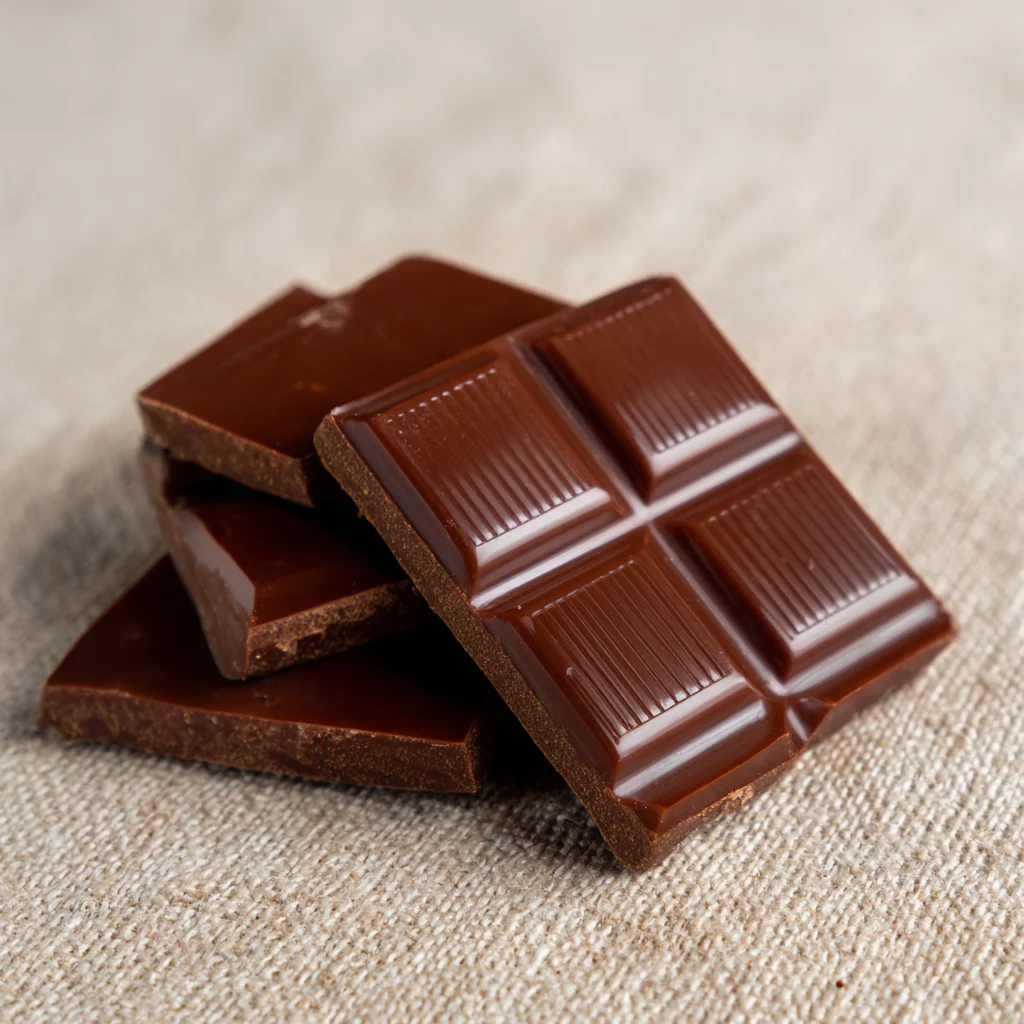
1. Chocolate – Can Be Deadly in Small Amounts
Why it’s toxic: Chocolate contains theobromine, a compound that horses (like dogs) cannot metabolize effectively. Even small amounts can cause serious problems.
What happens: Theobromine affects the heart and nervous system. Horses who consume chocolate may experience increased heart rate, tremors, seizures, severe colic, and in worst cases, death. Dark chocolate and baking chocolate are most dangerous because they contain higher concentrations of theobromine.
Real amounts matter: A few chocolate chips probably won’t kill a full-sized horse, but a chocolate bar absolutely could. With chocolate, there’s no “safe” amount—any chocolate is risky, and more is potentially lethal.
I once treated a mare who got into Halloween candy left in the barn aisle. Three fun-size chocolate bars were enough to cause elevated heart rate, sweating, and colic signs. We caught it early and she recovered, but it was a terrifying reminder that chocolate is genuinely dangerous for horses.
What to do: If your horse eats chocolate, call your vet immediately. Bring the wrapper so you can identify the type and amount. Don’t wait for symptoms—treatment is most effective when started early.
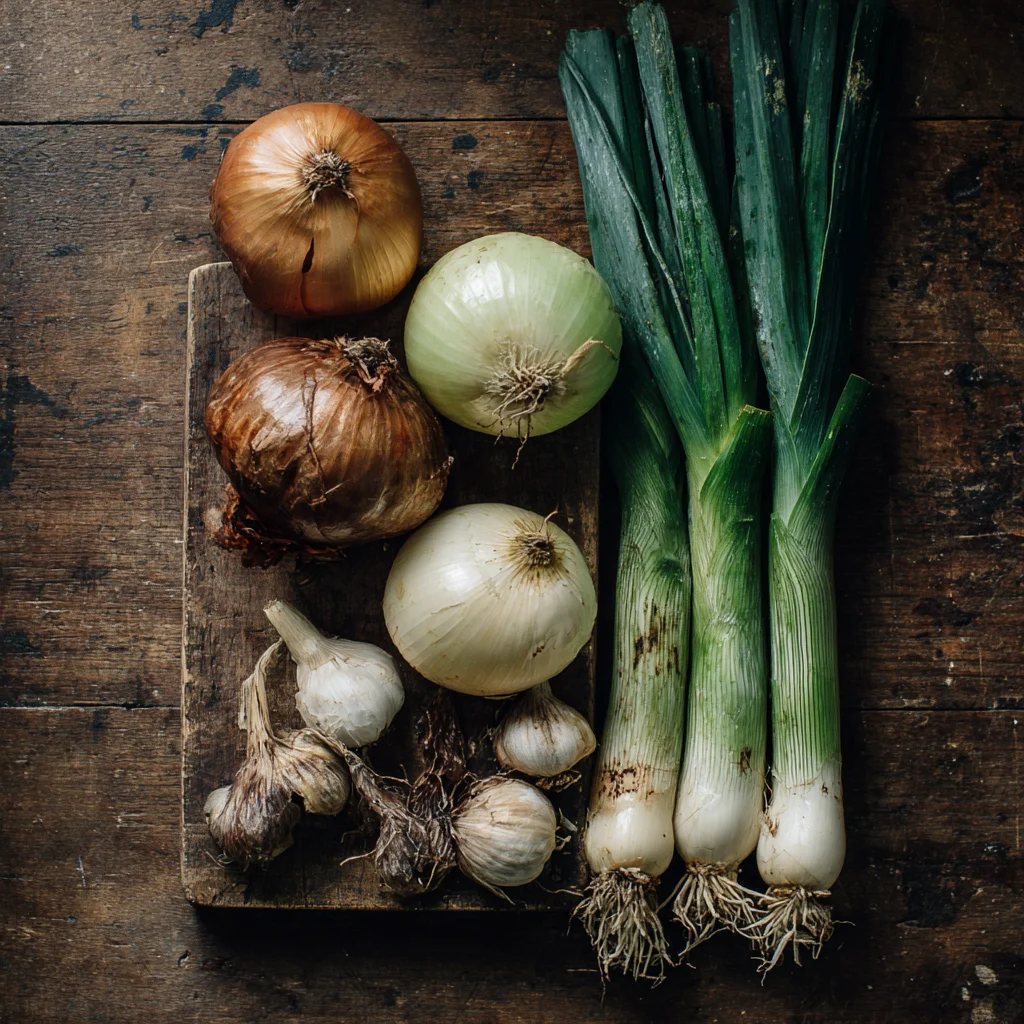
2. Onions, Garlic, Leeks & Chives – The Allium Family Destroys Red Blood Cells
Why they’re toxic: All members of the allium family contain N-propyl disulfide, which damages horses’ red blood cells, causing hemolytic anemia. This means red blood cells literally rupture and die, reducing the blood’s ability to carry oxygen.
What happens: Initial symptoms may not appear for several days, making diagnosis tricky. Watch for weakness, pale or yellowish gums, increased heart rate, dark-colored urine, and decreased appetite. Severe cases can be fatal without aggressive treatment including blood transfusions.
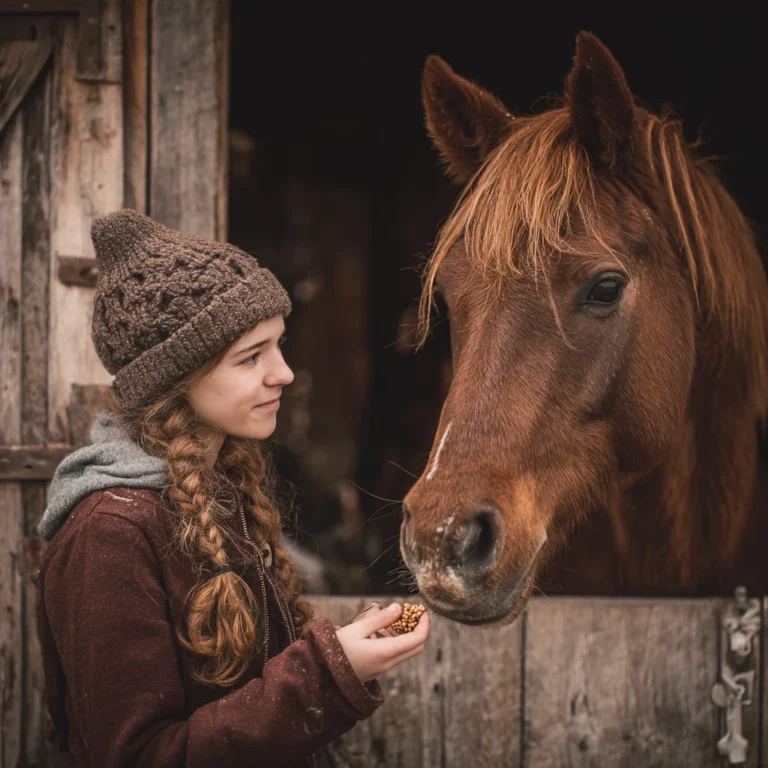
All forms are toxic: Fresh, dried, cooked, powdered—it doesn’t matter. Onion rings, garlic bread, dried soup mixes, Chinese food with garlic sauce—all dangerous. Even small amounts consumed regularly can cause cumulative damage.
Amount matters, but not how you’d think: While large amounts (5+ pounds for a 1000-lb horse) cause acute toxicity, smaller amounts consumed over time can cause chronic anemia that’s harder to diagnose.
After 45 years, I’ve learned that garlic supplements marketed for horses are controversial. Some people swear by them for fly control. However, the science is clear that garlic damages red blood cells in horses, even if effects aren’t immediately obvious. I don’t feed garlic to my horses, period.
What to do: If your horse consumes onions, garlic, or related foods, contact your vet immediately even if they seem fine. Blood work can detect early damage before symptoms appear.
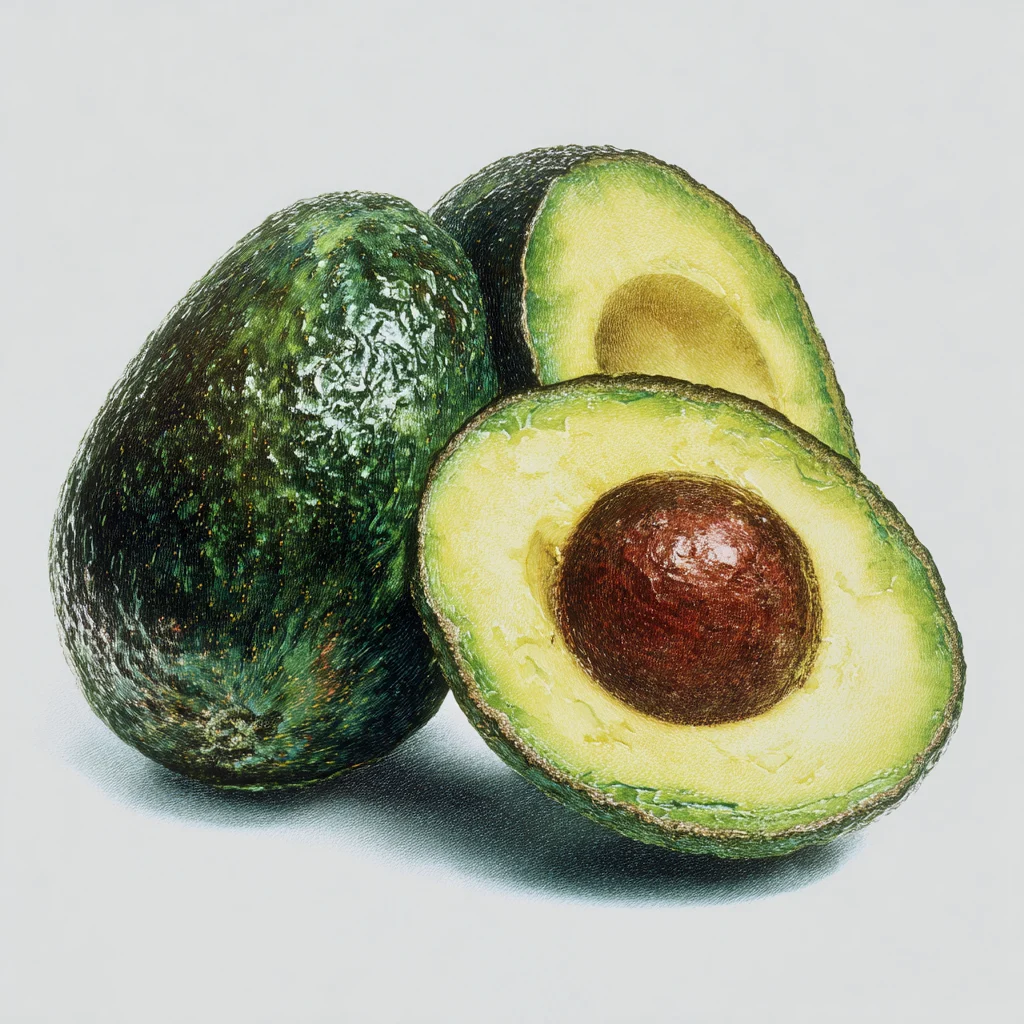
3. Avocados – Every Part is Toxic
Why they’re toxic: Avocados contain persin, a fungicidal toxin that affects horses’ cardiovascular and respiratory systems. Unlike some animals who can eat avocados safely, horses are highly sensitive to persin.
What happens: Persin affects the heart muscle and can cause irregular heartbeat, difficulty breathing, colic, and potentially fatal heart failure. The leaves, bark, fruit, and pit all contain persin—the entire plant is dangerous.
Geographic note: This is particularly important if you live in areas where avocado trees grow. Horses with access to fallen avocados or avocado tree prunings are at serious risk.
I knew a horse in California who got into fallen avocados from a neighbor’s tree. Despite emergency treatment, the damage to her heart was so severe she had to be euthanized. That horse’s owner had no idea avocado trees posed a danger until it was too late.
What to do: If you have avocado trees on or near your property, fence them off completely. If your horse consumes any part of an avocado plant, call your vet immediately—this is a true emergency.
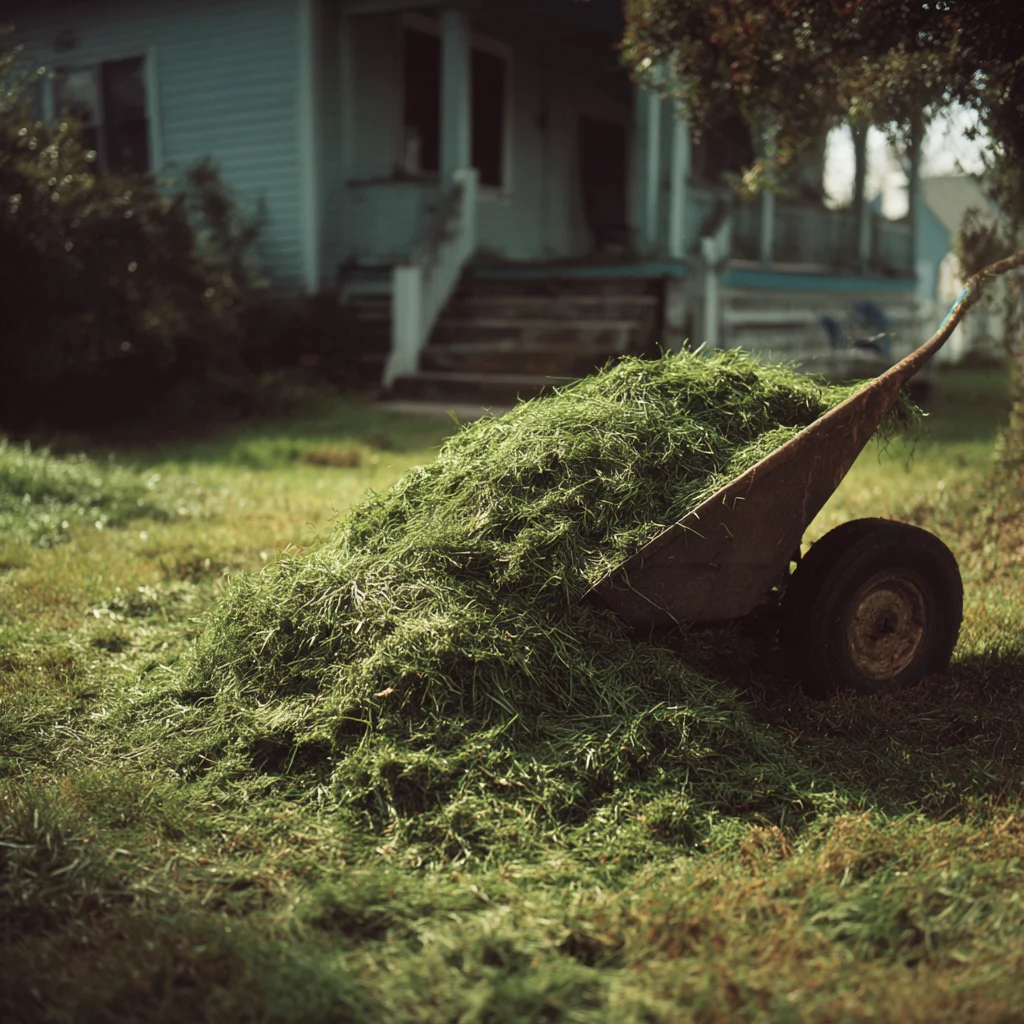
4. Lawn Clippings – More Dangerous Than Most People Realize
Why they’re toxic: Fresh-cut grass clippings are not the same as pasture grass. When grass is mown and piled, it begins fermenting almost immediately. This fermentation creates gas and can produce toxins, plus the clippings can compact into a mass that causes blockages.
What happens: Lawn clippings can cause severe, often fatal colic within hours. The rapid fermentation produces excessive gas. The clumped, moist grass can create impactions. Horses can also choke on clippings, and if the lawn was treated with pesticides or fertilizers, those add another layer of toxicity.
Why horses eat them: The freshly cut smell is appealing, and horses don’t instinctively know that piled grass is different from pasture grass. They’ll eagerly eat clippings if given access.
This is one of the most preventable horse deaths I see, usually from well-meaning people who think they’re giving horses a treat by tossing grass clippings over the fence. I’ve lost count of how many times I’ve had to explain to neighbors: pasture grass good, lawn clippings deadly.
A friend lost her beloved gelding to lawn clipping colic. The landscaping crew had dumped clippings near the fence line, and he reached through and ate them. He was dead within 12 hours despite emergency surgery. Twenty years later, she still tears up talking about it.
What to do: Never, ever feed lawn clippings to horses. If your horse consumes them, call your vet immediately. Time is critical with grass clipping colic.
Prevention: Educate your neighbors, landscapers, and anyone with access to your property. Post signs if necessary. Dispose of grass clippings far from horse areas.
Keep This information where you can find it fast. Emergencies don’t wait. Download our free printable What is Safe and not safe to feed your horse:
⚠️ Keep This Information Where You Can Find It Fast
Emergencies don’t wait. Download our printable Safe & Toxic Foods Guide with the complete list of dangerous foods, emergency protocol, and barn safety checklist. Post it in your tack room where everyone can see it.
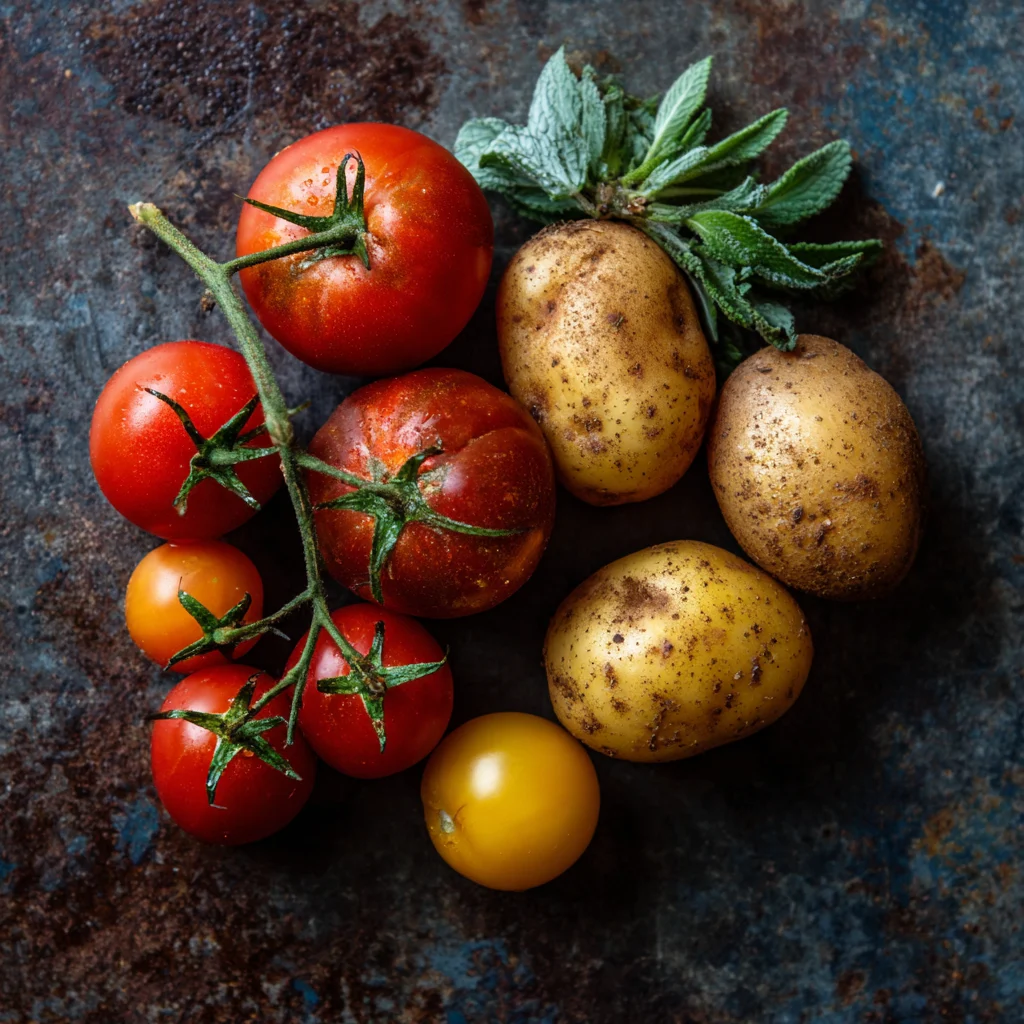
5. Tomatoes, Potatoes & Other Nightshades – The Whole Plant Family
Why they’re toxic: Nightshade plants (Solanaceae family) contain solanine and other toxic alkaloids that affect the nervous system and digestive tract. This includes tomatoes, potatoes, peppers, eggplant, and related plants.
What happens: Symptoms include colic, diarrhea, dilated pupils, difficulty breathing, and in severe cases, seizures and death. Green parts of these plants (leaves, stems, unripe fruits) are most toxic, but all parts contain some level of toxins.
Specific concerns:
- Potatoes: Both the tubers and plant contain solanine, with higher concentrations in green potatoes and all parts of the plant
- Tomatoes: Green tomatoes and all plant parts (stems, leaves) are most toxic; ripe tomatoes contain lower levels but still risky
- Potato vines: Extremely dangerous if horses have access to gardens or compost
What to do: If your horse consumes nightshade plants, contact your vet. Bring a sample of the plant if possible. Treatment depends on amount consumed and symptoms present.
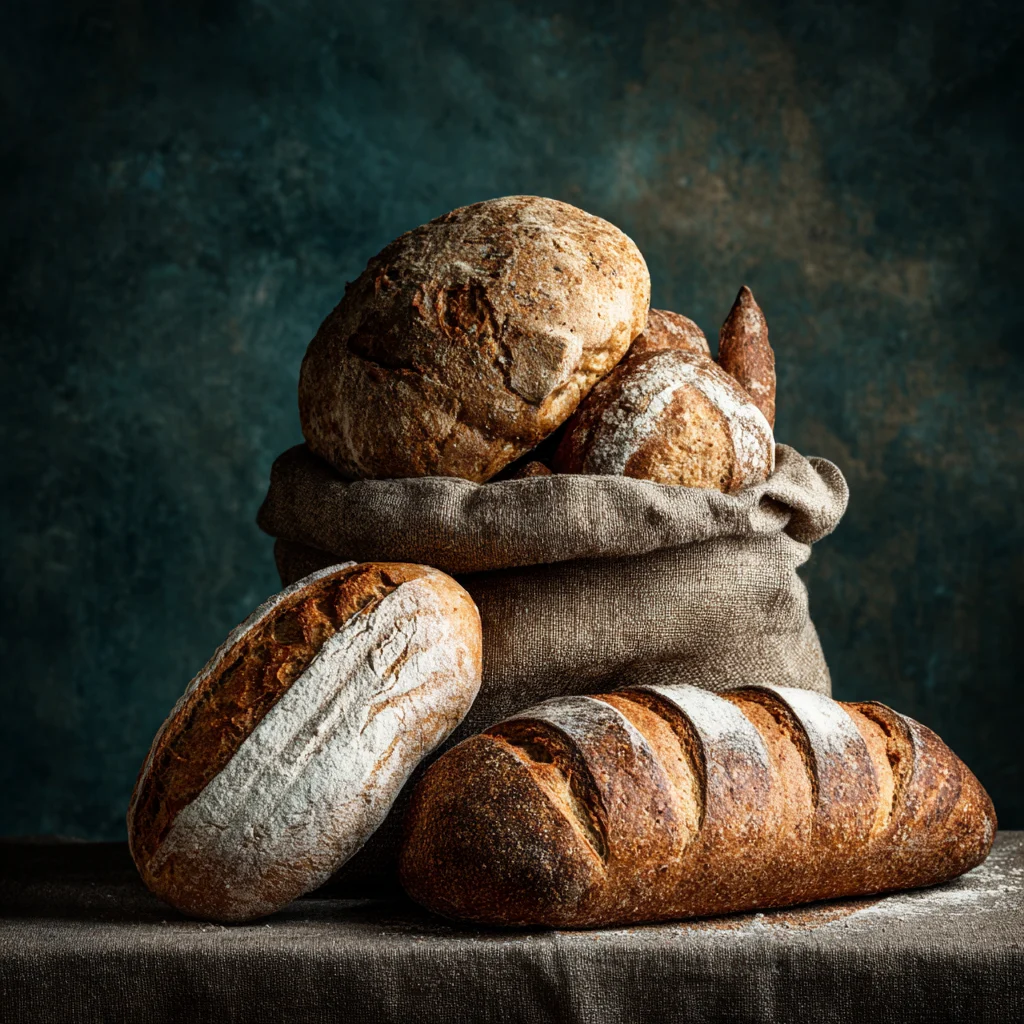
6. Bread, Baked Goods & Yeast Products – Serious Choking and Colic Risk
Why they’re dangerous: Bread and baked goods expand when they get wet. In a horse’s digestive system, they swell up, creating choking hazards and blockages. Active yeast continues fermenting in the gut, producing gas and causing colic.
What happens: Choking is the most immediate danger—bread gets sticky when wet and can lodge in the esophagus. If swallowed, bread creates impactions as it swells in the stomach and intestines. Yeast products cause gas colic as fermentation continues in the gut.
Common scenarios: Well-meaning people feed horses leftover bread, donuts, pastries, or crackers. “It’s just a little bread!” they say. But horses’ digestive systems aren’t designed for processed grain products, especially those with yeast.
I’ve seen multiple choking incidents from bread. One particularly scary case involved a horse who grabbed an entire loaf of bread someone left on a tack trunk. The loaf lodged in her esophagus, and we spent 45 terrifying minutes with the vet trying to clear it. The horse was fine eventually, but it was completely preventable.
What to do: If your horse is choking on bread (head extended, drooling, coughing, appears panicked), call your vet immediately. Don’t try to dislodge it yourself—you could make it worse. If they’ve swallowed bread, monitor closely for colic signs and call vet if any symptoms appear.
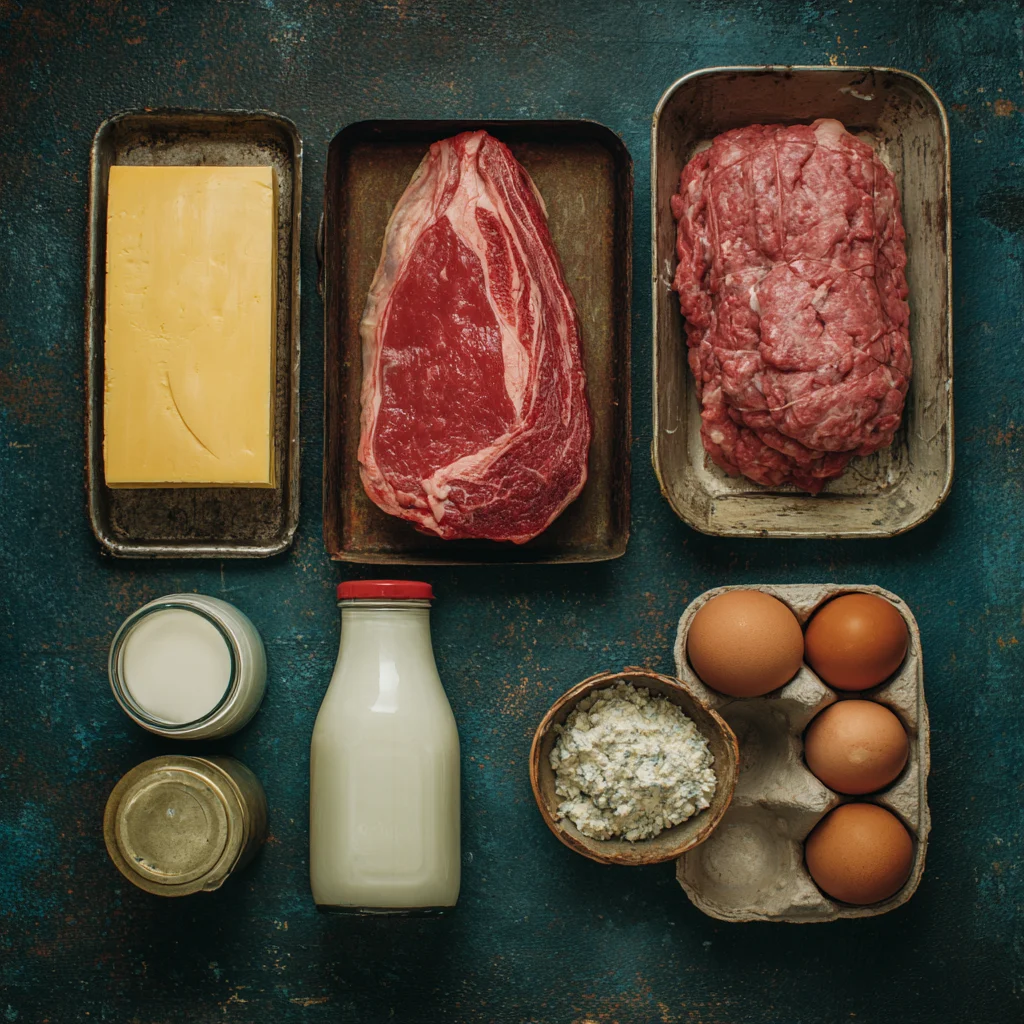
7. Meat, Dairy & Animal Products – Horses Are Herbivores!
Why they’re harmful: Horses are obligate herbivores with digestive systems designed exclusively for plant material. They lack the enzymes to properly digest animal proteins and fats. They also can’t process lactose (dairy sugar) effectively after weaning.
What happens: Meat and dairy products cause digestive upset ranging from mild diarrhea to severe colic. The high protein and fat content can also stress kidneys and liver over time.
Why this comes up: Surprisingly, horses will sometimes eat meat or dairy if offered—curiosity, boredom, or learned behavior. But just because they’ll eat it doesn’t mean they should.
Common mistakes:
- Feeding horses ice cream or milkshakes (dairy = digestive upset)
- Giving them meat scraps or pet food
- Letting them lick bowls that contained dairy products
- Feeding them “human treat” foods without checking ingredients
What to do: If your horse consumes meat or dairy, monitor for digestive upset. Contact your vet if colic symptoms develop. Usually, small amounts cause temporary discomfort rather than crisis, but it’s still not worth the risk.
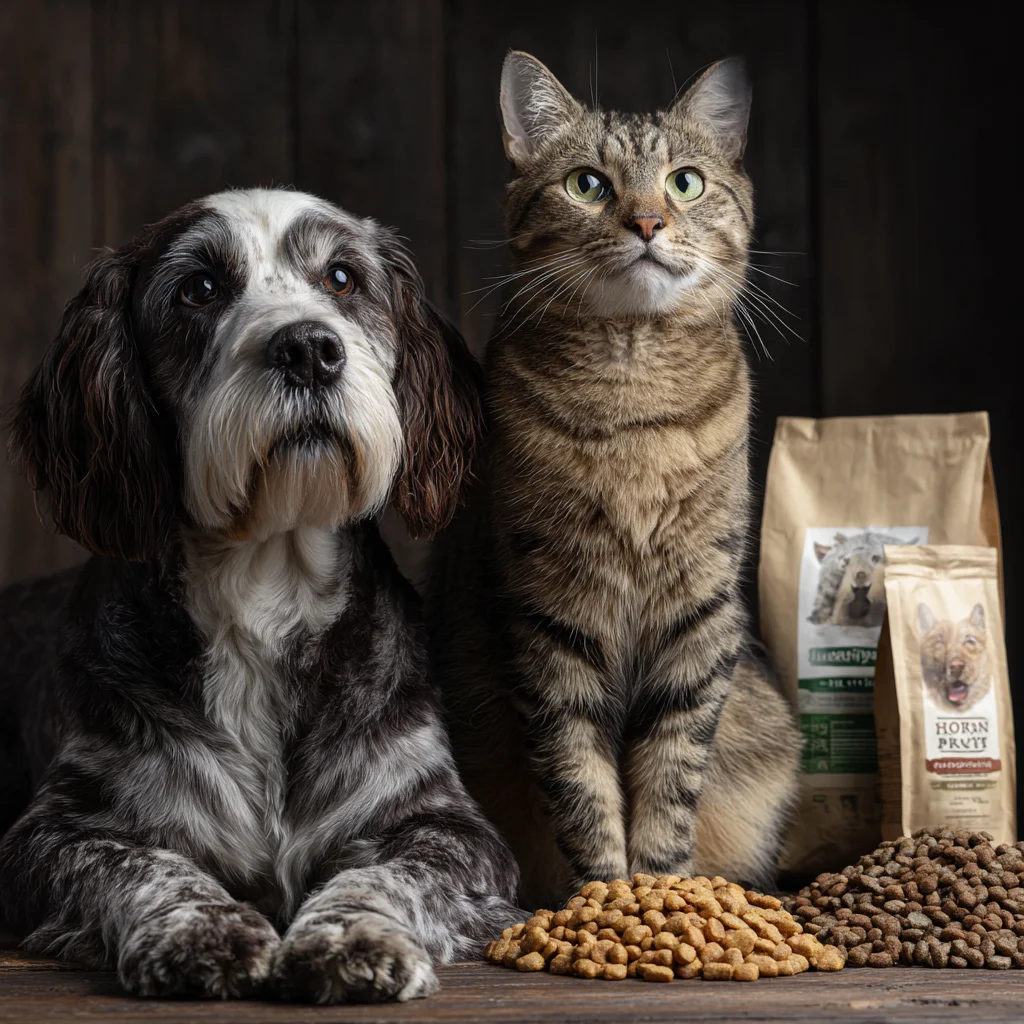
8. Dog Food & Cat Food – Wrong Species, Wrong Nutrition
Why it’s dangerous: Pet food is formulated for carnivores/omnivores, not herbivores. It contains animal proteins, high fat, and nutrients in forms/amounts inappropriate for horses. Some brands also contain ingredients toxic to horses.
What happens: Digestive upset is most common. Long-term consumption could cause kidney and liver damage from processing inappropriate proteins. Some dog foods contain onion or garlic powder (see #2 above) which adds toxicity risk.
How this happens: Horses getting into pet food stored in barns, eating from dog bowls left accessible, or well-meaning people who think “protein is protein.”
What to do: Keep pet food stored in horse-proof containers. If your horse consumes pet food, check the ingredients list (especially for onion/garlic) and call your vet if significant amount was eaten or if symptoms develop.
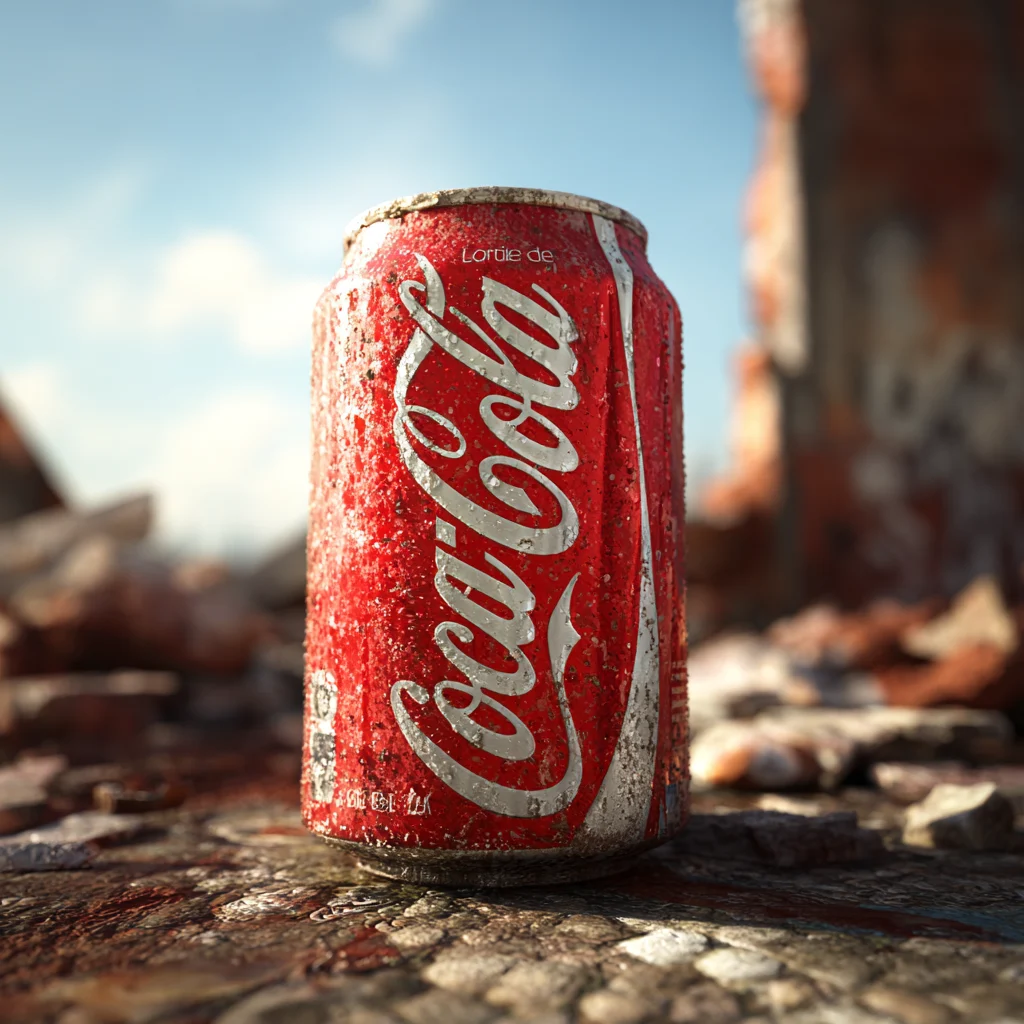
9. Caffeinated Drinks – Coffee, Tea, Energy Drinks, Soda
Why they’re toxic: Caffeine is a stimulant that’s toxic to horses in even moderate amounts. It affects the cardiovascular and nervous systems.
What happens: Increased heart rate, restlessness, tremors, irregular heartbeat, and in severe cases, seizures and collapse. Horses are more sensitive to caffeine than humans.
Common scenarios: Horses drinking from unattended coffee cups, getting into energy drink cans, or accessing tea bags in compost.
What to do: If your horse consumes caffeinated beverages, contact your vet. Bring the container so you can identify the type and approximate amount of caffeine consumed.
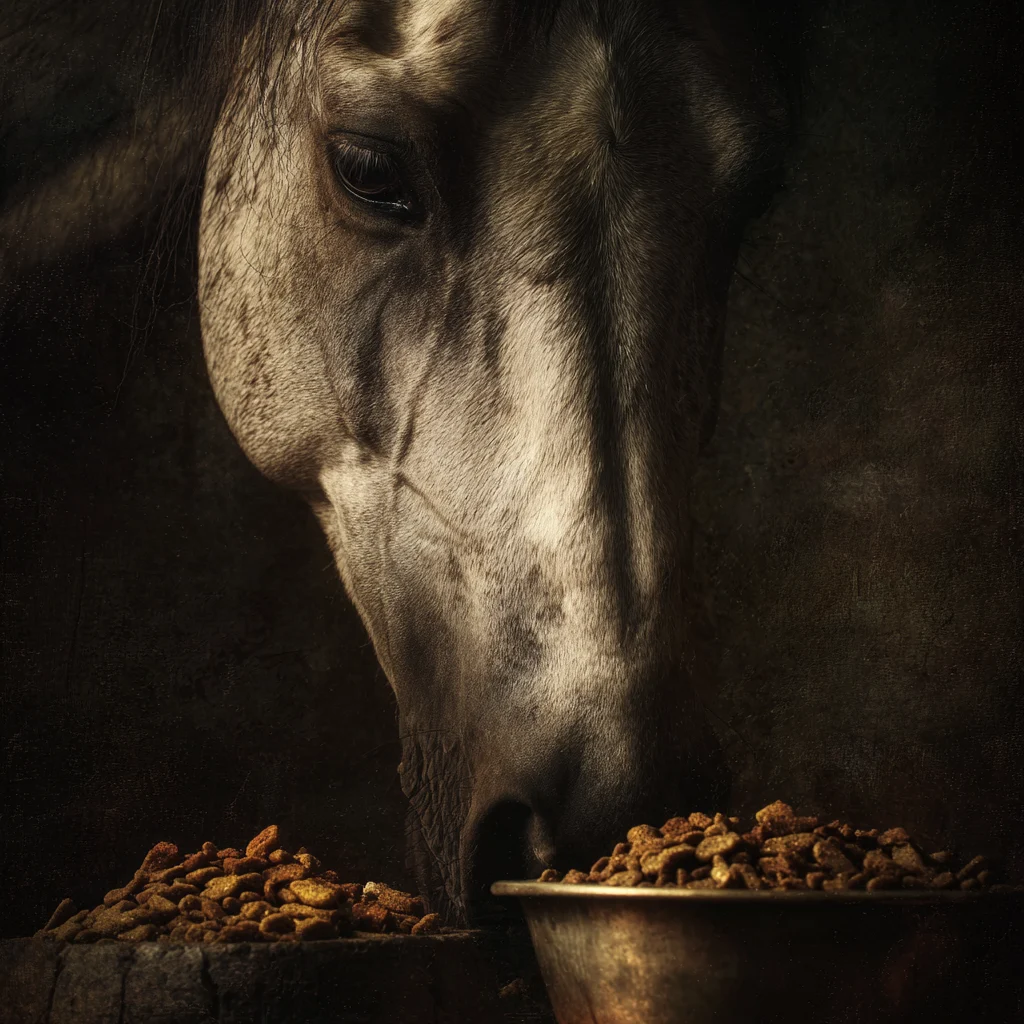
10. Moldy or Dusty Feed – Invisible Danger
Why it’s dangerous: Mold produces mycotoxins that can cause a range of problems from respiratory issues to neurological damage to colic and death. Dust often indicates mold, bacterial growth, or degraded feed quality.
What happens: Effects depend on the type of mold/toxin present. Can include colic, diarrhea, respiratory distress, neurological symptoms (wobbling, head pressing, seizures), liver damage, and founder.
Common sources:
- Moldy hay (especially round bales stored improperly)
- Dusty sweet feed left too long
- Grain stored in damp conditions
- Moldy straw bedding that horses eat
- Fermented/spoiled silage or haylage
After 45 years, I’m almost paranoid about feed quality. I’ve seen horses die from moldy feed. I’ve treated neurological symptoms from mycotoxins that permanently damaged horses’ brains. Any feed that smells off, looks dusty, shows visible mold, or has been stored improperly gets discarded immediately—no exceptions.
Prevention: Store feed in dry, well-ventilated areas. Inspect hay before feeding. Discard anything questionable. The cost of replacing suspicious feed is nothing compared to vet bills or losing a horse.
What to do: If your horse consumes moldy feed, call your vet immediately and bring a sample of the suspect feed if possible. Treatment varies by toxin type.
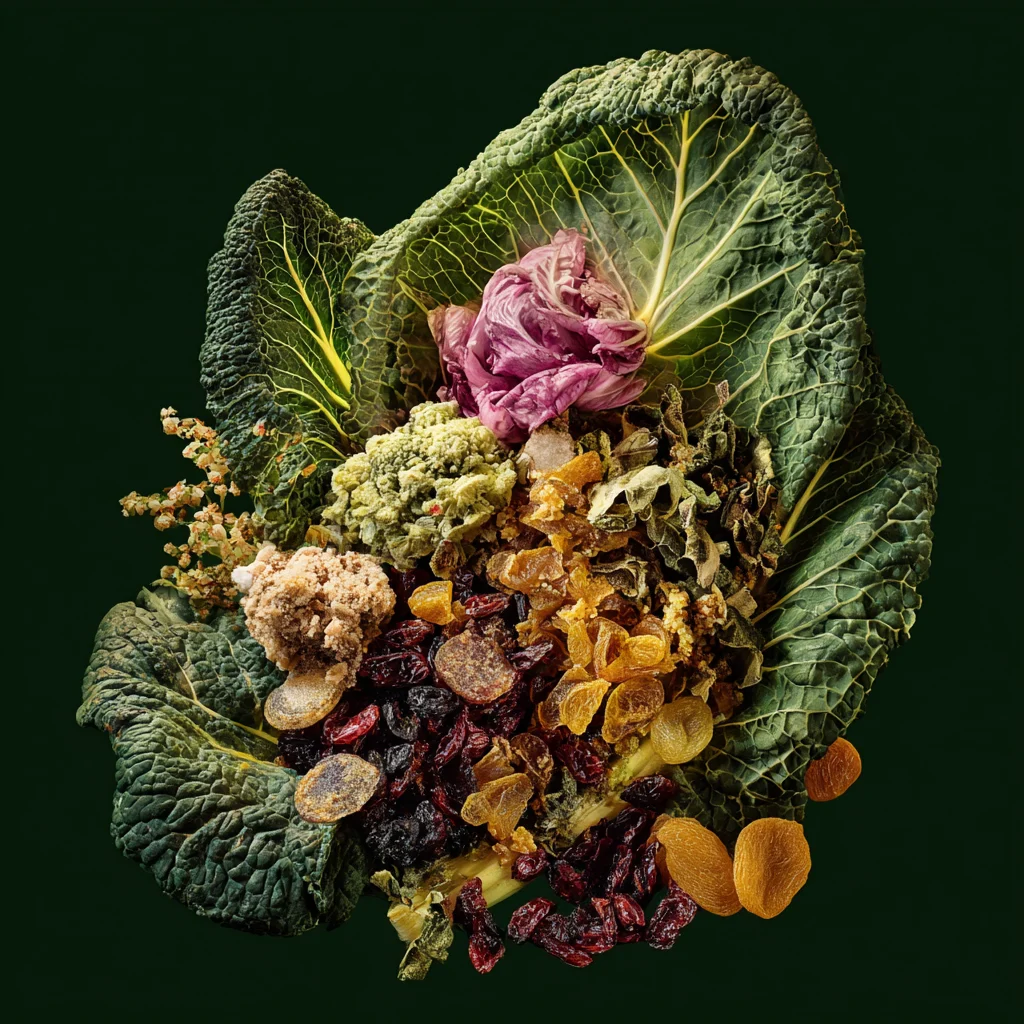
Other Dangerous Foods to Avoid
Rhubarb leaves: High oxalic acid content causes kidney damage and breathing problems
Stone fruit pits: Cherries, peaches, plums, apricots contain cyanide in pits—ALWAYS remove pits before offering fruit
Cruciferous vegetables in large amounts: Broccoli, cauliflower, cabbage can cause gas colic if fed in quantity (small amounts occasionally are generally safe)
Dried fruit in large amounts: Concentrated sugar causes digestive upset, choking risk when dry, and laminitis risk in metabolic horses
Sugary human treats: Candy, cookies, cake can trigger laminitis, especially in metabolic horses, and teach bad habits
Anything fermented or spoiled: Rotten fruit, spoiled vegetables, fermenting anything = digestive upset to severe colic
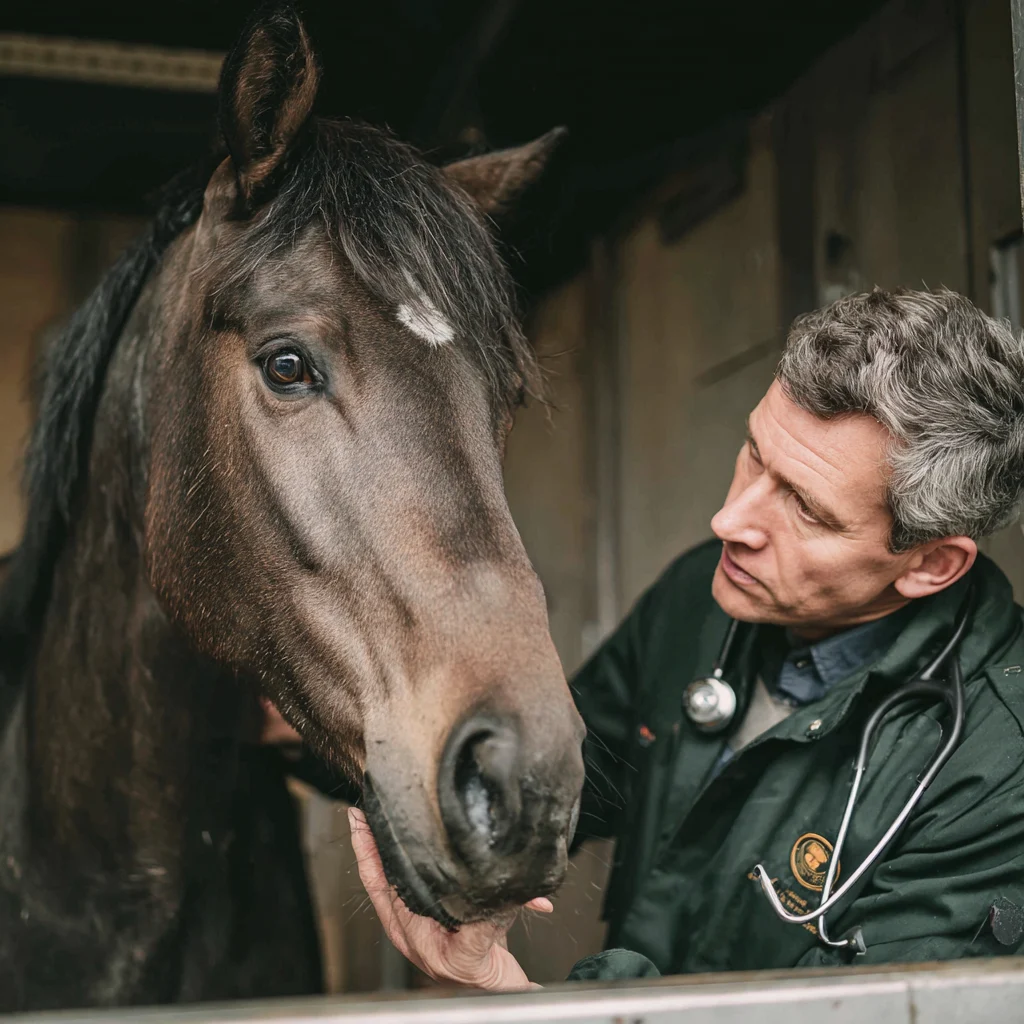
Emergency Protocol: What to Do If Your Horse Eats Something Toxic
🚨 Want the Emergency Protocol in Print?
When seconds count, you need information immediately. Our downloadable guide includes the complete emergency protocol, vet checklist, and symptoms to watch for—all formatted for quick reference in a crisis.
Immediate Actions (First 5 Minutes)
1. Call your vet immediately
- Don’t wait for symptoms to appear
- Many toxins are most treatable if caught early
- Have your vet’s number posted in multiple locations
2. Remove the food source
- Prevent other horses from eating it
- Secure any remaining toxic substance
- Save packaging/samples for vet identification
3. Note critical information
- What was eaten (exact item/plant name if possible)
- Approximately how much
- What time ingestion occurred
- Any symptoms observed
4. Do NOT try to induce vomiting
- Horses cannot vomit (physiologically impossible)
- Attempting to force it will only cause additional stress and distress
5. Keep horse calm and monitored
- Gentle walking may help with some toxins (ask vet)
- Don’t force movement if horse is weak or distressed
- Watch closely for developing symptoms
Symptoms of Poisoning to Watch For
Digestive:
- Colic signs (pawing, rolling, looking at sides, sweating)
- Diarrhea (especially sudden onset or bloody)
- Drooling or difficulty swallowing
- Refusal to eat or drink
Cardiovascular/Respiratory:
- Increased or decreased heart rate
- Irregular heartbeat
- Difficulty breathing or rapid breathing
- Unusual nostril flaring
Neurological:
- Tremors or muscle twitching
- Stumbling or inability to stand
- Seizures
- Head pressing or unusual behavior
- Depression or extreme agitation
Other Warning Signs:
- Pale, bright red, or bluish gums
- Excessive salivation
- Dark or bloody urine
- Weakness or collapse
Information to Give Your Vet
Have this ready when you call:
- Horse’s weight (approximate if you don’t know exact)
- What was consumed (be as specific as possible)
- Amount consumed (your best estimate)
- Time of ingestion
- Any symptoms observed
- Any other horses affected
- Any relevant medical history (especially for metabolic horses)
What Your Vet Might Do
Treatment depends on the toxin and timing:
- If recent (<2 hours): May give activated charcoal to bind toxins or mineral oil to speed passage
- Supportive care: IV fluids, anti-inflammatories, medications to support heart/kidneys/liver
- Specific antidotes: For some toxins, specific treatments exist
- Monitoring: Blood work to assess organ function and damage
- Hospital care: Severe cases may require intensive monitoring

Prevention: How to Keep Your Horse Safe
Secure Your Barn and Property
Storage:
- Keep all human food in horse-proof containers with lids
- Store feed in sealed containers in secured feed room
- Lock feed rooms when not in use
- Keep trash cans with secure lids and away from horses
Landscaping:
- Fence off gardens containing tomatoes, potatoes, rhubarb
- Remove or fence avocado trees, black walnut trees
- Don’t pile lawn clippings near pastures
- Use safe manure/compost management away from horses
Pasture Management:
- Regularly walk pastures checking for toxic plants
- Remove any questionable plants immediately
- Maintain good pasture so horses aren’t grazing desperately
- Provide adequate hay so horses aren’t tempted by weeds
Education is Critical
Post signage:
- “Do Not Feed the Horses” signs at property entrance
- List of dangerous foods posted in barn
- Emergency vet numbers posted prominently
Educate everyone:
- Family members, especially children
- Barn staff and workers
- Boarders at your facility
- Neighbors who might offer treats
- Landscapers and maintenance workers
- Visitors and lesson students
I actually print copies of safe vs. toxic foods lists and hand them to new barn visitors. It seems excessive until you realize how many people genuinely don’t know that chocolate or bread is dangerous.
Special Considerations
Halloween/Holidays:
- Extra vigilant about candy left in barn
- Keep seasonal treats (chocolate bunnies, Valentine’s chocolates) secured
- Remind barn visitors about holiday food dangers
Pasture companions:
- Goats, sheep, cattle can eat some things horses can’t
- Ensure feed/treats appropriate for all species present
- Provide species-specific feeding areas if needed
Metabolic horses (IR, Cushing’s, laminitis history):
- Even “safe” treats may be inappropriate due to sugar content
- Stick to very low-sugar options (celery, cucumbers) in small amounts
- NO fruit or anything sweet, even safe fruits
What You CAN Safely Feed
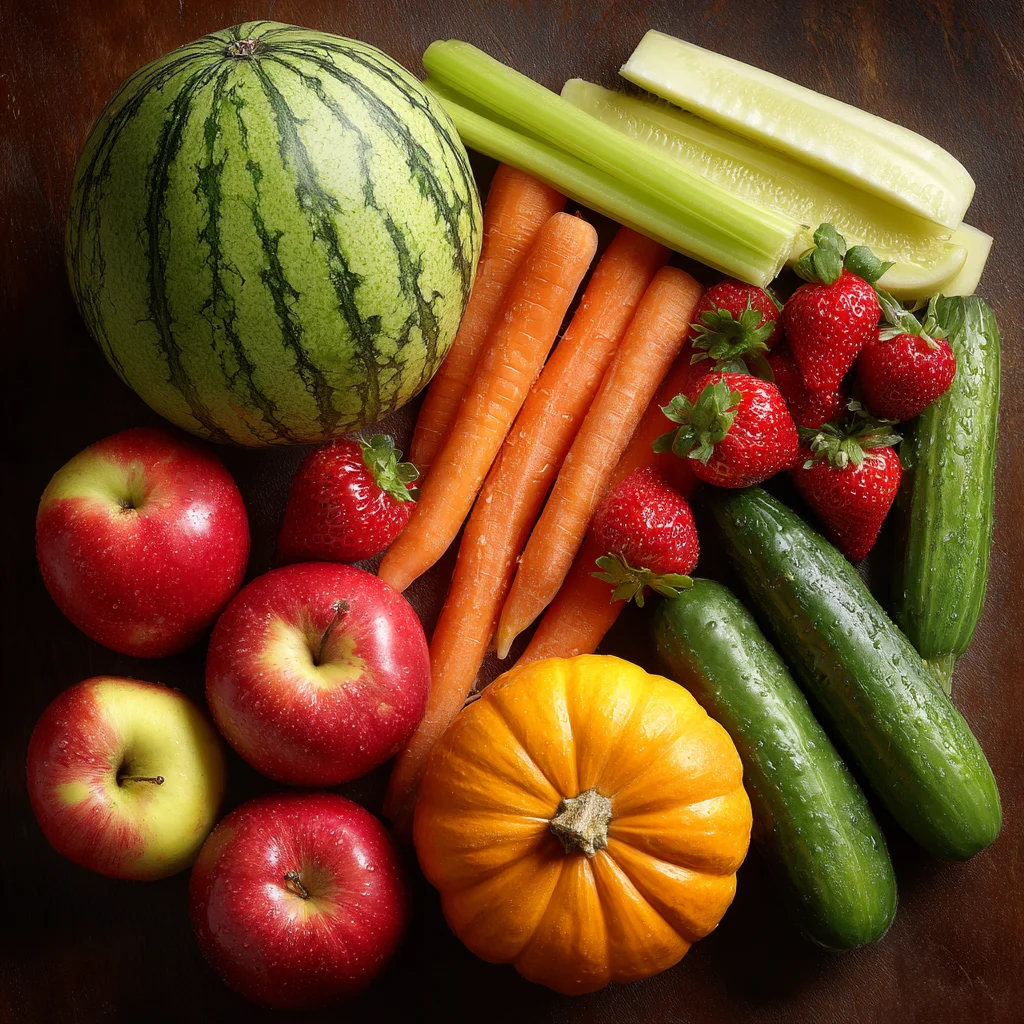
While we’ve covered what not to feed, horses can safely enjoy many fruits and vegetables in moderation:
Safe treats include:
- Apples (remove core and seeds)
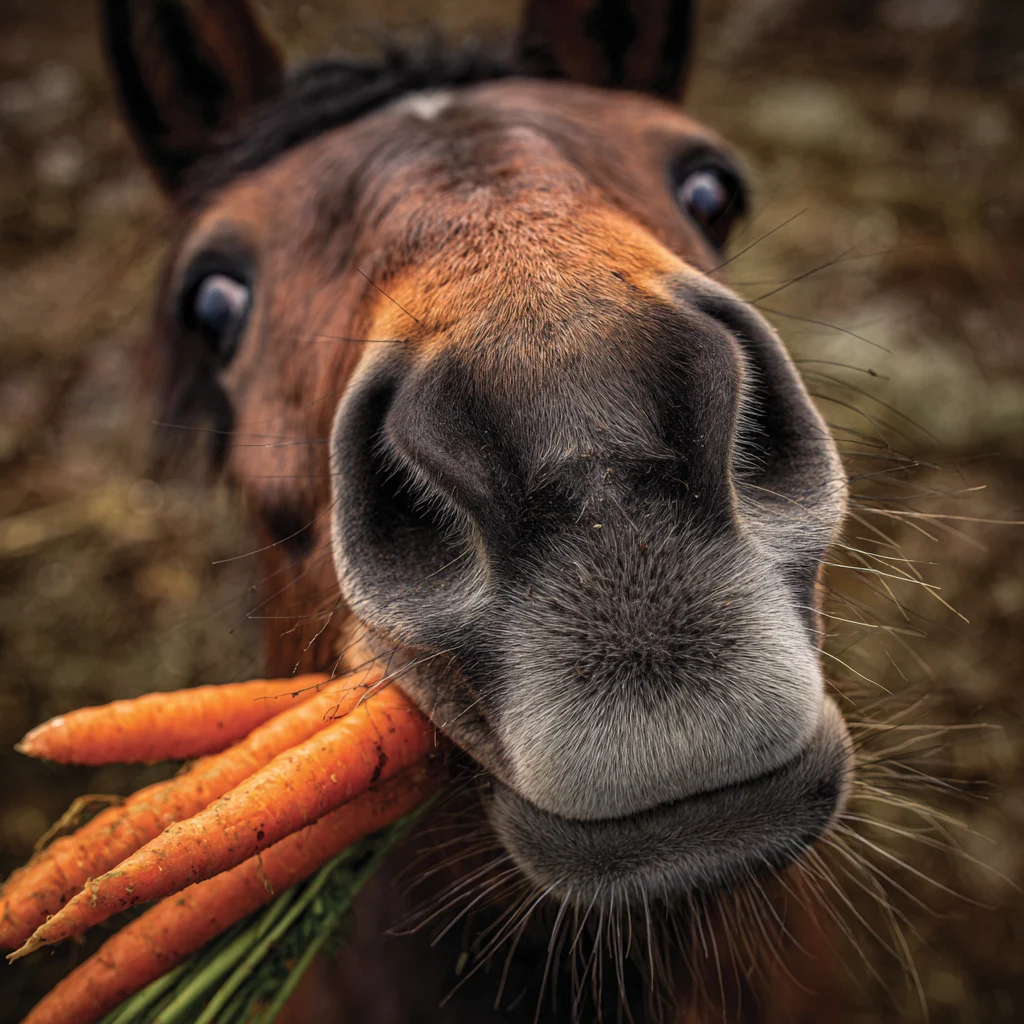
- Carrots
- Bananas (with or without peel)
- Watermelon (remove seeds)
- Celery
- Cucumbers
- Strawberries, blueberries (in moderation)
- Pumpkin (flesh only, not shell)
Feeding guidelines:
- Treats should be max 10% of daily diet
- Introduce new foods slowly, one at a time
- Cut into appropriate sizes to prevent choking
- Wash thoroughly to remove pesticides
- Remove seeds, pits, cores from all fruits
For complete information on safe foods with serving sizes and preparation methods, download our free Safe & Toxic Foods Guide.
The Bottom Line
After 45 years with horses, here’s what I know for certain: prevention is exponentially easier than treatment. The few seconds it takes to check whether a food is safe can save your horse’s life.
Horses are curious animals who will often eat things that are bad for them. They didn’t evolve with access to human foods, chocolate, processed grains, or lawn clippings. They don’t instinctively know these things are dangerous.
It’s our job as their caretakers to protect them from foods that can harm them.
When in doubt, don’t feed it. If someone offers to give your horse a treat and you’re not sure what it is, politely decline. If you find your horse has gotten into something questionable, call your vet—better a false alarm than a tragedy.
The horse I mentioned at the beginning—the one who ate onions—survived, but it cost thousands in veterinary care, left permanent organ damage, and could easily have been fatal. All because someone didn’t know onions are toxic to horses.
Don’t let your horse become a statistic. Know what’s dangerous. Educate everyone around your horses. Act immediately if poisoning occurs.
Your horse depends on you to keep them safe. Armed with this knowledge, you can.
Download Your Free Safe & Toxic Foods Guide
Want a comprehensive, printable reference you can post in your barn? Download our complete Safe & Toxic Foods for Horses Guide with:
- Complete lists of toxic and safe foods
- Serving sizes for safe treats
- Emergency poisoning protocol
- Quick reference chart for posting
- Special considerations for metabolic horses
- Seasonal safety reminders
Download Your Free Safe & Toxic Foods Guide
Want a comprehensive, printable reference you can post in your barn? Download our complete Safe & Toxic Foods for Horses Guide with:
- Complete lists of toxic and safe foods
- Serving sizes for safe treats
- Emergency poisoning protocol
- Quick reference chart for posting
- Special considerations for metabolic horses
- Seasonal safety reminders
Print it out and keep it where everyone at your barn can see it.
Pin this article to save it for later!
📌 Save This Guide to Pinterest!
Pin this article so you can find it when you need it. Share it with barn friends who need this information!

Click the image or button to save to your Pinterest board
Related Articles You’ll Love:
- Horse Senses: The 5 Superpowers Your Horse Uses Every Day
- Understanding Horse Behavior: Communication & Body Language
- First-Time Horse Owner’s Complete Guide
- 17 Steps to Buying a Horse: Complete Guide
After 45 years with horses and 25+ years breeding warmbloods, I’m passionate about keeping horses safe and healthy. Have questions about horse nutrition or safety? Leave a comment below—I read and respond to every one!
— Jenni @ 4 The Love of Horses