Horse Breeds of the World: A Journey from Past to Present

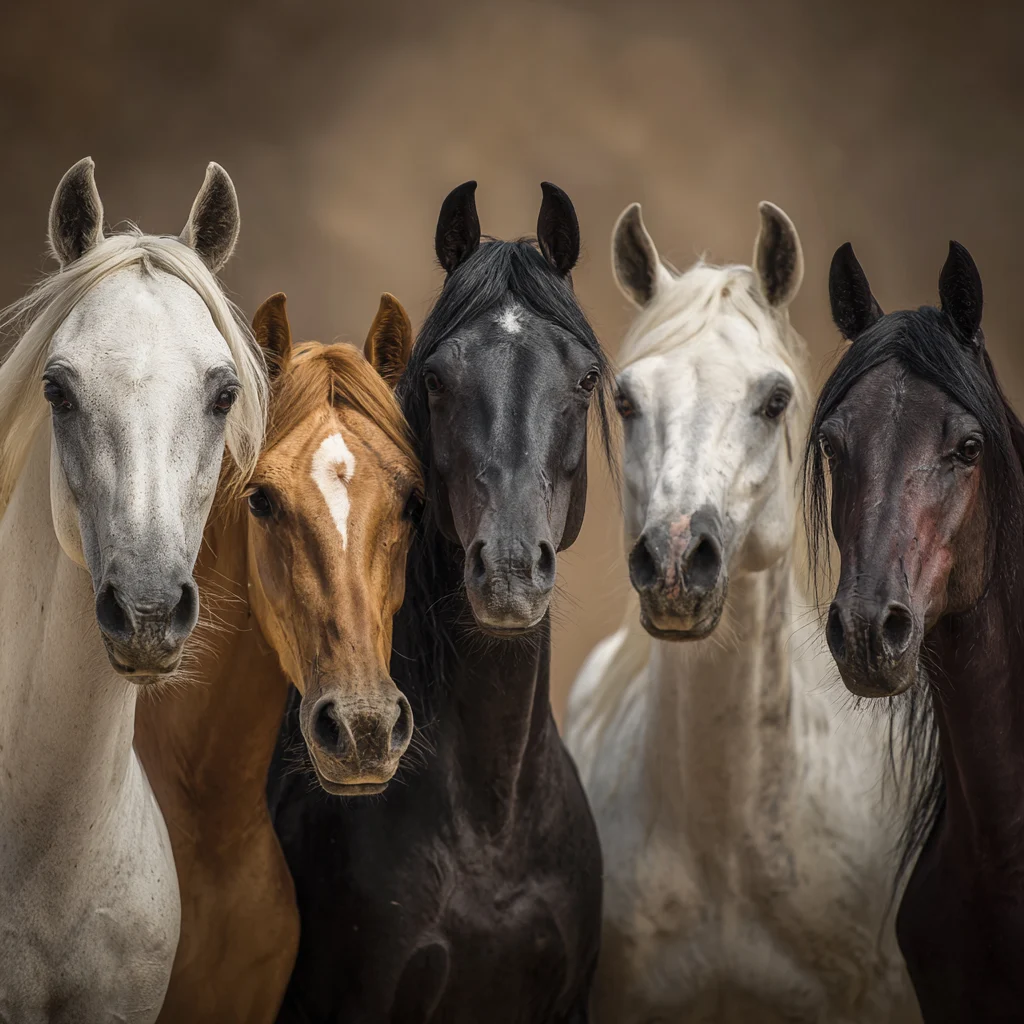
Ever since my first encounter with a horse, my life has been irrevocably intertwined with these special animals. Each horse I’ve met, from the talented showjumpers in England to the beautiful young horses I’ve had the joy of breeding, has left an indelible mark on my heart. Their diverse characteristics, not just in appearance but in spirit and resilience, have always fascinated me. It’s like they carry the essence of their homelands in their gait, a silent testament to their origins.
This deep-seated fascination is what sparks today’s article. We’re embarking on a global journey, exploring the origins and unique characteristics of regional horse breeds. From the wind-swept steppes of Mongolia to the lush pastures of the British Isles, each region of the world has developed horse breeds that reflect the culture, climate, and needs of their people. It’s a testament to the incredible versatility and adaptability of horses, shaping and being shaped by human history across the globe.
The Tapestry of Horse Breeds: A Global Overview
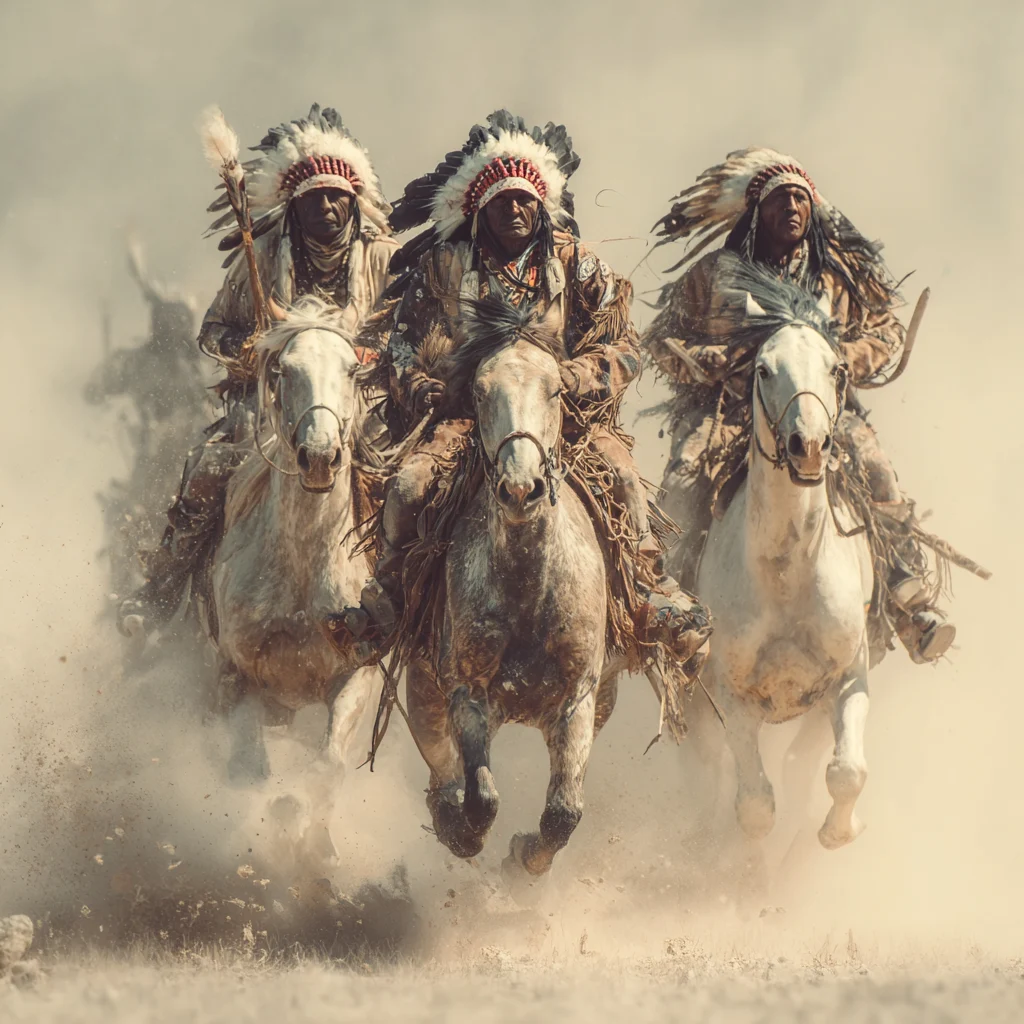
Our planet is a mosaic of climates, terrains, and cultures, each corner birthing legends, traditions, and, notably, horse breeds that are as varied as the landscapes they hail from. This diversity is not merely a matter of beauty or stature; it’s a tale of survival, adaptation, and partnership with humans. The journey from the wild horses that roamed the ancient plains to the specialized breeds we cherish today is a testament to both nature’s ingenuity and human innovation.

Geography and climate have been the architects of breed characteristics. In the harsh deserts of the Middle East, the Arabian horse developed a remarkable endurance to withstand scorching days and cold nights, while its close coat and refined head helped dissipate heat. Contrast this with the robust Icelandic horse, bred to survive Iceland’s unforgiving cold, its thick coat a shield against icy winds.
Human needs have further sculpted these breeds, turning natural adaptations into desirable traits. The need for speed and agility in battle gave rise to the swift Akhal-Teke of Central Asia, its metallic sheen not just beauty but also a reflection of its endurance. In Medieval Europe, the strength to carry armored knights shaped the powerful destriers, ancestors of today’s draft horses.
This fascinating journey from wild to domesticated, from utility to companion, showcases the horse’s unparalleled ability to adapt. It’s a journey that mirrors our own, with horses standing by our side, shaping and being shaped by human history. As we explore the origins and characteristics of regional horse breeds, we’re not just tracing the lineage of animals; we’re uncovering the shared history of humanity and our equine partners.
From the nimble-footed horses of the Mongolian steppe to the majestic chargers of European knights, each breed carries a story, a piece of the puzzle of human civilization. Their development speaks of wars fought, lands discovered, and societies built, with the horse always at the heart of our progress.
Delving into the heart of Europe, where history, culture, and equine heritage intertwine, we find the cradle of some of the world’s most classical and revered horse breeds. Each breed not only epitomizes equine beauty and prowess but also embodies the spirit and history of its native land.
Europe: The Cradle of Classical Breeds
British Isles: The Thoroughbred – A Symphony of Speed and Grace
In the rolling green pastures of the British Isles, the Thoroughbred first galloped into history, a breed that would redefine speed, endurance, and the very essence of horse racing. Born from a desire to outpace and outlast, the Thoroughbred’s lineage traces back to the 17th century, when English mares were crossed with Arabian stallions to produce a horse unmatched in its racing capabilities.
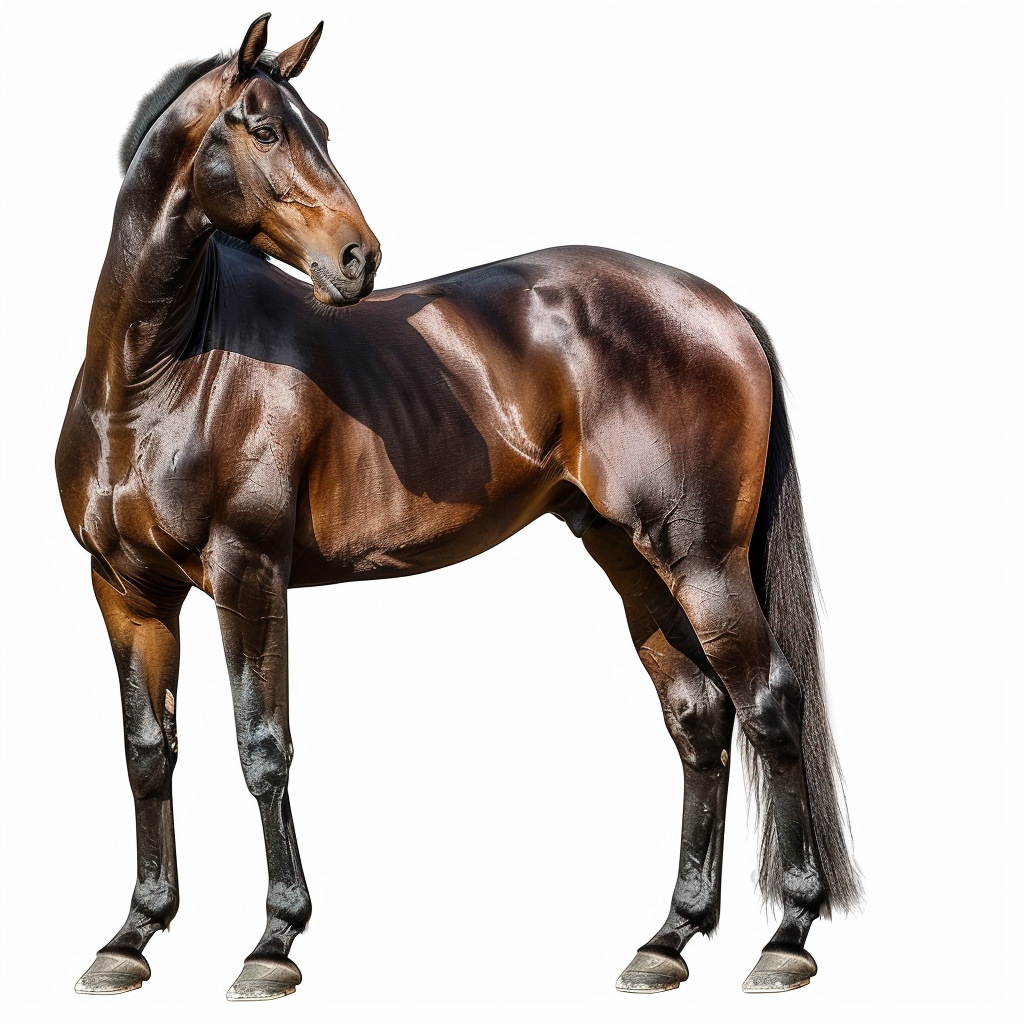
The Thoroughbred’s elegance is rivaled only by its spirit—a heart that pulses with the thrill of the race and the determination to win. But beyond the racetrack, Thoroughbreds have shown remarkable versatility, excelling in show jumping, dressage, and eventing, their grace and agility transcending the boundaries of the racing world.
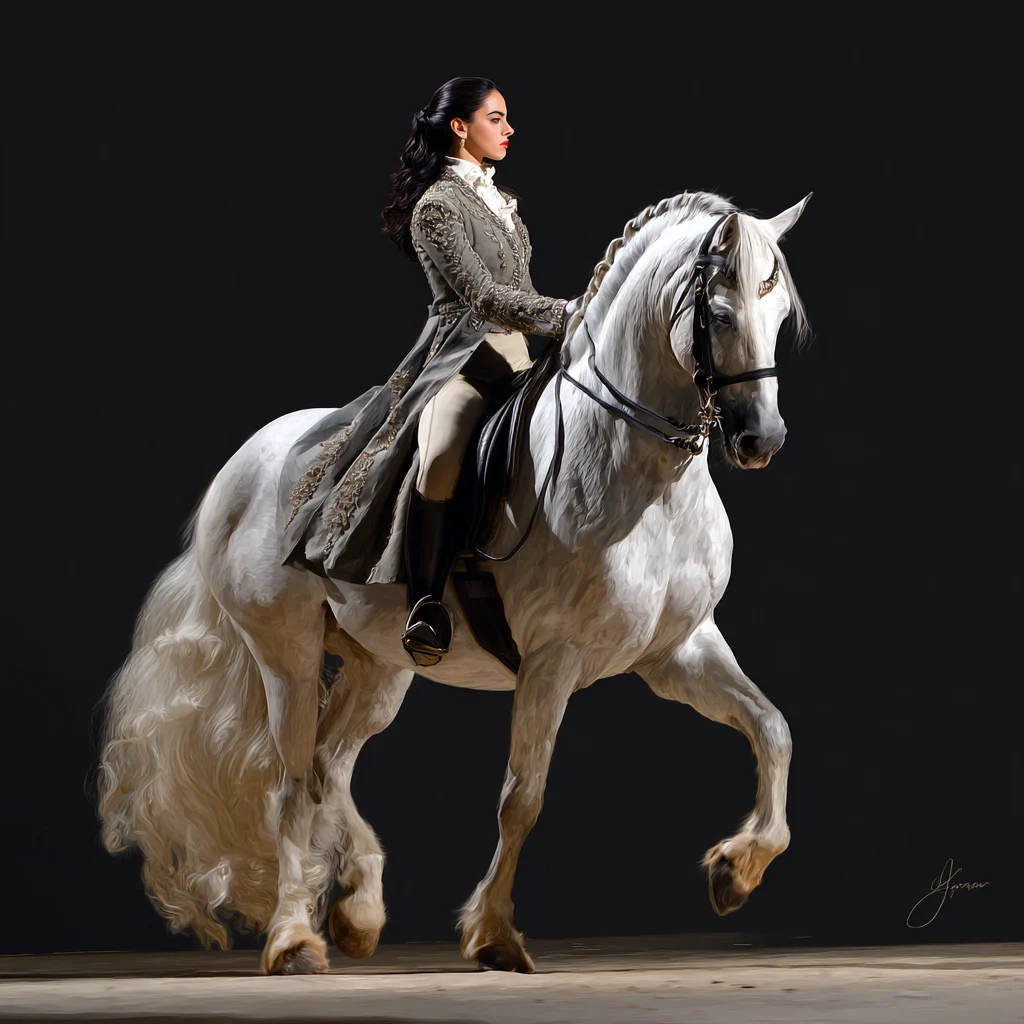
Spain: The Andalusian – An Emblem of Renaissance Grace and Strength
Venture south to the sun-drenched lands of Spain, and you’ll find the Andalusian, a horse that looks as if it stepped out of a Renaissance painting. With roots that stretch back to the Iberian Peninsula’s ancient inhabitants, the Andalusian has been revered for centuries, not only for its breathtaking beauty but also for its incredible versatility and strength.
Known as the “horse of kings,” the Andalusian was the favored mount of nobles and conquerors, prized for its ability to carry its rider with unmatched elegance and power. Its compact, muscular frame and proud carriage make it a favorite in classical dressage, where it performs with a natural grace and harmony that is poetry in motion.
Both the Thoroughbred and the Andalusian stand as living monuments to their regions’ histories, reflecting the landscapes, cultures, and peoples that shaped them. These breeds exemplify the beauty and diversity of European horse breeds, each with its own story, a legacy of speed, strength, and elegance that continues to captivate horse lovers around the world.
The Middle East: The Birthplace of Endurance
The Middle East, a region of vast deserts, ancient civilizations, and rich cultural heritage, has given the world some of the most enduring and beautiful horse breeds. Among these, the Arabian and the Turkoman stand out, not just for their remarkable qualities but also for their significant impact on horse breeds around the globe.
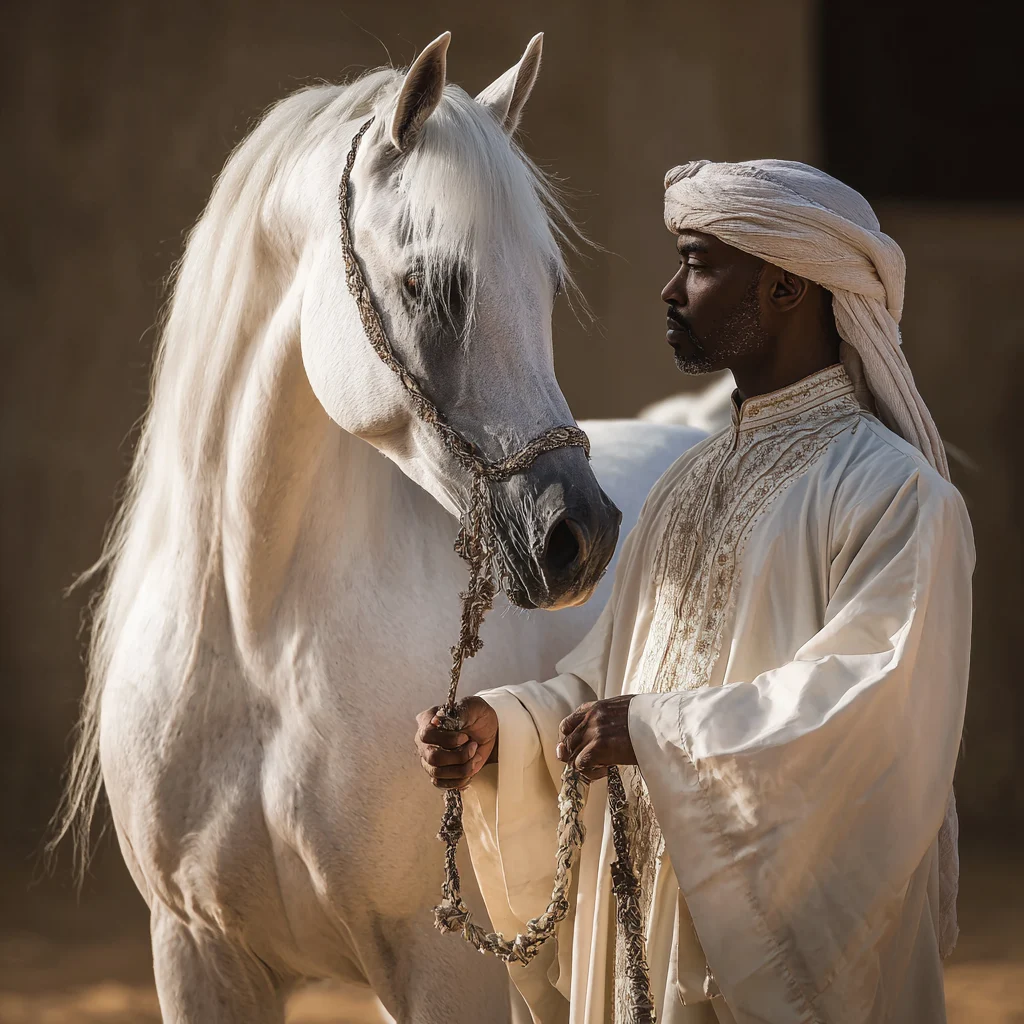
Arabian: The Essence of Beauty and Endurance
The Arabian horse, with its distinctive dished face, arching neck, and high tail carriage, is more than just a breed; it’s a legend woven into the fabric of Middle Eastern culture. Originating from the Arabian Peninsula, this breed is renowned for its endurance, intelligence, and gentle temperament, qualities that have allowed it to thrive in the harsh desert environment for centuries.
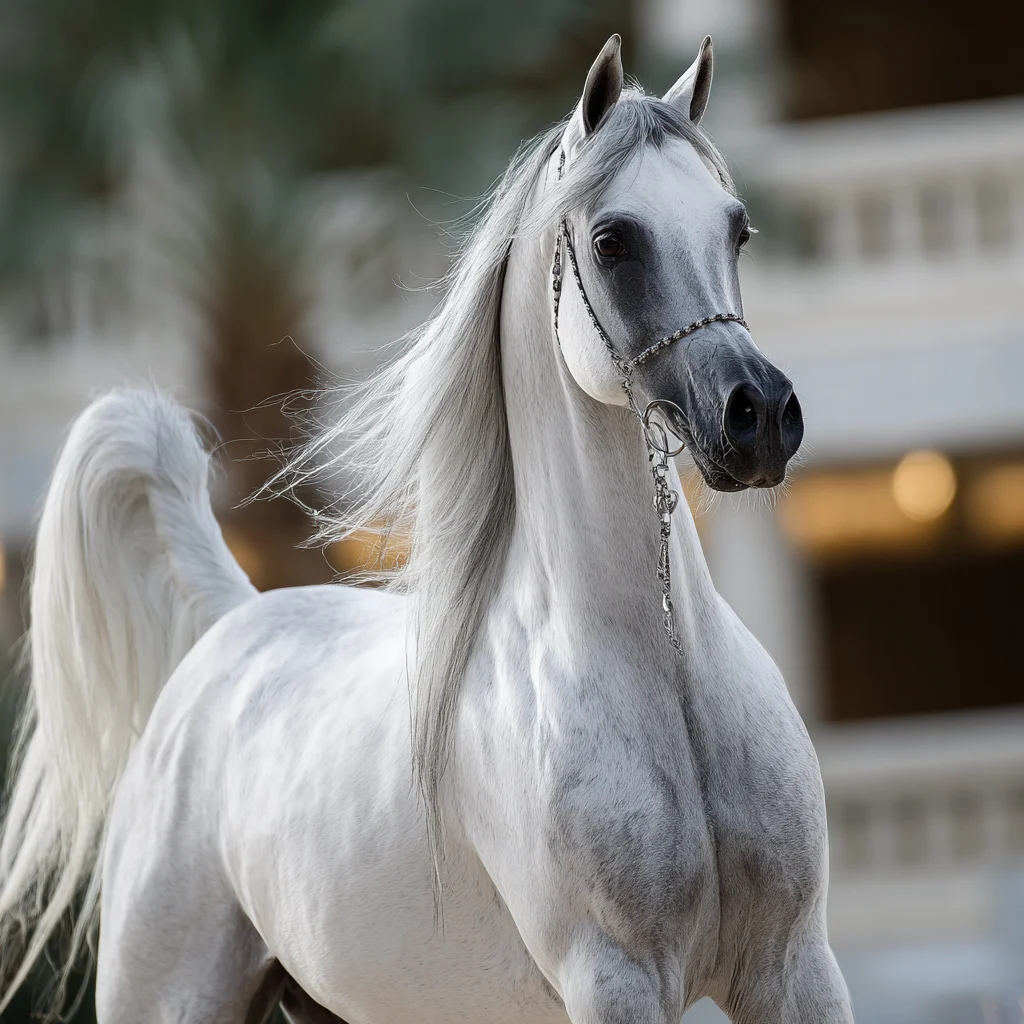
The Arabian’s story is one of survival, versatility, and unparalleled beauty. Revered by Bedouin tribes, who often kept their cherished horses in their tents, the Arabian developed a close bond with humans, a trait that endears them to horse lovers to this day. Beyond its endurance, the Arabian has contributed its refined qualities to almost every modern horse breed, enhancing speed, grace, and stamina wherever its genes have flowed.
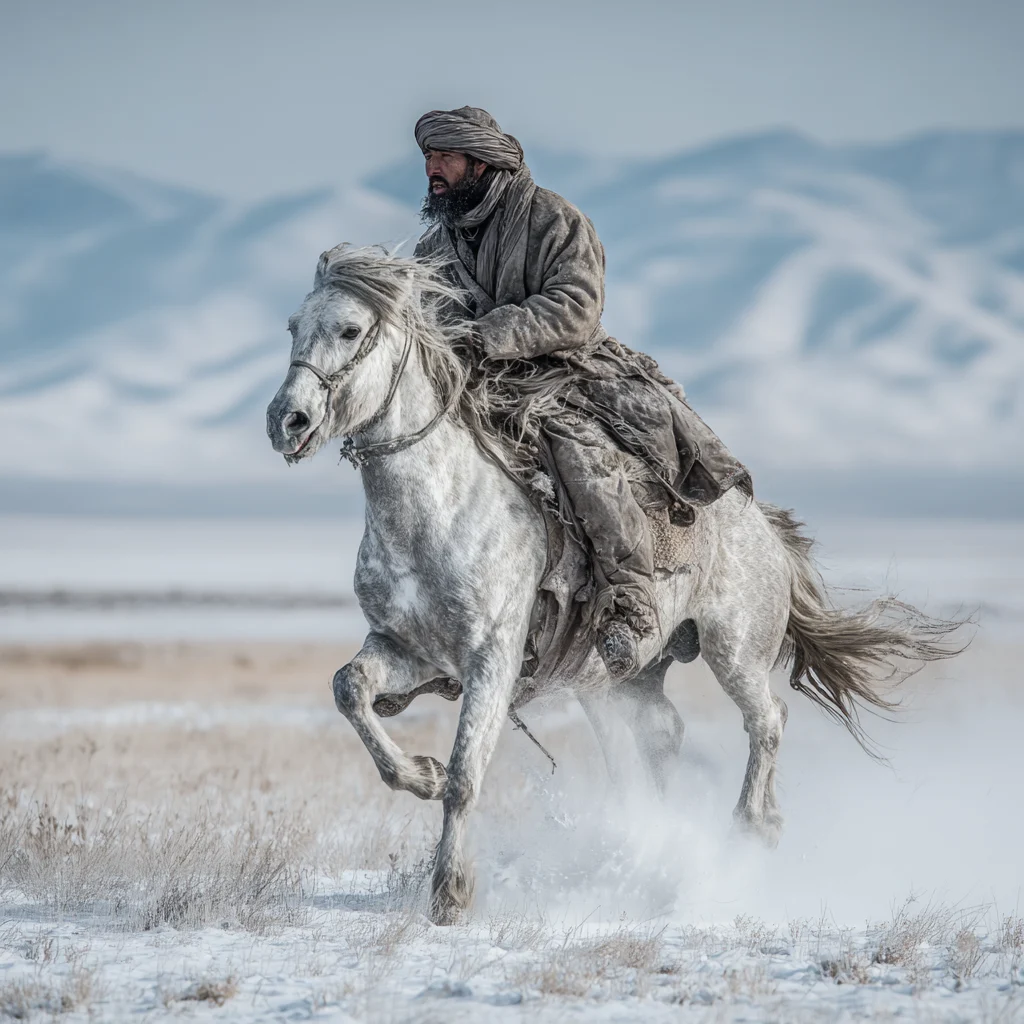
Turkoman: The Ghost of the Silk Road
The Turkoman horse, often cited as the ancestor of the modern Akhal-Teke, is a breed shrouded in the mists of history. Known for its incredible endurance and distinctive metallic sheen, the Turkoman was a treasure of the ancient Silk Road, carrying riders across vast distances with unyielding stamina.
Though the pure Turkoman breed may no longer roam the earth, its legacy lives on in the Akhal-Teke, a horse that embodies the spirit and resilience of its forebear. The Turkoman’s influence extends beyond its descendants, contributing to the development of other breeds, including the Thoroughbred, and leaving an indelible mark on the equestrian world.
The Arabian and the Turkoman represent the heart and soul of the Middle East’s contribution to the horse world. They embody the essence of endurance, beauty, and the deep bond between horse and rider that transcends time and geography. As we celebrate these breeds, we honor the ancient lands that gave them life and the people who nurtured and revered these magnificent animals. Their stories are a testament to the enduring legacy of the Middle East in the tapestry of horse breeds worldwide, reminding us of the shared history and mutual respect that define our relationship with these noble creatures.
Asia: Ancient Lineages and Rugged Survivors
Asia, with its vast landscapes and ancient cultures, has given rise to horse breeds that are as resilient and diverse as the continent itself. Among these, the Mongolian horse and the Marwari stand out, each embodying the spirit of their homeland and the enduring qualities that have made them invaluable to their people.
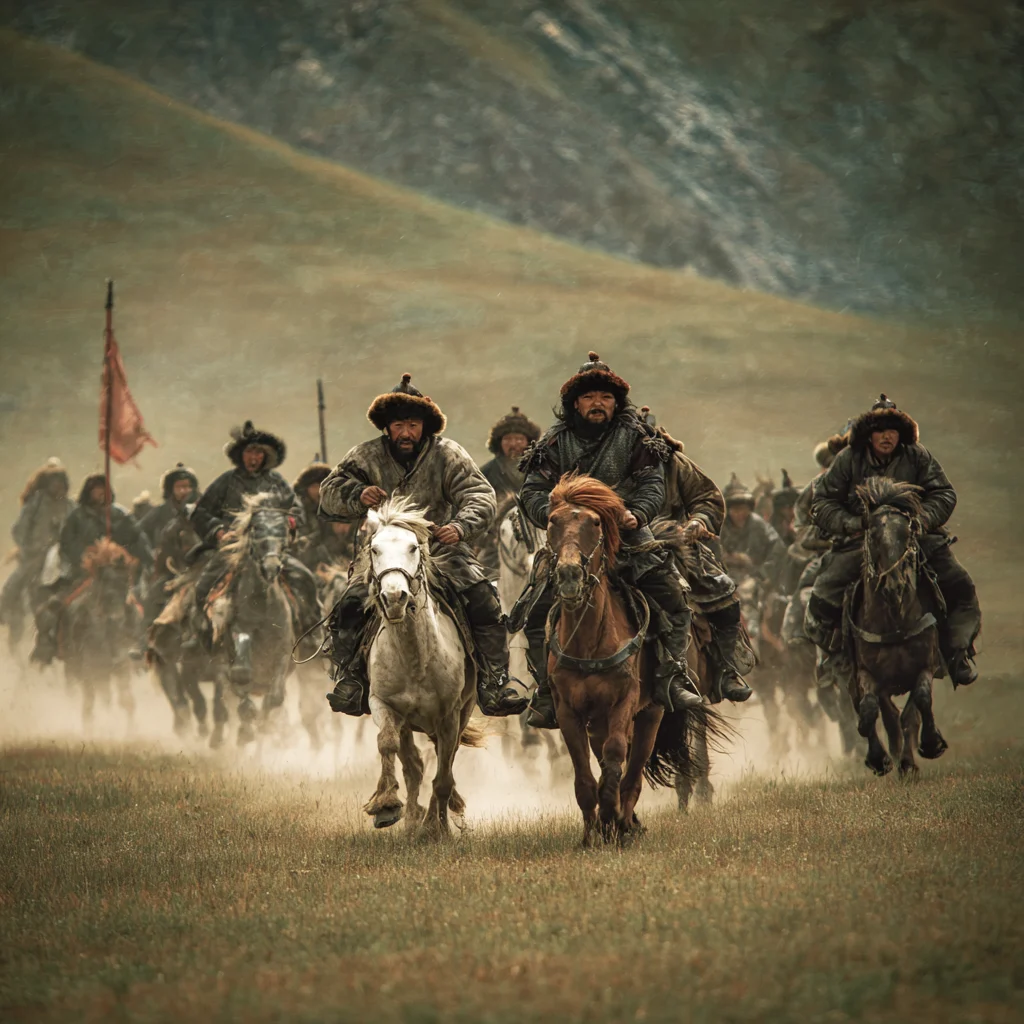
Mongolian: The Steed of the Steppe
In the expansive steppes of Mongolia, where the earth meets the sky in an endless horizon, the Mongolian horse thrives. A breed that has remained largely unchanged since the time of Genghis Khan, these horses are a testament to the rugged beauty and resilience of Mongolia. Small but incredibly hardy, the Mongolian horse is known for its stamina, toughness, and versatility, capable of surviving in extreme conditions where others might falter.
The Mongolian horse played a pivotal role in the Mongol Empire, carrying Genghis Khan and his warriors across vast distances at remarkable speeds, creating the largest contiguous empire in history. Beyond their historical significance, these horses continue to be an integral part of Mongolian life, used for herding, transport, and the traditional sport of horse racing. Their enduring presence is a symbol of the Mongolian people’s connection to their land and their past.
Marwari: The Pride of Rajasthan
From the majestic forts and palaces of Rajasthan in India comes the Marwari, a breed as regal and spirited as the land it hails from. Known for its distinctive inward-turning ear tips, the Marwari is a symbol of loyalty and bravery, traits that have been cherished by the Rajput warriors and nobility for centuries. Bred for battle and the demanding desert conditions, the Marwari possesses not only remarkable endurance but also an unmatched elegance and grace.
The Marwari’s history is intertwined with the tales of heroism and romance that echo through Rajasthan’s history. Revered for their intelligence and sensitivity, these horses were considered not just as mounts but as trusted companions in war and peace. Today, the Marwari is celebrated for its unique beauty and its ability to perform in dressage, show jumping, and endurance riding, a living legacy of India’s rich equestrian heritage.
The Mongolian and the Marwari, each from different corners of Asia, represent the incredible adaptability and resilience of horses. They carry the stories of their people, the challenges of their environments, and the spirit of survival and loyalty. As we explore the ancient lineages and rugged survivors of Asia, we’re reminded of the profound bond between humans and horses, a relationship that has shaped empires, cultures, and the very landscape itself.
Americas: New World, New Breeds
The Americas, a land of diverse landscapes and cultures, has given rise to horse breeds that reflect the spirit of innovation and the challenges of a new world. Among these, the American Quarter Horse and the Criollo stand as testaments to the Americas’ unique equestrian heritage, each breed embodying qualities that have made them indispensable to the people they serve.
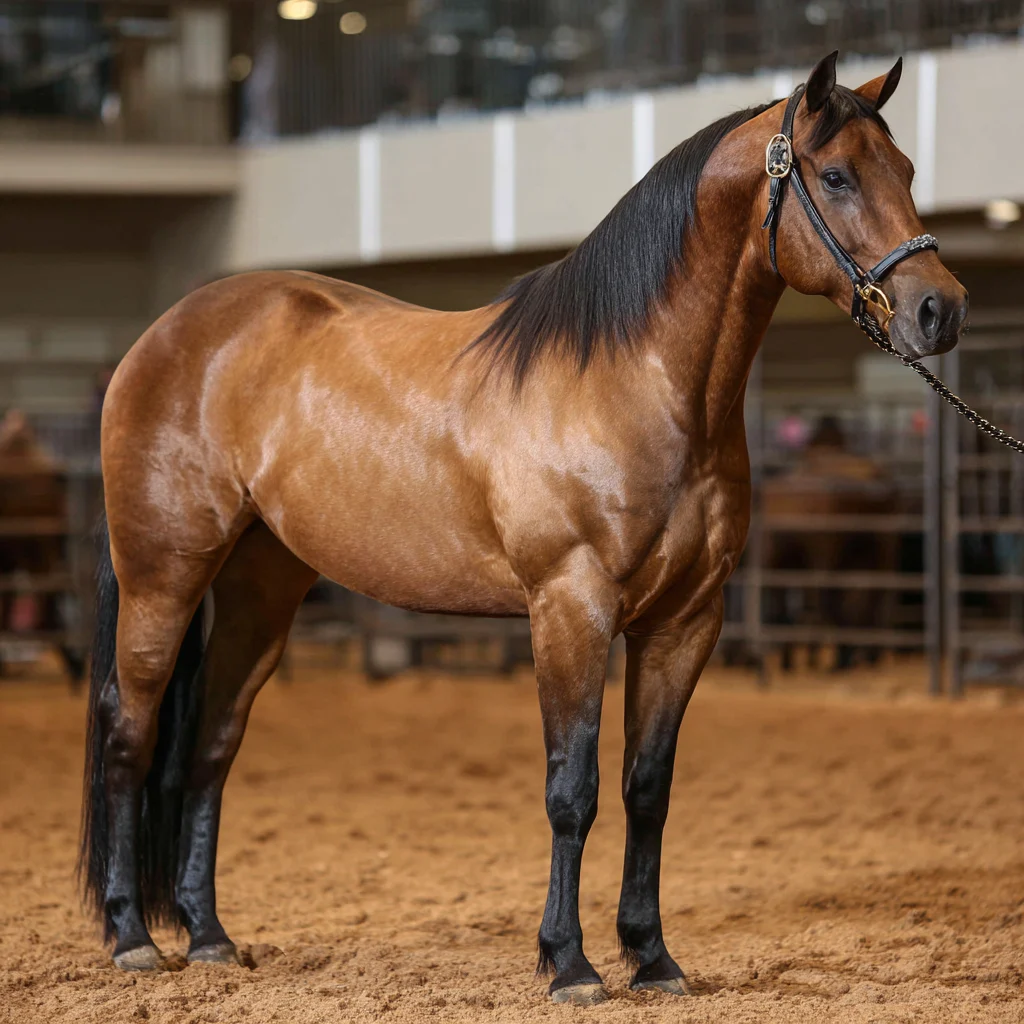
American Quarter Horse: The Speedster of the West
In the vast expanses of the American West, the Quarter Horse emerged as a breed unparalleled in its versatility and speed over short distances. Known as the world’s fastest horse over a quarter of a mile, from which it gets its name, the Quarter Horse is a symbol of American grit and determination. Its compact body, powerful hindquarters, and agile movements make it not only a champion on the racetrack but also a reliable workhorse on ranches and farms across the United States.
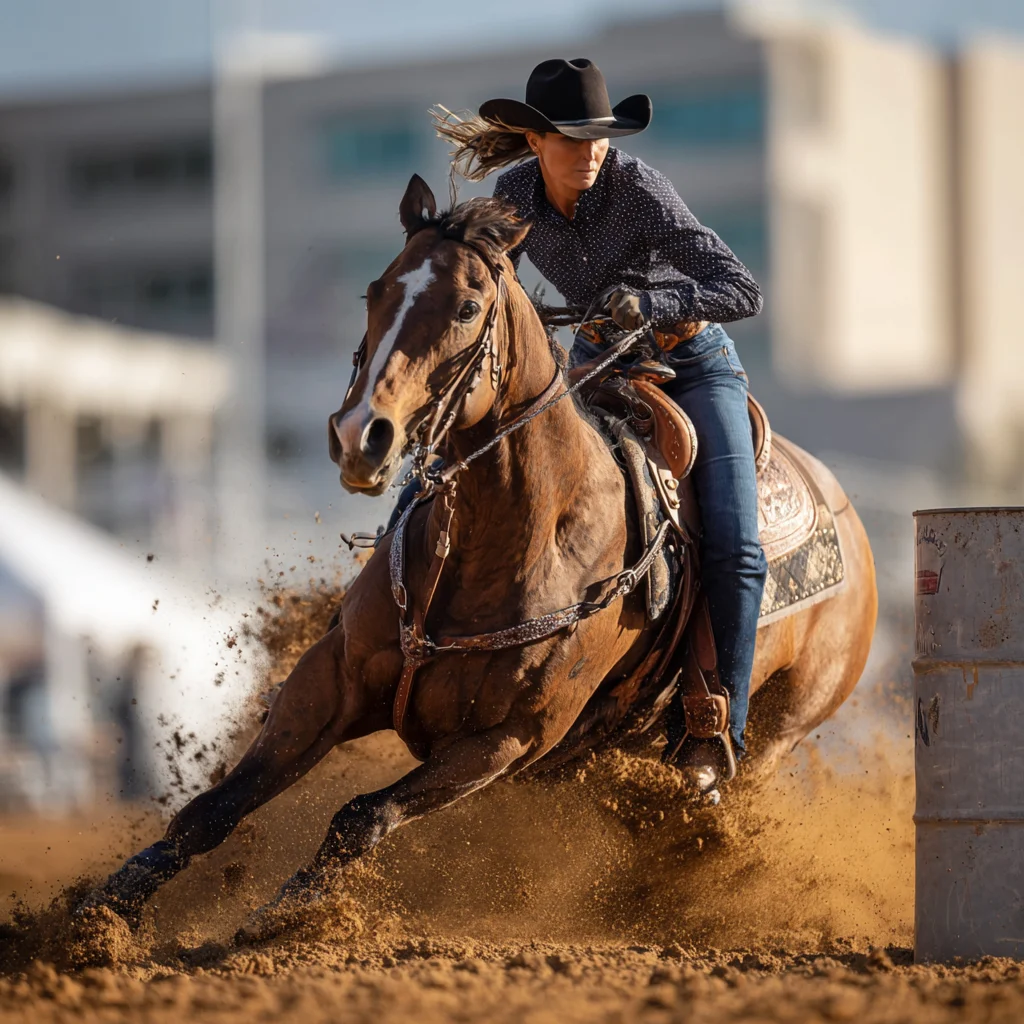
The Quarter Horse’s roots can be traced back to the early colonial era, blending the bloodlines of English Thoroughbreds with Native American horses. This unique combination resulted in a horse that excelled in the challenges of frontier life, from cattle herding to horse racing. Today, the American Quarter Horse is celebrated not only for its athletic ability but also for its calm demeanor and intelligence, making it a favorite among riders of all disciplines.
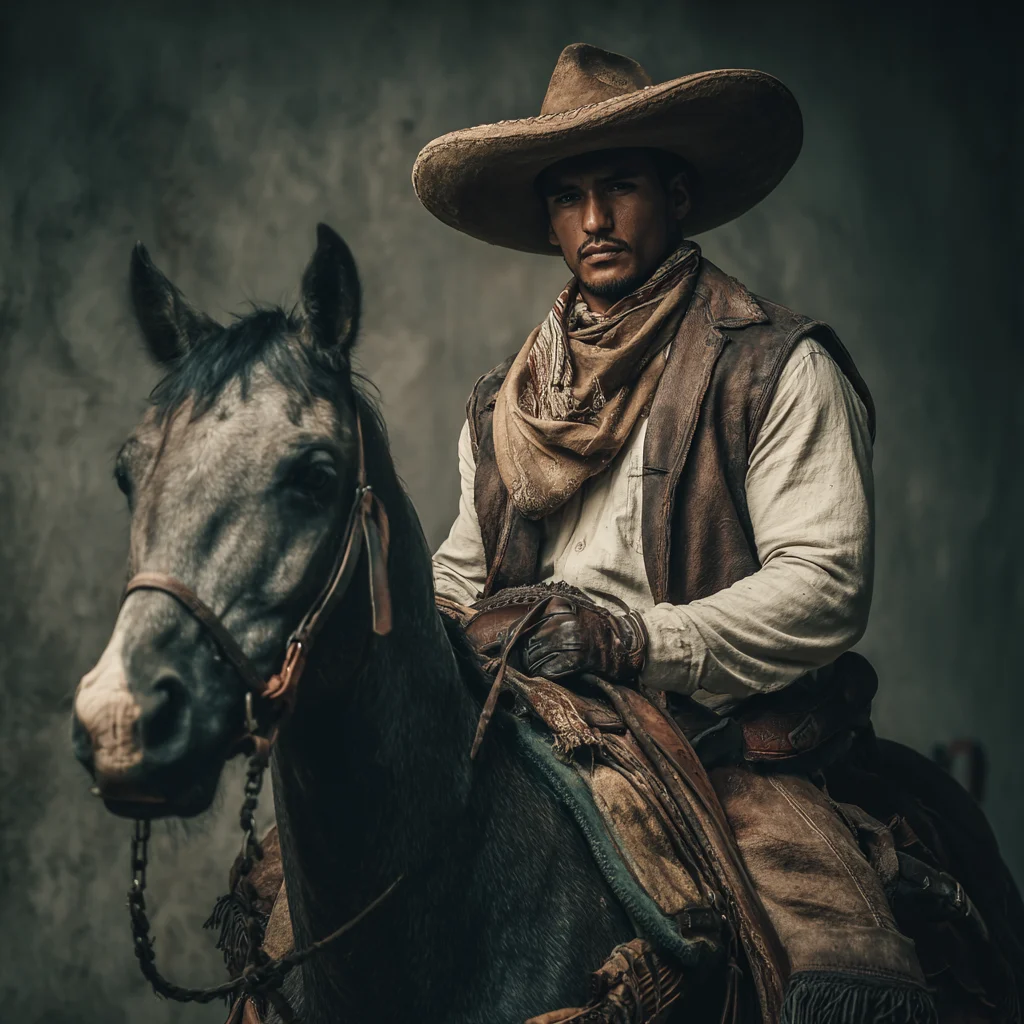
Criollo: The Enduring Spirit of Latin America
Venture further south, into the heart of Latin America, and you’ll find the Criollo, a breed as rugged and diverse as the landscapes it inhabits. Known for its incredible stamina and resilience, the Criollo is the embodiment of the Latin American cowboy’s spirit, a trusted companion in the demanding work of managing livestock over vast terrains.
The Criollo’s lineage dates back to the Spanish horses brought to the Americas in the 16th century. Left to run wild, these horses adapted to the harsh conditions of the Pampas and the Andes, evolving into a breed that could endure long distances and extreme weather without faltering. The Criollo’s endurance is matched by its loyalty and intelligence, traits that have cemented its place in the culture and history of Latin American horsemen.
The American Quarter Horse and the Criollo, each from different ends of the Americas, reflect the new world’s spirit of adventure and adaptability. They have shaped the development of the regions they inhabit, becoming not just tools for work and sport but also beloved symbols of American and Latin American identity. As we celebrate these breeds, we honor the bond between horse and rider that has driven the exploration, settlement, and cultivation of the Americas, a testament to the enduring partnership that has defined human progress.
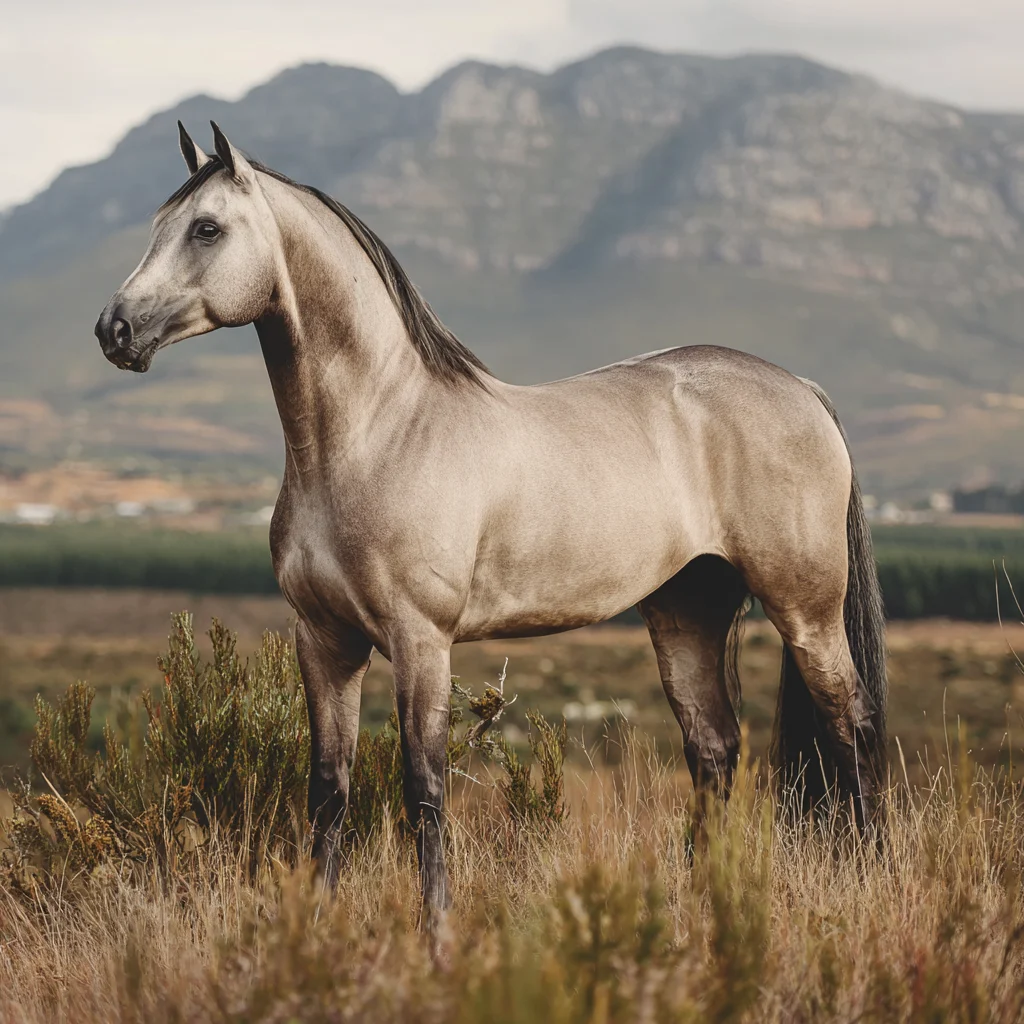
Africa: Hardy and Resilient
Africa, with its rich tapestry of landscapes and cultures, has nurtured horse breeds that embody the continent’s resilience and diversity. The Boerperd and the Barb are exemplary, showcasing the adaptability and enduring spirit of African horses, each breed deeply intertwined with the continent’s history and the lives of its people.
Boerperd: The Versatile Companion of South Africa
In the vibrant land of South Africa, the Boerperd stands as a testament to versatility and resilience. This breed, with its calm demeanor and adaptable nature, has become an integral part of South African equestrian life. The Boerperd’s origins trace back to the horses brought by Dutch settlers in the 17th century, which mixed with indigenous and imported breeds to create a horse uniquely suited to the challenges of the South African landscape.
Known for its even temperament and keen intelligence, the Boerperd is a jack-of-all-trades, excelling in everything from farm work to competitive sports like dressage and endurance riding. Its strength and agility make it a reliable partner, while its friendly nature endears it to families and riders of all ages. The Boerperd’s adaptability is not just physical but symbolic, representing the unity and diversity of South Africa itself.
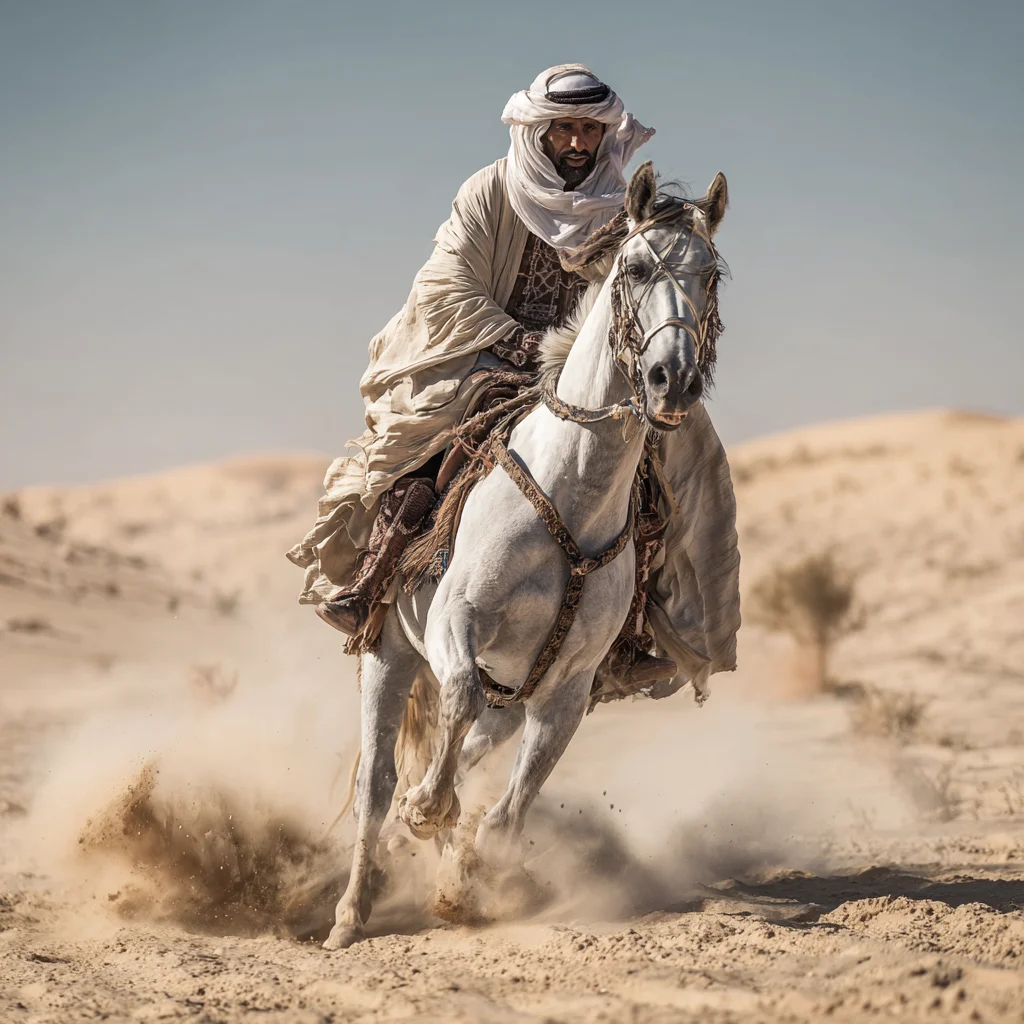
Barb: The Warrior of North Africa
Across the continent, in the vast deserts and rugged mountains of North Africa, the Barb horse has carved out its place in history as a warrior’s steed. Prized for its stamina, agility, and hardiness, the Barb has been a cornerstone of horseback warfare and culture in the region for centuries. Its influence extends beyond Africa, contributing to the development of many European and American breeds, including the Andalusian and the Thoroughbred.
The Barb’s compact frame and powerful build make it ideally suited to the harsh conditions of its homeland, able to cover long distances without tiring. These qualities made it invaluable to the Berber and Arab warriors who relied on their speed and endurance in battle. Today, the Barb continues to be celebrated for its spirited nature and its role in traditional ceremonies and races, a living symbol of North African heritage.
The Boerperd and the Barb, from opposite ends of the African continent, exemplify the hardiness and resilience of Africa’s equine breeds. They are not just survivors but icons of their regions, embodying the strength, diversity, and spirit of the people and lands they represent. As we explore the contributions of Africa’s horses to the world, we celebrate the enduring legacy of the Boerperd and the Barb, horses that have shaped and been shaped by the rich tapestry of African history.
Oceania: Unique Island Breeds
Oceania, with its unique landscapes and ecosystems, is home to horse breeds that reflect the adaptability and spirit of the islands they inhabit. Among these, the Australian Stock Horse and the Kaimanawa horses of New Zealand stand as proud examples of the region’s equine heritage, each breed showcasing traits that have enabled them to thrive in their respective environments.
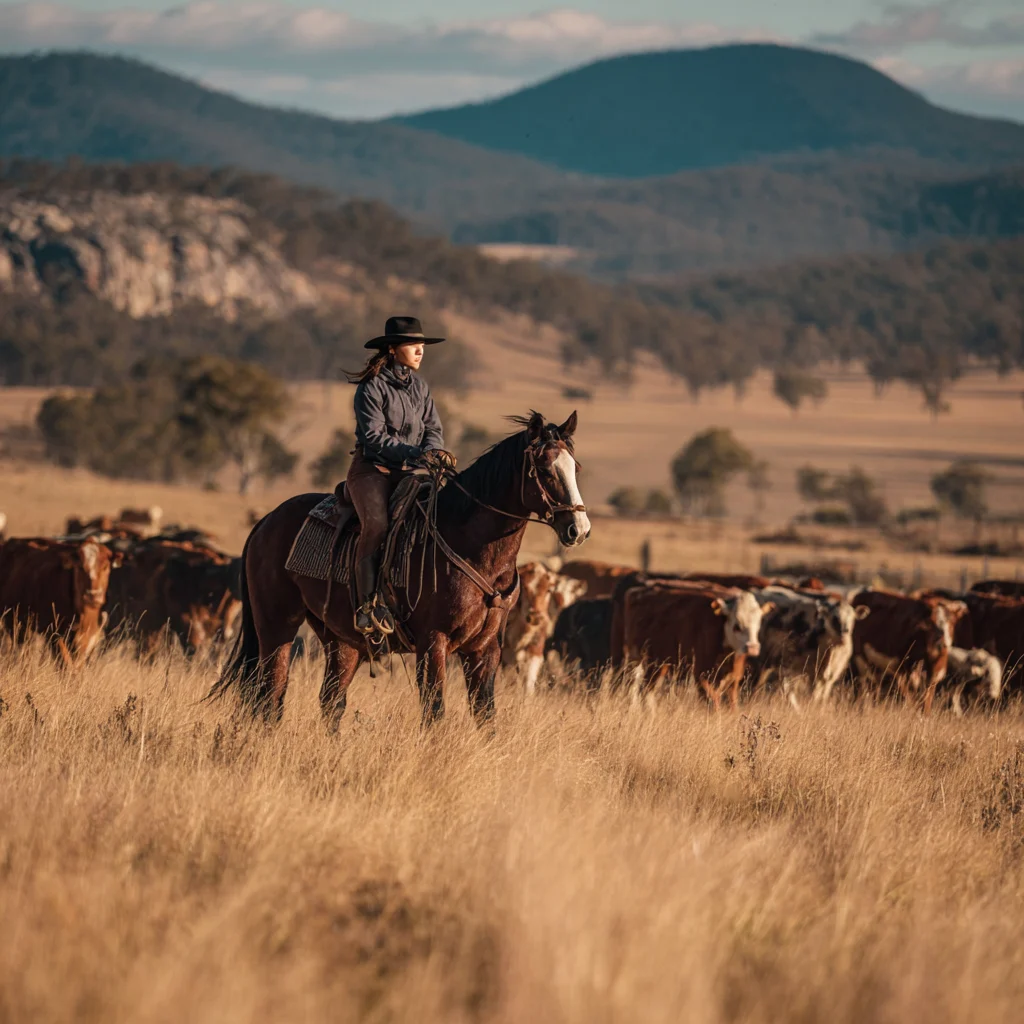
Australian Stock Horse: The Versatile Heart of the Outback
In the vast and varied landscapes of Australia, the Australian Stock Horse has become synonymous with versatility, intelligence, and endurance. Originating from the horses brought over by the British settlers in the 18th century, this breed was shaped by the challenges of the Australian outback, evolving into a horse that could handle the rigors of farm work, cattle herding, and much more.
The Australian Stock Horse is celebrated not only for its physical capabilities but also for its keen intelligence and willing nature, making it a favorite among riders for competitive sports, work, and leisure. Its ability to adapt to different disciplines—from show jumping to dressage and campdrafting—demonstrates the breed’s remarkable versatility. The Australian Stock Horse is truly the backbone of Australia’s equine workforce, embodying the pioneering spirit and resilience of the Australian people.
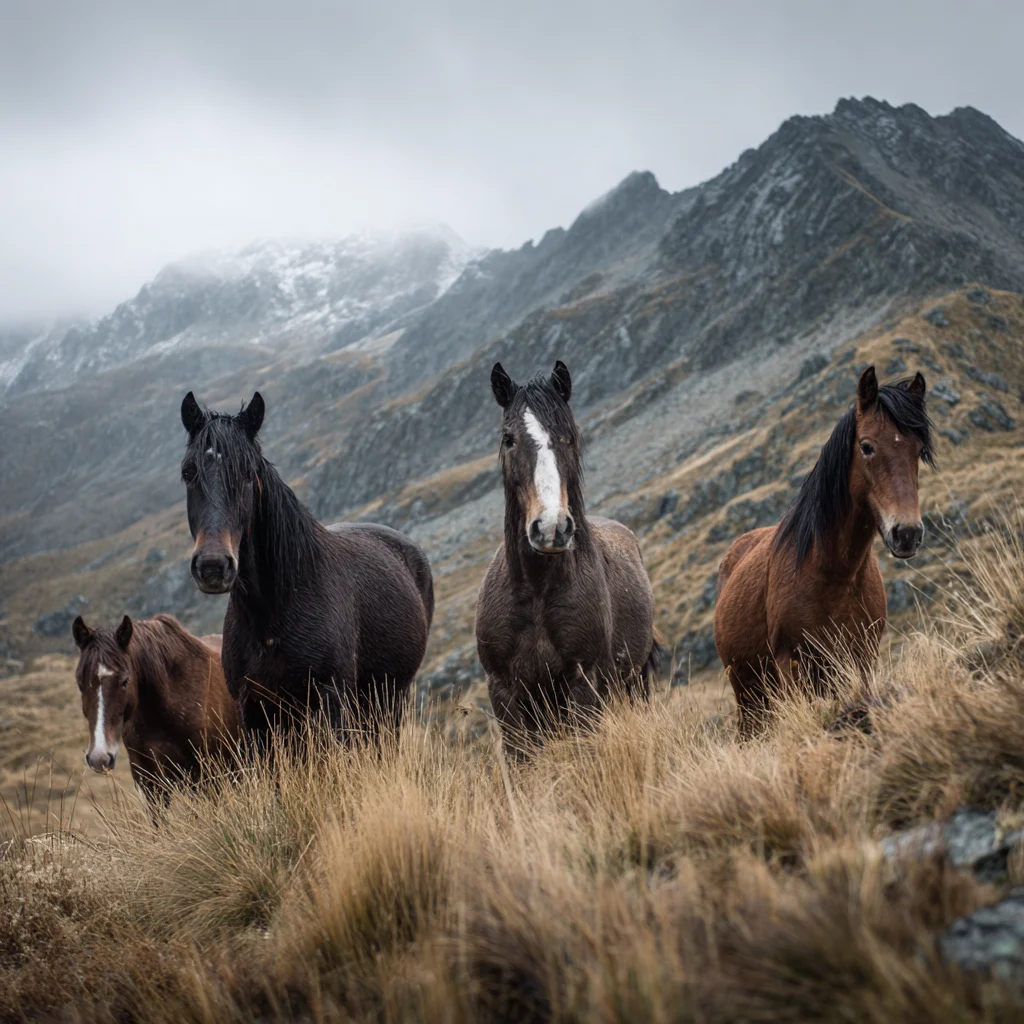
Kaimanawa Horses: The Wild Spirits of New Zealand
The Kaimanawa horses, roaming the rugged terrains of New Zealand’s Central Plateau, are a testament to nature’s resilience and the wild spirit of Oceania’s equine inhabitants. These horses, believed to have descended from domesticated stock released or escaped into the wild, have adapted to their environment over generations, thriving in the harsh conditions of their mountainous home.
The story of the Kaimanawa horses is one of survival and adaptation, as they’ve managed to maintain their wild status despite the challenges posed by human encroachment and environmental changes. Efforts to manage their population and ensure their survival have brought attention to their plight and the importance of preserving New Zealand’s natural heritage. The Kaimanawa horses embody the untamed beauty of New Zealand’s landscapes, reminding us of the delicate balance between nature and human activity.
The Australian Stock Horse and the Kaimanawa horses highlight the diversity and resilience of Oceania’s equine breeds. Each breed, in its own way, showcases the unique qualities that have allowed them to flourish in their environments, from the working fields of Australia to the wilds of New Zealand. Celebrating these breeds gives us a glimpse into the rich tapestry of horse culture in Oceania, a region where horses continue to play a vital role in both the history and the present day lives of its people.
Conclusion
As our journey through the world of regional horse breeds comes to a close, we are left in awe of the incredible diversity and adaptability these magnificent creatures display. From the windswept steppes of Mongolia to the rugged outback of Australia, from the sun-drenched plains of Africa to the lush landscapes of Europe and the Americas, horses have not only adapted to their environments but have thrived, each breed developing unique characteristics that reflect their homeland’s history, climate, and the needs of the people they have served.
This exploration of horse breeds around the globe is a testament to the horse’s unparalleled versatility and the deep bond shared between humans and horses. It underscores the importance of preserving these breeds, not just for their historical significance or their utility, but for the diversity they bring to the equine world. Each breed, with its distinct traits and abilities, contributes to the rich tapestry of our shared heritage with horses.
Further reading
Books
- “The Encyclopedia of the Horse” by Elwyn Hartley Edwards – A comprehensive guide to horse breeds around the world, including their histories and characteristics.
- “Horses: The Definitive Catalog of Horse and Pony Breeds” by Elwyn Hartley Edwards – Offers detailed profiles of breeds, including photographs and insights into each breed’s unique traits.
- “The Nature of Horses: Exploring Equine Evolution, Intelligence, and Behavior” by Stephen Budiansky – Provides insights into horse behavior, physiology, and the evolution of horses.
Websites
- The Equine Heritage Institute (EHI) – Offers information on the history of horses, horse breeds, and their impact on human society (equineheritageinstitute.org).
- International Museum of the Horse – Hosts an extensive online exhibit that includes the history of horse breeds worldwide (imh.org).
- American Horse Council – A resource for information on horse care, legislation, and industry statistics (horsecouncil.org).
Online Forums and Communities
- The Chronicle of the Horse Forum – A platform for horse enthusiasts to discuss various topics, from horse care to breed-specific questions (chronofhorse.com).
- Horse Forum – An online community where people share experiences, advice, and support related to horses and riding (horseforum.com).
Documentaries and Films
- “Wild Horses of the Namib” – A documentary exploring the lives of the wild horse populations in Namibia, showcasing their resilience.
- “The Path of the Horse” – A documentary that explores the relationship between humans and horses, offering insights into natural horsemanship.
YouTube Channels
- Warwick Schiller Performance Horsemanship – Offers training advice and insights into horse behavior and psychology.
- CRK Training – Provides educational videos on horse care, riding techniques, and understanding horse behavior.




Leave a Reply