What to expect in your download:
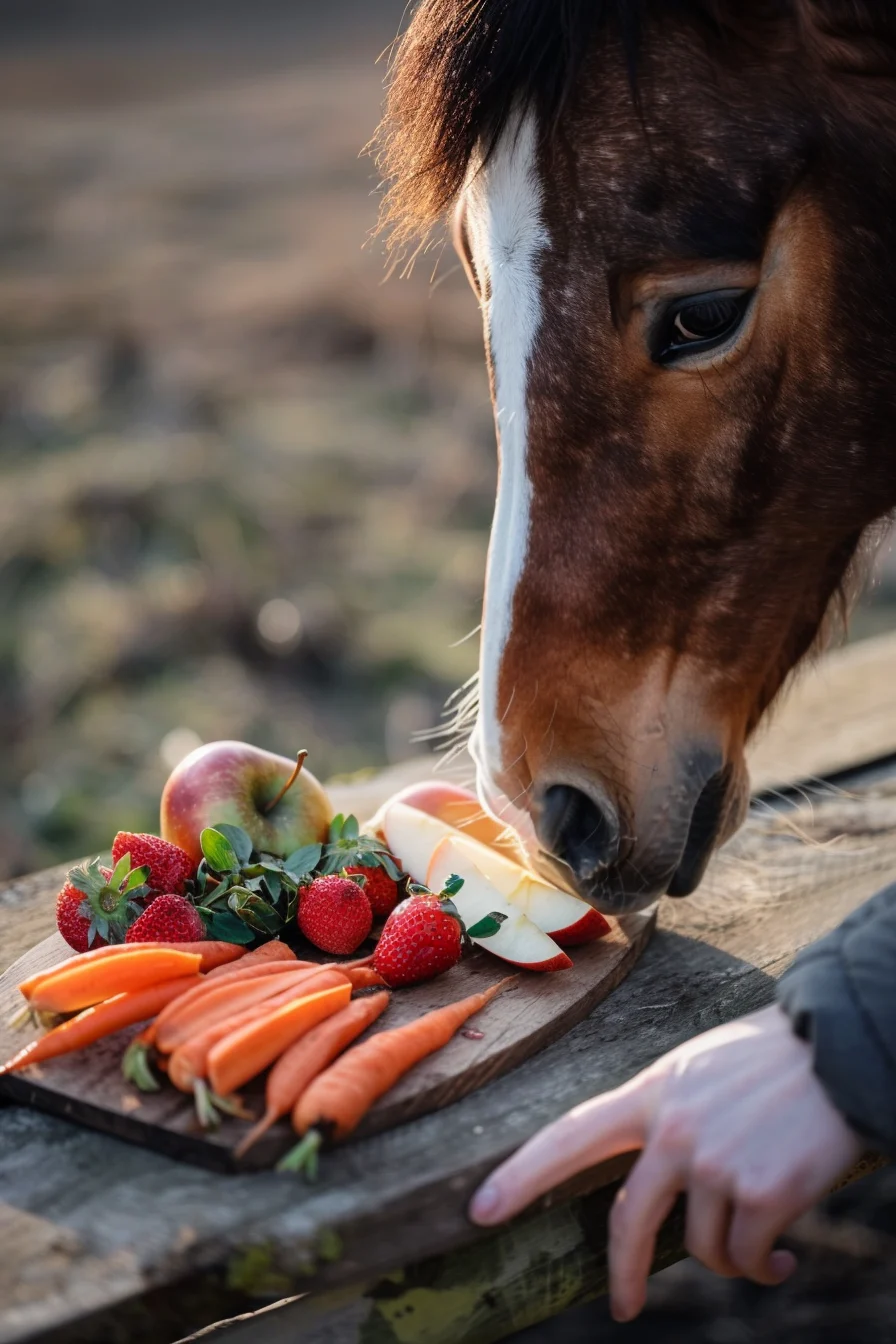
Safe & Toxic Foods for Horses
Your Complete Feeding Safety Guide
Every year, horses become seriously ill or die from eating foods their owners didn’t know were toxic. Some of these foods seem completely harmless—even healthy for humans—but can be deadly for horses. This comprehensive guide ensures you never accidentally poison your horse and know exactly which treats are safe.
Based on 45 years of horse experience, this guide gives you the complete picture: what’s deadly, what’s safe, proper serving sizes, preparation methods, and what to do in a poisoning emergency. Post it in your barn so everyone knows what’s safe to feed.
Get Your Free Download
Inside What is Safe to Feed Guide
- ✓ 15 toxic foods that can kill your horse: Complete list with danger levels, why each is toxic, symptoms of poisoning, and how quickly problems occur. Includes common foods like chocolate, onions, avocados, lawn clippings, and nightshade vegetables that many owners don’t realize are deadly.
- ✓ Emergency poisoning protocol: Step-by-step actions to take if your horse eats something toxic, symptoms to watch for, when to call the vet vs. emergency clinic, and fill-in sections for your emergency contacts. Time matters in poisoning cases.
- ✓ Complete safe foods reference: Detailed tables of safe fruits and vegetables with exact serving sizes, preparation methods (what to remove, how to cut), and special notes. Never wonder “can I feed this?” again.
- ✓ Feeding guidelines for every situation: How to introduce new treats safely, choking prevention tips, storage and freshness rules, special considerations for metabolic horses (IR, Cushing’s, laminitis history), and when NOT to feed treats.
- ✓ Print-and-post quick reference chart: One-page visual guide showing toxic vs. safe foods at a glance. Perfect for posting in your barn so family, friends, barn staff, and visitors all know what’s safe.
- ✓ Serving size calculator: Learn the 10% rule, how much is too much, and how to adjust portions based on your horse’s weight and metabolic status. Proper portions prevent overfeeding and health issues.
- ✓ Prevention checklist: Barn safety tips including securing trash, locking feed rooms, fencing gardens, preventing lawn clipping access, and educating everyone who might feed your horse.
Perfect for: Any horse owner who wants to feed treats safely, first-time owners learning what’s safe vs. dangerous, barn managers educating staff and boarders, or anyone who’s ever wondered “can my horse eat this?” Print the quick reference page and post it where everyone can see it—prevention saves lives.