Horse Racing Explained: A Beginner’s Complete Guide to Thoroughbred Racing

The thunder of hooves, the roar of the crowd, the flash of colorful silks as horses streak past the finish line—horse racing is one of the world’s oldest and most thrilling sports. Whether you’ve watched the Kentucky Derby on TV or you’re simply curious about this fast-paced equestrian discipline, understanding the basics of horse racing opens up a whole new appreciation for the athleticism, strategy, and tradition behind every race.
After 45 years in the horse world, I’ve seen countless Thoroughbreds transition from the track to successful second careers in other disciplines. But before we can appreciate where these incredible athletes go after racing, we need to understand the sport itself. This comprehensive guide will take you inside the world of horse racing, from the basics of how races work to what really happens behind the scenes at the track.
📋 Free Download: Horse Sports Rules At-A-Glance Guide
Confused by the different horse sports and their rules? Get your free quick-reference guide covering racing, showjumping, dressage, eventing, polo, and more. Perfect for beginners! Download Your Free Rules Guide →
What is Horse Racing?
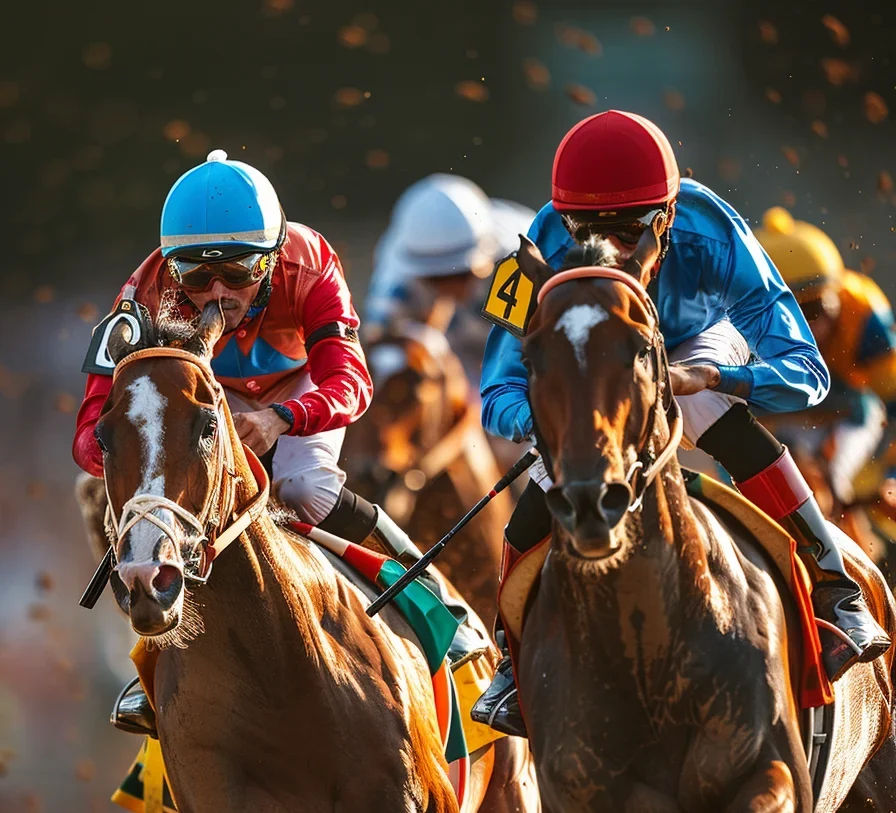
At its most basic, horse racing is a competition where horses run a set distance as fast as possible, with the first horse to cross the finish line winning. But that simple description barely scratches the surface of this complex, fascinating sport that combines breeding, training, strategy, horsemanship, and split-second decisions.
Horse racing has been called “the sport of kings” for good reason—it has a rich history dating back thousands of years, with organized racing documented in ancient civilizations from Greece to Rome to Egypt. Today, it’s a global industry involving thousands of horses, trainers, jockeys, owners, and support staff.
The modern racing industry focuses on three main types of horses:
- Thoroughbreds – The most common racing breed, known for speed and stamina. These are the horses you see in the Kentucky Derby, Royal Ascot, and most major races worldwide.
- Standardbreds – Used primarily in harness racing, where they pull a two-wheeled cart called a sulky.
- Quarter Horses – Sprint specialists that excel at short-distance races, particularly popular in the American West.
This guide focuses primarily on Thoroughbred racing since it’s the most widely recognized form of the sport globally.
Types of Horse Racing
Not all horse races are the same. Understanding the different types helps you appreciate what you’re watching and why certain horses excel in specific formats.
Flat Racing
This is what most people picture when they think of horse racing. Horses run on a flat track (or one with gentle slopes) with no obstacles. Flat races vary in distance from sprint races (5-7 furlongs, or about 5/8 to 7/8 of a mile) to marathon races (up to 2 miles or more).
Key characteristics:
- Pure speed competition on dirt, turf (grass), or synthetic surfaces
- Distances ranging from 5 furlongs to 2+ miles
- Jockeys use lightweight saddles and ride in a crouched position
- This is the format for famous races like the Kentucky Derby, Belmont Stakes, and Royal Ascot
Steeplechase (Jump Racing)
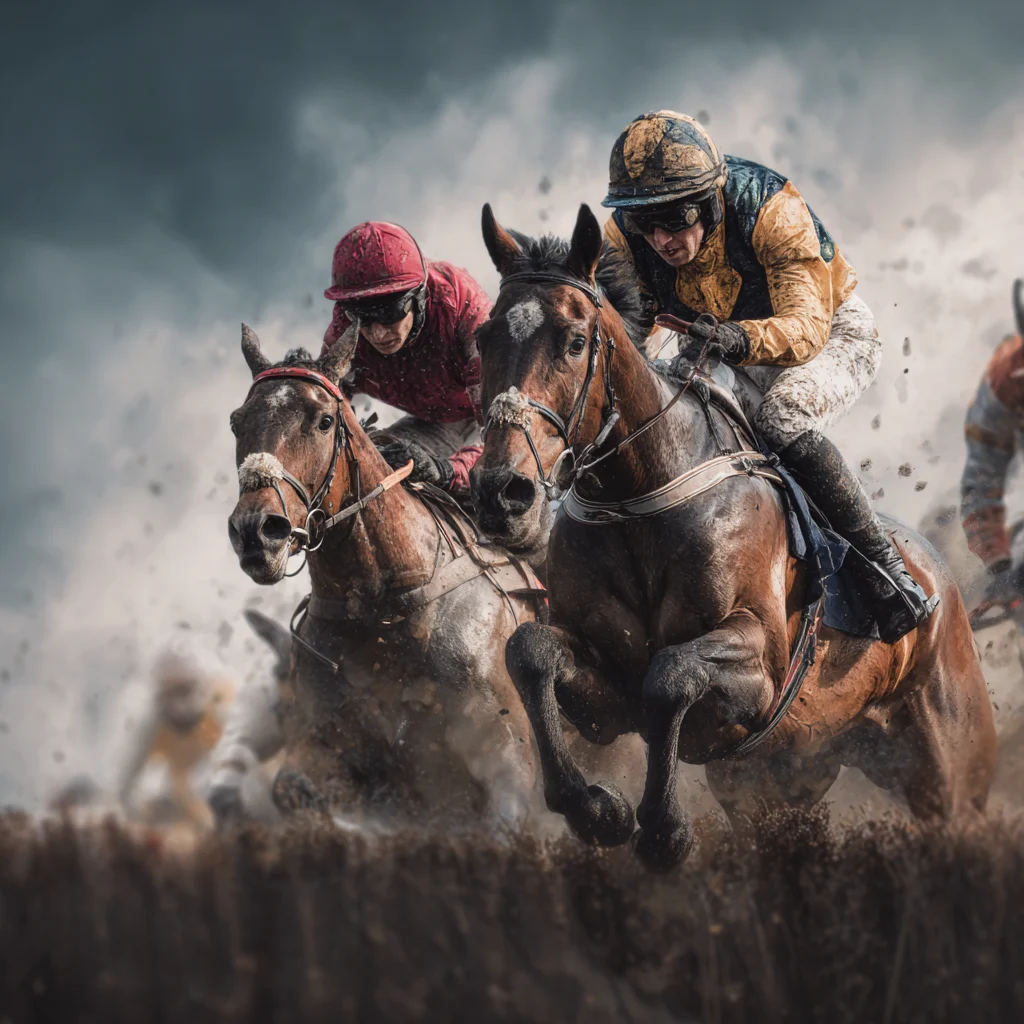
Also called National Hunt racing, particularly in the UK and Ireland, steeplechase involves horses jumping over obstacles during the race. This is a completely different skill set requiring horses that are brave, athletic, and able to maintain speed while navigating jumps.
Key characteristics:
- Horses jump fences, water jumps, and ditches during the race
- Longer distances than flat racing (typically 2-4+ miles)
- Famous races include the Grand National, Cheltenham Festival, and Maryland Hunt Cup
- Higher risk of falls and injuries
- Horses typically start jump racing at age 4-5 (older than flat racers)
Harness Racing
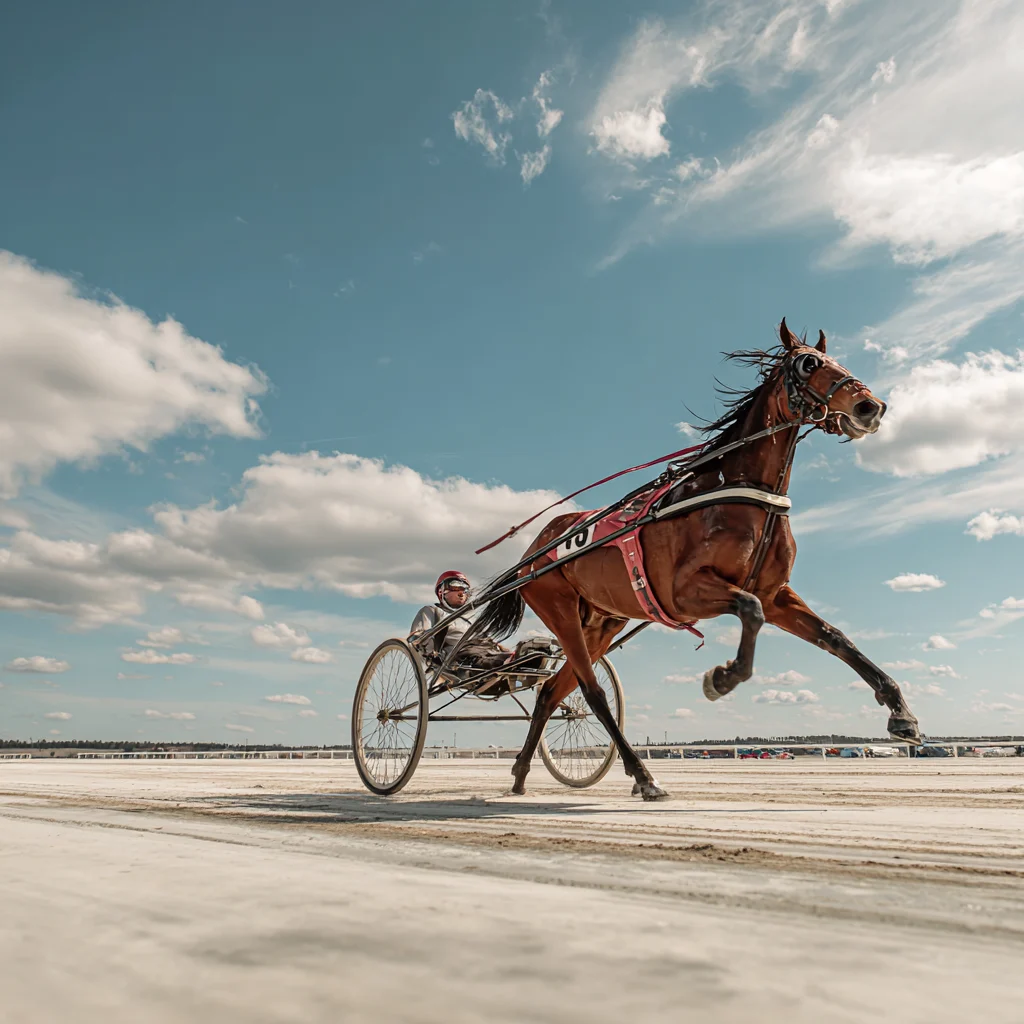
In harness racing, Standardbred horses pull a two-wheeled cart (sulky) with a driver rather than carrying a jockey. Horses either trot or pace (two different gaits) and must maintain that gait throughout the race—breaking into a gallop results in disqualification.
Key characteristics:
- Standardbred horses (not Thoroughbreds)
- Horses pull a driver in a sulky
- Two styles: trotting (diagonal leg pairs move together) or pacing (legs on same side move together)
- Popular in North America, Australia, and parts of Europe
- The Hambletonian is harness racing’s most prestigious event
How a Horse Race Works
If you’ve never been to a racetrack, the process might seem chaotic. Here’s what happens from start to finish:
Before the Race: The Paddock
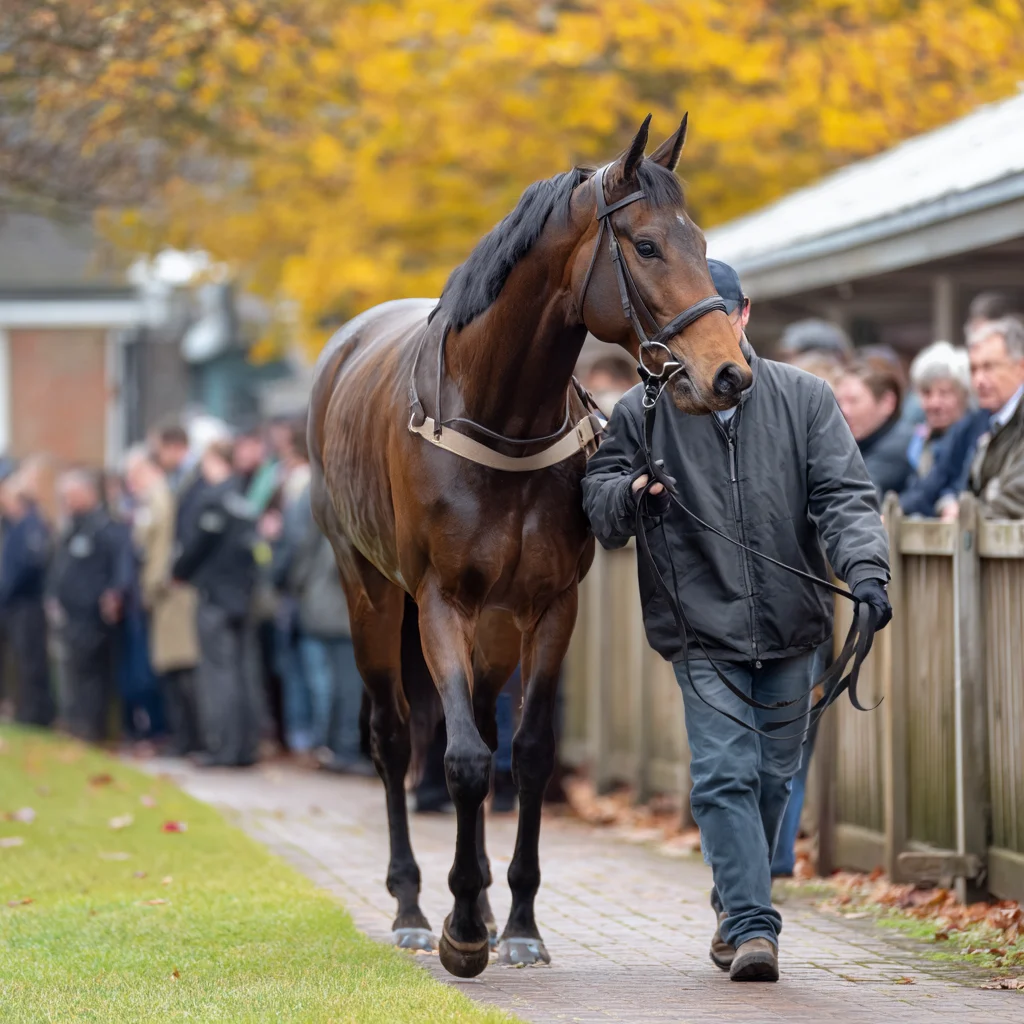
About 20-30 minutes before post time, horses are brought to the paddock (also called the walking ring), where spectators can see them up close. This is where jockeys receive last-minute instructions from trainers and mount their horses. Watch the horses carefully here—you can often spot which ones are calm and focused versus which are wasting energy being nervous or difficult.
What to look for in the paddock:
- Calm, alert horses with bright eyes
- Good muscle tone and healthy coat shine
- Confident, forward movement
- Avoid horses that are sweating excessively (unless it’s very hot), bucking, or seeming distressed
The Post Parade
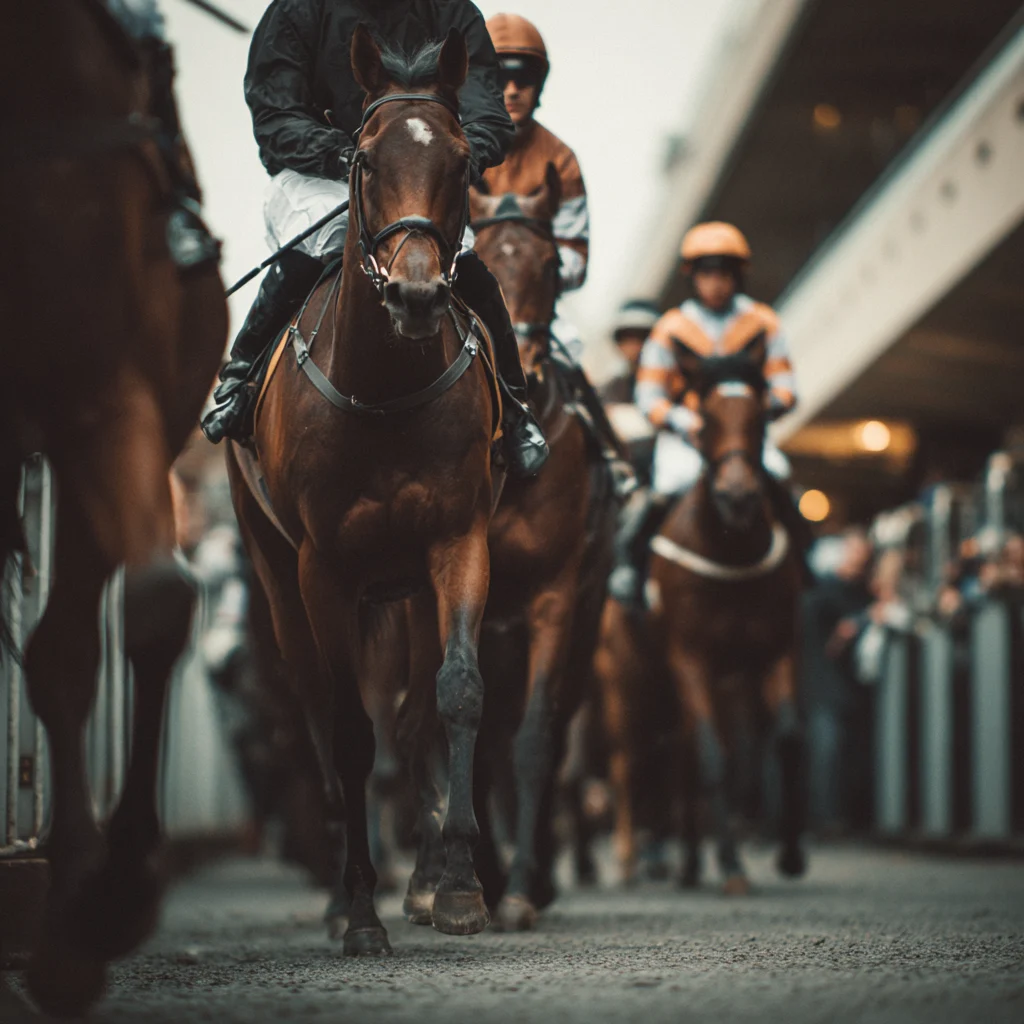
After leaving the paddock, horses parade in front of the grandstand, giving spectators one more look before the race. Then they warm up with a light gallop to the starting gate.
Loading the Gate
Horses are loaded into the starting gate (stalls) in their designated post position order. Some horses load easily; others require coaxing from the gate crew. Once all horses are loaded, there’s a brief moment of tension before…
The Start
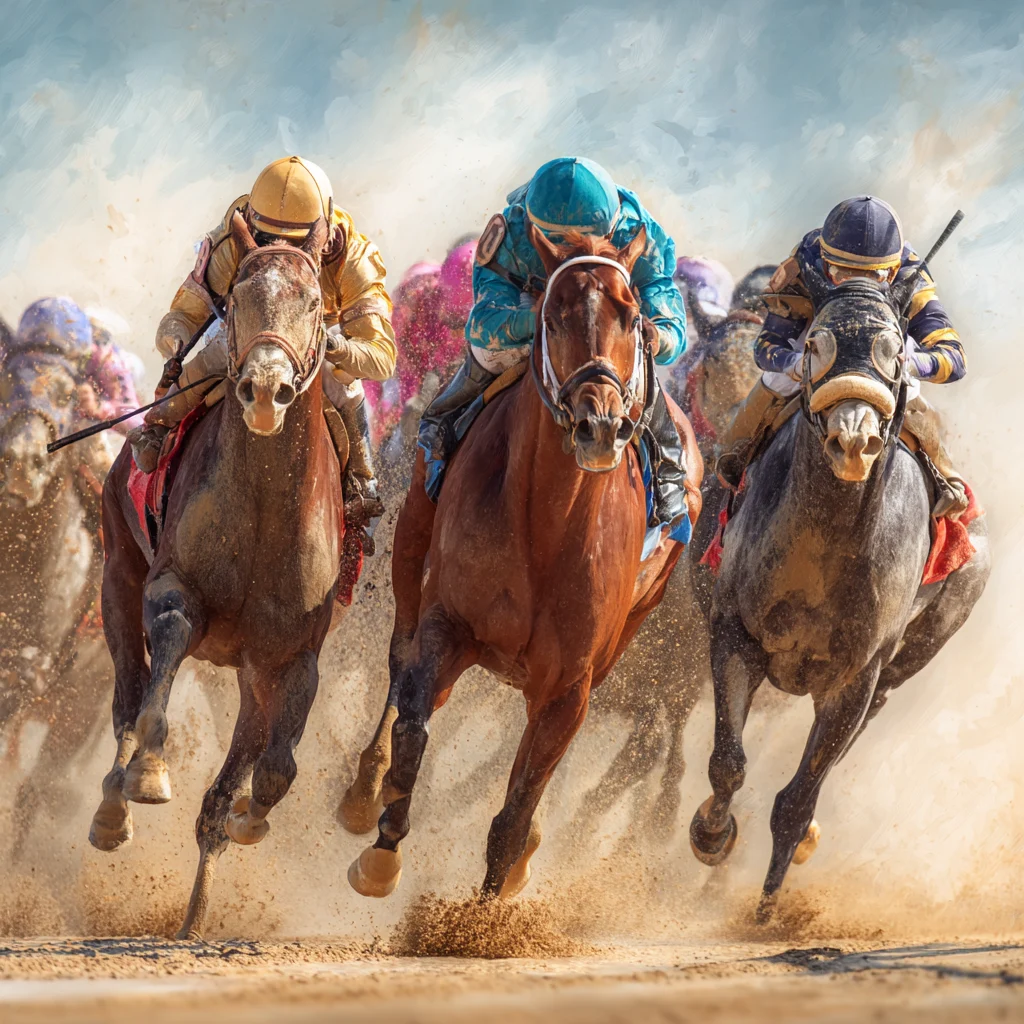
The gates spring open simultaneously, and the race begins! The starter has control over when to release the gates, ensuring all horses are standing relatively still and facing forward. A good start is crucial—horses that stumble or are slow to break from the gate are at an immediate disadvantage.
Running the Race
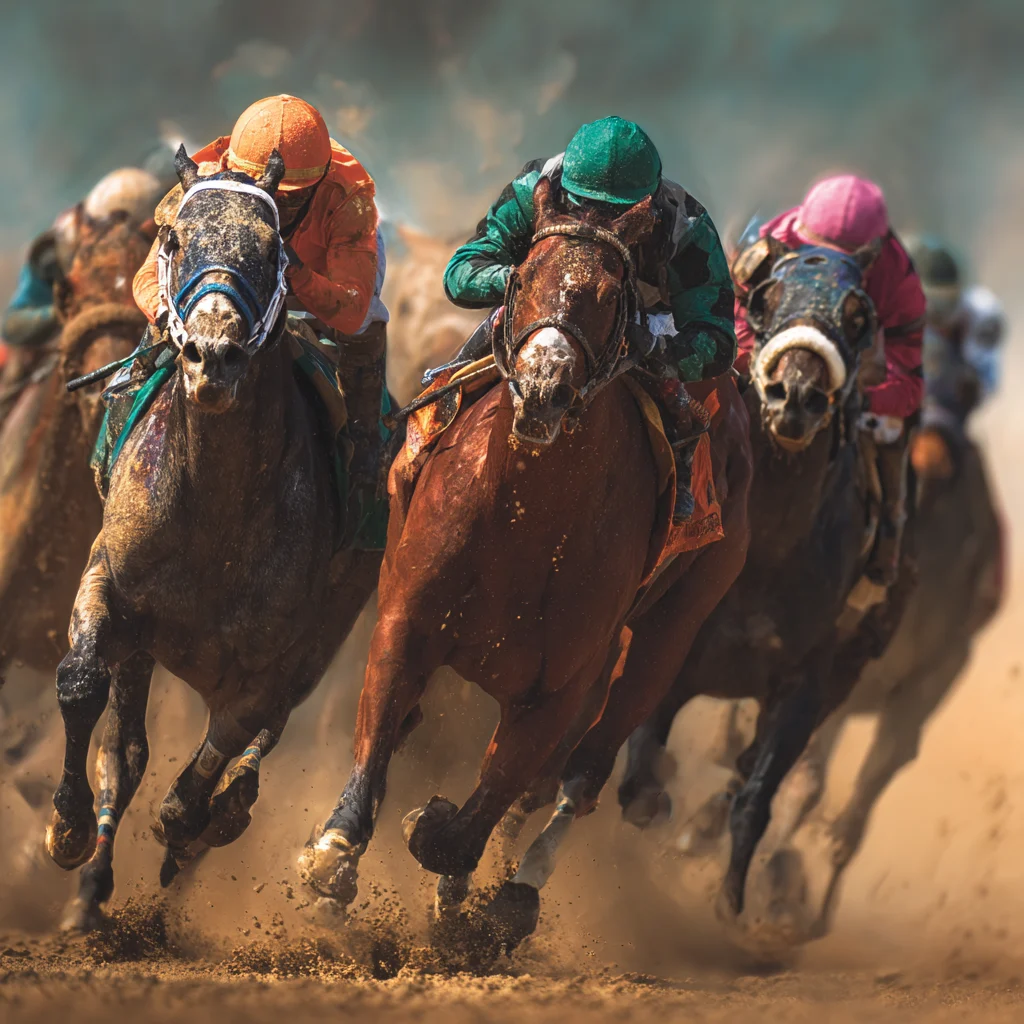
Jockeys position their horses according to strategy. Some horses are “front runners” that lead from the start. Others are “closers” that hang back and make a late surge. Still others sit in mid-pack and wait for an opening. The jockey’s job is to conserve the horse’s energy while positioning for the best finish.
The Finish
In the final stretch (the straightaway to the finish line), jockeys ask their horses for maximum effort. This is where you see jockeys using their whips (used for encouragement, not punishment, and strictly regulated), hands “driving” in rhythm with the horse’s stride, and low, aerodynamic positions over the horse’s neck.
Races can be won by lengths (a length is roughly one horse body length, about 8 feet) or by mere inches in what’s called a “photo finish”—so close that officials must review the finish line photo to determine the winner.
📋 Download your free horse sports rules guide for a quick reference to racing terminology, distances, and how winners are determined across all equestrian disciplines.
Understanding the People Behind Racing
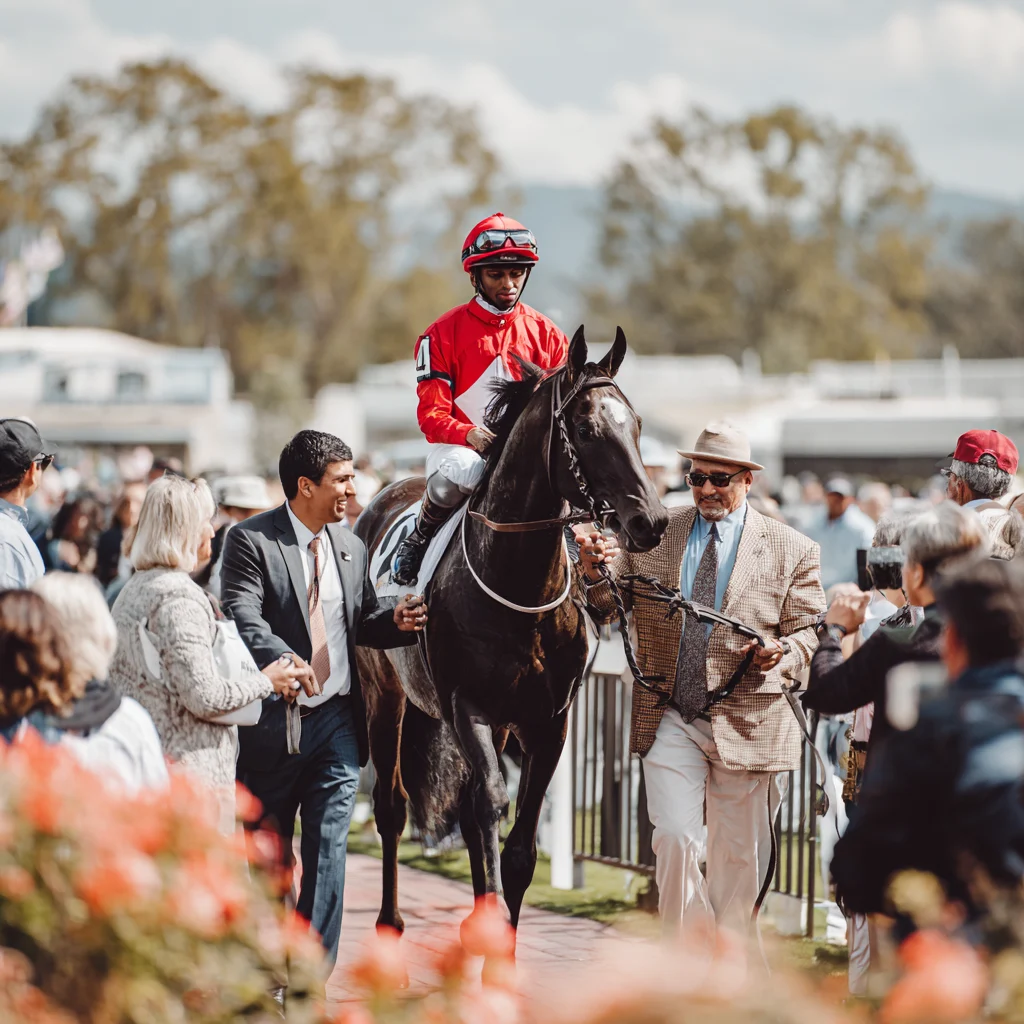
Horse racing is a team sport, even though only one jockey and one horse cross the finish line. Here are the key players:
The Owner
The person or group who owns the horse. Owners pay for all training, veterinary care, transportation, and entry fees. Most owners lose money on racing—it’s truly a labor of love. Successful horses can earn substantial prize money, but the costs of maintaining a racing stable are enormous.
The Trainer
The most crucial person in a racehorse’s career. Trainers develop conditioning programs, decide which races to enter, work with veterinarians on health issues, manage the daily care team, and strategize race tactics with jockeys. Great trainers like Bob Baffert, Todd Pletcher, and the late Aidan O’Brien become legendary in the sport.
The Jockey
These incredibly fit athletes must maintain strict weight limits (typically 108-118 pounds including their saddle and equipment) while having the strength to control 1,000+ pound animals at 40 mph. Jockeys make split-second decisions during races, find openings in traffic, judge their horse’s energy reserves, and know when to ask for that final burst of speed.
Being a jockey is dangerous work—falls and injuries are common. The best jockeys combine exceptional balance, strength, tactical intelligence, and absolute fearlessness.
The Groom
Often the unsung heroes of racing, grooms provide daily care for racehorses. They feed, bathe, groom, exercise, and monitor the horses in their care. A good groom knows their horses intimately and can spot the smallest changes in behavior or health that might indicate a problem.
The Exercise Rider
These skilled riders exercise racehorses during morning workouts. They’re not as light as jockeys (and don’t need to be for training) but must be talented riders who can report back to trainers about how each horse is moving, responding, and feeling.
Famous Horse Races Everyone Should Know
While there are thousands of races worldwide, certain events have achieved legendary status:
The Triple Crown (United States)
The most prestigious achievement in American racing, the Triple Crown consists of three races for 3-year-old Thoroughbreds, all run within a five-week span:
- Kentucky Derby – Run on the first Saturday in May at Churchill Downs in Louisville, Kentucky. 1.25 miles on dirt. Known as “The Most Exciting Two Minutes in Sports” and famous for mint juleps, elaborate hats, and the fastest 3-year-olds in America.
- Preakness Stakes – Run two weeks after the Derby at Pimlico Race Course in Baltimore, Maryland. 1.1875 miles on dirt. Winners receive a blanket of black-eyed Susans (Maryland’s state flower).
- Belmont Stakes – Run three weeks after the Preakness at Belmont Park in New York. 1.5 miles on dirt—the longest of the three races and often called “The Test of the Champion.” Winners receive a blanket of white carnations.
Only 13 horses in history have won all three races in the same year, earning the coveted Triple Crown title. The most recent was Justify in 2018.
Royal Ascot (United Kingdom)
A five-day racing festival in June featuring some of the world’s best horses, attended by the British Royal Family. As famous for its fashion (elaborate hats are a must) as for its racing. The races include the prestigious Gold Cup, a grueling 2.5-mile test of stamina.
The Grand National (United Kingdom)
The most famous steeplechase in the world, run over 4.5 miles at Aintree Racecourse near Liverpool. Horses jump 30 formidable fences, including the notorious Becher’s Brook. It’s a test of courage, stamina, and jumping ability unlike any other race.
Melbourne Cup (Australia)
Australia’s most prestigious race, run on the first Tuesday in November. It’s a public holiday in Melbourne, and the entire nation seems to stop to watch “the race that stops a nation.” 2 miles (3200 meters) at Flemington Racecourse.
Dubai World Cup (United Arab Emirates)
The world’s richest horse race with a purse of $12 million. Run in late March at Meydan Racecourse in Dubai, this 1.25-mile race on dirt attracts the best horses from around the globe.
Betting Basics (Understanding the Odds)
You don’t need to bet to enjoy racing, but understanding how betting works helps you appreciate the sport more fully and decode what you’re seeing on the tote board.
How Odds Work
Odds reflect how much money has been bet on each horse. Lower odds mean the horse is favored (more money bet on them); higher odds mean they’re a longshot. Odds of 2-1 means if you bet $2 and the horse wins, you get your $2 back plus $2 in winnings (plus your original stake).
Common betting terms:
- Favorite – The horse with the lowest odds (most money bet on them)
- Longshot – A horse with high odds (little money bet on them, unlikely to win)
- Chalk – Betting on the favorite
- Overlay – A horse whose odds are higher than their actual chances of winning (a value bet)
Types of Bets
Simple bets (good for beginners):
- Win – Your horse must finish first
- Place – Your horse must finish first or second
- Show – Your horse must finish first, second, or third
Exotic bets (higher payouts, harder to win):
- Exacta – Pick the first two horses in exact order
- Trifecta – Pick the first three horses in exact order
- Superfecta – Pick the first four horses in exact order
- Daily Double – Pick the winners of two consecutive races
Remember: betting should be entertainment, not a way to make money. Set a budget and stick to it!
📥
Master All Horse Sports Rules
Free quick-reference guide comparing rules across racing, jumping, dressage, eventing, polo, and western sports
Behind the Scenes: What Really Happens at the Track
The two minutes of actual racing represents just a tiny fraction of what goes into preparing a racehorse. Here’s what happens when the public isn’t watching:
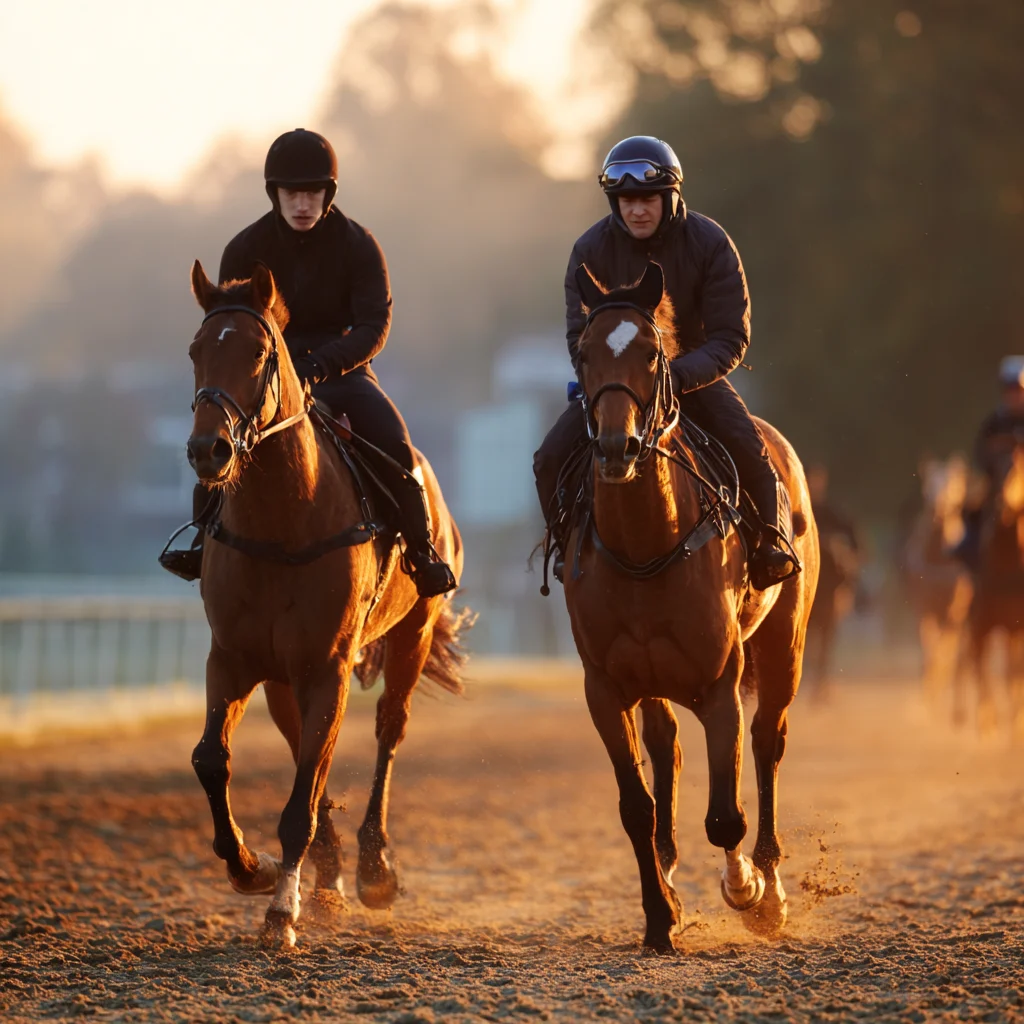
Morning Workouts (4:00 AM – 10:00 AM)
Long before the crowds arrive, the backstretch (the barn area at racetracks) is buzzing with activity. Horses are exercised on the track in the early morning hours when it’s cooler and quieter. Exercise riders gallop horses through carefully planned workouts designed to build fitness without overexertion.
Trainers time these workouts meticulously, looking for horses to “work” (gallop fast) certain distances in specific times. These morning work times are published and studied by serious handicappers trying to identify horses in peak condition.
Daily Care and Monitoring
Between workouts, racehorses receive constant care:
- Feeding – Multiple small meals throughout the day, carefully balanced for energy and nutrition
- Grooming – Daily brushing, hoof care, and checking for any injuries or abnormalities
- Cooling out – Walking after exercise to prevent muscle stiffness and allow proper cool-down
- Veterinary care – Regular check-ups, treatment of minor injuries, preventive care
- Leg care – Wrapping, icing, therapeutic treatments to maintain soundness
The “Clockers”
These are the people who time morning workouts with stopwatches from the grandstand. In the old days, clockers provided crucial information to the racing office and newspapers. Today, electronic timing is more common, but traditional clockers still work at many tracks, their practiced eyes able to spot a horse’s condition and effort level.
Pre-Race Veterinary Inspection
Before being allowed to race, every horse must pass a veterinary inspection. The track vet checks for lameness, illness, or any condition that might make racing unsafe. If a horse is deemed unfit, they’re scratched (removed) from the race, and bettors who wagered on that horse get refunds.
What Happens After Racing: The OTTB Story
Most Thoroughbreds race for only a few years. They might start racing at age 2 or 3 and retire by age 6 or 7 (though some race longer). This means thousands of horses transition out of racing each year, and this is where Off-The-Track Thoroughbreds (OTTBs) come into the picture.
In the past, the fate of retired racehorses was uncertain at best and tragic at worst. Today, the racing industry has made significant strides in responsible retirement and rehoming programs. Organizations like the Thoroughbred Aftercare Alliance, New Vocations, and dozens of regional groups work to ensure racehorses transition successfully to second careers.
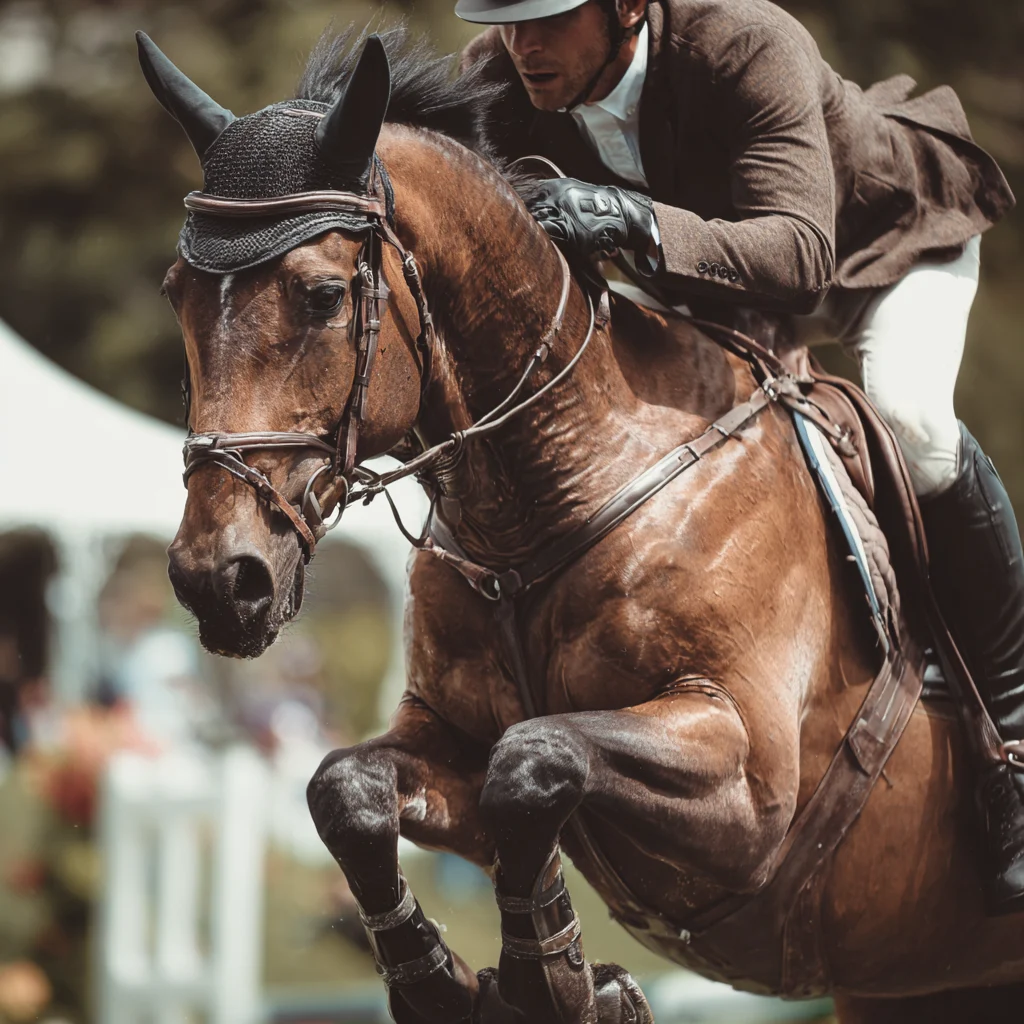
What OTTBs excel at in their second careers:
- Eventing – Their speed, athleticism, and bravery make them natural eventers
- Show jumping – Many retired racehorses retrain successfully as jumpers
- Dressage – Thoroughbreds can excel at dressage with patient retraining
- Trail riding – Sound, calm OTTBs make wonderful trail companions
- Fox hunting – The stamina and boldness needed for racing translates well
- Polo – Thoroughbreds are commonly used as polo ponies
Adopting an OTTB requires patience, knowledge, and commitment to retraining. These horses know one job—racing—and must learn an entirely new skill set. But for experienced riders, OTTBs offer incredible value: well-bred, athletic horses at a fraction of the cost of buying a purpose-bred sport horse.
Understanding Jockey Silks and Colors
Those colorful jackets jockeys wear aren’t just for show—they’re called silks, and each pattern and color combination is registered to a specific owner. This tradition dates back centuries and allows spectators to identify horses at a distance during a race.
Common silk patterns include:
- Solid colors
- Stripes (vertical, horizontal, or diagonal)
- Dots or polka dots
- Diamonds
- Quarters (four different colored sections)
- Crosses
- Stars or other symbols
Famous silks become iconic. For example, the purple and gold colors of the late Paul Mellon’s stable are immediately recognizable to racing fans. When you watch a race and see “the purple and gold” making a move, you know exactly which horse to watch.
Track Surfaces and Conditions
Racehorses compete on different surfaces, and some horses perform much better on certain types:
Dirt
The traditional American racing surface. Dirt tracks can be “fast” (dry, hard-packed), “good,” “muddy,” or “sloppy” depending on weather. Some horses are “mudders” who actually run better on wet, sloppy tracks.
Turf (Grass)
More common in Europe but increasingly popular in America. Turf courses can be “firm” (dry and fast), “good,” “yielding,” or “soft” (wet). Many European horses never race on dirt, only on turf.
Synthetic
Modern artificial surfaces designed to provide consistent footing and potentially reduce injuries. Made from materials like wax-coated sand, rubber, and fiber. Some horses hate synthetics; others thrive on them.
Smart handicappers pay close attention to a horse’s past performances on different surfaces. A horse that’s undefeated on turf might struggle on dirt, or vice versa.
How to Get Involved in Horse Racing
You don’t need to be wealthy to enjoy and participate in horse racing. Here are ways to get involved at any level:
Attend Live Racing
There’s nothing like experiencing a race in person. Most tracks offer affordable general admission, and many have family-friendly sections. Go in the morning to watch workouts from the rail—it’s free and gives you an up-close look at these magnificent athletes.
Volunteer at Aftercare Organizations
If you love horses, organizations that retrain and rehome OTTBs always need volunteers. You’ll work hands-on with former racehorses, learning about their transition to second careers.
Work in Racing
The racing industry employs thousands in various roles: grooms, hot walkers, exercise riders, veterinary assistants, track maintenance, racing office staff, and more. Many positions don’t require previous experience—just a willingness to work hard and learn.
Adopt an OTTB
If you’re an experienced rider looking for your next horse, consider adopting an Off-The-Track Thoroughbred. These horses need knowledgeable, patient owners willing to help them transition to their next career.
Join Ownership Groups
Micro-shares and partnership groups allow people to own a small percentage of a racehorse for a few hundred or thousand dollars. You won’t make money, but you’ll get to experience the thrill of ownership, visit the backstretch, and participate in the sport.
Want to Understand ALL Horse Sports?
Get your free Horse Sports Rules At-A-Glance guide comparing racing, showjumping, dressage, eventing, polo, and western sports!
✓ Racing Explained
✓ All Disciplines
✓ Quick Reference
Download Your Free Rules Guide →
Final Thoughts: The Beauty and Controversy of Racing
Horse racing is a sport of contradictions. It’s beautiful and thrilling, steeped in tradition and history. It showcases incredible equine athletes and the dedicated people who care for them. The bond between a great horse and their team—trainer, jockey, groom—can be truly special.
But racing also faces legitimate criticism about horse welfare, medication practices, and the fate of horses who don’t make it to successful second careers. The industry has made significant improvements in recent years, with better track surfaces, stricter medication rules, improved veterinary care, and robust aftercare programs. However, there’s still work to be done.
As a horse lover with 45 years in this world, I believe racing can be conducted ethically and safely when all participants prioritize the horses’ welfare above profit. I’ve seen too many magnificent OTTBs go on to successful second careers—horses who clearly love their jobs, whether that’s eventing, showjumping, or being a beloved trail companion—to believe that racing is inherently cruel. But I’ve also seen the dark side and know that constant vigilance and advocacy for the horses is essential.
If you choose to enjoy racing as a spectator, support tracks and organizations that prioritize horse safety. Ask questions about aftercare programs. Support organizations that retrain and rehome OTTBs. And if you see something concerning, speak up.
Horse racing at its best celebrates the incredible athleticism of the Thoroughbred breed and the partnership between horse and human. Understanding how the sport works—from the breeding shed to the starting gate to the winner’s circle and beyond—helps us appreciate these remarkable animals and advocate for their welfare throughout their lives.
Have you been to a horse race? Or are you considering adopting an OTTB? Share your experiences and questions in the comments below—I’d love to hear from you!