Healthy Horse Treats: The Complete Guide to Safe, Nutritious Treats Your Horse Will Love
I still remember the first time I gave my mare, Rhapsody, a banana. She’d never seen one before, and I held it out tentatively, curious about her reaction. She sniffed it suspiciously, lip curled, clearly thinking “What IS this weird yellow thing?” Then she took a tiny, careful nibble. Her eyes widened. And within seconds, she’d inhaled the entire banana, peel and all, and was searching my pockets for more.
Twenty-five years later, that mare—now in her thirties—still lights up when she hears me peel a banana from across the barn. It’s become our special thing, our bonding ritual. She gets one banana every Sunday morning, and she knows the day and time like clockwork.
After 45 years with horses and 25+ years breeding warmbloods, I’ve learned that treats aren’t just about nutrition—though that matters too. They’re about connection, trust, training, and joy. The right treats at the right time can strengthen your bond, motivate your horse, reward good behavior, and add enrichment to their lives.
But with so much conflicting information about what’s safe to feed, many horse owners feel anxious about giving treats at all. They’ve heard horror stories about toxic foods (and rightfully so—some common foods are genuinely dangerous). They’re overwhelmed by options. They don’t know serving sizes or preparation methods. They worry about sugar content, especially for metabolic horses.
This guide gives you everything you need to confidently choose healthy, safe treats your horse will love. Let’s talk about the best fruits and vegetables, homemade treat recipes you can make in your kitchen, seasonal treat ideas, training applications, and special considerations for horses with metabolic issues.
📥 Download Your FREE Healthy Horse Treats & Recipes Guide
Want all 6 recipes in one printable guide? Get the complete Healthy Horse Treats & Recipes Guide with safe foods reference, seasonal ideas, shopping lists, and feeding safety tips. Print it and keep it in your kitchen!
Why Healthy Treats Matter
Before we dive into specific treats, let’s talk about why choosing nutritious options matters.
Treats serve multiple purposes:
- Training rewards – Positive reinforcement for desired behaviors
- Bonding opportunities – Special moments that build trust
- Enrichment – Variety and interest in their diet
- Medication delivery – Hiding supplements or medications
- Hydration support – Water-rich treats in summer
- Mental stimulation – Problem-solving with treat toys or puzzles
But treats can also cause problems when:
- Fed in excessive amounts (more than 10% of daily calories)
- High in sugar for metabolic horses (insulin resistance, Cushing’s, laminitis)
- Prepared improperly (choking hazards, toxic parts included)
- Used to replace proper nutrition (treats aren’t meals)
- Given inconsistently (confusing training signals)
The key is choosing treats that add nutritional value—vitamins, minerals, fiber, hydration—not just empty calories or problematic sugars.

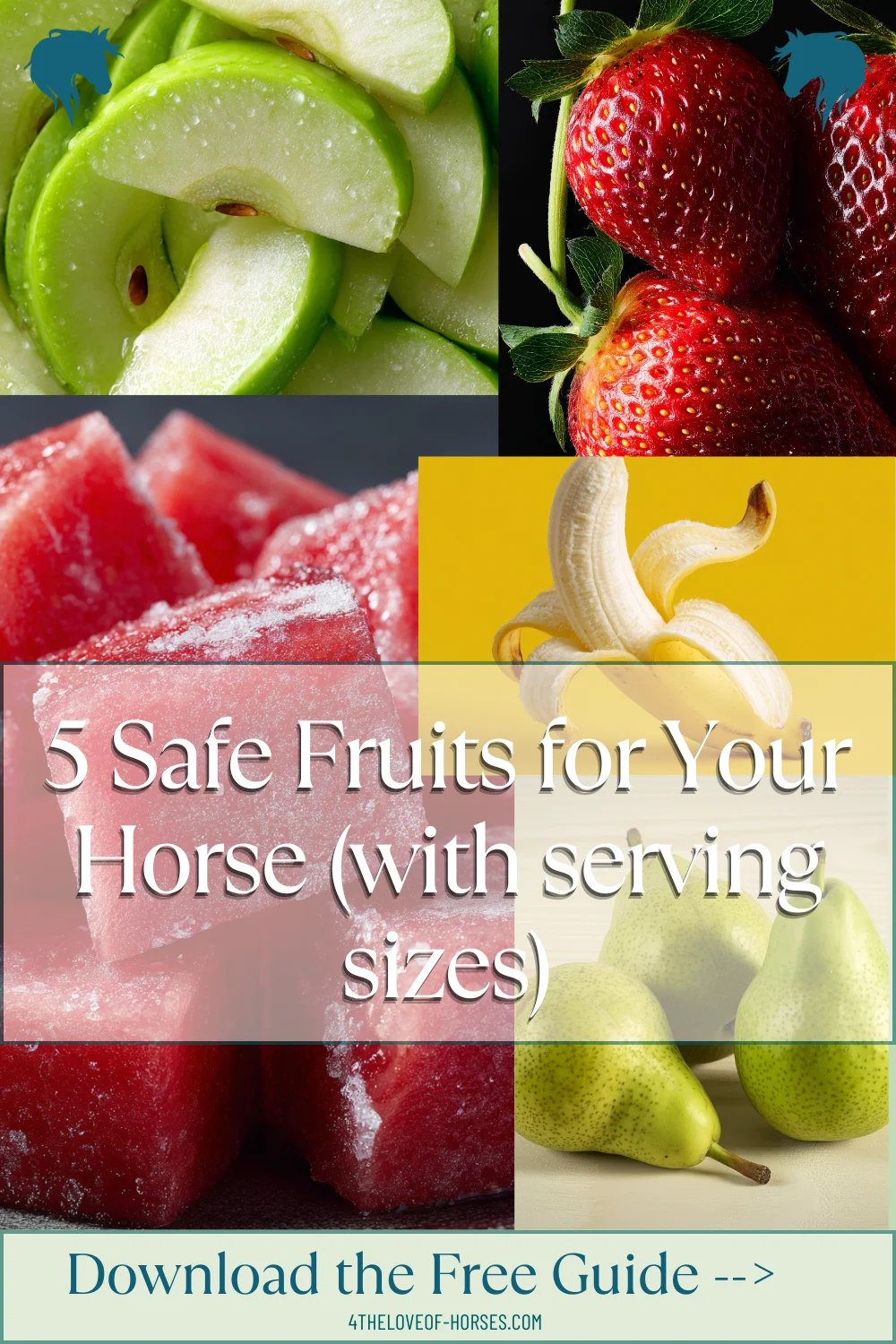
Safe Fruits: Nature’s Candy (The Healthy Kind)
Fruits offer vitamins, antioxidants, and natural sugars that horses find delicious. Here are the safest, healthiest options with proper preparation methods.
Apples – The Classic for Good Reason
Why they’re healthy: High in vitamin C, fiber, and antioxidants. The crunch helps clean teeth naturally. Most horses love them.
Serving size: 1-2 apples per day for average 1,000-pound horse
Preparation: Critical—always remove core and seeds. Apple seeds contain amygdalin, which converts to cyanide when digested. Small amounts probably won’t kill a horse, but why take the risk? Cut into quarters or slices.
Personal note: After 45 years, I’ve learned that horses have apple preferences just like people. Some love tart Granny Smiths, others prefer sweet Fujis. One of my geldings will only eat red apples—hand him a green one and he’ll drop it indignantly and stare at me like I’ve insulted him.
Training tip: Apple pieces work well for clicker training or teaching tricks because they’re motivating but not so high-value that horses become pushy.

Carrots – The Perfect All-Around Treat
Why they’re healthy: Excellent source of beta-carotene (vitamin A), fiber, and other nutrients. Low in sugar compared to many fruits. Crunchy texture horses enjoy.
Serving size: 2-4 large carrots per day
Preparation: Can feed whole if horse has good teeth, but cutting lengthwise is safer (prevents choking). Baby carrots work great for training treats—small, convenient, low-calorie.
Carrot myth debunking: You’ll hear people say carrots are “too high in sugar.” While they contain sugar, carrots are actually relatively low compared to apples, bananas, or most fruits. For healthy horses, carrots are an excellent treat choice. Even for metabolic horses, a few carrots daily is generally fine—it’s the high-sugar fruits that need strict limiting.
Storage tip: Keep carrots in your refrigerator, not in the barn where they get warm and mushy. Crisp, cold carrots are more appealing and safer (reduce bacterial growth).

Bananas – High-Energy Power Treats
Why they’re healthy: Packed with potassium (important for muscle function), vitamin B6, and quick energy from natural sugars. Easy to digest.
Serving size: 1-2 bananas per day
Preparation: Can feed with or without peel—both are safe. Peels are actually nutritious, though some horses prefer peeled. Cut into chunks if horse is unfamiliar with them.
Energy boost: I give bananas to horses before competitions or long trail rides. The quick-digesting sugars provide energy without the digestive load of grain. They’re also great for underweight horses who need extra calories.
Funny story: I once watched a mare methodically spit out the banana and only eat the peel. Turned out she preferred the slightly bitter peel to the sweet fruit. Horses are individuals!

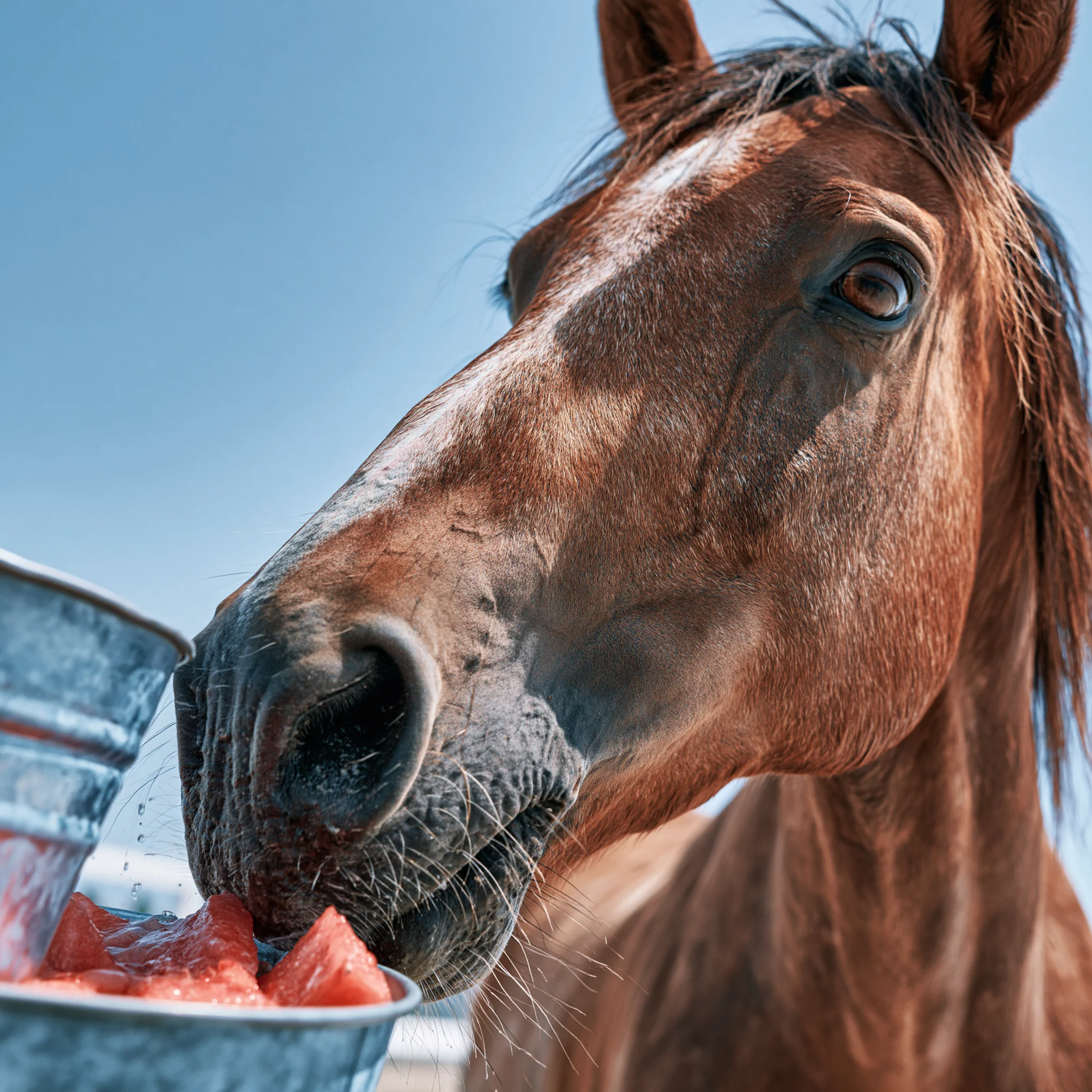
Watermelon – Summer Hydration Hero
Why it’s healthy: 92% water content (excellent hydration), vitamin C, vitamin A, and antioxidants like lycopene. Naturally cooling.
Serving size: 2-3 cups per day
Preparation: Remove seeds (can be choking hazard in large quantities). Cut into chunks. Rind is safe but most horses prefer the pink flesh.
Summer cooling: On hot days, I freeze watermelon chunks and feed them as cooling treats. Horses love them, and the water content helps with hydration when horses aren’t drinking enough. The cold temperature provides relief from heat.
Mess warning: Watermelon is JUICY. Feed it outside or in an area where pink juice dripping everywhere won’t matter. Your horse will look like they’ve committed a fruit murder, but they’ll be happy.

Berries – Antioxidant Powerhouses
Strawberries, blueberries, raspberries, blackberries—all safe in moderation
Why they’re healthy: Extremely high in antioxidants, vitamin C, and phytonutrients. Some research suggests antioxidants may help with inflammation and recovery.
Serving size: 1/2 to 1 cup berries per day (they’re small but add up)
Preparation: Wash thoroughly. Can feed whole. Frozen berries work great and last longer.
Cost consideration: Berries are expensive compared to apples and carrots. I use them as special-occasion treats or mix a few into regular treats to make them exciting. A handful of blueberries in a bucket of apple pieces makes the whole bucket feel like a jackpot.

Other Safe Fruits
Pears: Similar to apples—remove core and seeds, cut into pieces. 1-2 pears per day.
Grapes: Safe in moderation, but HIGH in sugar. 10-20 grapes maximum. Not recommended for metabolic horses.
Cantaloupe & Honeydew: Remove rind and seeds, cut into chunks. 2-3 cups per day. Great hydration.
Peaches, Plums, Nectarines: CRITICAL—remove pits before feeding. Pits contain cyanide and are choking hazards. Fruit flesh is safe. 1-2 fruits per day.
Pineapple: Remove skin and core, cut into chunks. Occasional treat (acidic). 1-2 cups per day.

Safe Vegetables: Nutrient-Dense, Lower Sugar
Vegetables generally contain less sugar than fruits, making them excellent choices for training treats, frequent feeding, or metabolic horses.
Celery – The Ultimate Low-Calorie Treat
Why it’s healthy: Extremely low in sugar and calories. High in fiber and water. Natural teeth cleaning from crunchy texture. Contains vitamins A, C, and K.
Serving size: 3-4 stalks per day (can feed more—it’s mostly water and fiber)
Preparation: Cut into 2-3 inch pieces to prevent stringy parts from causing issues.
Best for: Metabolic horses, horses on weight-loss programs, high-frequency training treats where you need low-calorie options.
Personal favorite: Celery is my go-to for clicker training sessions where I need to give lots of treats without adding significant calories. Horses who are food-motivated but need to lose weight can have celery frequently without guilt.
Cucumbers – Hydrating and Refreshing
Why they’re healthy: 95% water content, very low in sugar, cooling and hydrating. Mild flavor most horses enjoy.
Serving size: 1-2 cucumbers per day
Preparation: Can feed whole or sliced. Wash thoroughly.
Summer treat: Like watermelon, cucumbers are naturally cooling. I feed them on hot summer days to help with hydration and heat management.
Pumpkin – Seasonal Superfood
Why it’s healthy: High in fiber, beta-carotene, vitamin A, and other nutrients. May help with digestive health.
Serving size: 2-3 cups of flesh per day
Preparation: Remove shell (hard outer skin). Feed the orange flesh raw or cooked. Seeds are generally safe in small amounts, but I remove them to be cautious.
Seasonal bonus: After Halloween, pumpkins are everywhere and cheap. Buy a few, scoop out the flesh, freeze it in portions, and you have months of healthy treats. Horses LOVE pumpkin.
Digestive note: Some horse owners report that pumpkin helps with mild digestive issues, similar to its use in dogs. While not proven scientifically for horses, the high fiber content certainly doesn’t hurt.
Other Safe Vegetables
Squash (winter varieties): Butternut, acorn—remove shell, feed flesh. 2-3 cups per day. Great fall/winter treat.
Sweet Potatoes: Different from regular potatoes (which are toxic). Must be cooked. Cut into chunks. 1 potato per day.
Green Beans: Raw or cooked, cut into pieces. 1-2 cups per day.
Lettuce (Romaine preferred): Wash well, feed whole leaves. 2-3 cups per day. Avoid iceberg (little nutrition).
Turnips: Wash well, can feed whole or cut. Both root and greens safe. 1-2 turnips per day.
Peas: Fresh or frozen (thawed). 1 cup per day. Some horses love them, others ignore them.
Homemade Horse Treat Recipes
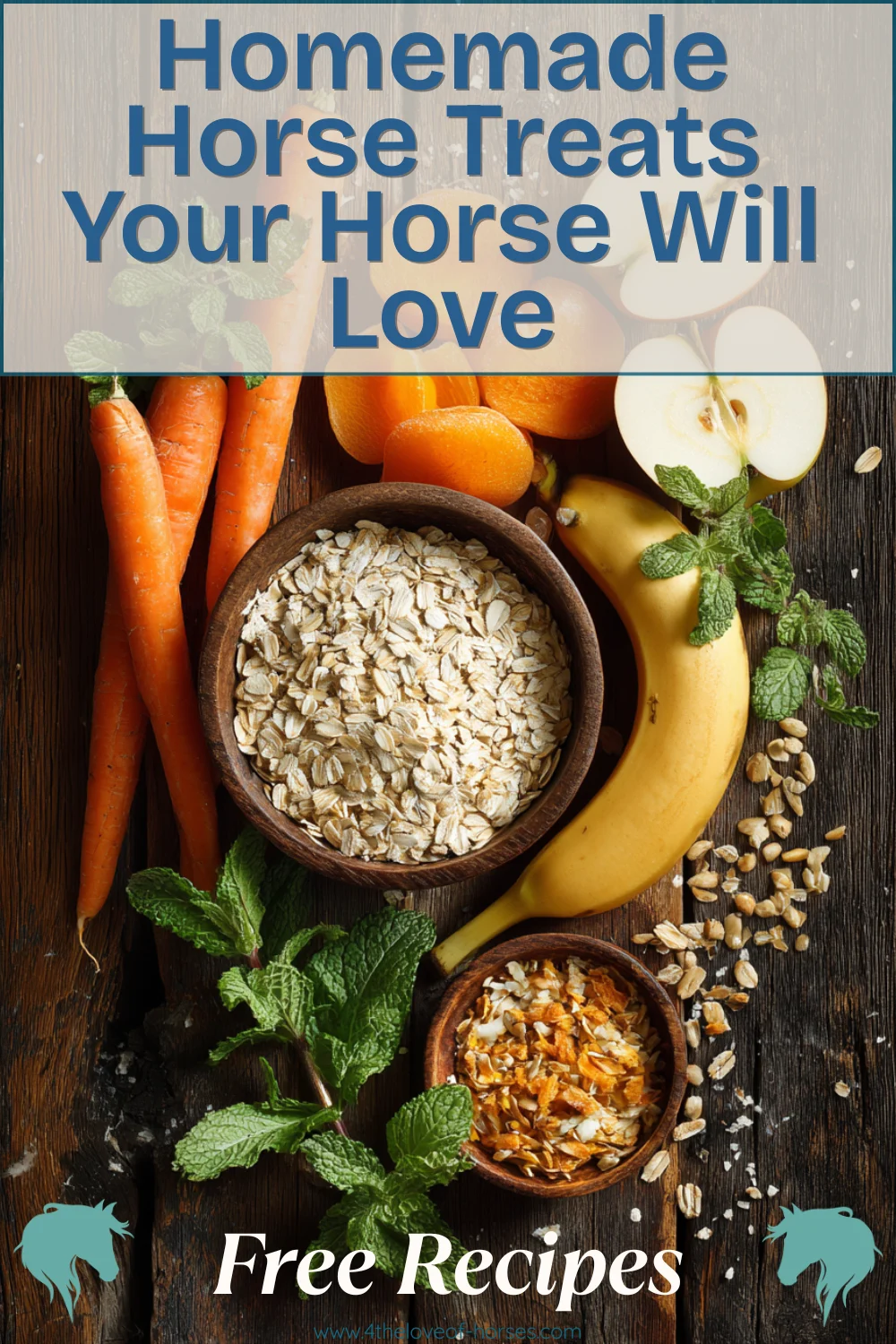
Store-bought treats are convenient, but homemade treats let you control ingredients, avoid unnecessary sugars and additives, and customize for your horse’s preferences and dietary needs.

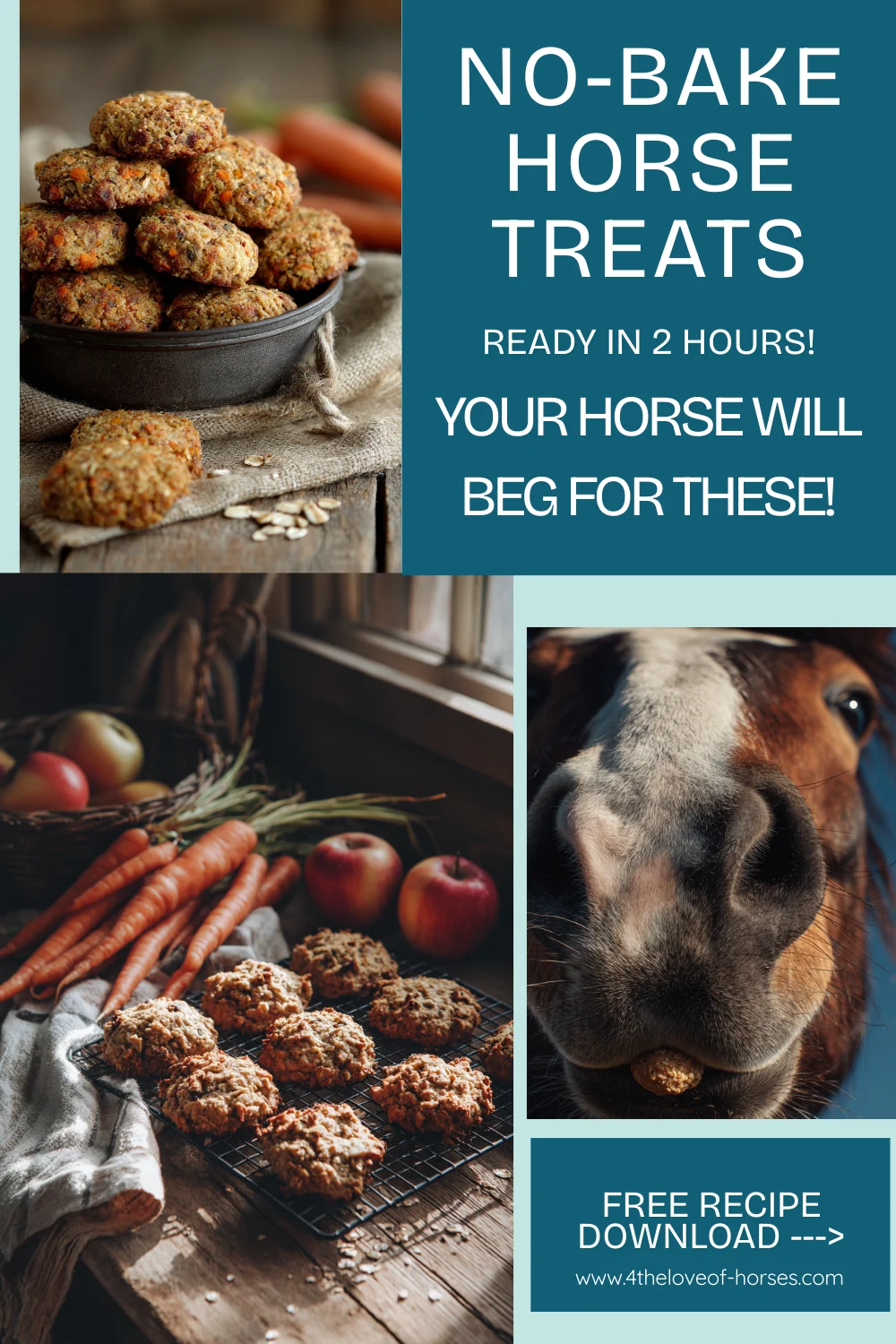
Recipe 1: Basic Oat & Carrot Cookies (Training Treats)
What you need:
- 2 cups oats (old-fashioned, not instant)
- 1 cup grated carrots
- 1/4 cup molasses (or applesauce for lower sugar)
- 2 tablespoons vegetable oil
- 1/2 cup water
Instructions:
- Mix all ingredients in bowl until combined
- Let sit 10 minutes (oats absorb liquid)
- Form into small balls (marble-sized for training, larger for regular treats)
- Place on greased baking sheet
- Bake at 350°F for 20-25 minutes until firm
- Cool completely before feeding
- Store in airtight container (lasts 1-2 weeks)
Why horses love them: Oats and carrots—familiar flavors. Molasses adds sweetness horses find irresistible.
Personal note: I’ve made thousands of these over the years. They’re perfect for training because they’re small, low-sugar (if using applesauce), and horses work hard for them without becoming over-excited.

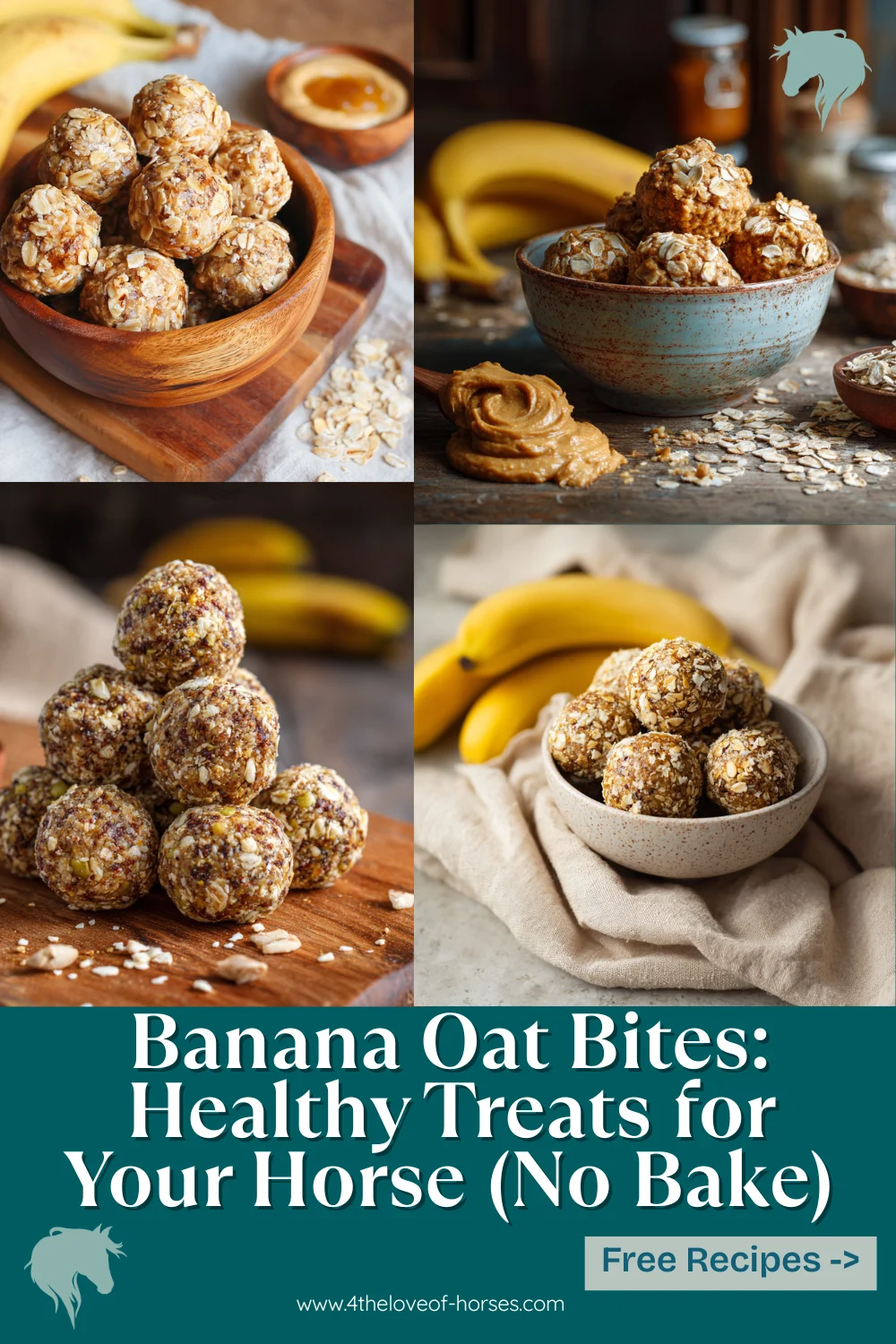
Recipe 2: Banana Oat Bites (No-Bake, Quick)
What you need:
- 2 ripe bananas, mashed
- 2 cups oats
- Optional: 1/4 cup unsweetened shredded coconut
Instructions:
- Mash bananas in bowl
- Mix in oats until combined (thick, sticky consistency)
- Add coconut if using
- Form into small balls
- Place on parchment paper
- Refrigerate 2 hours until firm
- Store in refrigerator (lasts 1 week)
Why horses love them: Sweet banana flavor. No cooking required for you!
Bonus: These are great for hot summer days straight from the fridge—cold and refreshing.

Recipe 3: Apple & Carrot Mash (Fresh, No Cooking)
What you need:
- 2 apples, cored and chopped
- 2 carrots, grated
- 1/4 cup oats
- Optional: 1 tablespoon ground flax seed
Instructions:
- Chop apples (remove cores and seeds)
- Grate carrots
- Mix everything in bowl
- Let sit 10 minutes so oats soften
- Feed immediately or refrigerate up to 2 days
Why horses love them: Fresh, crunchy texture. Natural sweetness.
Training application: This works great as a “jackpot” reward—larger, special treat for major breakthroughs.

Recipe 4: Frozen Watermelon Popsicles (Summer Cooling)
What you need:
- Watermelon chunks (seeds removed)
- Apple juice or water
- Muffin tin or ice cube trays
Instructions:
- Place watermelon chunks in muffin tin or ice cube tray
- Pour apple juice or water over to fill
- Freeze until solid
- Pop out and feed on hot days
Why horses love them: Cold, sweet, hydrating on hot summer days.
Variation: Mix in small pieces of strawberry, blueberry, or banana before freezing for variety.

Recipe 5: Pumpkin Balls (Fall Favorite)
What you need:
- 1 cup pumpkin puree (canned or fresh)
- 2 cups oats
- 1/4 cup molasses
- 1 tablespoon ground cinnamon
Instructions:
- Mix all ingredients until combined
- Form into balls
- Place on greased baking sheet
- Bake at 325°F for 30 minutes
- Cool completely
- Store in airtight container (lasts 2 weeks)
Why horses love them: Pumpkin is delicious, and the cinnamon adds warming spice they enjoy.
Fall bonus: Make these in October/November when pumpkins are abundant and cheap.

Recipe 6: Peppermint Hay Cubes (Winter Warming)
What you need:
- Alfalfa cubes (available at feed stores)
- Peppermint extract (food-grade)
- Warm water
Instructions:
- Place alfalfa cubes in bucket
- Add warm water to barely cover
- Add 1/2 teaspoon peppermint extract
- Let soak until cubes soften (5-10 minutes)
- Feed warm on cold winter days
Why horses love them: Warm, minty, comforting on cold days. Peppermint is a flavor horses naturally enjoy.
Variation: Use plain warm water (no peppermint) if your horse doesn’t like mint. The warmth alone is appealing in winter.
✓ Get All 6 Recipes in One Printable PDF
Love these recipes? Download the complete guide with all 6 recipes formatted for easy printing, PLUS complete safe foods lists, seasonal treat ideas, training tips, and metabolic horse options. Everything you need in one convenient reference!

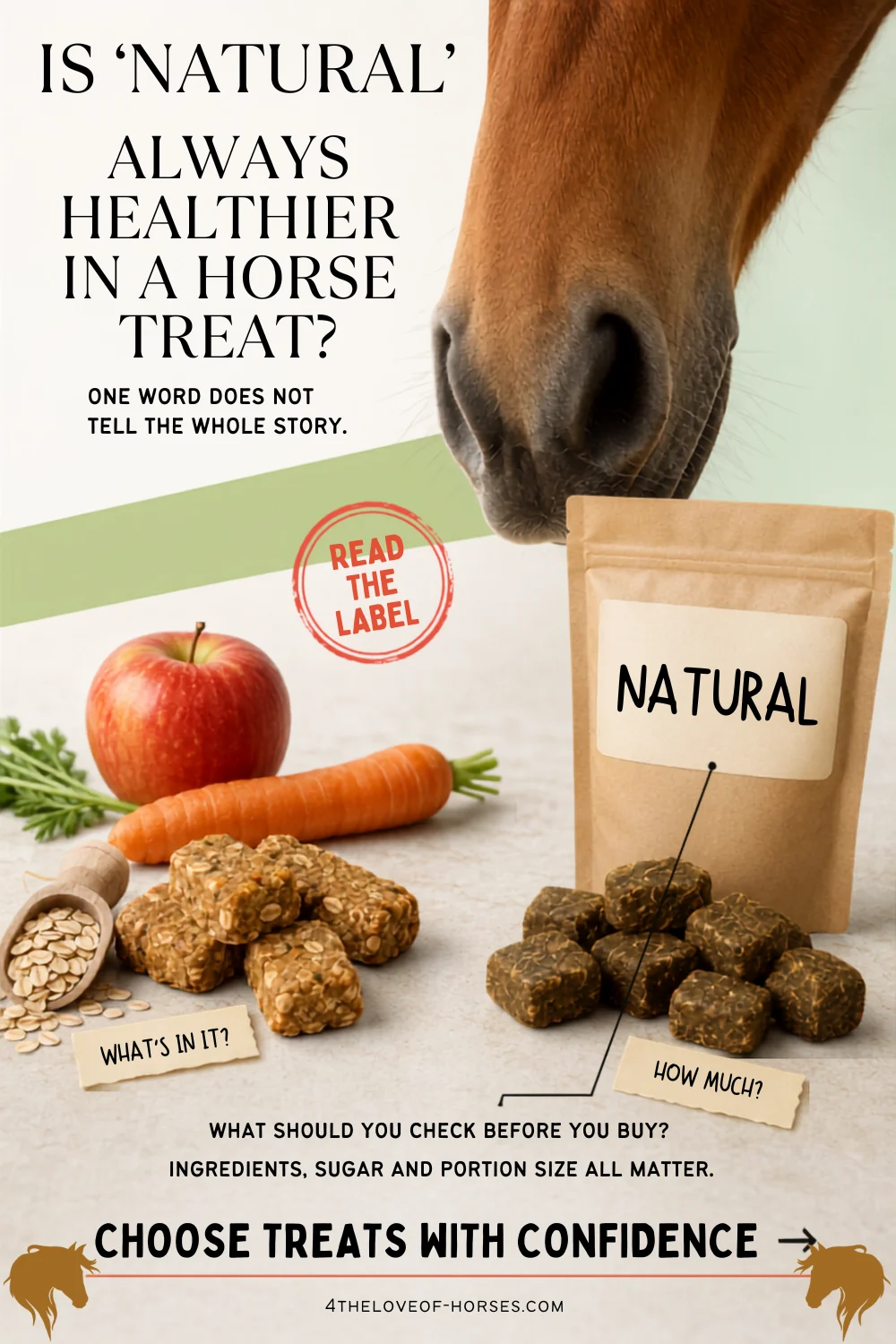
Commercial Treats: What to Look For (and Avoid)
Store-bought treats are convenient, but not all are created equal.
Good Commercial Treat Characteristics:
Short ingredient lists – Fewer ingredients generally means less processing and fewer additives
Recognizable ingredients – Oats, barley, apples, carrots, molasses. Things you can identify.
Low sugar content – Check nutrition labels. Avoid treats where sugar is the first or second ingredient.
Appropriate serving size – Treats should be small enough to feed multiple pieces without overloading calories.
No artificial colors – Horses don’t care about color. Dyes serve no purpose except marketing.
Minimal preservatives – Fresh or naturally preserved is better than heavy chemical preservation.
Red Flags to Avoid:
High sugar content – “Sugar,” “corn syrup,” or “dextrose” as primary ingredients
Artificial sweeteners – Horses don’t need them, and some may be harmful
Chocolate or cocoa – Should NEVER appear in horse treats (toxic to horses)
Excessive additives – Long lists of chemicals and preservatives
Unclear ingredients – “Natural flavors” without specification, mystery ingredients
Treats formulated for other species – Don’t feed dog biscuits to horses
My Commercial Treat Recommendations:
After 45 years of trying various brands, here’s what I look for:
Simple oat-based treats – Classic, well-tolerated, usually affordable
Dehydrated fruit treats – Apple, carrot, banana pieces with nothing added
Timothy hay-based treats – Compressed hay with minimal molasses
Specific brand testing – Every horse is different. Try small quantities first to ensure your horse likes them and tolerates them well.

Training with Treats: Effective, Strategic Use
Treats are powerful training tools when used correctly—and can create problems when used incorrectly.
Training Treat Best Practices:
Size matters: Training treats should be small—thumbnail-sized or smaller. You’ll feed many repetitions, and large treats add up quickly.
Timing is critical: Treat must be delivered within 2 seconds of desired behavior or the horse won’t make the connection.
Intermittent reinforcement: Once behavior is learned, don’t treat every time. Random/intermittent rewards create stronger behavior than constant treats.
Fade the treats: As horse learns, gradually replace food treats with verbal praise, scratches, or other rewards.
Keep them hungry (for treats): If your horse gets treats constantly, they lose motivational value. Treats should be special.
Best Treats for Training:
Tiny carrot pieces – Cut baby carrots into 4-6 pieces. Low-calorie, convenient.
Celery chunks – Extremely low-calorie for high-repetition training.
Small apple pieces – Cut one apple into 20+ tiny pieces for training session.
Homemade oat cookies – Marble-sized for controlled portions.
Commercial pelleted treats – Small, uniform size, consistent delivery.
Training Mistakes to Avoid:
Treating pushy behavior – If horse mugs you for treats, you’re rewarding bad behavior. Require polite behavior first.
Inconsistent treat delivery – Random treating without clear behavior connection teaches nothing.
Too-large treats – Horse fills up quickly, training session ends too soon.
Treating fear – Don’t treat a scared horse thinking you’re “comforting” them—you’re rewarding fear behavior.
Hand-feeding only – Vary treat delivery (bucket, ground, hand) to prevent pushy hand-searching behavior.
My Training Approach:
After decades of training, I use treats strategically:
New behavior: Frequent treats during learning phase (every correct response)
Practicing behavior: Intermittent treats (every 3-5 repetitions)
Known behavior: Rare treats (jackpot for exceptional performance only)
End on success: Always end session with correct behavior and treat/praise
This creates motivated horses who work for treats without becoming treat-dependent or pushy.

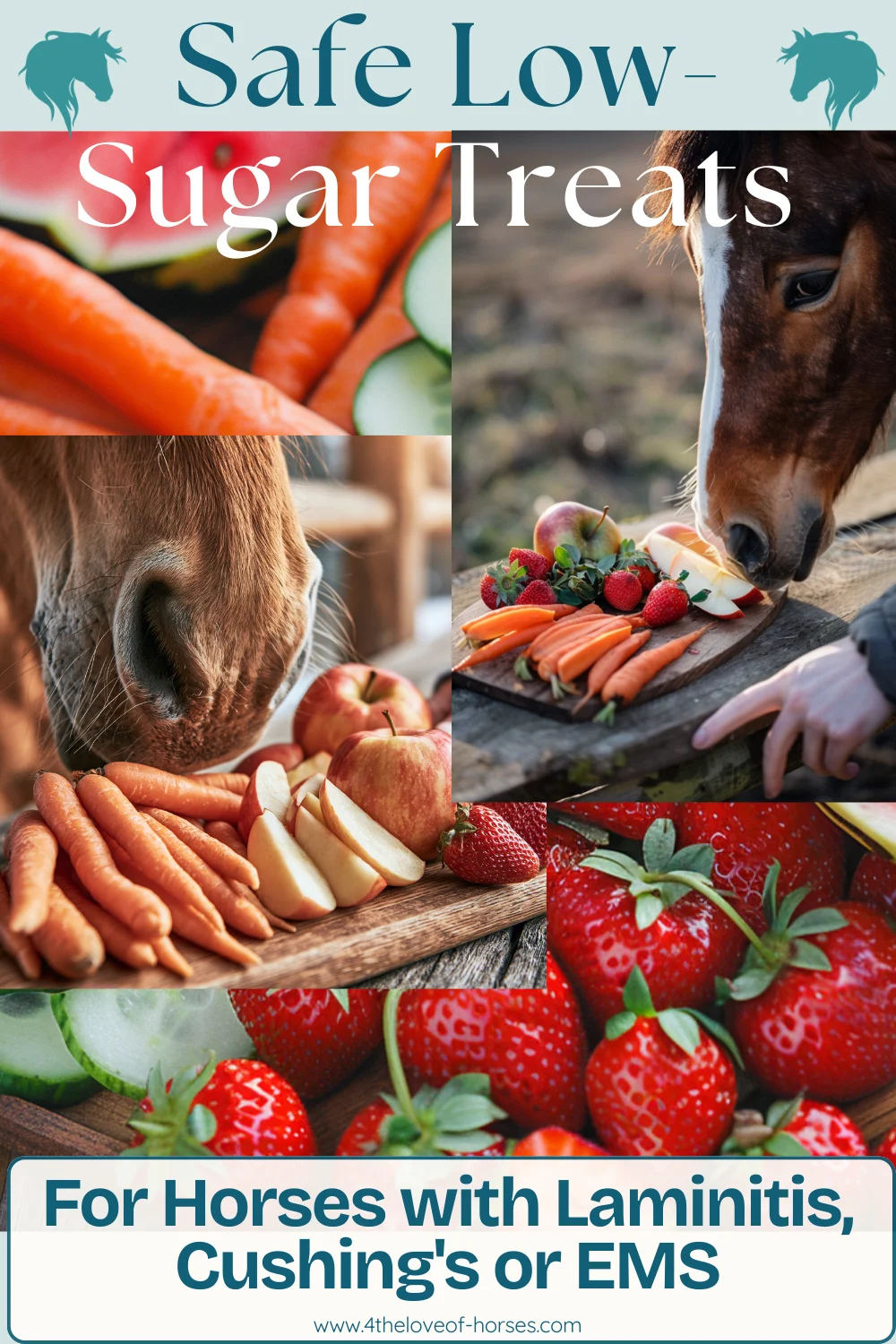
Special Considerations: Metabolic Horses
Horses with insulin resistance, Cushing’s disease, or laminitis history require special treat management.
Best Low-Sugar Treat Options:
Celery – Absolute safest choice. Virtually no sugar.
Cucumbers – Very low sugar, high water content.
Green beans – Low sugar, horses often enjoy them.
Small amounts of carrots – Despite myths, carrots are relatively low sugar. A few per day usually fine.
Romaine lettuce – Mostly water and fiber, minimal sugar.

Treats to Strictly Avoid for Metabolic Horses:
Apples – Higher sugar content makes them risky
Bananas – Very high in natural sugars
Grapes – Extremely high sugar concentration
Dried fruits – Concentrated sugars, very dangerous
Commercial treats with molasses – Added sugars problematic
Any sweet fruits – Melons, berries, stone fruits
Treat Management Strategies:
Portion control: Even “safe” treats should be limited. 2-3 pieces per day maximum.
Timing matters: Feed treats after exercise when insulin sensitivity is better, not on empty stomach.
Monitor response: Watch for increased digital pulse, heat in hooves, or behavior changes after treats.
Work with vet: Some metabolic horses are more sensitive than others. Your vet knows your horse’s specific needs.
Alternative rewards: Use scratches, verbal praise, or other non-food rewards for training.
My Metabolic Horse Experience:
I’ve had two horses with insulin resistance over the years. Finding safe treats they enjoyed without triggering laminitis was challenging. Celery became our go-to. I’d cut it into small pieces, and they were just as motivated by celery as healthy horses are by apples.
One mare loved frozen cucumber chunks in summer—cold, crunchy, refreshing, and safe for her metabolic issues. Small pleasures matter, even for metabolic horses.
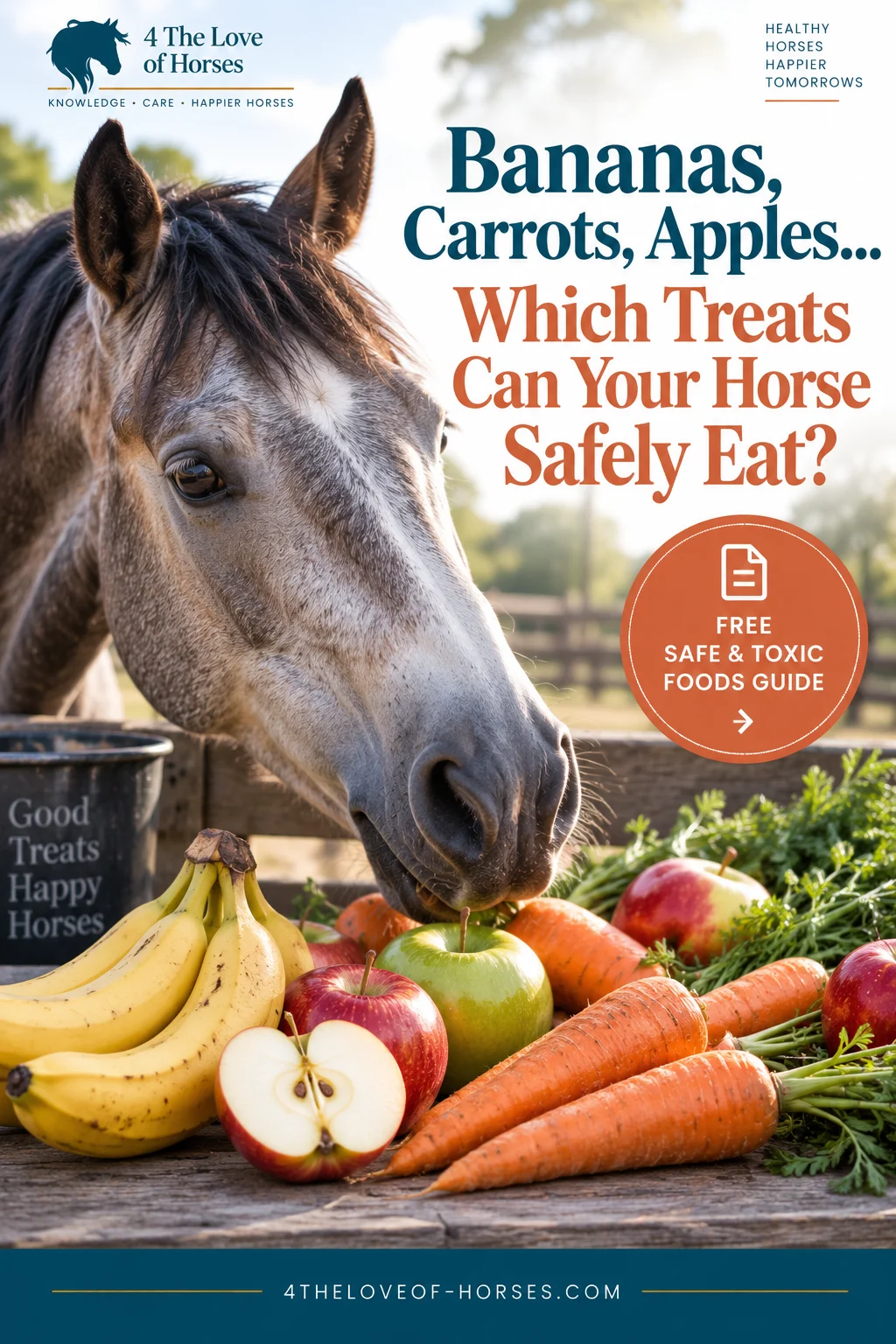
⚠️ Complete Safe & Toxic Foods Reference
Protect your horse with knowledge. Our downloadable guide includes complete safe foods lists, what to NEVER feed, emergency protocols, and special sections for metabolic horses. Know exactly what’s safe and what’s deadly—before it’s too late.
Seasonal Treat Ideas

Summer (Cooling & Hydrating)
Frozen watermelon chunks – Natural popsicles
Cucumber slices – Cooling and refreshing
Frozen apple juice ice cubes – Mix in small fruit pieces
Cold celery sticks – Straight from refrigerator
Melon pieces – Cantaloupe, honeydew
Frozen berries – Blueberries, strawberries

Fall (Harvest Season)
Pumpkin – Abundant and affordable
Apples – Peak season, best flavor
Squash varieties – Winter squash now available
Pears – Fall harvest fruit
Sweet potato – Seasonal, nutritious

Winter (Warming & Comfort)
Warm mashes – Beet pulp with apple pieces
Warm peppermint hay cubes – Comforting on cold days
Baked treats fresh from oven – Still-warm cookies
Room temperature treats – Not refrigerator-cold
Warm applesauce – Mixed into grain

Spring (Fresh & Light)
Fresh carrots – New crop available
Strawberries – Spring berry season
Fresh lettuce – Spring greens
Young turnips – Tender and mild
Radish tops – If your horse likes greens
Treat Introduction Protocol
Never assume your horse will like something just because it’s safe. Introduce new treats carefully.
Step-by-Step Introduction:
Day 1: Offer 1-2 small pieces of new treat. Let horse sniff, investigate, refuse if they want.
Observation: Watch for 24 hours for any digestive upset, behavior changes, or allergic reactions.
Day 2-3: If no issues, offer slightly more (3-4 pieces). Continue monitoring.
Day 4-7: Gradually increase to normal serving size over several days.
Ongoing: Once established as safe, can feed regularly.
Red Flags During Introduction:
Digestive upset – Loose manure, mild colic signs, gas
Skin reactions – Hives, itching, welts (rare but possible)
Behavior changes – Unusual lethargy or hyperactivity
Refusal – If horse consistently refuses, respect their choice
Why Horses Refuse Treats:
After 45 years, I’ve learned horses refuse treats for various reasons:
Unfamiliar texture – Some horses are suspicious of new textures
Strong flavor – Peppermint, garlic, strong herbs
Past experience – If hidden medication in that food before
Just preference – Horses are individuals with tastes
Not hungry – If just ate large meal
Don’t force it. Find treats your individual horse enjoys.

What Makes Treats Appealing to Horses?
Understanding horse preferences helps you choose treats they’ll actually enjoy.
Horses Generally Prefer:
Sweet flavors – Natural sugar preference (evolutionary—ripe fruit = safe energy)
Crunchy textures – Satisfying to chew, natural teeth cleaning
Familiar foods – Horses are cautious about new things
Cool/cold in summer – Temperature preference on hot days
Warm in winter – Comfort preference on cold days
Aromatic – Strong smells attractive (apples, peppermint, molasses)
Horses Generally Dislike:
Bitter flavors – Evolutionary warning of toxic plants
Slimy textures – Unfamiliar and unappetizing
Very sour – Overly acidic flavors
Spicy heat – Capsaicin unpleasant
Artificial flavors – Often taste “wrong” to horses
Individual Preferences:
Just like people, horses have individual tastes. I’ve had horses who:
- Only ate red apples (refused green)
- Loved banana peels but not bananas
- Went crazy for watermelon rind (ignored the pink flesh)
- Refused all commercial treats but loved carrots
- Preferred celery over any sweet treat
Learn your horse’s preferences and honor them.
Treat Safety Reminders
Even safe treats can cause problems if fed improperly.
Always Remember:
Remove toxic parts – Seeds, pits, cores, leaves
Cut to appropriate size – Prevent choking hazards
Wash thoroughly – Remove pesticides, dirt, bacteria
Fresh, not spoiled – Discard moldy or rotten produce
Treats are supplements – Not meal replacements
10% maximum – Treats shouldn’t exceed 10% of daily diet
Water available – Horses should have water before and after treats
Monitor for choking – Watch horse eat, especially with new treats
Choking Prevention:
Choking is one of the most common treat-related emergencies. Prevent it by:
Cutting large items – Whole apples, long carrots
Avoiding sticky/dry – Bread, dried fruit unless soaked
Not feeding excited horses – Wait for calm behavior
Spacing out treats – Don’t rapid-fire multiple treats
Ensuring good teeth – Senior horses need smaller pieces
Storage Safety:
Produce: Refrigerate fresh fruits/vegetables, use within 3-5 days
Homemade treats: Airtight containers, 1-2 weeks maximum (refrigerate if containing fresh produce)
Commercial treats: Follow package directions, seal opened packages
Frozen treats: Clearly label, use within 2-3 months

My Personal Favorite Treats
You’ve heard the science and the safety information. Here are my personal go-to treats based on decades of experience:
Daily Treats (What I Reach for Most):
Carrots – Reliable, affordable, horses love them, nutritious
Apples – Classic for good reason, seasonal variety
Celery – Training sessions, weight-conscious horses
Special Occasion Treats:
Bananas – Sunday morning tradition with my mare
Watermelon – Hot summer afternoons
Homemade oat cookies – Training breakthroughs
Seasonal Favorites:
Pumpkin – Fall tradition, affordable after Halloween
Frozen treats – Summer heat relief
Warm mashes – Winter comfort
What I’ve Stopped Using:
Commercial treats with long ingredient lists – Prefer simple
Anything with artificial colors – Unnecessary
High-sugar treats – Not worth the risk for metabolic horses
Bread – Too risky for choking, no nutritional benefit
The horses who’ve shared my life over 45 years have taught me that the best treats aren’t necessarily the fanciest or most expensive. They’re the ones given with thought, love, and respect for each horse’s individual needs and preferences.

The Bottom Line: Treats Are About Connection
After 45 years, here’s what I know for certain: treats matter, but not for the reasons most people think.
Yes, nutrition matters. Yes, safety matters. Yes, portion control and proper preparation matter.
But what really matters is the moment of connection when you offer a treat to your horse. The trust in their eyes when they take it gently from your hand. The joy when they recognize the sound of you opening their favorite treat bag. The bond strengthened through small moments of pleasure shared together.
My mare’s banana tradition isn’t about the nutritional value of potassium. It’s about the fact that every Sunday for twenty-five years, she and I have shared this ritual. She knows Sunday mornings mean her special treat. I know that as long as she’s greeting me with banana anticipation, she’s feeling good and happy.
Choose treats that are safe. Feed them responsibly. But most importantly, feed them with love.
Your horse will remember not just what you fed them, but how you made them feel when you did.
🥕 Ready to Spoil Your Horse with Healthy Treats?
Download the complete FREE guide with:
- ✅ All 6 easy homemade treat recipes
- ✅ Complete safe & toxic foods reference
- ✅ Exact serving sizes for every treat
- ✅ Seasonal treat ideas (summer, fall, winter, spring)
- ✅ Training with treats strategies
- ✅ Special metabolic horse options
- ✅ Shopping list & meal prep guide
- ✅ Printable barn-worthy format
Based on 45+ years of horse experience and 25+ years breeding warmbloods.
Trusted by thousands of horse owners worldwide.
Share it with barn visitors, neighbors, and anyone who might feed your horses. Prevention starts with education.
Related Articles You’ll Love:
- What NOT to Feed Your Horse: Complete Guide to Toxic Foods
- Horse Nutrition Basics: Complete Feeding Guide
- Understanding Your Horse’s Digestive System
- Metabolic Horses: Diet Management for IR, Cushing’s & Laminitis
After 45 years with horses and 25+ years breeding warmbloods, I’ve learned that the best treats are the ones fed with knowledge, care, and love. Have questions about feeding treats or want to share your horse’s favorite? Leave a comment below—I read and respond to every one!
— Jenni @ 4 The Love of Horses