Feeding the Lactating Mare: Meeting Peak Nutritional Demands – Part 3

Welcome to Part 3 of our broodmare nutrition series! If you thought late pregnancy was demanding, prepare yourself—lactation takes nutritional requirements to an entirely new level. During peak lactation, your mare will require nearly double the calories and protein compared to maintenance. Getting this right is crucial for producing a thriving foal while keeping your mare healthy for future breeding seasons.
The Most Demanding Period
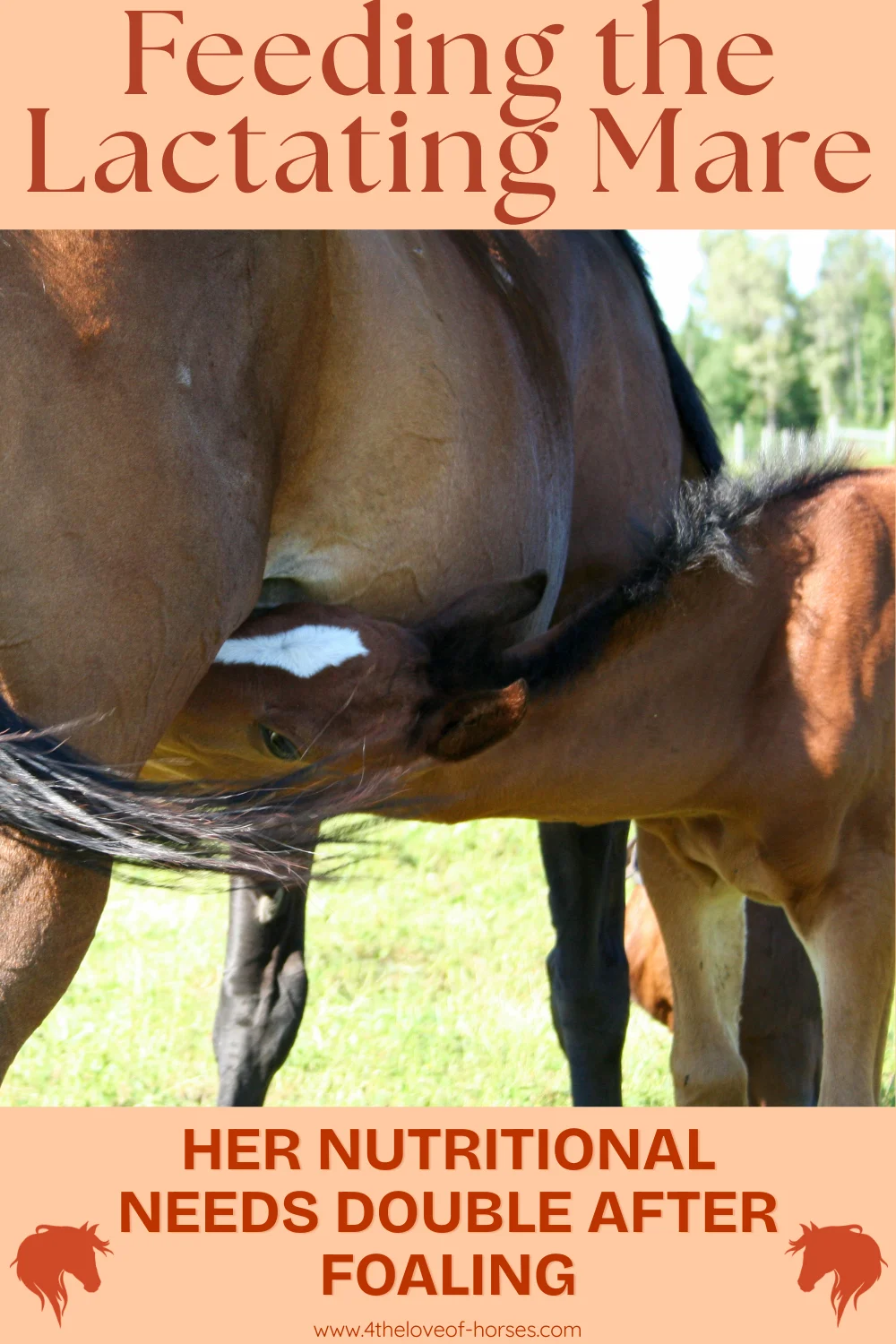
Lactation represents the most nutritionally demanding period in a broodmare’s life. Peak milk production occurs around 6-12 weeks post-foaling, during which time your mare may produce 15-20 liters (4-5 gallons) of milk daily. This is an enormous output that requires massive amounts of nutrients.
Failing to meet these needs will result in the mare rapidly losing body condition as she mobilizes her own tissue reserves to maintain milk production. Some weight loss is normal and expected, but excessive loss indicates your feeding program needs adjustment.
Early Lactation: The First Three Months
Energy Requirements Skyrocket
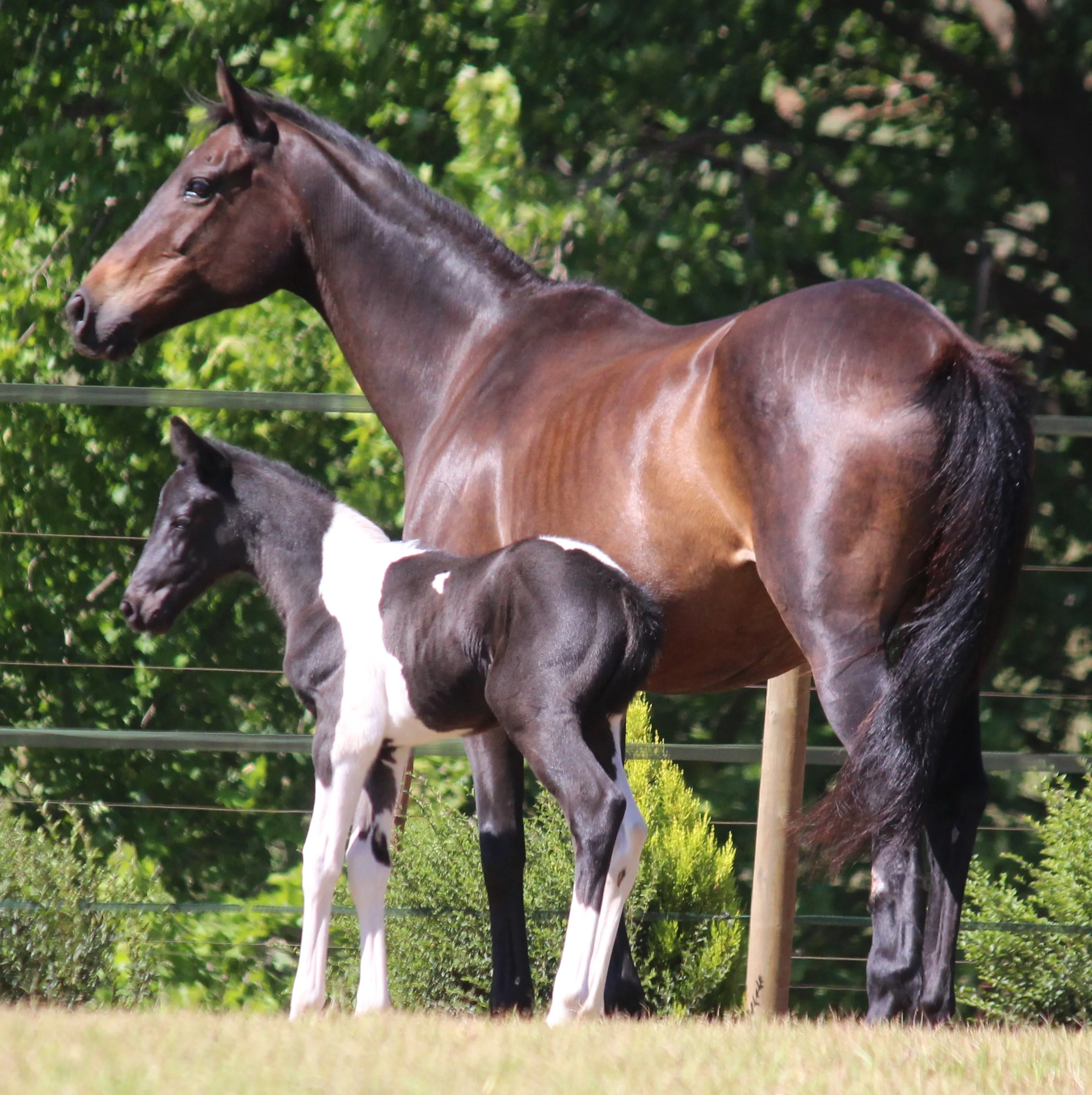
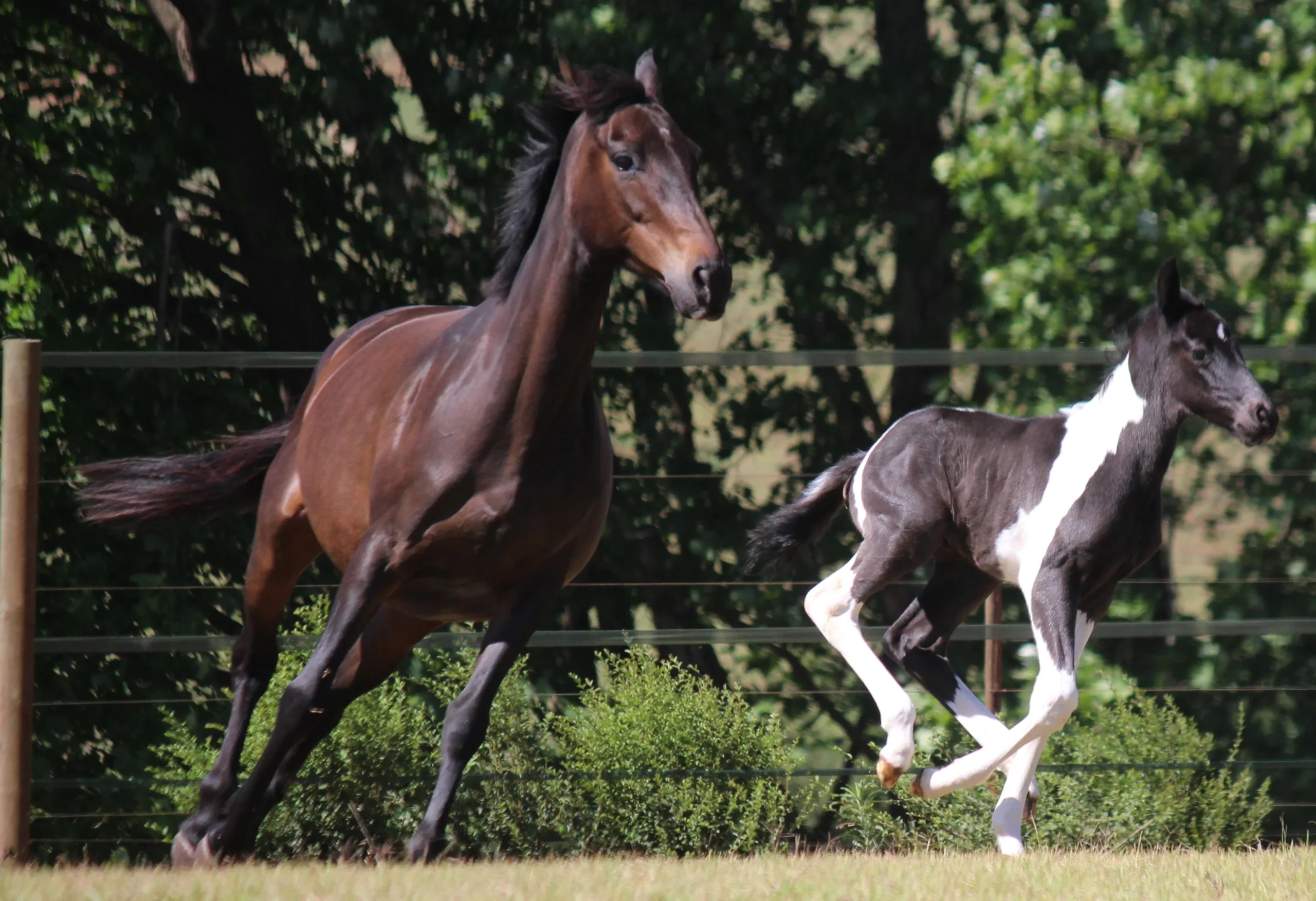
During early lactation, energy requirements increase by 70-90% above maintenance levels—far exceeding the demands of late pregnancy. For a 500 kg mare producing adequate milk, this translates to a need for approximately 28-32 Mcal of digestible energy daily.
What does this mean practically? Meeting this requirement typically necessitates 4-6 kg (8.8-13.2 lbs) of high-quality concentrate feed in addition to free-choice hay or access to excellent pasture. Yes, that’s significantly more than late pregnancy!
The concentrate feed should be energy-dense and highly digestible. Look for feeds with digestible energy concentrations of 3.0-3.5 Mcal per kilogram. Feeds that include fat sources such as vegetable oils or rice bran can be particularly useful, as fat is energy-dense and doesn’t increase the risk of digestive upset when properly formulated.
Protein Requirements Nearly Double
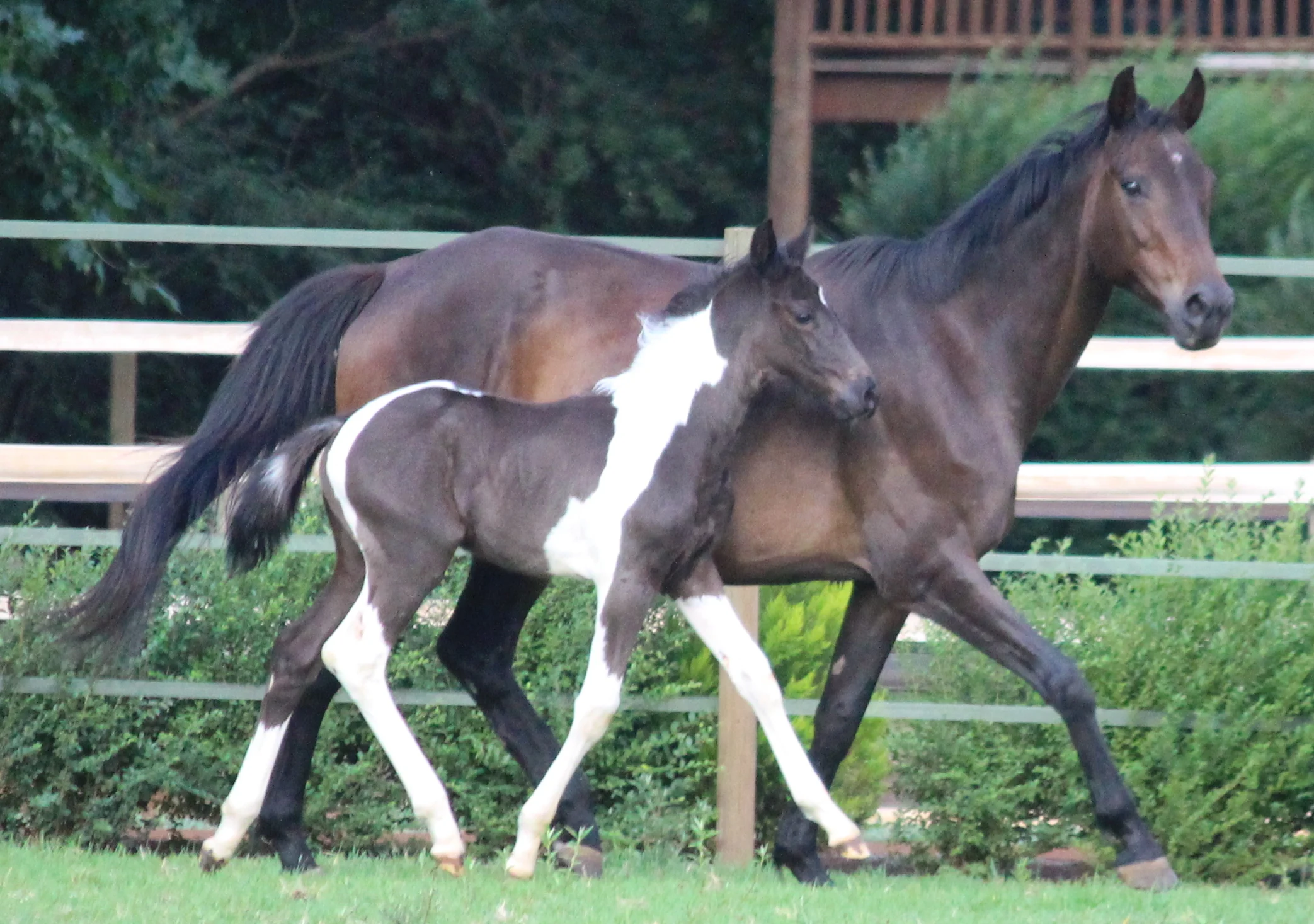
Crude protein requirements nearly double during lactation, reaching 14-16% of the total diet. More importantly, lysine requirements increase to support both milk protein synthesis and the mare’s own maintenance needs. A lactating mare requires approximately 40-50 grams of lysine daily—roughly double the requirement during late pregnancy.
Quality is paramount. The protein must provide a complete amino acid profile to support optimal milk production. Soybean meal, alfalfa, and high-quality commercial feeds formulated for lactating mares are excellent choices. Inadequate protein during early lactation will result in poor milk production, compromised foal growth, and significant loss of the mare’s muscle mass.
Sample Early Lactation Feeding Program
For a 500 kg mare in early lactation with good milk production:
- Forage: Free-choice quality hay (9-11 kg/20-24 lbs) or excellent pasture. Alfalfa mixed with grass hay works well due to high calcium and protein
- Concentrate: 5-6 kg (11-13.2 lbs) mare & foal feed, divided into 3-4 meals
- Feeding times: Morning (1.5 kg), midday (1.5 kg), afternoon (1.5 kg), evening (1.5 kg)
- Vitamin E: 2,000-3,000 IU daily
- Water: Fresh water always available (expect 50-70 liters/13-18 gallons daily in warm weather)
Critical note: Never exceed 2 kg (4.4 lbs) per concentrate meal to prevent digestive upset. This is why 3-4 daily feedings are necessary during peak lactation.
Balancing Milk Production with Mare Health
The challenge of early lactation lies in providing enough nutrients to support generous milk production while maintaining the mare’s body condition and health. Even with optimal feeding, many mares will lose one-half to one full body condition score during this period.
Acceptable weight loss: A mare entering lactation at BCS 6 may drop to BCS 5-5.5 by 8-10 weeks post-foaling. This is normal and expected.
Problem weight loss: If your mare drops below BCS 4 or loses more than 1.5 condition scores, increase feed immediately. She’s sacrificing too much of her own body reserves.
Monitor These Key Indicators
- Body condition score: Assess weekly during the first 8 weeks of lactation
- Foal growth: Healthy foals should gain 1-1.5 kg (2-3 lbs) daily in the first months
- Mare’s topline: Should remain relatively level, not developing a pronounced dip
- Coat condition: Should remain shiny and healthy, not dull or rough
- Mare’s attitude: Should be alert and engaged, not lethargic
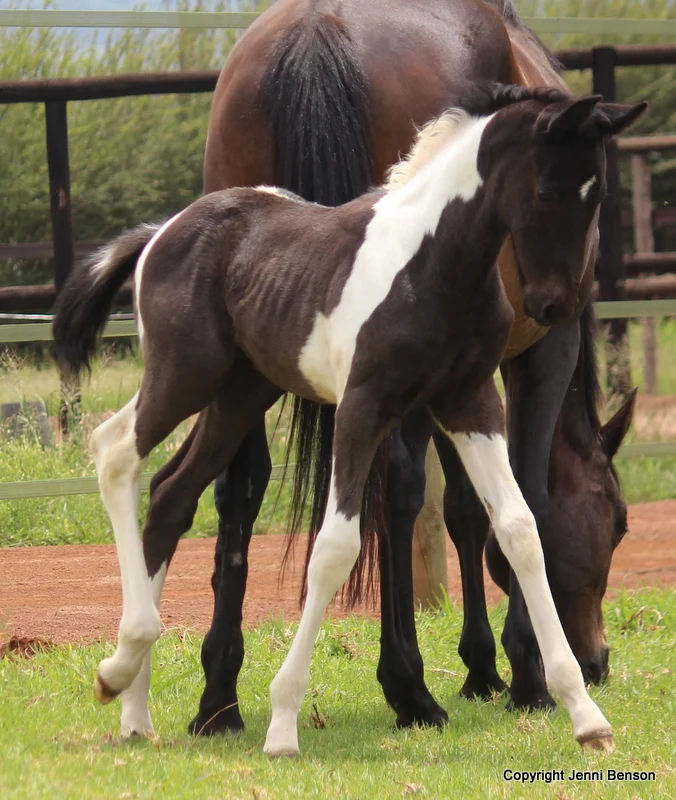
Calcium and Phosphorus in Lactation
The mineral content of milk is substantial, creating high demands for calcium and phosphorus. Lactating mares require 45-65 grams of calcium and 30-40 grams of phosphorus daily, depending on milk production levels. These minerals should continue to be provided in approximately a 2:1 calcium to phosphorus ratio.
Alfalfa hay can be particularly useful during lactation due to its high calcium content and elevated protein levels. A 50/50 mix of alfalfa and grass hay often works well, though easy keepers may gain excessive weight on this rich combination.
Late Lactation: Months 4 to Weaning
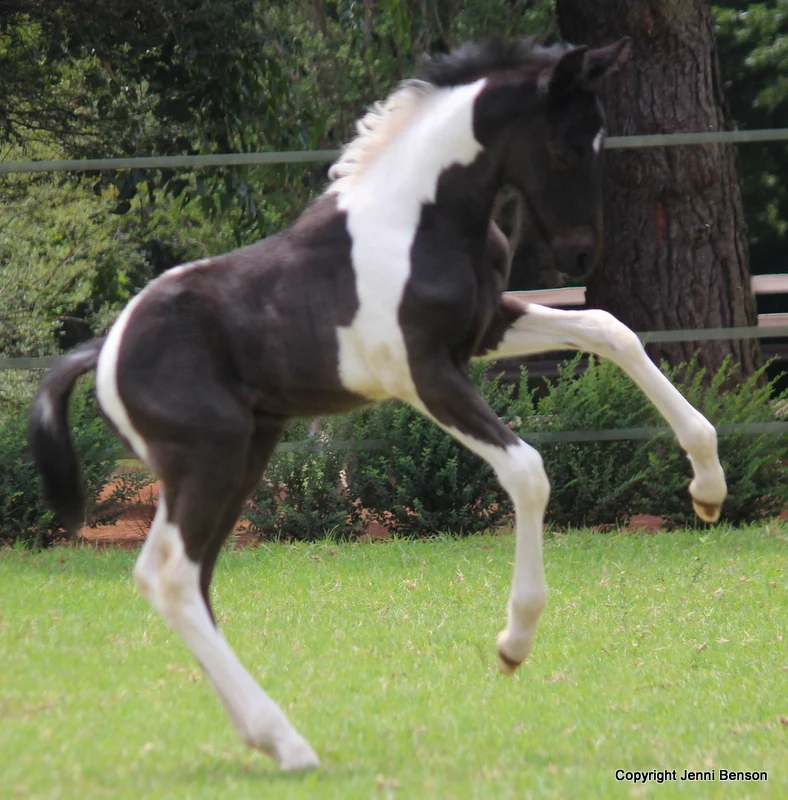
As the foal begins consuming significant amounts of solid feed—typically around 3-4 months of age—the mare’s milk production naturally declines. This gradual decrease allows for a corresponding reduction in the mare’s nutritional requirements, though she will still need considerably more nutrients than during early pregnancy.
Gradual Feed Reduction
During late lactation, energy requirements typically drop to 50-60% above maintenance, and protein requirements decrease to 12-13% of the diet. You can gradually reduce concentrate feeds by 0.5-1 kg weekly, while maintaining free-choice access to quality hay.
Important: The rate of reduction should be guided by the mare’s body condition. Mares that lost significant weight during early lactation may need to maintain higher feed levels to regain condition before the next breeding season.
Typical Late Lactation Program
For our same 500 kg mare, now 4-5 months post-foaling:
- Concentrate: Reduce to 3-4 kg (6.6-8.8 lbs) divided into 2-3 meals
- Forage: Continue free-choice quality hay
- Monitor: Continue weekly body condition assessments
The Weaning Transition
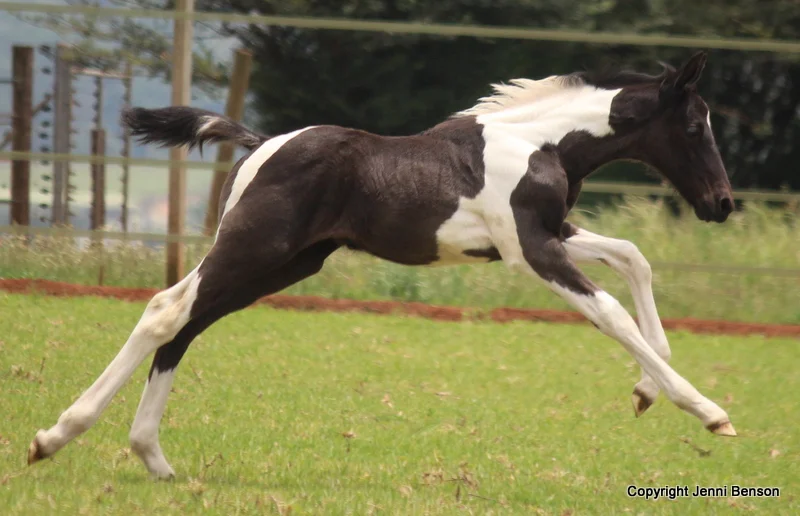
The transition from late lactation to weaning should be gradual when possible. Abrupt weaning while the mare is producing substantial milk can lead to udder engorgement, mastitis, and significant discomfort.
One Week Before Weaning
Reduce concentrate feed significantly (by 40-50%) to help decrease milk production naturally. Continue providing free-choice hay. This reduces udder pressure and makes weaning more comfortable for the mare.
At Weaning
Remove the foal and reduce concentrate to maintenance levels or eliminate entirely if the mare is in good condition on forage alone. Provide hay but consider reducing the amount slightly for 24-48 hours to help dry up milk production.
Post-Weaning
Over 7-10 days, gradually return to a maintenance-level diet. However, if the mare is thin (BCS less than 5), maintain higher feeding levels until she regains appropriate body condition. Mares should ideally enter the next breeding season at BCS 5-6.
Re-breeding While Lactating
Many broodmares are re-bred on their first proper season after their foal heat, meaning they will be in early pregnancy while still lactating. These mares face the compounded nutritional demands of both lactation and early pregnancy.
Fortunately, while the nutritional requirements of early pregnancy are minimal, lactation demands are maximal, so feeding should be managed primarily for lactation during this overlap period. Continue the high-level feeding program until milk production begins to decline.
Body Condition and Conception
The mare’s body condition at re-breeding significantly affects conception rates. Mares in moderate to good condition (BCS 5-7) have higher conception rates than thin mares (BCS 3-4). This emphasizes the importance of maintaining good nutrition throughout lactation to support both milk production and reproductive success.
If your mare is dropping below BCS 5 during lactation, increase feed before attempting to re-breed. A few extra weeks to regain condition is better than poor conception rates or early pregnancy loss.
Common Lactation Feeding Mistakes
- Underfeeding: The most common error. Don’t be afraid to feed heavily during peak lactation.
- Large meals: Feeding 3-4 kg in one meal increases colic risk. Divide into smaller portions.
- Inadequate water: Water is essential for milk production. Check water sources multiple times daily.
- Poor quality protein: Using cheap, low-quality feeds saves money upfront but costs you in poor foal growth.
- Abrupt weaning: Reduce feed before weaning to decrease milk production gradually.
Coming Up Next
In Part 4, we’ll take a deep dive into each essential nutrient—energy, protein, minerals, and vitamins. You’ll learn exactly why each nutrient matters, what happens when they’re deficient, and how to ensure your mare gets what she needs throughout the breeding cycle.
Complete Series Now Available
Download our comprehensive Broodmare Nutrition Guide (PDF) containing all five parts of this series plus feeding charts, supplement guides, and troubleshooting resources. Free download!
Review the Complete Series:
- Part 1: Broodmare Nutrition Basics
- Part 2: Late Pregnancy Nutrition
- Part 3: Feeding the Lactating Mare (You are here)
- Part 4: Essential Nutrients for Broodmares
- Part 5: Practical Strategies & Common Mistakes
Further Reading
- NRC (National Research Council) – Nutrient Requirements of Horses, 6th Revised Edition
- American Association of Equine Practitioners resources on broodmare care
- University extension publications from equine programs (Kentucky, Virginia Tech, UC Davis)
© 4 the love of-horses – All Rights Reserved