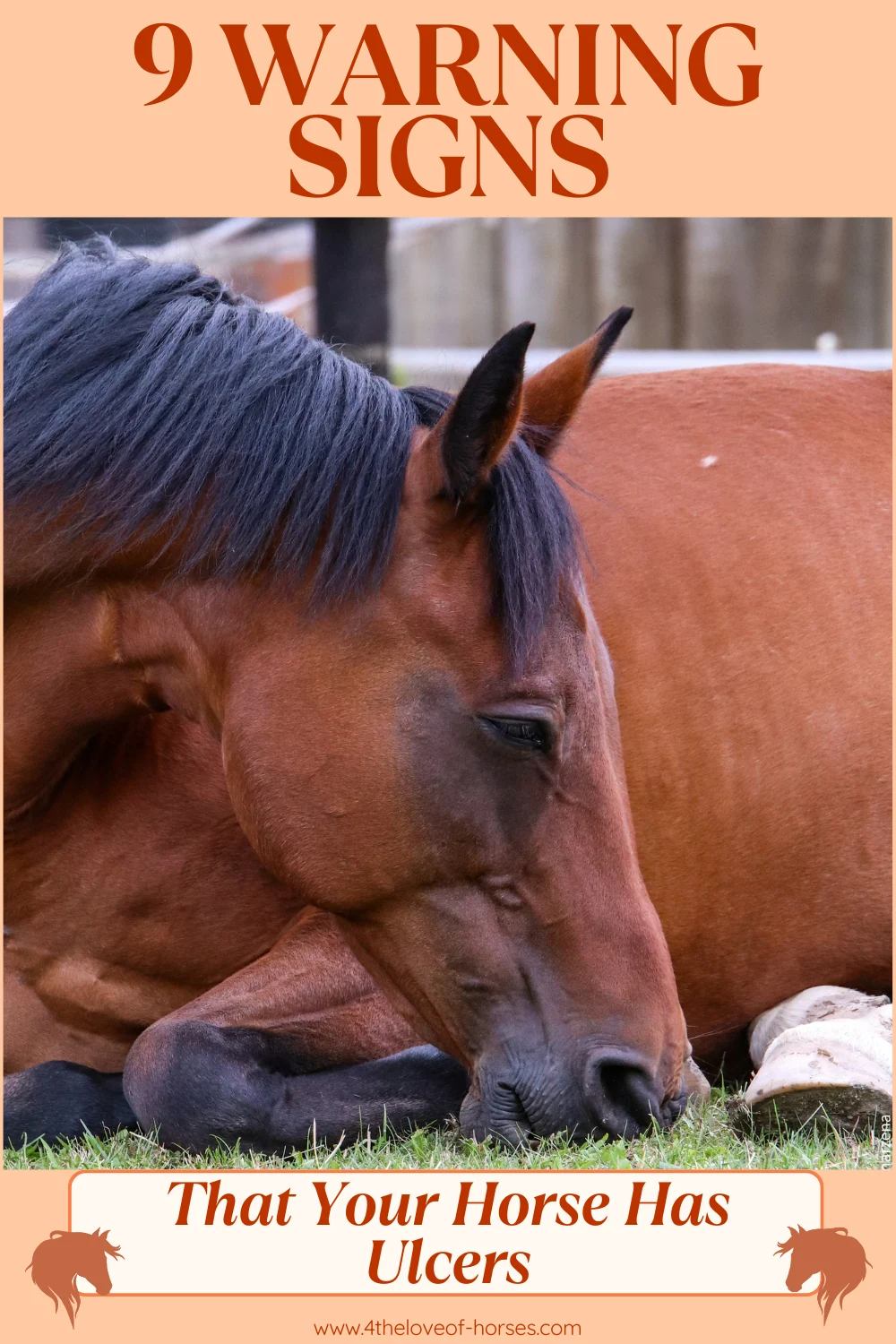
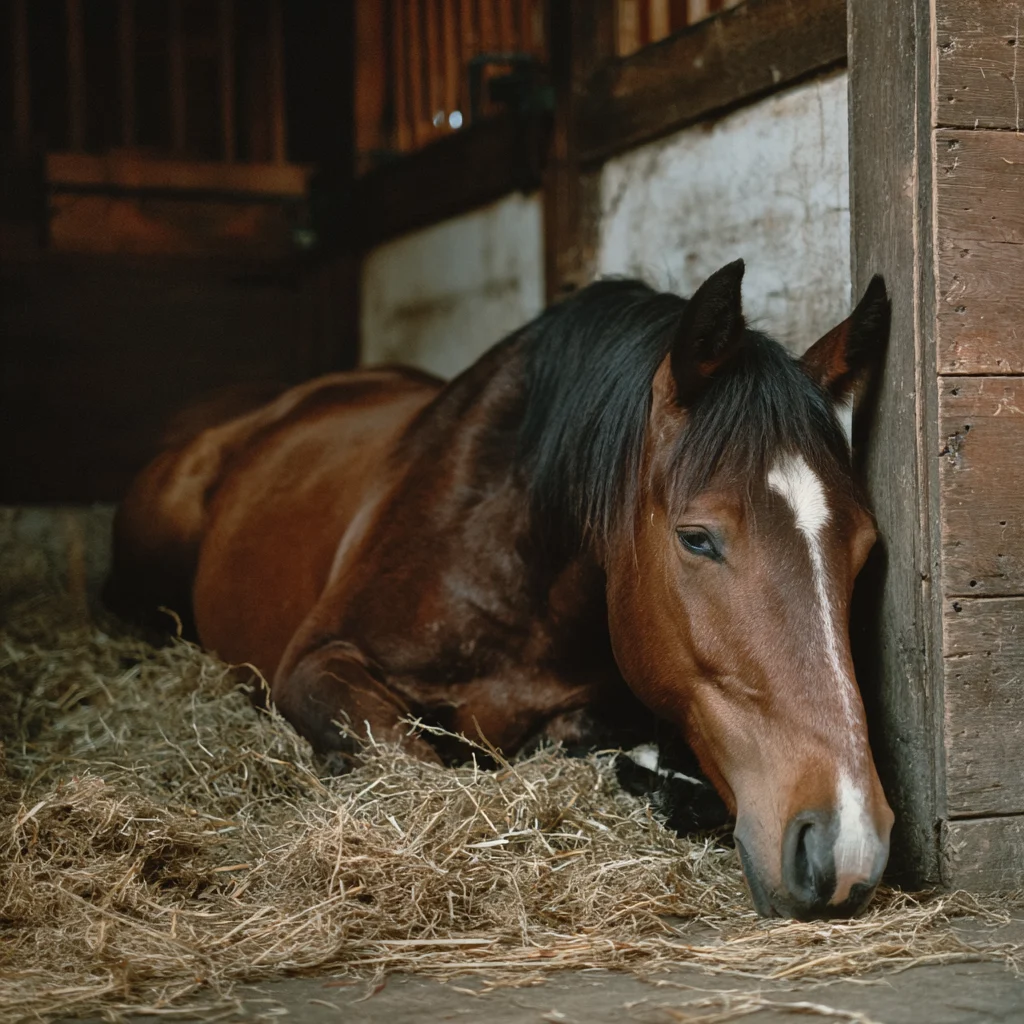
Does Your Horse Have Ulcers? 9 Signs You Should Never Ignore

Understanding equine gastric ulcers — the signs, the causes, and what you can do about them
You’re tacking up your horse and he pins his ears the moment the girth tightens. Or maybe he’s lost weight despite eating well, or he’s just not himself — a little flat, a little irritable, not quite the horse you know. It’s easy to put these things down to a bad day or “being difficult.” But these are often the quiet, easy-to-miss signs of gastric ulcers — and in horses, ulcers are far more common than most owners realise.
Gastric ulcers in horses are not a condition reserved for elite performance horses or those under intense training schedules. Leisure horses, horses on good pasture, and horses with seemingly relaxed lifestyles are all vulnerable. The challenge is that horses are stoic animals — wired by evolution to hide pain and weakness — which means by the time symptoms become obvious, ulcers are often already well established.
In this post I want to walk you through what equine gastric ulcers actually are, why they happen, and — most importantly — the 9 signs that should prompt you to call your vet.
What Are Equine Gastric Ulcers?
The horse’s stomach is divided into two distinct regions, and understanding the difference matters because the two types of ulcers behave differently and require different treatment approaches.
Squamous Region
The upper portion of the stomach. Thin, unprotected lining with no mucus buffer against acid. Most commonly affected in horses in regular work — particularly when the stomach is empty during exercise.
Glandular Region
The lower portion. Produces acid but has a protective mucus lining. Less understood but increasingly recognised. More resistant to treatment and often requires a different medication protocol.
Unlike humans, horses produce stomach acid continuously — around 16 litres per day — regardless of whether they are eating. In the wild, a horse grazes for up to 18 hours a day, so there is almost always roughage in the stomach buffering that acid. The moment we stable horses, restrict grazing, or increase workload without adjusting management, the stomach lining becomes vulnerable.
What Causes Ulcers in Horses?
There is rarely a single cause. Ulcers typically develop when several risk factors combine — and many common aspects of modern horse management happen to create the perfect conditions for them.
9 Signs Your Horse Might Have Ulcers
Some of these signs are classic; others are subtle enough that owners overlook them for months. A horse may show several signs, or only one or two. Read through the full list carefully — the pattern matters as much as any individual symptom.
Girthiness or Belly Sensitivity
Your horse pins his ears, fidgets, or tries to bite when you tighten the girth. Many owners put this down to habit — but sudden or worsening girthiness is significant. The girth sits directly over the stomach region, and pressure in that area causes genuine discomfort in a horse with active ulcers.
Poor or Inconsistent Appetite
Horses are designed to eat almost constantly. A horse that walks away from hay, is slow to finish meals, or noticeably less enthusiastic about food is telling you something. With ulcers, eating can actually cause discomfort — feed stimulates more acid production before the food has had a chance to buffer it.
Weight Loss or Poor Condition Despite Adequate Feeding
If your horse is eating reasonable amounts but losing weight, topline, or general condition, ulcers should be on your list. Gastric ulceration affects nutrient absorption and can make the horse reluctant to eat enough to maintain condition. A dull, staring coat often accompanies this gradual decline.
Recurrent Low-Grade Colic
Not dramatic rolling colic — but recurring mild episodes. Your horse looks uncomfortable after meals, paws occasionally, or seems vaguely unsettled and stares at his flanks. These episodes may pass quickly and seem too minor to call the vet, but if they keep coming back, they warrant investigation.
Behaviour Changes Under Saddle
A previously willing horse that has become reluctant to go forward, resistant at transitions, difficult to bend, or consistently behind the leg may be responding to physical discomfort — not a training problem. Ulcer horses often show resistance that comes and goes, and are frequently mislabelled as difficult or lazy when they are in genuine pain.
Teeth Grinding (Bruxism)
Teeth grinding in horses — distinct from normal chewing sounds — is a recognised indicator of gastric discomfort. It may be subtle: a quiet grinding sound when you handle your horse, particularly around meal times or during stressful situations. Combined with other signs on this list, it is significant.
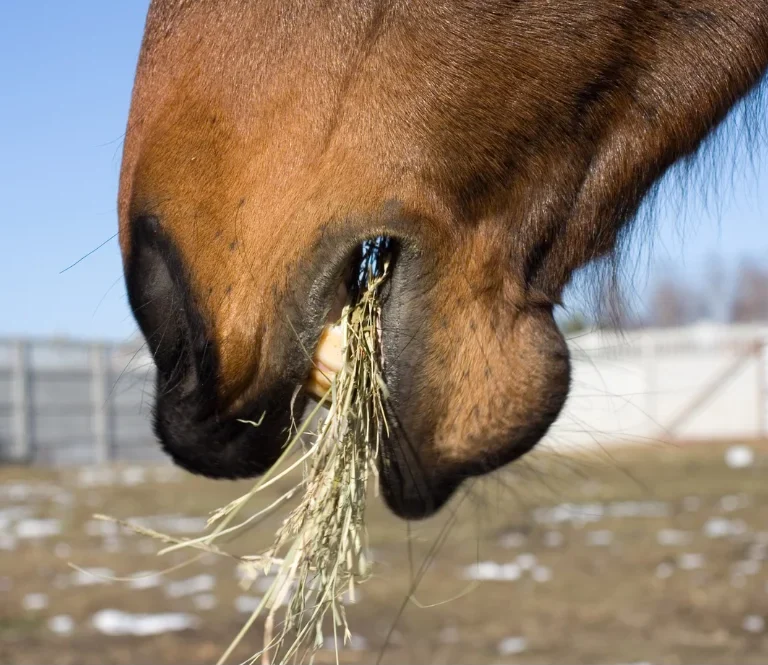
Excessive Salivation or Dribbling
Some horses with ulcers produce excess saliva, particularly around feeding time. Rule out dental issues first — but if the teeth are fine, gastric discomfort may be the cause. This is an easy sign to dismiss, particularly in horses who have always been a little “mouthy.”
Changed or Dull Temperament
Chronic pain changes horses. A previously bright, sociable horse that has become withdrawn, dull-eyed, or less interested in interaction may simply be uncomfortable. Some horses become more irritable; others become quieter and harder to motivate. If your horse’s personality has shifted without an obvious external cause, consider that he may be in ongoing pain.
Loose or Inconsistent Droppings
While gastric ulcers sit in the stomach rather than the hindgut, changes in gastric health frequently ripple through the entire digestive system. Horses with ulcers sometimes have loose or inconsistent droppings, particularly during periods of stress. This can also indicate concurrent hindgut issues, which sometimes develop alongside gastric ulcers.
These signs are not exclusive to ulcers. Several of them can indicate other conditions — dental problems, musculoskeletal issues, hindgut dysbiosis, or parasite burden. This is exactly why a proper veterinary diagnosis matters. Don’t guess; investigate.
How Are Ulcers Diagnosed?
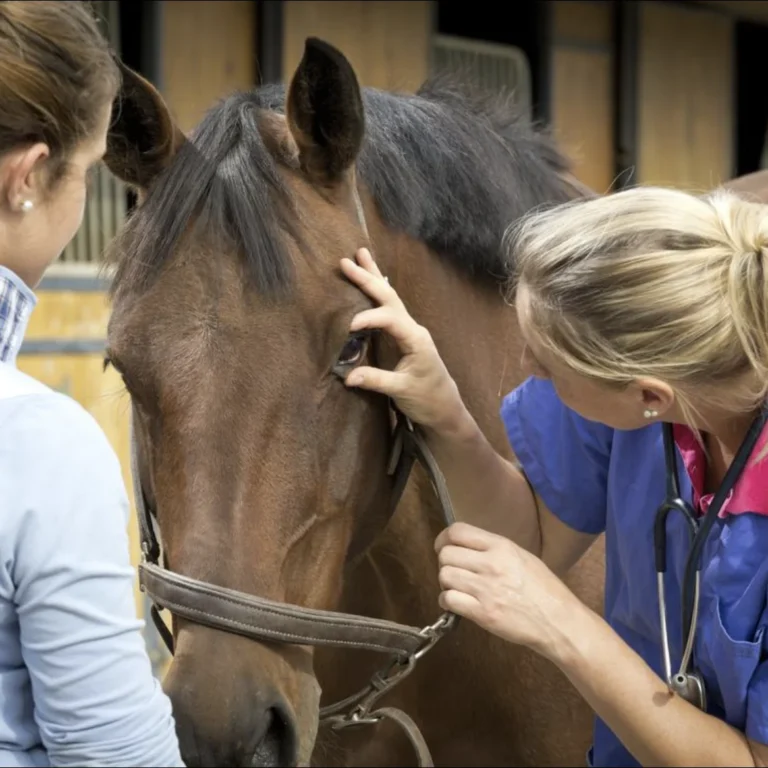
The only way to definitively diagnose gastric ulcers is gastric endoscopy — a procedure where a long camera is passed through the horse’s nostril into the stomach, allowing the vet to view the lining directly. The horse is fasted beforehand and lightly sedated, and the procedure is generally well tolerated.
Endoscopy allows the vet to confirm whether ulcers are present, assess severity (graded 0–4), identify which region is affected, and determine the most appropriate treatment protocol. Do not attempt to treat suspected ulcers without a diagnosis if you can possibly avoid it — the treatment for squamous and glandular ulcers differs, and treating the wrong type can delay recovery.
Some owners treat for ulcers without scoping and interpret improvement as confirmation. The problem is that improvement on omeprazole does not reliably confirm ulcers — and the reverse is also true. Some horses with confirmed ulcers show limited improvement because they have glandular involvement requiring different medication. If scoping is genuinely not accessible right now, have an honest conversation with your vet about the best path forward.
Treatment: What to Expect
The gold standard treatment for equine squamous ulcers is omeprazole — a proton pump inhibitor that reduces acid production. It is available in veterinary formulations specifically designed for horses. Human omeprazole is not reliably absorbed by horses and should not be substituted.
Glandular ulcers are more resistant to omeprazole alone and often require additional medication such as sucralfate, which coats and protects the damaged lining. Treatment typically runs for 28 days at a therapeutic dose, with a follow-up scope to confirm healing before stepping down.
Squamous Ulcers (ESGUS)
- Omeprazole — veterinary formulation
- 28-day therapeutic course
- Follow-up scope to confirm healing
- Management changes essential
- Good prognosis with correct treatment
Glandular Ulcers (EGGUS)
- Omeprazole plus sucralfate
- Often requires longer treatment course
- More resistant — follow up carefully
- Stress reduction is critical
- Higher recurrence rate if management unchanged
Medication alone is not enough. Treating ulcers without addressing the underlying management causes will almost always result in recurrence. The management changes below are just as important as the treatment protocol your vet prescribes.
Managing and Preventing Ulcers: 6 Practical Steps
Keep Forage Available as Continuously as Possible
This is the single most impactful thing you can do. Hay or haylage should be available around the clock for stabled horses. Slow feeder nets extend eating time and reduce the gaps between meals. A small amount of hay before exercise is particularly valuable — it sits in the bottom of the stomach and acts as a physical barrier against acid splash during canter and gallop.
Reduce Concentrate Meals and Time Them Wisely
Large grain meals spike acid production rapidly. If your horse needs concentrates, split them into smaller, more frequent meals. Always feed forage before concentrates so the stomach is not empty when grain arrives. Feeding on an empty stomach is one of the fastest routes to ulcer development.
Maximise Turnout
Grazing — even on a dry lot with hay — is significantly better for gastric health than stabling. Movement promotes gut motility, and the act of grazing keeps forage moving through the digestive system. If full turnout is not possible, even a few extra hours per day makes a measurable difference.
Reduce Unnecessary Stressors
Horses are acutely sensitive to changes in routine, social isolation, and transport stress. Keep management as consistent as possible, ensure horses have companionship, and allow adequate time between arrival at competition venues and the start of work. Even small disruptions can trigger a stress response that affects gut health.
Be Thoughtful With Anti-Inflammatories
If your horse requires regular bute or similar NSAIDs for pain management, discuss gastroprotective strategies with your vet. Omeprazole is commonly recommended alongside extended anti-inflammatory courses to protect the stomach lining throughout treatment.
Consider Long-Term Gut Support
Once ulcers have been treated and confirmed healed, some owners use gut-support supplements — containing ingredients such as seabuckthorn, aloe vera, or specific prebiotics — as part of ongoing maintenance management. These are not substitutes for veterinary treatment, but may support long-term gastric health. Always discuss choices with your vet.
📞 When to Call Your Vet
- Your horse shows recurrent colic episodes, however mild or brief
- He has lost condition or weight despite adequate feeding
- Notable behaviour changes have developed — particularly girthiness or resistance under saddle
- He is showing three or more of the signs listed in this post
- He has known high-risk factors (intensive work, limited turnout, frequent travel) combined with any of the above
- Your gut feeling tells you something is off — trust it
Ulcers are very treatable when caught and managed correctly. The horses I feel most for are the ones who spend months — sometimes years — uncomfortable, labelled as difficult or moody, when all they needed was a diagnosis and the right treatment plan. Know your horse. Trust your instincts. And when something feels off, investigate.
Free Download: Horse Emergency Reference Card
Keep your horse’s vital sign normals, emergency contacts, and first response steps in one place — printed and ready in your tack room or first aid kit.
Download Free →